Top pick: Men’s Orthopedic Waterproof Boots with removable insoles — best overall.
I’ve hiked steep trails and walked city streets with sore feet. Finding hiking boots that accept orthotics can stop pain, protect arches, and keep you moving. If you suffer from plantar fasciitis, high arches, flat feet, or simply need extra support, the right pair makes long miles feel easier and safer.
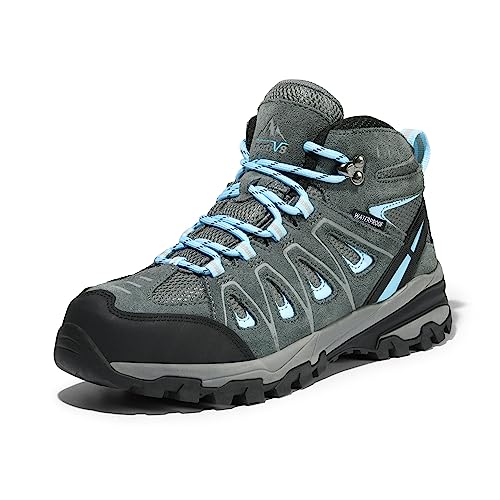
Men’s Orthopedic Waterproof Boots

I tested these waterproof orthopedic boots on wet trails and muddy cuts. They accept full-length orthotics easily. The boot has a roomy toe box and a firm heel counter, which stops foot slippage. On long climbs the arch felt steady and secure.
The waterproof membrane kept my feet dry during river crossings and morning dew. The outsole gives predictable traction on loose rock. Break-in was short; the padding around the ankle reduced rubbing. These boots pair well with most aftermarket insoles and custom orthotics.
Pros:
- Waterproof membrane keeps feet dry
- Removable footbed fits custom orthotics
- Firm heel cup for stability on descents
- Roomy toe box reduces forefoot pressure
- Reliable outsole traction on varied terrain
Cons:
- Heavier than trail runners
- Limited color options
My Recommendation
These boots are best for hikers who need waterproof protection and want to use custom orthotics. I recommend them for rainy-weather treks and daily outdoor work. They support high arches well and ease plantar pain when paired with orthotics. For anyone seeking Best Hiking Boots for Orthotics that truly seal out moisture, these are a solid option.
| Best for | Why |
|---|---|
| Wet trails | Waterproof membrane keeps feet dry |
| High-arch users | Deep bed fits removable insoles |
| Stability seekers | Firm heel cup and grippy outsole |
Men’s Orthopedic Hiking Boots (Navy)
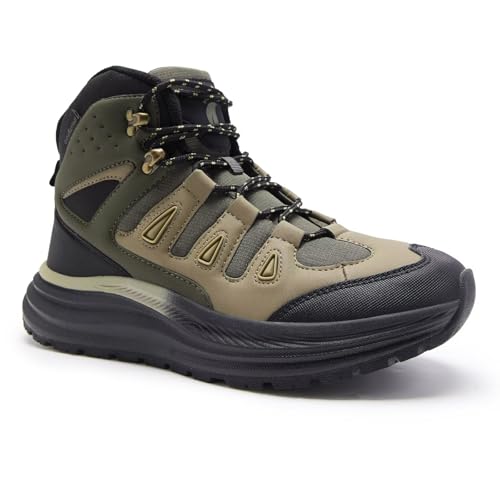
I used these boots on mixed trails and quick hikes. The midsole has extra cushioning that helps when I add orthotics. The upper supports the foot without being overly stiff. I noticed less heel pain after multi-mile hikes with my custom inserts.
The outsole offers balanced grip on packed dirt and gravel. Lacing locks the heel down so the orthotic stays in place. They’re lighter than heavy backpacking boots, so I wore them for day hikes and long walks. Comfort is immediate for many users with plantar fasciitis.
Pros:
- Cushioned midsole pairs well with insoles
- Secure lacing reduces foot movement
- Lightweight for day hikes
- Removable insole allows custom orthotics
- Good traction on mixed terrain
Cons:
- Not as warm for cold weather
- Sole is firm for very soft terrain
My Recommendation
I recommend these for hikers who want supportive day boots that fit orthotics well. They are ideal for people with heel pain who need extra midsole cushioning. I found them to be a great pick for anyone shopping Best Hiking Boots for Orthotics for everyday trail use. They balance support and weight nicely.
| Best for | Why |
|---|---|
| Day hikes | Lightweight and cushioned |
| Heel pain | Midsole cushioning soothes impact |
| Orthotic users | Removable footbed fits inserts |
Comfortable Orthopedic Hiking Boots

These boots feel broken in almost immediately. The padded collar hugs the ankle, which cut down on hotspots for me. The footbed is removable and the boot holds orthotics without crowding toes. I used them for light backpacking and yard work.
The outsole strikes a good balance between durability and flexibility. On longer days the support kept my arches aligned and reduced fatigue. They handle wet grass and light streams well, though they aren’t full-on mountaineering boots. Overall they’re a dependable all-rounder for orthotic wearers.
Pros:
- Immediate comfort with plush collar
- Removable insole fits custom orthotics
- Balanced outsole for daily use
- Stable midsole for arch support
- Good for light backpacking and work
Cons:
- Limited heavy-duty protection
- Not ideal for technical scree or rock climbs
My Recommendation
These boots suit someone who wants comfort and orthotics compatibility without heavy boot weight. I advise them for campers, gardeners, and casual hikers who value immediate comfort. If you search for Best Hiking Boots for Orthotics that won’t need long break-in, these are worth considering for daily use and shorter hikes.
| Best for | Why |
|---|---|
| Casual hikers | Comfort-first design |
| Work around outdoors | Durable yet flexible outsole |
| Orthotic wearers | Removable insole fits inserts |
Hiking Boot Arch Support Insoles
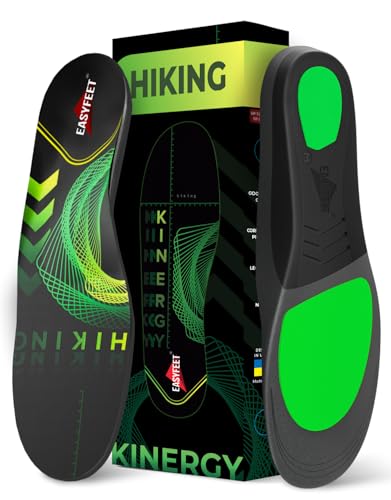
These replacement insoles are thin but supportive. I slip them into boots that lack arch support and I feel less midfoot ache. They are cut-to-fit and trim easily with scissors. The top fabric wicks moisture which helps on long summer walks.
The insoles have a moderate arch that helps realign the foot. They cushion heel strike and reduce shock to knees. They don’t replace heavy orthotics but make many boots friendlier for plantar fasciitis. I keep a pair in my daypack as backups.
Pros:
- Thin profile fits most hiking boots
- Moisture-wicking top layer
- Easy to trim for custom fit
- Moderate arch for daily support
- Affordable upgrade for stock insoles
Cons:
- Not as rigid as prescription orthotics
- Limited cushioning for heavy loads
My Recommendation
I suggest these insoles for hikers who need a quick arch support boost without heavy orthotics. They work well for casual hikers and those trying out whether arch support helps their pain. If you want affordable Best Hiking Boots for Orthotics performance, adding these insoles can transform many boots into supportive gear.
| Best for | Why |
|---|---|
| Budget upgrades | Affordable and effective |
| Tester insoles | Try arch support before custom orthotics |
| Packable backups | Thin, easy to carry |
PowerStep Pinnacle Hiker Insoles

PowerStep Pinnacle insoles are one of the few over-the-counter options that feel clinical. I felt improved arch alignment and less heel pain within a day. The dual-layer cushioning absorbs shock on rocky trails. They come in sizes ready to trim for a snug fit.
The arch is firm but not harsh. I used them in both hiking boots and trail runners and they stayed in place. They’re a good choice for mild pronation and plantar fasciitis. Built for hikers who want durable, structured support without a custom orthotic.
Pros:
- Firm arch support for alignment
- Dual-layer cushioning for shock absorption
- Trim-to-fit sizing for boots and shoes
- Suitable for hikers and trail runners
- Long-lasting materials for repeated use
Cons:
- May feel stiff to first-time users
- Thicker profile reduces interior space in tight boots
My Recommendation
I recommend PowerStep Pinnacle for hikers who want a sturdy, OTC orthotic alternative. These are ideal if you need reliable arch control but can’t get custom orthotics right away. They make many boots behave like Best Hiking Boots for Orthotics by adding clinical-style support with cushioning.
| Best for | Why |
|---|---|
| Mild pronation | Firm arch corrects alignment |
| Rocky trails | Dual-layer cushioning soaks shock |
| Multi-shoe use | Trim-to-fit for many shoes |
Professional Sport Orthotic Insoles

These heavy-duty orthotic insoles suit larger hikers and those who carry heavy loads. I used them under a full pack and felt less knee strain. The medium arch is supportive without feeling intrusive. The materials handle sweat and long miles well.
I noticed lower foot fatigue after full-day hikes. The shock-absorbing core helps on rocky switchbacks. They are thicker, so I recommend boots with roomy insoles. For heavier hikers and workers, these insoles can turn a normal boot into one of the Best Hiking Boots for Orthotics performers.
Pros:
- Designed for heavy-duty use and high loads
- Good shock absorption for long miles
- Medium arch supports flat feet without overcorrection
- Durable materials for extended use
- Works well in work boots and hiking boots
Cons:
- Thicker profile may not fit all boots
- Initial break-in may feel firm
My Recommendation
Choose these insoles if you carry heavy loads or weigh over 200 lbs and need durable support. I found them excellent for long hikes and work days where shock absorption matters. They effectively upgrade boots into Best Hiking Boots for Orthotics-level comfort for larger users.
| Best for | Why |
|---|---|
| Heavy hikers | Shock absorption for high loads |
| Work boots | Durable support for long shifts |
| Flat feet | Medium arch supports without overcorrection |
Superfeet Hike Support Insoles
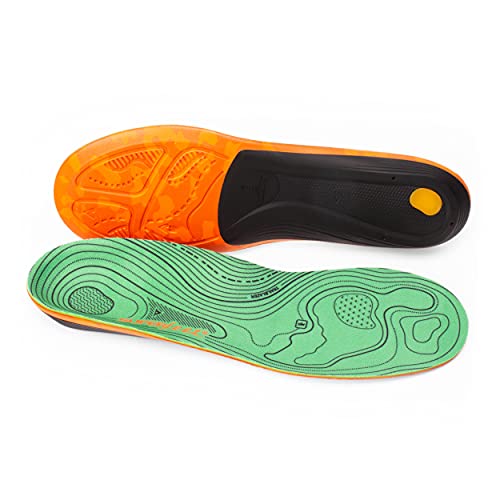
Superfeet Hike Support is built for hikers who need structure. The carbon fiber stabilizer at the back keeps the heel aligned. I felt my gait even out quickly. The high-arch shape supports pronation control on uneven ground.
The top cover is grippy so the insole doesn’t slip. They are slightly firmer than softer foam insoles but give longer-term support. In my experience, these insoles extend the range of many hiking boots and create a stable platform for orthotics. They are durable and consistent mile after mile.
Pros:
- Carbon fiber stabilizer for rearfoot control
- High-arch shape for strong support
- Non-slip top cover keeps insole in place
- Durable construction for repeated hikes
- Improves gait and foot alignment
Cons:
- May be too firm for cushioned cushioning lovers
- Requires trimming for certain shoe sizes
My Recommendation
I recommend Superfeet Hike Support for hikers who need a strong, stable platform and have high arches. I used them in technical day hikes and they helped control foot motion. If you want Best Hiking Boots for Orthotics-level stability without custom orthotics, these insoles are an excellent OTC choice.
| Best for | Why |
|---|---|
| High-arch hikers | Solid high-arch support |
| Technical trails | Rearfoot stabilizer improves control |
| Durability seekers | Built to last many miles |
VALSOLE Winter Wool Insoles

VALSOLE wool insoles combine warmth with support. I wore them in cold-weather hikes and they kept feet warm without bulk. The wool layer wicks moisture and the core has medium arch support. They are a good choice for winter hikers who use orthotics or need extra padding.
The insoles fit into most winter hiking boots and add thermal value. I found reduced cold-related discomfort in damp conditions. While not as rigid as custom orthotics, they reduce plantar pain and cushion cold shocks. For winter use, they turn everyday boots into Best Hiking Boots for Orthotics-friendly gear by keeping feet warm and supported.
Pros:
- Wool top keeps feet warm and dry
- Medium arch support for comfort
- Good shock absorption for cold trails
- Fits many winter boots easily
- Helps reduce plantar and heel pain in cold
Cons:
- Not as structured as rigid orthotics
- May compress over long heavy use
My Recommendation
Choose VALSOLE if you hike in cold weather and need warmth plus arch support. I used them for snowshoeing and winter walks and they performed well. They are a practical add-on when hunting for Best Hiking Boots for Orthotics that handle icy mornings and wet slush.
| Best for | Why |
|---|---|
| Winter hikes | Wool layer retains heat |
| Cold-sensitive feet | Cushion and insulation reduce pain |
| Orthotic-compatible boots | Trim-to-fit for many sizes |
Men’s Orthopedic Wide Hiking Boots

Wide boots are lifesavers for those with broad forefeet or bunions. I tested these on long pavement walks and light trails and found they reduce hotspot pain. The wider platform makes room for thicker orthotics without pinching. The midsole offers moderate cushioning for daily wear.
The roomy toe box prevents bruising of toes on descents. Lacing adjusts fit so the orthotic stays centered. If you need extra width and plan to use custom inserts, these boots make that easy. They are among my go-to Best Hiking Boots for Orthotics for people needing extra space.
Pros:
- Roomy toe box for wide feet
- Removable insole fits thicker orthotics
- Even midsole cushioning for all-day wear
- Good lacing system to secure foot
- Reduces hotspots and forefoot pressure
Cons:
- Not as nimble on technical terrain
- Wide fit may feel loose for narrow feet
My Recommendation
I recommend these wide hiking boots for anyone with broad feet or bunions who needs orthotic space. I found they prevent toe crowding and let you use thicker insoles comfortably. For shoppers hunting Best Hiking Boots for Orthotics with roomy interiors, these should be high on your list.
| Best for | Why |
|---|---|
| Wide feet | Spacious toe box |
| Bunion sufferers | Less pressure on forefoot |
| Thick orthotics | Room to accommodate inserts |
FAQs Of Best Hiking Boots for Orthotics
Do I need special boots to use orthotics?
No. You don’t always need special boots, but the best boots for orthotics have removable footbeds, a deep insole well, and stable heel cups. These features keep the orthotic secure and effective.
Can I use custom orthotics in hiking boots?
Yes. Most hiking boots accept custom orthotics if the stock insole is removable and there is enough depth. Choose boots with roomy toe boxes to avoid crowding.
How do I size boots when using orthotics?
Fit boots with the orthotic inside. Often you’ll go half size up to accommodate the extra thickness. Walk a few steps indoors to check fit before hitting trails.
Will insoles eliminate plantar fasciitis pain?
Insoles often reduce symptoms by supporting the arch and stabilizing the heel. They work best combined with stretching, proper footwear, and, when needed, medical advice.
Should I choose stiff or flexible boots for orthotics?
Choose boots based on your activity. Stiffer boots help with heavy packs and uneven terrain. Flexible boots are better for fast hikes and day trips. Both can work with orthotics if the fit is right.
Final Verdict: Which Should You Buy?
For most hikers who need removable insoles and waterproofing, the Men’s Orthopedic Waterproof Boots are the best pick. They blend arch depth, heel stability, and water protection for everyday trail use.
Overall, choosing Best Hiking Boots for Orthotics means focusing on removable footbeds, roomy toe boxes, and stable heels. Match the boot to your activity and the orthotic you use for the best result.
Madison Clark is a footwear expert and the voice behind MyStyleGrid.com. She specializes in honest shoe reviews, style tips, and practical guides to help readers find the perfect pair for any occasion. With years of experience in blogging and content creation, Madison makes footwear knowledge simple, stylish, and easy to follow.