The best hiking boots for overpronation combine firm arch support, steady heel control, comfort, and reliable trail grip.
A long hike can turn into a painful shuffle when your ankles roll inward with each step. I know how frustrating that feels, especially when a boot looks tough but leaves your arches, knees, or heels aching by lunchtime. The right pair can act like a steady guide under your feet. In this review, I compare supportive hiking boots from OrthoComfoot, Columbia, NORTIV 8, Merrell, and KEEN. I focus on fit, stability, waterproofing, traction, comfort, and value so you can choose with more confidence.
OrthoComfoot Men’s Orthopedic Hiking Boots

The OrthoComfoot men’s hiking boot is built around comfort and foot support. Its wide design may suit hikers who need extra room for their toes or orthotic inserts. The waterproof upper adds useful protection for wet grass, light rain, and damp trail sections. A padded collar also helps reduce pressure around the ankle during long walks.
For hikers with overpronation, the most useful feature is the supportive footbed. It may help create a more stable base than a flat, soft insole, though no boot can correct every gait issue by itself. The outsole is made for outdoor use and offers traction on common work and hiking surfaces. I would still break these boots in before taking them on a steep, all-day route.
Pros:
- Wide shape gives toes more room to spread
- Supportive footbed may help reduce arch fatigue
- Waterproof construction suits damp outdoor work
- Non-slip outsole helps on basic trail surfaces
- Padded ankle area adds comfort during long wear
- Useful choice for hikers who wear custom inserts
Cons:
- Wide sizing may feel loose on narrow feet
- Orthopedic support may feel firm at first
- Not the lightest option for fast day hikes
Columbia Men’s Newton Ridge Plus II

The Columbia Newton Ridge Plus II is one of the most familiar choices in this group. It has a classic mid-height boot design, so it gives the ankle more coverage than a low trail shoe. The waterproof upper helps keep feet dry in changing weather. Its padded tongue and collar add a soft feel around the foot without making the boot look bulky.
This boot does not market itself as a medical correction boot, but it can still work well for mild overpronation when paired with a supportive insole. The midsole gives a balanced mix of cushioning and trail feel. Columbia’s rubber outsole is suited to packed dirt, gravel, and moderate inclines. I like this model for hikers who want one boot for trails, travel, yard work, and casual outdoor use.
Pros:
- Waterproof upper supports wet-weather hiking
- Mid-height design offers useful ankle coverage
- Comfortable padding helps during daily wear
- Versatile look works on trails and around town
- Good traction for easy and moderate terrain
- Often offers strong value for a known outdoor brand
Cons:
- Factory insole may not provide enough arch control for severe overpronation
- Can feel stiff before the break-in period ends
- Toe box may feel snug for very wide feet
Columbia Women’s Newton Ridge Plus Amped

The women’s Newton Ridge Plus Amped brings the same practical hiking idea to a women’s fit. It uses a waterproof build and a cushioned interior for day hikes and outdoor chores. The mid boot height gives the ankle some support without feeling like a heavy mountaineering boot. The Elk and Mountain Red color also adds a bit of style to an otherwise practical design.
For overpronation, fit matters as much as the label on the boot. This Columbia model can be a good base for a quality stability insole if the stock footbed feels too flat. Its outsole gives dependable grip on dry dirt and light mud, but I would use more caution on smooth wet rock. It is a sensible pick for beginners who want protection, comfort, and a familiar hiking shape.
Pros:
- Women’s fit supports a closer heel and midfoot feel
- Waterproof exterior helps in rain and wet grass
- Comfortable cushioning suits casual day hikes
- Mid-height collar offers light ankle protection
- Outsole grips common park and woodland trails
- Works well with many aftermarket insoles
Cons:
- Stock insole may feel too soft for strong pronation
- Needs break-in time for some users
- Not designed for technical alpine terrain
NORTIV 8 Men’s Waterproof Hiking Boots

The NORTIV 8 men’s waterproof hiking boot focuses on a light feel and everyday trail use. Its coyote color gives it a rugged look, while the waterproof upper helps protect against shallow puddles and wet paths. The boot has enough structure for uneven ground without feeling like a heavy work boot. That balance can be helpful when overpronation makes each extra ounce feel tiring.
I would view this model as a flexible hiking boot rather than a true corrective device. It may work well with a firm, removable stability insole that matches your arch height. The outsole is suited to dirt, gravel, and light trail debris. Before a long hike, check that your heel stays locked down, since heel movement can make inward rolling feel worse.
Pros:
- Lightweight feel reduces fatigue on day hikes
- Waterproof design adds useful weather protection
- Good choice for casual trails and outdoor work
- Room for a replacement stability insole
- Rugged outsole supports basic off-road traction
- Affordable option for new hikers
Cons:
- Less built-in arch guidance than orthopedic models
- May not feel firm enough for severe overpronation
- Water resistance can decline if the upper is not cared for
Columbia Women’s Newton Ridge Lightweight

The women’s Newton Ridge Lightweight is made for hikers who dislike a heavy boot. It keeps the familiar mid-height shape but aims for easier movement on the trail. The waterproof upper is useful for damp walks, and the padded interior helps soften contact around the ankle. The Elk and River Blue version has a casual look that works beyond the trail.
A lighter boot can reduce tired legs, but it still needs a stable fit for overpronation. I recommend trying it with the socks and insole you plan to use outdoors. The outsole handles park paths, packed soil, and gravel with confidence. It is best for moderate routes rather than deep mud, loose scree, or demanding mountain travel.
Pros:
- Lightweight construction supports easier walking
- Waterproof upper helps during wet conditions
- Mid collar gives more coverage than a trail sneaker
- Comfortable for errands and daily outdoor wear
- Good traction for moderate hiking paths
- Can accept many supportive aftermarket insoles
Cons:
- Limited built-in motion control for strong overpronation
- May need extra heel support for some feet
- Not as protective as a heavy-duty backpacking boot
Merrell Women’s Moab 3 Mid Waterproof
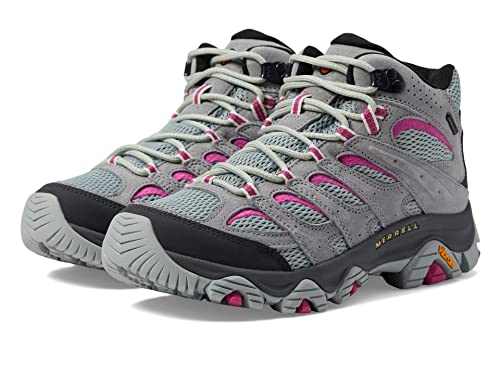
The Merrell Moab 3 Mid Waterproof is a strong all-around hiking boot for women. The Moab line has earned a loyal following because it feels ready for real trails without requiring a long, painful break-in. Its mid height helps protect the ankle, while the cushioned footbed supports steady day-long comfort. The waterproof build is useful when trails turn wet or muddy.
This boot is not a prescription solution for overpronation, yet its structured fit can feel more secure than a soft walking shoe. The roomy front gives the toes space, which matters when feet swell on long hikes. Merrell’s outsole is designed for outdoor traction and handles mixed surfaces well. I see it as a good choice for hikers who want comfort, grip, and a proven trail design in one package.
Pros:
- Comfortable design suits long day hikes
- Waterproof construction protects in wet weather
- Mid height adds ankle coverage on uneven ground
- Roomy toe area allows natural toe movement
- Durable outsole offers dependable trail grip
- Removable footbed allows insole customization
Cons:
- May feel warm in hot summer weather
- Stock footbed may not control severe pronation alone
- Some users may find the heel fit too broad
Men’s Orthopedic Hiking Boots With Arch Support

This men’s orthopedic hiking boot targets comfort for users with arch strain, plantar fasciitis, and tired feet. The built-in arch support gives the footbed a more guided feel than a flat casual boot. Its ankle height adds a little structure for walking on uneven ground. The navy and green design also looks less formal than many orthopedic shoes.
For overpronation, this type of footbed may help reduce the feeling that the arch collapses with every step. However, support should feel firm and helpful, not sharp or painful. I suggest wearing the boots indoors first and checking for pressure beneath the arch. They are a practical option for light hiking, camping, training, and work that involves standing.
Pros:
- Built-in arch support targets tired feet
- Useful for walking, camping, and indoor work
- Ankle boot design adds moderate foot stability
- Comfort-focused shape suits long periods of standing
- Can help reduce the need for a separate insole
- Protective upper works for everyday outdoor use
Cons:
- Arch shape may not match every foot
- Less suited to technical or rocky mountain trails
- Firm support may require a gradual break-in
Men’s Orthopedic Wide Hiking Boots

The wide orthopedic hiking boot is made for men who need more space across the forefoot. That extra room can help prevent cramped toes and side pressure during long walks. Its arch support is aimed at users who deal with flat feet, plantar fasciitis, or general foot fatigue. The ankle boot shape gives it more outdoor presence than a standard walking sneaker.
A wide platform can make a stable base, but only if the heel stays secure. I would pay close attention to heel lift when choosing the size. The supportive insole may work well for mild to moderate overpronation, especially during walking and easy hiking. This model is less attractive for narrow feet or highly technical trails where precise foot control matters most.
Pros:
- Wide fit gives the forefoot extra breathing room
- Orthotic support may ease arch and heel fatigue
- Useful for flat feet and long periods of standing
- Ankle coverage suits casual hiking and camping
- Comfortable option for wide-footed hikers
- Roomy interior can fit thicker hiking socks
Cons:
- May feel unstable on narrow feet
- Wide shape can allow heel movement if sizing is wrong
- Not ideal for technical scrambling or steep rock
Men’s Orthopedic Lightweight Hiking Boots
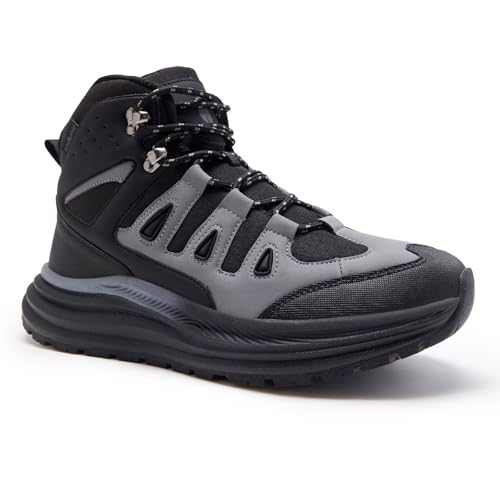
This lightweight orthopedic hiking boot is aimed at users who want support without a heavy feel. It blends a trail sneaker style with a higher ankle profile. The arch-focused footbed may help users who feel pain under the heel or midfoot. The black color also makes it easy to wear for walking, driving, training, and everyday errands.
Light weight is a real advantage when overpronation already makes your legs work harder. Still, I would not confuse a comfortable arch with full motion control. The boot works best on smooth trails, walking paths, and low-impact outdoor activities. It is a sensible pick for someone who wants a supportive daily shoe that can handle occasional hiking.
Pros:
- Light feel helps reduce walking fatigue
- Arch support targets common foot discomfort
- Versatile design works for walking and daily tasks
- Higher upper gives more coverage than a sneaker
- Good choice for easy trails and training
- Comfortable option for people who dislike stiff boots
Cons:
- Not as protective as a traditional hiking boot
- May lack enough control for severe overpronation
- Trail grip may be limited on wet or technical ground
KEEN Women’s Targhee 4 Mid Waterproof
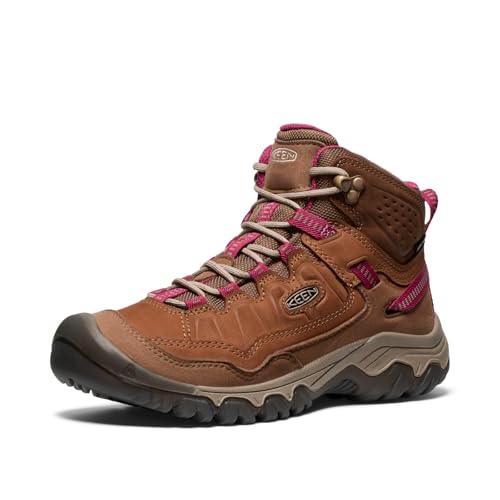
The KEEN Targhee 4 Mid is built for hikers who want a more protective, trail-ready boot. It has a mid-height profile, waterproof construction, and a roomy toe shape. That toe space lets the foot spread naturally while the boot still holds the heel and midfoot in place. The bison and Beaujolais colorway gives the boot a distinct outdoor style.
KEEN does not make this boot a medical correction product, but its stable build can suit hikers with mild overpronation. The footbed is removable, so you can test a prescribed or over-the-counter stability insole if needed. Its stronger construction makes it a better match for rougher trails than lightweight orthopedic walking boots. I would choose it for regular hikers who value protection, durability, and comfort over the lowest possible weight.
Pros:
- Roomy toe box supports natural toe movement
- Waterproof build suits wet and changeable weather
- Mid height adds ankle protection on rough trails
- Durable construction handles frequent outdoor use
- Removable footbed allows custom insole testing
- Strong choice for moderate and demanding day hikes
Cons:
- Heavier than lightweight trail shoes
- May need break-in time for a comfortable fit
- Stock support may not correct severe pronation
How Overpronation Affects Hiking Comfort
Overpronation happens when the foot rolls inward too far after it lands. A small amount of inward movement is normal and helps the body absorb impact. Too much movement can change how the ankle, knee, hip, and lower back line up. On a short walk, you may notice only tired feet. On a long hike, the same pattern can become arch pain, heel pain, shin soreness, or knee discomfort.
A hiking boot cannot change your bone structure or replace an assessment from a qualified clinician. It can, however, create a more stable platform. A firm heel counter can help the rear foot feel held in place. A supportive insole can spread pressure across the foot. A secure lace system can reduce sliding, which helps you keep better control on slopes.
When I review the best hiking boots for overpronation, I look beyond the word “orthopedic.” Marketing terms can sound impressive, but fit and function matter more. I check whether the boot holds the heel, whether the midsole feels stable, and whether the outsole grips the surfaces hikers actually use. I also consider whether the boot leaves enough room for swelling and hiking socks.
What to Look For in Hiking Boots for Overpronation
Arch support
Good arch support should feel steady, not like a hard lump pressing into one spot. People have different arch heights, so one insole cannot suit every foot. If the stock footbed feels flat, look for a removable design that allows an aftermarket stability insole. If you use custom orthotics, make sure the boot has enough interior volume.
Heel control
Heel control is one of the most important details for inward rolling. A firm heel counter can reduce side-to-side movement. The heel should stay in place when you walk uphill, but your toes should not touch the front. Use the heel-lock lacing method if the boot has a suitable upper eyelet. This small change can make a large difference.
Stable midsole
Very soft foam feels pleasant in a store, but it may let the foot sink and roll. A stable midsole usually feels balanced and supportive under the arch and heel. It should still offer enough cushioning to protect your feet from hard ground. For most day hikers, moderate firmness works better than an extremely hard platform.
Fit and width
Start with length, then check width and heel hold. Your longest toe should have about a thumb’s width of space in front. Try boots late in the day, since feet often swell after hours of activity. Wear your hiking socks during the fitting. A boot that feels perfect with thin socks may feel tight on the trail.
Outsole traction
Traction protects more than your feet. A slip can twist the ankle and force the knee to compensate. Look for a rubber outsole with lugs that match your terrain. Shallow lugs suit packed paths and pavement. Deeper, spaced lugs work better in loose dirt and mud. No outsole provides perfect grip on wet roots, polished rock, or ice.
Waterproofing and breathability
Waterproof boots help in rain and shallow puddles, but they can feel warm in summer. Breathable mesh may feel cooler but offers less defense against steady rain. Think about your local climate before choosing. If your feet sweat often, moisture-wicking socks may matter as much as the boot membrane.
How I Evaluated the Best Hiking Boots for Overpronation
I used a practical review method based on the needs of hikers with inward foot rolling. First, I compared the support claims with the actual design. A removable insole, firm heel counter, structured upper, and stable outsole usually tell me more than a broad comfort claim. I also separated medical support from general hiking stability, since they are not the same thing.
Next, I considered the terrain and use case. A person walking on a paved greenway needs a different boot from someone carrying a pack over rocky ground. Weight, waterproofing, toe room, ankle height, and break-in time all affect real comfort. I also looked at value, because a good hiking boot should earn its place through repeated use.
Reputable foot-care guidance supports a careful approach. The American Academy of Orthopaedic Surgeons and similar clinical organizations commonly stress proper fit, gradual activity changes, and professional care for ongoing pain. The American Podiatric Medical Association also highlights the importance of supportive, well-fitting footwear. These boots can support a healthy hiking setup, but they should not replace medical advice when pain persists.
How to Fit Hiking Boots for Inward-Rolling Feet
Put on the socks you use for hiking. Loosen the laces, slide your foot forward, and check whether you can place a finger behind the heel. Then move your foot back and lace the boot firmly around the midfoot. Walk down a slope or ramp if possible. Your toes should not hit the front, and your heel should not rise with each step.
Try both boots. Many people have one foot that is longer or wider than the other. Walk for at least ten minutes indoors before deciding. Pay attention to pressure under the arch, rubbing at the ankle, and movement at the heel. A supportive boot should feel like a firm handshake, not a clamp.
If you add an orthotic, remove the original insole first when the boot allows it. Do not stack insoles unless the manufacturer or a foot specialist says it is safe. Too much lift can reduce space and change your ankle position. Break in new boots with short walks before using them for a full-day hike.
Common Mistakes When Choosing Supportive Hiking Boots
The first mistake is choosing a boot only because it feels soft. Cushioning can feel great for a few minutes, yet a soft and unstable footbed may increase fatigue later. The second mistake is buying a very stiff boot for every type of trail. Stiffness helps with protection, but too much can make a casual path feel awkward.
Another common mistake is ignoring the heel. A wide toe box is helpful, but a loose heel can let the foot slide and roll. Some hikers also buy a size too small because they want a tight fit. Feet swell on long routes, so cramped toes can become painful fast. Finally, many people test boots on flat floors only. Always consider how the boot feels on an incline.
My Recommendation
Among these choices, the KEEN Women’s Targhee 4 Mid is my strongest all-around pick for hikers who want a durable, waterproof boot with a roomy toe box and a removable footbed. It gives you a solid base for a stability insole and offers better trail protection than the lighter orthopedic styles. For men who need a wide, supportive fit, the OrthoComfoot model is a practical choice for easy trails, work, and outdoor use.
The Merrell Moab 3 Mid Waterproof is another excellent option for regular day hikers who value comfort and dependable grip. The Columbia Newton Ridge models offer strong everyday value, especially for moderate trails and casual wear. NORTIV 8 is appealing when low weight and price matter most. The orthopedic models suit users who want built-in arch support, but fit remains personal.
| Best for | Why |
|---|---|
| Best overall trail use | KEEN Targhee 4 Mid offers protection, waterproofing, toe room, and insole flexibility. |
| Best for wide feet and arch support | OrthoComfoot gives a broad fit with an orthopedic-style footbed. |
| Best comfort and value | Merrell Moab 3 Mid balances cushioning, grip, waterproofing, and everyday durability. |
Care Tips to Extend Boot Life
Brush off dirt after each hike. Mud can dry into the seams and reduce flexibility. Use a damp cloth for normal cleaning, then let the boots dry at room temperature. Do not place them on a radiator or use high heat. Excess heat can damage adhesives, leather, foam, and waterproof layers.
Remove the insoles and laces when the boots need a deeper clean. This lets air reach the inside and helps prevent odor. Follow the care label for leather treatments or waterproof sprays. Do not apply a random oil or wax to a synthetic upper. The wrong product can block breathability or affect the finish.
Check the outsole before every long hike. If the lugs look smooth or the sole begins to separate, replace the boots. Also inspect the heel counter and midsole for collapse. A worn boot may no longer offer the stable platform that made it comfortable in the first place.
FAQs Of Best Hiking Boots for Overpronation
Can hiking boots correct overpronation?
Hiking boots cannot fully correct overpronation. They can offer a more stable base, better heel control, and room for a supportive insole. Severe or painful symptoms deserve an evaluation from a podiatrist or physical therapist.
Are wide hiking boots better for overpronation?
Wide boots can help if your feet need more room, but width alone does not control inward rolling. The heel must fit securely, and the midsole should feel stable. A boot that is too wide can allow unwanted movement.
Should I use orthotics in hiking boots?
You may use an over-the-counter or custom orthotic if it fits correctly and feels comfortable. Choose a boot with a removable footbed when possible. Remove the factory insole first unless a specialist recommends another setup.
How much room should hiking boots have?
Leave about a thumb’s width between your longest toe and the front of the boot. Your heel should stay secure, and your toes should not touch the front when walking downhill. Always test the boots with hiking socks.
Are waterproof boots good for overpronation?
Waterproofing does not control pronation by itself. It protects against wet conditions, while support comes from the fit, footbed, heel counter, and midsole. Choose waterproof boots when your climate and trail conditions require them.
Final Verdict: Which Should You Buy?
The KEEN Targhee 4 Mid is my top all-around choice, while OrthoComfoot is better for wide feet and built-in arch support. Merrell Moab 3 Mid is a close comfort-focused alternative.
The best hiking boots for overpronation should fit securely, support your arch, and match your trail. Start slowly, test your fit, and choose comfort you can trust.
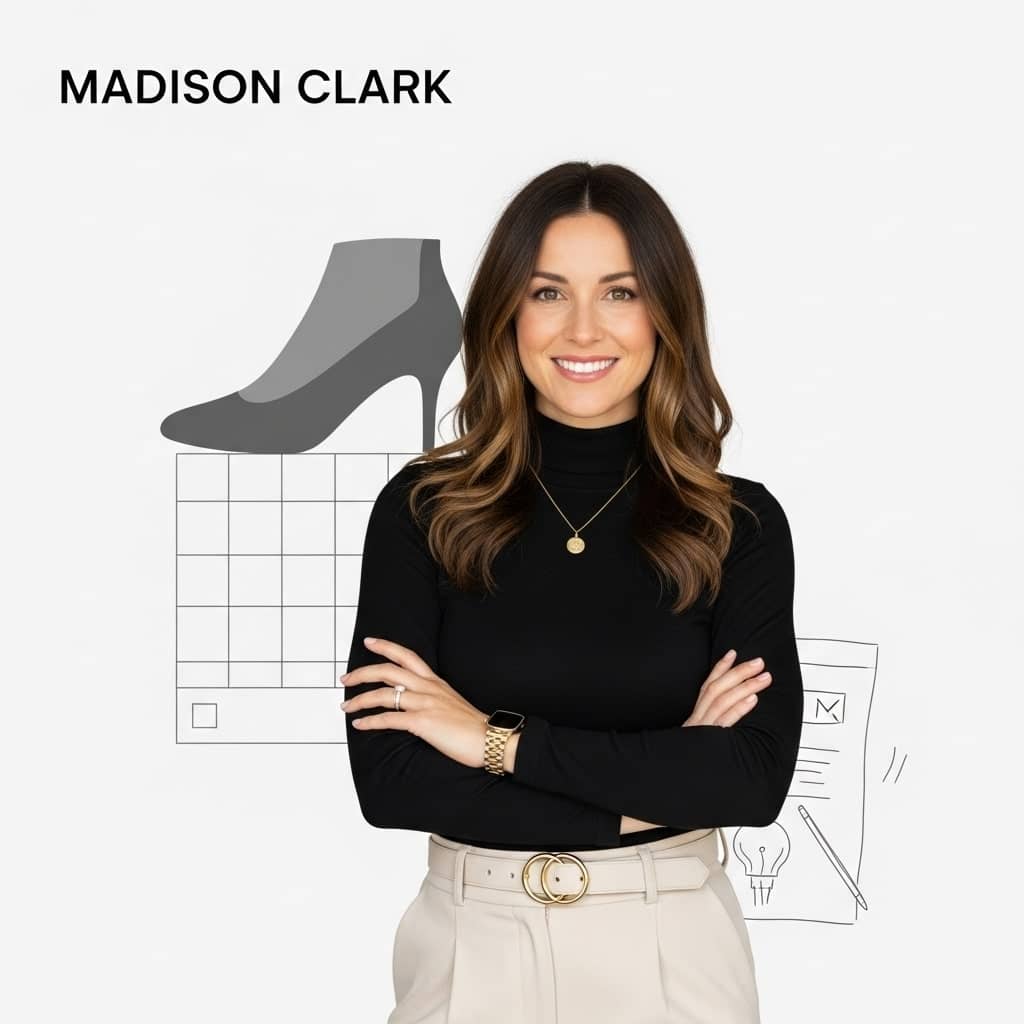
Madison Clark is a footwear expert and the voice behind MyStyleGrid.com. She specializes in honest shoe reviews, style tips, and practical guides to help readers find the perfect pair for any occasion. With years of experience in blogging and content creation, Madison makes footwear knowledge simple, stylish, and easy to follow.