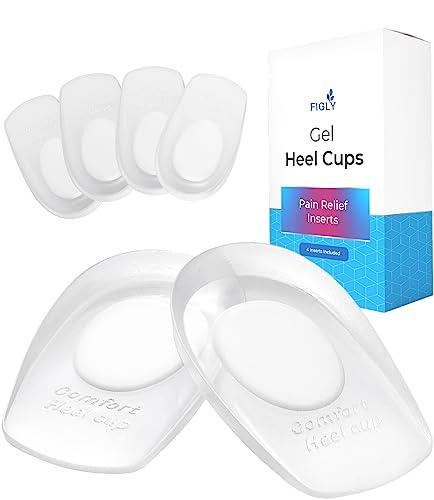
The best sandals for heel spurs combine firm arch support, soft cushioning, a stable sole, and a secure fit.
Heel spur pain can turn a short walk, beach trip, or shopping run into a real chore. I know how frustrating it feels when every step sends a sharp jolt through your heel. The right sandals cannot remove a bone spur, but they can reduce pressure, improve foot alignment, and make daily walking more comfortable. In this guide, I review supportive sandals and one useful heel insert so you can find comfort without giving up style.
TIKVAW Platform Sandals with Arch Support

The TIKVAW platform sandal is a strong pick for shoppers who want arch support with a little extra height. Its slide design makes it easy to put on, while the adjustable buckle helps you set a more secure fit. The raised footbed may help spread pressure across the foot instead of letting the heel take every impact. I also like the broad upper because it gives the foot more support than a very thin strap.
This sandal makes sense for errands, home wear, travel, and casual summer outfits. The platform sole offers some separation from hard floors, which can feel helpful when heel pain flares. Still, I would start with short periods of wear and check how your heel responds. A supportive sandal should feel steady, not force the arch into a painful position.
Pros:
- Built-in arch support for better foot alignment
- Adjustable buckle helps create a closer fit
- Platform sole adds distance from hard ground
- Slide style allows quick on-and-off use
- Broad upper helps hold the foot in place
- Casual design works with many warm-weather outfits
Cons:
- Platform height may feel less stable for some users
- Slides can move if the buckle is not adjusted well
- Arch shape may not suit every foot type
My Recommendation
I recommend the TIKVAW sandals for people who want a stylish slide with more structure than a flat flip-flop. They are especially useful for home use, quick errands, and casual walks on even ground. People with balance concerns may prefer a lower sandal with a fully secured heel. Among the best sandals for heel spurs, this pair stands out for its adjustable fit and platform cushioning.
| Best for | Why |
|---|---|
| Daily casual wear | The slide design is quick to use and easy to pair with simple outfits. |
| People who like extra height | The platform sole adds lift while still offering a supportive footbed. |
| Adjustable fit needs | The buckle lets you change the tightness around the foot. |
KuaiLu Recovery Sandals for Women

KuaiLu recovery sandals focus on soft cushioning and arch support in a simple slide format. They may appeal to people who want a relaxed sandal after a long day in work shoes. The thick sole can help soften contact with tile, concrete, and other hard surfaces. The wide slide shape also gives the toes room to rest without the squeeze found in narrow fashion sandals.
I see this model as a comfort-first option rather than a hiking sandal. It may work well after exercise, around the house, beside the pool, or during light errands. The purple color adds a fun touch, but fit matters more than color when heel pain is involved. Make sure the sandal does not slide forward or make you grip with your toes.
Pros:
- Soft recovery-style cushioning helps reduce impact feel
- Arch support may ease strain under the foot
- Easy slide design suits quick daily use
- Roomy upper can feel comfortable for tired feet
- Thick sole helps separate the heel from hard floors
- Light, casual style works well for home and travel
Cons:
- Open slides provide less heel security than strapped sandals
- Very soft cushioning may feel unstable for some users
- Not the best choice for uneven trails or long hikes
My Recommendation
I recommend these KuaiLu recovery slides for people who need easy comfort after standing, walking, or exercise. They are a practical choice for indoor use and short outdoor trips. Users who need firm motion control may want a more structured sandal or a shoe with a closed heel. As one of the best sandals for heel spurs, this pair offers a soft, easygoing feel at a casual price point.
| Best for | Why |
|---|---|
| After-work recovery | The cushioned footbed can feel soothing after hours on your feet. |
| Home and pool use | The slide format makes them quick to wear and remove. |
| Soft-feel comfort | The thicker sole helps cushion each step on firm floors. |
KuaiLu Lightweight Orthotic Flip Flops
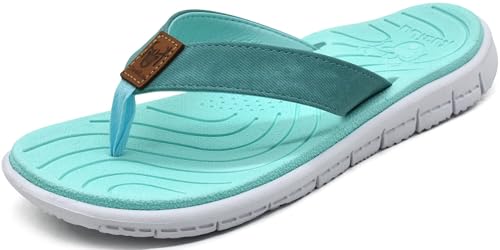
Many people with heel pain avoid flip-flops because thin, flat soles provide little support. This KuaiLu model takes a more supportive approach with an orthotic-style footbed and cushioning. The thong shape keeps the sandal light and easy to pack for vacations. It also gives you the familiar freedom of a flip-flop without the paper-thin sole found on many low-cost pairs.
The key point is fit. A thong sandal still asks the toes to help hold the shoe, so it may not suit someone with severe pain or weak foot control. I would use this pair for short walks, casual outdoor use, and travel rather than a full day of sightseeing. If the arch feels helpful and the heel stays centered, the design can be a convenient warm-weather alternative.
Pros:
- Orthotic-style footbed offers more support than basic flip-flops
- Lightweight design is easy to pack and carry
- Cushioned sole helps soften contact with hard ground
- Thong style keeps the foot cool in warm weather
- Simple design works for beach and casual settings
- Easy to slip on without buckles or straps
Cons:
- Toe post may bother people with sensitive skin
- Flip-flop design gives limited heel control
- Not ideal for long walks or uneven surfaces
My Recommendation
This KuaiLu pair is best for people who want a supportive flip-flop for short, easy outings. It can be useful on vacation, near the pool, or for quick trips outside. I would not choose it as the only sandal for someone with strong heel spur pain or a need for maximum stability. Still, it earns a place among the best sandals for heel spurs because it adds support to a lightweight thong format.
| Best for | Why |
|---|---|
| Travel packing | The lightweight shape takes up little room in a suitcase. |
| Short summer trips | The open design keeps feet cool while offering more support than flat flip-flops. |
| Flip-flop fans | The thong style keeps familiar ease without a very thin sole. |
shevalues Orthopedic Slide Sandals

shevalues orthopedic slides are designed for shoppers who want a simple sandal with a noticeable arch. The footbed aims to support the natural curve of the foot, while the cushioned sole helps make standing more pleasant. This type of design may help reduce the load placed on the heel during normal walking. The open upper also makes the sandal a good choice for warm days.
I like the practical slide shape for home chores, light errands, and relaxed weekends. It is easy to wear, but it still needs a secure fit to work well. If the sandal feels too loose, your toes may clench to keep it in place. Choose a size that lets your heel sit fully on the footbed and gives your toes room without excess movement.
Pros:
- Orthopedic-style footbed supports the arch
- Cushioning may improve comfort on hard floors
- Slide design makes daily wear simple
- Open construction allows air to reach the foot
- Useful for people who need easy on-and-off footwear
- Suitable for casual outfits and home use
Cons:
- Loose slides may lack enough heel control
- Firm arch support can take time to get used to
- Not designed for demanding outdoor activities
My Recommendation
I recommend shevalues slides for people who want an affordable orthopedic sandal for everyday comfort. They are especially useful for people who spend time standing at home or need a quick pair for errands. Those who walk fast or often use uneven ground may prefer a sandal with a back strap. For many shoppers, this is one of the best sandals for heel spurs when easy wear and arch support matter most.
| Best for | Why |
|---|---|
| Home standing | The cushioned footbed can make kitchen and household tasks easier on the feet. |
| Quick errands | The slide design saves time and does not require laces. |
| Warm-weather comfort | The open upper allows airflow while the footbed adds support. |
KuaiLu Women’s Orthotic Flip Flops

This KuaiLu orthotic flip-flop is aimed at people who want a thong sandal with a softer, more supportive base. The contoured footbed is the main feature to consider because it may help distribute pressure more evenly. A cushioned heel area can also make the first contact of each step feel less harsh. The open design keeps the foot cool and works well in summer.
Compared with a flat flip-flop, this style gives the foot more shape and support. However, it still has the limits of a thong sandal. I would use it for short walks and casual wear while choosing a closed walking shoe for long distances. It is also wise to break it in slowly because a new arch shape can feel unusual at first.
Pros:
- Contoured footbed gives the foot more structure
- Cushioned heel area may reduce impact discomfort
- Open design keeps feet cool in hot weather
- Lightweight style works well for travel
- Easy to wear for quick trips and casual use
- More supportive than many flat thong sandals
Cons:
- Toe post may rub during the first few wears
- Limited heel security makes it less suitable for long walks
- Arch height may not feel right for every user
My Recommendation
I recommend this model to shoppers who want the convenience of a flip-flop but do not want a flat sole. It suits beach trips, casual weekends, and short outdoor walks on smooth surfaces. People with severe heel pain should consider a more secure sandal and speak with a foot specialist if symptoms continue. As a contender for the best sandals for heel spurs, it balances summer style, cushioning, and basic orthotic support.
| Best for | Why |
|---|---|
| Casual summer wear | The open thong design feels cool and relaxed. |
| People leaving flat flip-flops | The shaped footbed offers more support than a simple flat sole. |
| Short walks | The cushioned base helps make brief trips more comfortable. |
COFACE Orthotic Flip Flops
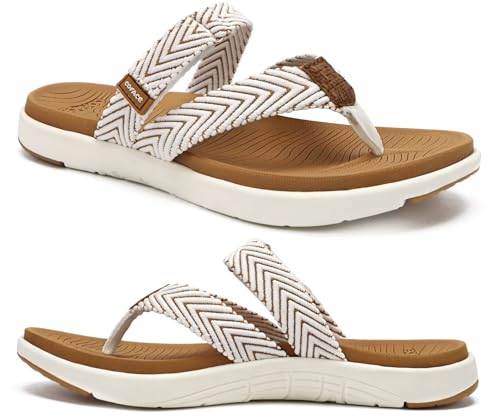
COFACE combines a classic thong look with an orthotic-style footbed. The white and brown color scheme gives the sandal a cleaner, more polished look than many sporty recovery pairs. Its arch support may help reduce stress through the plantar fascia and heel area during light walking. The cushioned base adds comfort without making the sandal look overly bulky.
This pair may suit someone who wants support for casual outfits, vacations, and warm-weather events. I would pay close attention to the toe post and strap during the first week. A sandal can have a good footbed but still fail if the upper rubs or the foot slides forward. For heel spur pain, use it as part of a wider plan that may include stretching, rest, and professional advice.
Pros:
- Orthotic-style arch support adds structure
- Polished color combination suits casual outfits
- Cushioned sole helps soften hard surfaces
- Open design keeps feet cooler in summer
- Easy thong format makes them quick to wear
- Useful alternative to sporty recovery footwear
Cons:
- Thong construction does not fully secure the heel
- Toe post may irritate sensitive skin
- Not intended for strenuous walking or trail use
My Recommendation
I recommend COFACE for people who want a more polished orthotic flip-flop. It is a good match for light walking, travel, and relaxed social plans where a sporty sandal may look out of place. It may not be the best fit for users who need a back strap or strong lateral support. Still, it deserves consideration among the best sandals for heel spurs because it blends support with a neat, everyday appearance.
| Best for | Why |
|---|---|
| Smart casual outfits | The neutral color mix looks more refined than a basic athletic slide. |
| Warm-weather travel | The open design keeps feet cool and packs easily. |
| Light support | The shaped footbed offers more help than a flat fashion sandal. |
Clarks Breeze SEA Sandal

The Clarks Breeze SEA is a practical choice for shoppers who value a familiar brand and a relaxed walking sandal. Its sporty design offers more coverage than a flip-flop, which can help the foot feel more secure. The adjustable straps allow you to fine-tune the fit around the foot. A flexible, cushioned sole can make normal daily walking feel less tiring.
This sandal is a better match for errands and casual walks than for dressy events. The extra straps may also help people who dislike the loose feel of slides. Even so, cushioning alone does not guarantee relief from a heel spur. I look for a stable footbed, enough room in the toe area, and a fit that keeps the heel from lifting with every step.
Pros:
- More secure multi-strap design than a basic flip-flop
- Adjustable straps help improve fit
- Sporty shape suits walking and errands
- Cushioned sole supports everyday comfort
- More foot coverage may improve stability
- Versatile blue-gray color is easy to match
Cons:
- Straps may require several adjustments
- May feel less soft than recovery-style sandals
- Sporty design may not suit formal clothing
My Recommendation
I recommend the Clarks Breeze SEA for people who want a more secure sandal for daily walking. It is particularly helpful for users who find slides unstable or who want adjustable straps. Those seeking a very deep arch or maximum heel cushioning may prefer an orthopedic recovery model. In my review of the best sandals for heel spurs, this pair stands out for its balanced mix of coverage, fit control, and brand familiarity.
| Best for | Why |
|---|---|
| Daily errands | The covered, strapped design feels more secure during normal walking. |
| Adjustable fit | Several straps help you fine-tune the sandal to your foot. |
| People avoiding flip-flops | The design offers more coverage and control than a thong sandal. |
REEF Cushion Vista Hi Platform Sandal

The REEF Cushion Vista Hi is for shoppers who want a fashion sandal with a cushioned footbed and platform look. It has a more modern shape than a typical orthopedic sandal, so it can move from casual daytime wear to a relaxed evening outfit. The soft footbed may reduce the harsh feel of each step. Its platform also adds height while keeping the sole more substantial than a flat sandal.
Platform shoes need careful attention because extra height can change balance. I would wear this pair on even ground and test it at home before taking it on a long day out. The wide upper may help hold the foot, but it does not replace a proper heel strap for every user. If style is a major concern, this sandal offers a useful middle ground between fashion and comfort.
Pros:
- Fashion-forward platform design
- Cushioned footbed helps soften step impact
- Arch support adds structure to a dressier sandal
- Wide upper may help keep the foot centered
- Works with casual dresses, shorts, and jeans
- Thicker sole helps shield the heel from hard ground
Cons:
- Platform height may reduce stability for some users
- Less suited to uneven ground or fast walking
- Fashion fit may not provide enough support for severe pain
My Recommendation
I recommend the REEF Cushion Vista Hi for people who refuse to choose between style and comfort. It works best for short outings, casual meals, and even indoor events on smooth floors. People with balance problems or severe heel symptoms should choose a lower, more stable sandal. For shoppers comparing the best sandals for heel spurs, this model offers the strongest fashion appeal with useful cushioning and arch support.
| Best for | Why |
|---|---|
| Fashion-conscious shoppers | The platform shape looks modern while the footbed adds comfort. |
| Short social outings | The sandal works well for casual events on even surfaces. |
| Extra sole protection | The thicker platform creates a buffer from hard ground. |
Pigskin Heel Support Cups

These pigskin heel cups are not sandals, but they can help shoppers who need extra heel cushioning. The cup shape is intended to cradle the heel and reduce direct contact with a shoe or sandal footbed. They may work with selected flats, high heels, and sandals that have enough room. Two pairs also make it easier to keep one set at home and another in a travel bag.
Fit is the most important issue with any heel insert. A cup that shifts, bunches, or makes the shoe too tight can increase discomfort instead of helping. Open sandals may not hold an insert in place as well as closed shoes, so check compatibility before use. I view these as a useful add-on, not a replacement for supportive footwear or medical care.
Pros:
- Adds a layer of cushioning beneath the heel
- Heel cup shape may help center the heel
- Can complement supportive shoes and selected sandals
- Two-pair format offers a convenient spare
- Useful for people who need targeted heel support
- May help reduce the feel of hard heel contact
Cons:
- May not stay in place in open sandals
- Can make a snug shoe feel too tight
- Does not correct the cause of a heel spur
My Recommendation
I recommend these heel cups for people who already own sandals or shoes that fit well but need more heel cushioning. They are best used in footwear with enough internal space and a stable footbed. I would not place them in a loose flip-flop unless the design can hold them securely. For the best sandals for heel spurs, these inserts work as a possible comfort aid rather than a stand-alone solution.
| Best for | Why |
|---|---|
| Extra heel cushioning | The cup adds targeted padding beneath the heel. |
| Existing footwear | They may improve a comfortable shoe without buying a new pair. |
| Travel spares | Two pairs let you keep an extra set ready for use. |
How I Choose the Best Sandals for Heel Spurs
Heel spur pain often overlaps with plantar fasciitis, tendon strain, or general heel irritation. A spur itself may not cause pain. In many cases, the pain comes from nearby soft tissue that becomes stressed or inflamed. That is why a good sandal should reduce load and improve comfort rather than make promises about removing the spur.
I start with the footbed. A useful footbed should have a clear but comfortable arch shape, a stable base, and enough cushioning under the heel. Too little support lets the foot flatten and may increase strain. Too much or poorly placed support can feel like a hard lump under the arch.
I also check heel stability. A back strap or secure upper can stop the foot from sliding. This matters because loose slides and thin flip-flops may make the toes grip the sole. That gripping action can add stress to the bottom of the foot. The best sandals for heel spurs should stay on the foot without constant effort.
Next, I look at the sole. A sandal needs enough thickness to absorb some shock, but a very soft sole may wobble. A firm, flexible sole often gives a better mix of comfort and control. The sole should bend near the toes, not fold in the middle of the arch.
Finally, I consider fit and use. A sandal for a quick trip does not need the same design as one for a full day of walking. Your heel should sit on the rear part of the footbed, and your toes should not hang over the edge. Leave a small amount of space at the front without letting the foot slide.
What Features Help Heel Spur Comfort?
Arch support
Arch support can help spread pressure across the foot. It may also limit excessive flattening during a step. The support should feel steady and natural, not sharp. If the arch hurts after a few minutes, the shape may not match your foot.
Heel cushioning
Cushioning can soften the impact that travels through the heel. Look for a footbed that feels padded but does not collapse under your weight. Foam, rubber, and other materials can work well when the sole remains stable. A soft heel alone cannot fix poor alignment.
Secure straps
Straps help keep your foot over the supportive part of the footbed. Adjustable straps are useful when feet swell during the day. A rear strap can offer more control than a simple slide. Make sure no strap rubs the skin or presses on a tender area.
Wide toe room
Your toes need room to spread and rest. A narrow front can change how you walk and push pressure toward the heel. Wide does not mean loose. The sandal should give space without allowing the foot to move from side to side.
Low, stable height
A modest heel or platform may feel comfortable for some people, but high shoes can affect balance. People with heel pain often do best with a stable, low profile. If you choose a platform sandal, test it indoors first. Avoid a height that makes you feel unsure on stairs or uneven ground.
Sandals to Avoid When Your Heel Hurts
Very flat sandals are often a poor choice for ongoing heel pain. They may have little arch support and almost no protection from hard ground. Thin flip-flops can also make the toes grip the sole. That may be fine for a short trip to the mailbox, but not for hours of walking.
Loose slides can cause a different problem. If the foot keeps moving, you may change your stride or clench your toes. High heels place more pressure toward the front of the foot and can affect calf and heel tension. A narrow sandal may rub the foot and make you walk in an unnatural way.
I also avoid sandals that fold in half at the arch. A sandal should flex where the toes bend while keeping the middle of the foot supported. If you can twist the sole like a towel, it may not provide enough control. Comfort should feel stable, like a bridge, rather than soft and shaky like a pillow.
How to Break In Supportive Sandals
Start by wearing new sandals for 15 to 30 minutes at home. Check your heel, arch, toes, and straps after you remove them. Mild awareness can be normal, but sharp pain or numbness is a warning sign. Do not push through strong pain in the hope that the sandal will become comfortable.
Increase wear time slowly over several days. Use socks at home if the material rubs, then test the sandal with bare feet later. Adjust straps during the day because feet may swell. Keep the first outdoor walk short and stay on level ground.
Look at your skin after each test. Red marks that fade soon may show pressure, while blisters or lasting soreness mean the fit needs attention. A sandal that feels good for five minutes may not feel good after two hours. Slow testing helps prevent a small fit issue from becoming a larger problem.
Heel Spur Care Tips That Pair With Supportive Sandals
Supportive footwear works best with simple foot-care habits. Gentle calf and plantar fascia stretches may help some people, but you should stop if the pain worsens. Rest after long periods of standing and avoid sudden increases in walking. Ice may provide short-term comfort for some users when applied safely.
Body weight, activity level, foot shape, and old injuries can all affect heel pain. A sandal cannot address every cause. If pain lasts, returns often, or affects your normal walk, seek advice from a qualified health professional. The American Academy of Orthopaedic Surgeons and other medical groups commonly recommend evaluation when symptoms do not improve with basic care.
A podiatrist or physical therapist can check your gait and recommend exercises, inserts, or other treatment. This is especially important if you have diabetes, numbness, swelling, or a history of foot injury. Do not use a product review as a diagnosis. The best sandals for heel spurs should support your care plan, not replace it.
How to Get the Right Sandal Size
Measure both feet near the end of the day, when swelling is more likely. Use the larger foot when choosing a size. Check the brand chart because sizes can vary between models. Your heel should rest fully on the footbed, and your toes should not extend beyond the front.
Try sandals while standing. Your foot spreads under body weight, so a seated fit can seem more generous than it really is. Walk on a clean indoor floor and notice whether your foot slides. If you must grip with your toes, the sandal may be too loose or the design may not suit you.
Pay attention to width as well as length. A narrow sandal can press the forefoot and change your stride. A very wide sandal can move under the foot and reduce stability. The best sandals for heel spurs should feel secure with relaxed toes and an even step.
Are Recovery Sandals Better Than Flip-Flops?
Recovery sandals often have thicker soles, more cushioning, and a shaped footbed. These features may make them more comfortable than flat flip-flops for people with heel pain. They can still feel unstable if the sole is too soft or the sandal is too loose. Personal fit remains more important than the label “recovery.”
Flip-flops offer excellent convenience and airflow, but many lack heel control. Orthotic-style flip-flops improve on that design by adding a contoured footbed. Even then, the toe post and thong shape may not work for everyone. Choose them for short, easy walks unless you already know they support your feet well.
FAQs Of Best Sandals for Heel Spurs
Can sandals help heel spur pain?
Supportive sandals may reduce pressure and impact, which can make walking more comfortable. They do not remove a heel spur or treat every cause of heel pain. Choose a stable footbed, useful arch support, and a secure fit.
Should I wear flip-flops with a heel spur?
You can wear supportive flip-flops for short periods if they fit well and feel comfortable. Avoid thin, flat pairs and long walks in any thong sandal. Stop using them if your toes grip, your heel slides, or pain increases.
Is a soft sandal best for heel spurs?
Soft cushioning can reduce the harsh feel of each step, but too much softness may reduce stability. Look for a sandal that combines cushioning with a firm, supportive base. Comfort should remain steady when you stand and walk.
Do heel cups work in sandals?
Heel cups may add cushioning when the sandal has enough room and can hold the insert in place. They may shift in open designs. Test the fit indoors before using them for a longer walk.
When should I see a doctor for heel pain?
Seek medical advice when pain is severe, lasts for several weeks, changes your walk, or comes with swelling, numbness, or injury. People with diabetes should take foot symptoms seriously. A professional can check the cause and suggest safe treatment.
Final Verdict: Which Should You Buy?
For most shoppers, I would start with the Clarks Breeze SEA for its secure straps and daily walking comfort. The TIKVAW and shevalues models suit easy casual wear, while KuaiLu pairs offer soft recovery comfort. REEF is best for style, and heel cups add targeted cushioning.
The best sandals for heel spurs should feel stable, supportive, and easy to wear. Choose by fit, walking needs, and pain level, then seek care if symptoms continue.

Madison Clark is a footwear expert and the voice behind MyStyleGrid.com. She specializes in honest shoe reviews, style tips, and practical guides to help readers find the perfect pair for any occasion. With years of experience in blogging and content creation, Madison makes footwear knowledge simple, stylish, and easy to follow.