The best sandals for weak ankles offer firm heel support, secure straps, and a stable sole for safer daily walking.
If your ankles feel shaky on uneven paths, a loose sandal can make every step feel uncertain. I know how frustrating it is to trade summer comfort for stiff shoes or bulky braces. The right pair should hold your foot in place without pinching, sliding, or forcing your ankle to work too hard. In this guide, I review eight sandals with useful features such as ankle straps, arch support, cushioned footbeds, wedges, and orthopedic design. I also explain which styles suit walks, dressy events, travel, and extra ankle control.
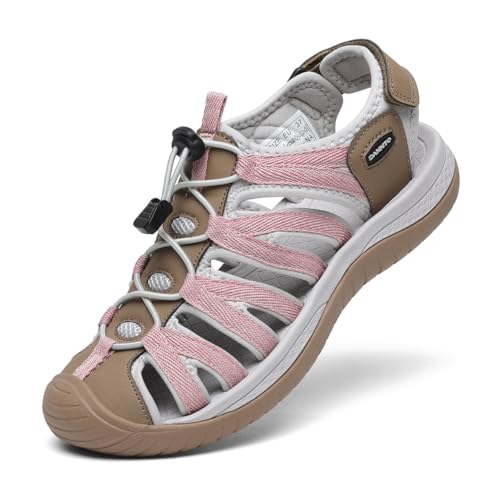
YESWIN Arch Support Walking Sandals

The YESWIN walking sandal is the strongest all-around pick in this group for casual summer use. Its arch-support design aims to spread pressure across the foot instead of leaving the heel and ankle to absorb every shock. The open toe keeps air moving, while the ankle strap helps reduce unwanted foot movement.
I like this style for errands, short walks, beach trips, and daily wear. The non-slip outsole may help you feel more secure on dry indoor floors and firm outdoor paths, though no sandal can prevent every slip. People with very sensitive feet should take time to adjust the straps and wear the sandals for short periods first.
Pros:
- Adjustable ankle strap helps improve foot security
- Arch support may ease pressure during walks
- Open-toe design keeps feet cooler in warm weather
- Non-slip outsole suits casual daily use
- Sporty look works with shorts, jeans, and beach clothing
- Useful choice for people who dislike fully closed shoes
Cons:
- Arch shape may not match every foot
- Open sides offer less protection than a closed shoe
- May need a short break-in period
My Recommendation
I recommend the YESWIN sandals for shoppers who want one practical pair for walking, errands, and travel. They combine an ankle strap, arch support, and a traction-focused sole in a simple design. Among the best sandals for weak ankles, this pair offers the best balance of support and everyday comfort. Check the size chart carefully, especially if your feet are wide or your ankles swell.
Alicegana Bohemian Elastic Ankle Sandals

The Alicegana Bohemian sandal takes a softer, more relaxed approach to ankle support. Its elastic ankle strap can create a close fit without the feel of a hard buckle. The flat profile may appeal to anyone who wants a low-to-the-ground shoe for summer outfits.
This sandal looks more polished than a basic sport sandal, so it can move from lunch to sightseeing with ease. The elastic design may feel comfortable for normal ankles, but it does not provide the same control as a firm brace or wide adjustable strap. I would choose it for mild ankle weakness, not for a recent sprain or serious instability.
Pros:
- Elastic ankle strap gives a flexible fit
- Flat sole helps limit the risk linked to high heels
- Bohemian styling suits dresses, skirts, and casual clothing
- Light design feels easy to pack for travel
- Open construction supports airflow on hot days
- Good option for dressy casual events
Cons:
- Elastic strap offers less control than a locking buckle
- Flat footbed may lack enough arch support for some users
- Not the best choice for rough trails or major ankle weakness
My Recommendation
I suggest the Alicegana pair for women with mild ankle weakness who value style and a soft, flexible fit. It is a better match for dinners, travel, and easy walks than demanding outdoor use. If you need the best sandals for weak ankles with firm motion control, look at the YESWIN or Memo options instead. This pair remains a good value when comfort and appearance matter most.
SHIBEVER Wedge Platform Sandals

The SHIBEVER wedge sandal adds height while keeping the heel and forefoot on one continuous platform. That shape can feel steadier than a narrow high heel because it reduces the sharp pitch between the front and back of the foot. Its wide platform also gives the foot a larger base than many dress sandals.
Still, any raised sole can change your balance and increase the effect of a misstep. I would use this pair on smooth floors, paved sidewalks, and short outings rather than loose gravel or wet ground. The ankle strap is helpful, but it cannot replace a medical ankle brace for serious instability.
Pros:
- Platform wedge provides a broad base under the foot
- Ankle strap helps keep the sandal from sliding
- Dressy shape works for parties and summer events
- Offers height without a thin stiletto heel
- Open design allows airflow
- Good choice for users who want a fashionable lift
Cons:
- Raised sole may feel unsafe for severe ankle weakness
- Platform can feel heavy during long walks
- Less suitable for uneven trails and wet surfaces
My Recommendation
The SHIBEVER wedge is best for someone with mild ankle concerns who still wants a dressy shoe with a wider base. I would not call it the safest option for a weak ankle, but it is more stable than a narrow heel for controlled settings. Wear it first at home and test your balance before a long event. It can serve as one of the best sandals for weak ankles only when the wearer already feels steady in a wedge.
syztsho Chunky Wedge Ankle Strap Sandals

The syztsho sandal focuses on fashion, height, and a chunky wedge shape. Its ankle strap adds a useful point of contact around the ankle, while the platform design may feel more planted than a slim heel. The knotted upper gives the shoe a dressy look for warm-weather outfits.
This is a style pick, not a therapeutic sandal. The thicker sole may reduce the feeling of standing on a tiny heel, but it can also make the sandal less flexible and harder to control on uneven ground. I would reserve it for short periods and choose a flat, supportive shoe for long walks.
Pros:
- Chunky wedge offers more surface area than a narrow heel
- Ankle strap supports a closer fit
- Knotted upper creates a stylish dressy look
- Platform design provides noticeable height
- Works with dresses, wide-leg pants, and summer outfits
- Useful for events where appearance matters
Cons:
- Heel height may challenge people with unstable ankles
- Not designed as an orthopedic support sandal
- May feel bulky during extended walking
My Recommendation
I recommend the syztsho sandal only for users with mild weakness who are already comfortable in platform shoes. It may work for a wedding, dinner, or indoor event, but it is not my first choice for daily support. People searching for the best sandals for weak ankles should place stability above height. If you buy this pair, practice indoors and keep walking distances modest.
SHIBEVER Flat Arch Support Sandals

The SHIBEVER flat sandal is a strong candidate for shoppers who want a dressy look without a raised heel. Its arch-support construction may help the foot feel less flat and tired during routine use. The low profile also keeps the center of gravity closer to the ground than a wedge or platform.
I see this as a useful middle ground between a basic fashion sandal and a sport sandal. It may suit shopping, light walking, lunch, and vacation use on even surfaces. As with all arch-support footwear, the shape must match your foot; too much or too little support can cause pressure in the wrong place.
Pros:
- Flat design supports a more natural walking position
- Arch support may improve comfort during daily wear
- Dressy style fits casual and semi-formal clothing
- Lower sole can feel steadier than a high wedge
- Open upper helps reduce heat and moisture
- Good option for users who avoid heels
Cons:
- Arch height may not suit every foot shape
- May offer less ankle hold than a full sport sandal
- Not intended for technical hiking or rough terrain
My Recommendation
The SHIBEVER flat sandal is best for someone who wants arch comfort, a low sole, and a neat appearance. I would choose it over a wedge when ankle balance is the main concern. It is one of the better best sandals for weak ankles choices for daily errands and light travel, especially for people who dislike athletic styling. Try it indoors first to confirm that the arch feels supportive rather than sharp.
Corkys Volta Low Wedge Sandal

The Corkys Volta stands out with a modest two-inch cork wedge, adjustable ankle strap, and EVA cushioned insole. Cork has a light feel and can provide a firm platform under the foot. The adjustable strap lets you fine-tune the fit instead of relying on a loose slip-on design.
This sandal may appeal to people who need a little lift but do not want a tall heel. The peep-toe shape gives it a polished look, while the cushioned insole may make standing more pleasant. I would still use care on slopes, cobblestones, and wet surfaces because the wedge raises the foot and can affect balance.
Pros:
- Adjustable ankle strap supports a secure fit
- Two-inch wedge is lower than many platform styles
- EVA insole adds a layer of cushioning
- Cork wedge can feel light under the foot
- Peep-toe design looks polished and versatile
- Works well for casual office wear and events
Cons:
- Still less stable than a flat sandal for some users
- Two-inch height may not suit severe ankle weakness
- Toe opening may allow forward foot slide in some sizes
My Recommendation
I recommend the Corkys Volta for mild ankle weakness and shoppers who want a supportive-feeling dress wedge. The adjustable strap and EVA footbed give it more practical value than a simple slip-on. It is not a medical device, but it may be a comfortable choice for short daily wear. For the best sandals for weak ankles, select this pair only if you already walk well in a low wedge.
Alicegana Jeweled Bohemian Flat Sandals

The Alicegana jeweled sandal brings vacation style to a flat, easy-wearing design. Its elastic ankle strap helps the sandal stay close to the foot, while the open upper keeps the look light. Decorative details make it suitable for weddings, dinners, cruises, and beach resorts.
Because it is flat, this sandal avoids the extra height found in wedge styles. That can make walking feel simpler for people who prefer a low sole. However, the decorative upper and elastic strap may not provide enough structure for an ankle that rolls often or needs strong side-to-side control.
Pros:
- Flat sole supports a low center of gravity
- Elastic ankle strap offers flexible contact
- Jeweled details suit weddings and special events
- Light style packs well in a suitcase
- Open construction helps feet stay cool
- Pairs easily with dresses and resort clothing
Cons:
- Limited structure for major ankle instability
- Decorative details may need careful handling
- Flat footbed may not provide enough arch support
My Recommendation
This Alicegana sandal is best for style-focused shoppers with mild support needs. I like it for a vacation dinner or a short event where a flat shoe feels safer than a heel. It is not my top pick for long walks, uneven paths, or recovery after an ankle injury. Among the best sandals for weak ankles, it earns its place as a dressy, low-profile option.
Memo Joanna Orthopedic Ankle Brace Sandal

The Memo Joanna is the most specialized sandal in this review. It uses an orthopedic corrective design with ankle-brace features, making it different from ordinary summer footwear. This type of construction may help guide foot position and offer more control for people with specific support needs.
I would treat this sandal as a medical-style product, not a casual fashion purchase. Fit matters greatly, and the correct size may depend on foot shape, ankle position, and the advice of a qualified clinician. If a doctor or physical therapist has recommended corrective footwear, this model deserves close attention, but casual buyers should not assume it will solve every ankle problem.
Pros:
- Orthopedic design offers more structure than fashion sandals
- Ankle-brace construction may improve foot control
- Useful for certain alignment and support needs
- Open sandal form may feel cooler than a closed brace
- May suit children or young users needing corrective footwear
- Provides a focused option beyond ordinary arch support
Cons:
- Requires careful sizing and fit assessment
- Orthopedic shape may look less casual or fashionable
- Not suitable for every adult foot or ankle condition
- Should not replace professional medical guidance
My Recommendation
The Memo Joanna is best for a user whose clinician has identified a need for corrective ankle support. It may be the most purposeful option here, but only when the design matches the wearer’s condition. I would not buy it based on the phrase best sandals for weak ankles alone. Ask a podiatrist, orthotist, or physical therapist if you need brace-level control, and verify sizing before ordering.
What Makes the Best Sandals for Weak Ankles?
Weak ankles can mean different things. Some people have mild fatigue after standing. Others have a history of sprains, poor balance, joint pain, or a medical condition that affects stability. The best sandal for one person may feel wrong for another, so I focus on features that support a steady step without making broad medical promises.
First, look for a secure heel and ankle fit. An adjustable ankle strap is often more useful than a loose slip-on upper because it limits sliding. A strap should feel snug, not tight. You should be able to place a finger under it without seeing deep marks on the skin.
Next, inspect the sole. A stable sole should resist easy twisting and should sit flat when you place it on a table. Deep flex at the ball of the foot is normal, but the middle of the sandal should not fold like a thin card. A broad base can also help you feel more planted.
Arch support matters, but more is not always better. A support bump should meet the arch rather than press into the heel or center of the foot. If you feel a sharp spot, numbness, or burning, stop wearing the sandal and reassess the fit.
Traction is another key point. A rubber or textured outsole can help on dry surfaces, but tread does not make a shoe slip-proof. Wet tile, polished stone, sand, and leaves can challenge even a good outsole. I always take short steps and avoid rushing when the ground is slick.
How I Evaluated These Sandals
I compared the sandals by looking at support, strap design, sole height, likely use, and fit flexibility. I also separated everyday sandals from dress wedges and orthopedic footwear. This matters because a sandal that looks stable in a photo may still feel difficult on a real sidewalk.
I gave extra weight to low soles, secure ankle straps, arch support, and broad platforms. I gave less weight to decoration and height because those features do not directly improve ankle control. Product names and listings can change, so confirm the current size range, colors, materials, and return terms before purchase.
My advice also follows basic foot-care principles. A sandal should not cause pain, rubbing, numbness, or a change in your walking pattern. If you have repeated ankle sprains, swelling, severe pain, numbness, or trouble bearing weight, footwear alone may not be enough.
Key Buying Factors for Ankle Stability
Choose a Secure Strap System
An ankle strap can act like a small seat belt for the foot. It does not lock the joint, but it can reduce heel lift and help stop the sandal from drifting. Adjustable straps are best when your feet change size during the day or when you need room for mild swelling.
Elastic straps feel soft and easy, but they may not offer firm control. Buckles usually allow more precise adjustment. A strap across the forefoot can also help, since ankle security means little if your toes must grip the sole to keep the sandal on.
Prefer a Low or Moderate Heel
High heels move body weight toward the front of the foot and can make balance harder. A flat sandal often feels safer, but an extremely thin flat may provide little cushioning or support. A low wedge can work for some people because it creates a gradual slope and a wider base.
If your ankles feel weak, start with a flat or low platform. Test the sandal indoors. Walk, turn, and stand on one foot near a counter. If the shoe makes you wobble, it is not the right choice for a long outing.
Check the Footbed and Arch Shape
A footbed should support the heel, arch, and ball of the foot without forcing any area into an unnatural position. Cushion can soften impact, but cushion alone does not equal support. A soft sandal can still let the foot roll if the sole lacks structure.
People with plantar heel pain may prefer a supportive footbed, but ankle weakness and heel pain are not the same issue. Choose based on your main need. A podiatrist can help if pain lasts or returns.
Look for a Grippy Outsole
Good traction helps your foot stay in contact with the ground. Look for visible tread and a material that does not feel slick in your hand. Still, test new sandals on a clean, dry floor before wearing them outside.
Do not use fashion wedges for hikes, wet docks, or rough trails unless the maker clearly designs them for that use. The best sandals for weak ankles should match the surface and activity, not just the outfit.
Get the Right Size
Your toes should not hang over the front edge. Your heel should sit inside the rear edge without sliding off. The widest part of your foot should rest over the widest part of the footbed.
Measure both feet late in the day, when feet may be slightly larger. Use the larger measurement when choosing a size. If one foot is much wider or your ankles swell, an adjustable model usually gives you more comfort than a fixed fashion sandal.
Best For Comparison Table
| Best for | Why |
|---|---|
| Daily walks and errands | YESWIN combines arch support, an ankle strap, and a traction-focused sole. |
| Dressy low-heel comfort | SHIBEVER Flat offers a low profile, arch support, and a neat look. |
| Clinician-guided orthopedic support | Memo Joanna provides a corrective ankle-brace design for specific needs. |
Which Sandal Style Is Safest?
For many people with mild ankle weakness, a flat sandal with a secure ankle strap is the safest place to start. It keeps the foot close to the ground and reduces the balance demand of a tall heel. A structured sport sandal can work even better when you need more hold and traction.
A low wedge may suit a person who feels stable in moderate height. A high platform or chunky heel may look broad, but height still changes balance. I would never choose a tall sandal simply because it has a thick sole.
Orthopedic sandals need a separate approach. If the sandal includes corrective features, the wearer should confirm that the design suits the condition. The Memo Joanna may be appropriate for a prescribed need, while the other sandals are general footwear choices.
How to Break In New Sandals
Start with 15 to 20 minutes indoors. Check your heel, ankle, toes, and the top of your foot for red marks. If the sandal feels fine, add a little time each day.
Do not wait for a painful blister to prove that a strap is wrong. A small friction spot can become a major problem during travel. Soft socks can help with some sandals, but they may also change the fit, so test the full setup before leaving home.
Keep your first outdoor walk on a smooth, familiar path. Avoid stairs, slopes, wet floors, and crowded areas until you know how the sandal responds. This simple test can prevent a great deal of trouble.
Safety Tips for Weak Ankles
Even the best sandals for weak ankles cannot replace strength work, balance training, or medical care. Hold a rail on stairs and avoid walking fast on uneven ground. If your ankle feels tired, sit down before your step becomes unstable.
Look at the sole from time to time. Replace sandals when the tread wears smooth, the footbed collapses, or the straps stretch out. Worn footwear can change how your foot lands and may increase fatigue.
If you have a recent injury, ask a health professional when it is safe to wear open footwear. Seek medical care for severe swelling, deformity, intense pain, numbness, or an inability to bear weight. Repeated rolling deserves attention rather than repeated trial and error with shoes.
FAQs Of Best Sandals for Weak Ankles
What are the best sandals for weak ankles?
The best options usually have a secure ankle strap, a stable sole, useful traction, and a supportive footbed. For general daily use, the YESWIN sandal is the strongest all-around choice in this review. People with specific orthopedic needs should seek professional guidance before buying.
Are flat sandals better for weak ankles?
Often, yes. A flat or low sandal keeps the foot closer to the ground and may make balance easier. However, a very thin, flexible flat sandal may lack support, so choose one with a firm sole and a secure fit.
Can I wear wedge sandals with weak ankles?
You may be able to wear a low wedge if you already feel steady in it. Start with short use on smooth, dry surfaces. Avoid tall wedges if your ankle rolls, your balance is poor, or you recently suffered an injury.
Should sandals for weak ankles have arch support?
Arch support can improve comfort and help distribute pressure, but it does not directly stabilize every ankle. The support must match your foot. If the arch feels sharp or causes pain, choose another shape.
Can sandals replace an ankle brace?
No. A sandal may improve fit and comfort, but it does not provide the same control as a prescribed brace. If you need brace-level support, ask a podiatrist or physical therapist which design fits your condition.
Final Verdict: Which Should You Buy?
The YESWIN is my top pick for most shoppers because it combines an ankle strap, arch support, and a useful walking sole. The Memo Joanna is better for clinician-guided orthopedic needs.
Choose the best sandals for weak ankles by fit, sole stability, and your daily terrain. Start slowly, measure carefully, and seek care when weakness causes pain or repeated falls.
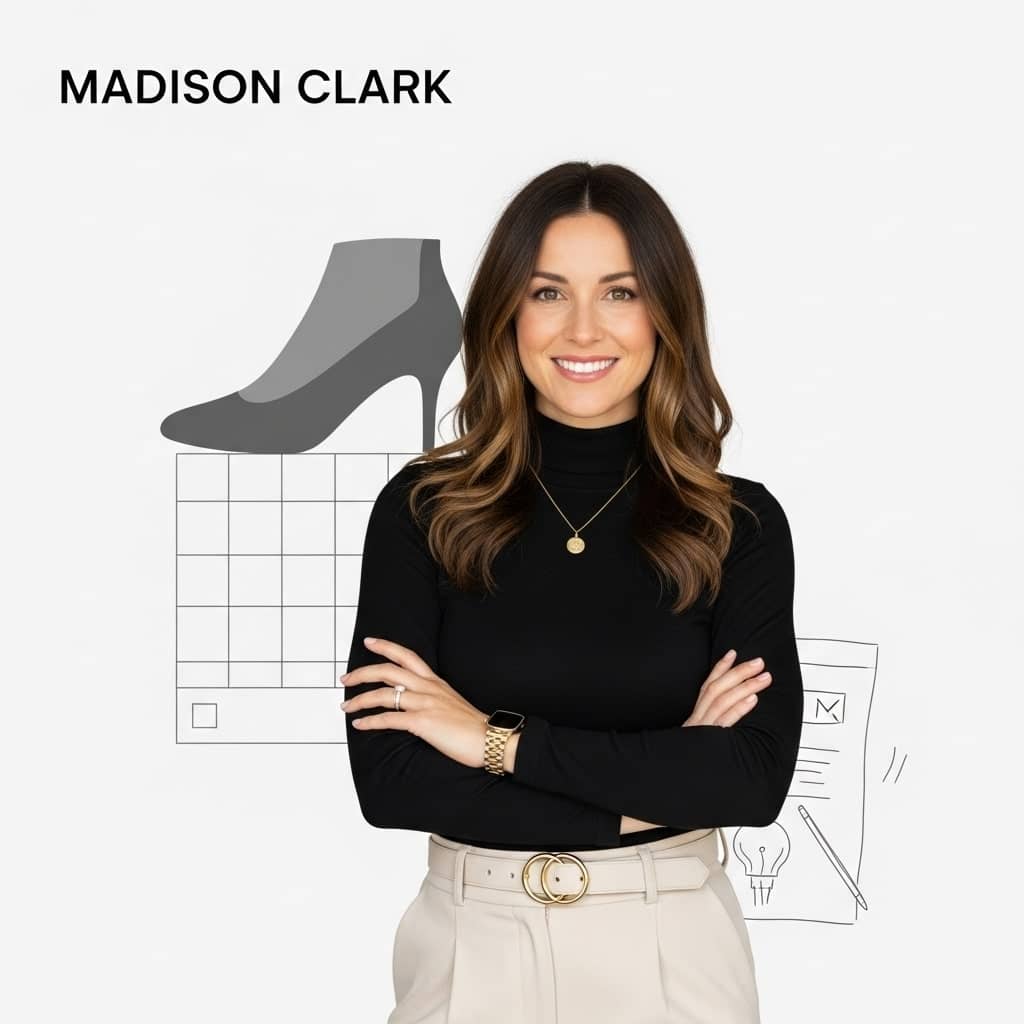
Madison Clark is a footwear expert and the voice behind MyStyleGrid.com. She specializes in honest shoe reviews, style tips, and practical guides to help readers find the perfect pair for any occasion. With years of experience in blogging and content creation, Madison makes footwear knowledge simple, stylish, and easy to follow.