The best sandals for overpronation women’s feet offer firm arch support, stable soles, and secure adjustable straps.
If your feet roll inward when you walk, a warm day can bring more than fresh air. Long walks may lead to tired arches, sore heels, or aching knees. I know how frustrating it feels to choose open shoes and then regret it by noon. The right sandal can act like a steady bridge under your foot. It will not correct every gait issue, but it can reduce strain and improve comfort. In this guide, I review supportive women’s sandals for walking, errands, travel, and recovery. I also explain what to look for, what to avoid, and which pair may fit your daily needs.
LLSOARSS Plantar Fasciitis Sandal
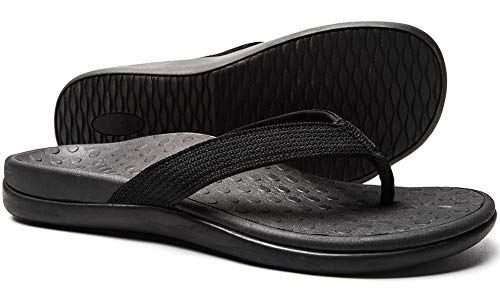
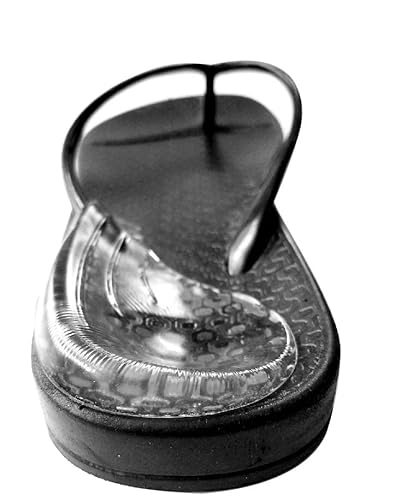
The LLSOARSS sandal is a simple flip-flop made for women who want more support than a flat beach sandal can give. Its shaped footbed places an arch under the midfoot and adds more structure near the heel. That shape may help limit the loose, sinking feel that often bothers people with overpronation. I also like the light design for quick trips, home use, and warm-weather errands.
This is one of the best sandals for overpronation women’s shoppers may consider when comfort matters more than dressy style. The thong strap keeps the sandal easy to slip on, while the raised footbed gives the foot a more guided feel. It may also suit people with flat feet or mild plantar fascia pain. Still, a flip-flop needs toe gripping, so I would not use it for fast walks, uneven trails, or all-day sightseeing.
Pros:
- Built-in arch support for flat or tired feet
- Light design works well for daily casual use
- Raised heel area adds a more stable foot position
- Easy to clean and pack for travel
- Useful for short walks and post-workout wear
- More supportive than a thin, flat flip-flop
Cons:
- Thong design may not suit people who dislike toe pressure
- Less secure than a sandal with heel and ankle straps
- Not my first choice for long hikes or fast walking
KuaiLu Women’s Orthopedic Arch Support Sandals

KuaiLu’s orthopedic sandal has a casual look that fits summer outfits, walks, and daily errands. The footbed uses a noticeable arch shape, and the sole gives more support than a soft, flat slide. Its wide strap design helps hold the foot in place without the loose feel of many open sandals. The beige color also makes it easy to pair with shorts, jeans, or a light dress.
When I test sandals for overpronation, I look for three things: a firm base, useful arch height, and a fit that does not let the heel drift. This KuaiLu model checks those boxes for many casual users. It can be a good pick for women who want the best sandals for overpronation women’s feet without a sporty look. The arch may feel strong at first, so I suggest wearing it for short periods before taking it on a full-day trip.
Pros:
- Strong arch shape helps support the midfoot
- Casual style works for many summer outfits
- Wide upper helps reduce side-to-side foot movement
- Good choice for errands and light walking
- Open design allows airflow in warm weather
- Beige finish looks less bulky than many orthopedic shoes
Cons:
- Arch support may feel too firm for new users
- Limited protection from rocks and rough ground
- Sizing may require careful comparison with the brand chart
Athlefit Women’s Orthopedic Flat Sandals
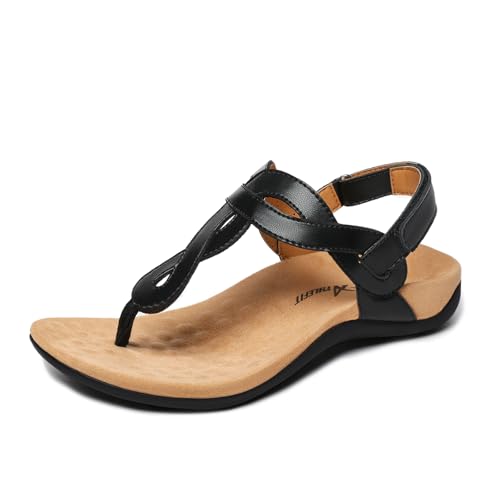
Athlefit gives the classic flat sandal a more thoughtful footbed. The sandal includes arch support and a broad base, which can help the foot feel less soft and unstable during easy walks. Its black color is practical, and the open upper keeps the style clean. I see it as a useful middle ground between a fashion sandal and a full recovery shoe.
This pair may work well for women who need everyday support but do not want a thick athletic sandal. It is a solid option among the best sandals for overpronation women’s shoppers can wear with casual clothes. The flat profile may feel natural to people who dislike a high heel rise. However, women with severe inward rolling or major pain should seek a clinical fit rather than rely on any sandal alone.
Pros:
- Arch support adds structure to a flat-looking sandal
- Black color hides normal daily wear
- Broad sole helps create a steady walking platform
- Works with casual clothing and travel outfits
- Open upper keeps feet cooler in summer
- Good balance of support and simple style
Cons:
- May not provide enough control for severe overpronation
- Flat styling may not suit users who need a deep heel cup
- Not designed as a technical trail or water sandal
Bravover Women’s Orthopedic Walking Sandals
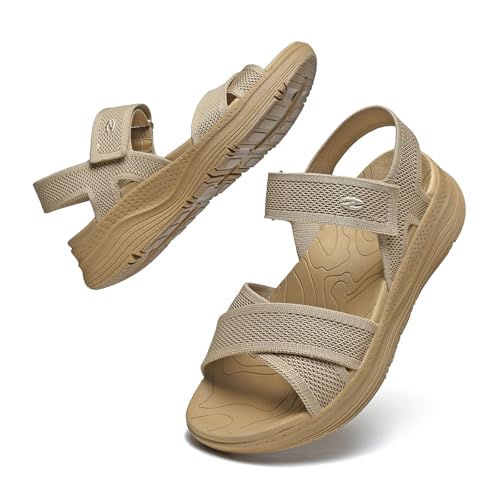
The Bravover sandal focuses on walking comfort with an orthopedic footbed and a more supportive sole. It is made for women who want an open shoe for errands, travel, and normal daily movement. The upper helps hold the foot better than a loose slide, which matters when your foot tends to roll inward. The design also gives more coverage than a basic thong sandal.
I would place this model on the shortlist for women who want the best sandals for overpronation women’s feet during low-impact activity. It may feel more secure on sidewalks and shopping trips than a soft fashion sandal. The extra structure can help reduce foot movement inside the shoe. As with all supportive sandals, comfort depends on the arch lining up with your own arch, so check the fit before wearing it for hours.
Pros:
- Designed with walking support in mind
- More secure upper than a simple flip-flop
- Orthopedic footbed helps guide the foot
- Useful for errands, travel, and casual walks
- Open construction provides warm-weather comfort
- Offers more coverage than many recovery sandals
Cons:
- May feel warm under wider upper sections
- Not a substitute for a stability running shoe
- Some users may need a short break-in period
Orthofeet Malibu Adjustable Sandals

The Orthofeet Malibu stands out for its adjustable design and comfort-focused build. Adjustable straps help women fine-tune the fit around the forefoot, which is useful when feet swell during a long day. The sandal also offers a cushioned base and a supportive shape for people who need more than a thin sole. Its brown color gives it a calmer, more classic look.
For women with sensitive feet, bunions, swelling, or changing foot volume, adjustability can matter as much as arch support. This is one of the best sandals for overpronation women’s users who want a more controlled fit and extra room. It may be especially useful for walking on paved surfaces or standing at work. The trade-off is a larger appearance and a higher price than basic sandals, but the comfort features can justify that cost for the right wearer.
Pros:
- Adjustable straps allow a more personal fit
- Helpful for feet that swell during the day
- Cushioned footbed supports longer casual wear
- Good option for sensitive feet and wider forefeet
- Classic brown color suits many outfits
- More coverage and control than a flip-flop
Cons:
- Bulkier look than a slim fashion sandal
- May cost more than simple arch-support models
- Strap adjustment takes more time than a slip-on
OOFOS OOriginal Recovery Sandal

The OOFOS OOriginal is best known as a recovery sandal. Its soft, flexible foam sole gives the foot a cushioned place to land after work, exercise, or a long day on hard floors. The simple thong shape makes it easy to wear around the house, pool, locker room, or campsite. It also has a rocker-like feel that may help the foot move through a step with less effort.
This model is not a traditional motion-control sandal, and that point matters. It can feel soothing for tired feet, but soft foam does not always give enough side support for strong overpronation. I see it as one of the best sandals for overpronation women’s recovery needs, not necessarily the top choice for long walks. Choose it when cushioning and easy recovery matter most, then use a firmer sandal for extended outdoor activity.
Pros:
- Very soft foam helps cushion tired feet
- Good for post-workout and post-work recovery
- Lightweight design is easy to pack
- Simple shape works around the home or pool
- Rocker feel can make steps feel smooth
- Easy to rinse after casual outdoor use
Cons:
- Soft foam may not control severe overpronation
- Thong style gives less foot security
- Not ideal for rocky trails or long technical walks
shevalues Orthopedic Recovery Flip-Flops

shevalues offers a recovery flip-flop with a shaped footbed and visible arch support. It aims to give casual comfort without the thin, flat feel found in many low-cost flip-flops. The design is light, easy to slip on, and useful for home wear or short summer trips. The raised footbed may also feel helpful after a day spent standing.
I would recommend this pair to women who want an affordable way to add arch shape to their daily rotation. It may be among the best sandals for overpronation women’s shoppers who need a simple recovery option rather than a heavy walking shoe. The sole has enough cushion for normal hard floors, but the flip-flop format still limits control. Wear it on easy surfaces and stop if the arch feels sharp or your toes start gripping.
Pros:
- Supportive footbed offers more shape than flat flip-flops
- Light and easy to wear around the home
- Useful for poolside, travel, and quick errands
- Cushion helps soften hard-floor impact
- Simple recovery style needs little care
- Often a budget-friendly support option
Cons:
- Toe post may irritate some users
- Less stable than an adjustable walking sandal
- Not suited to demanding hikes or long uneven routes
Muboliy Women’s Sport Water Sandals

The Muboliy sandal brings arch support to a sport and water-friendly design. Its covered shape gives more protection than an open flip-flop, while the light build works for beach walks, boating, travel, and casual outdoor use. The sole is made to handle wet settings better than many soft fashion sandals. I also like this style for women who want a sandal that feels more held in place.
Overpronation often becomes more noticeable when the foot slides inside a loose shoe. A sport sandal can reduce that movement by keeping more of the foot enclosed. This makes Muboliy a strong choice among the best sandals for overpronation women’s outdoor users may need for summer activity. It still may not match a medical-grade stability shoe, but it offers a useful blend of support, grip, and water-ready function.
Pros:
- Sport design gives better coverage than a flip-flop
- Arch support helps guide the midfoot
- Useful for beach, boat, and water-side activity
- Lightweight build reduces foot fatigue
- More secure for outdoor use than a loose slide
- Versatile choice for travel and summer adventures
Cons:
- Covered upper may hold more heat
- Water use can increase drying time
- May not offer enough control for severe gait problems
Clarks Breeze SEA Sandal

The Clarks Breeze SEA is a casual sandal for women who value a familiar, easy-going fit. It has a light look and a comfortable sole for everyday use. The style suits errands, vacations, and relaxed summer outfits without looking like a medical shoe. Its open design also gives feet plenty of air on warm days.
I would choose this model for mild support needs and casual comfort rather than strong motion control. It may work for women who want a softer step and a trusted everyday brand. Among the best sandals for overpronation women’s options, it is better viewed as a comfort-first pick. If your feet roll inward a lot, compare its arch and heel feel with a more structured orthopedic sandal before buying.
Pros:
- Comfort-first design suits daily casual wear
- Light style pairs well with summer clothing
- Open upper improves airflow
- Good for errands and relaxed travel
- Easygoing fit may suit first-time sandal users
- Less orthopedic-looking than many support sandals
Cons:
- May not provide enough arch control for severe overpronation
- Less protective than a sport or water sandal
- Support level may feel mild to users seeking a firm footbed
My Recommendation
After comparing these sandals, I would start with the Orthofeet Malibu for women who need adjustability, cushioning, and a more secure fit. Its straps make it easier to manage swelling, width changes, and sensitive areas. For daily casual support at a lower price, KuaiLu and Athlefit are appealing choices. For water use, Muboliy offers the most useful balance of coverage and outdoor function.
The LLSOARSS and shevalues flip-flops make sense for short trips, home use, and recovery. OOFOS is the comfort pick after exercise or a long workday, while Clarks suits women with mild support needs who want a less technical look. Bravover sits between a casual sandal and a walking model. In my view, the best sandals for overpronation women’s feet should feel stable without creating sharp pressure under the arch.
| Best for | Why |
|---|---|
| Daily walking and adjustable comfort | Orthofeet Malibu offers straps, cushioning, and a more controlled fit. |
| Water trips and outdoor use | Muboliy gives more coverage, arch support, and a sport-ready design. |
| Recovery and home wear | OOFOS delivers soft cushioning after work, exercise, or long standing. |
How Overpronation Affects Sandal Choice
Overpronation means the foot rolls inward more than is ideal during a step. Some inward motion is normal. The concern comes when the roll is large enough to change how the ankle, knee, hip, or lower back moves. Not every person with overpronation has pain, and not every sore foot comes from overpronation. That is why I treat sandal features as comfort tools, not a diagnosis.
A flat, loose sandal lets the foot move in many directions. That freedom may feel nice for a few minutes, but it can make the arch work harder during a long walk. A supportive sandal gives the foot a firmer platform and reduces unwanted sliding. Think of it like walking on a path with clear edges instead of loose sand.
The best sandals for overpronation women’s needs usually have a stable base, a useful arch contour, and straps that hold the heel and forefoot. A deep heel cup can also help center the heel. Cushion matters, but cushion alone does not equal support. Very soft foam can feel pleasant while still allowing too much side-to-side movement.
Key Features to Look For
Arch support: Look for an arch that meets your foot instead of pressing into the center of the arch. The support should feel firm but not sharp. If the arch sits too far forward or too high, it can cause more pain. Your foot shape matters as much as the product label.
Stable sole: Hold the sandal at both ends and give it a gentle twist. A little flex is normal, but a sole that folds or twists with no resistance may not give enough control. A wide base can also help you feel more balanced. For overpronation, I prefer a sandal that bends near the toes rather than in the middle.
Heel security: A heel strap can make a major difference on walks. It limits the need to grip with the toes and helps keep the foot over the footbed. Flip-flops can work for short use, but they are not usually the best choice for long distances. If you plan to travel, shop, or stand for hours, choose a sandal with more secure contact points.
Adjustability: Feet often swell in heat or after hours of walking. Adjustable straps let you loosen the sandal without losing support. They also help women with bunions, wide feet, high insteps, or different left and right foot shapes. Velcro is not glamorous, but it is often very practical.
Heel-to-toe shape: A modest heel rise or rocker shape may reduce strain for some users. Yet a high heel can move the body forward and add pressure to the forefoot. I favor a low, steady profile for most women with inward rolling. Comfort and balance should guide the choice, not the height alone.
Footbed material: A footbed should cushion impact without feeling like a soft pillow. Foam can absorb shock, while a firmer layer can improve control. Textured surfaces may help stop sliding, but rough materials can rub. Look for a smooth, supportive surface that keeps the heel and arch aligned.
How I Evaluate Women’s Support Sandals
I do not judge a sandal by its word “orthopedic” alone. That word appears in many product listings, but it does not guarantee a medical design or a proper fit. I look at the full shape, the sole, the straps, the footbed, and the intended use. I also separate recovery comfort from walking stability because those goals are not the same.
First, I check whether the sandal provides a stable platform. Next, I consider how easily the foot can slide forward or drift inward. Then I review the likely use: home wear, pavement, travel, water, or recovery. A sandal can be excellent in one role and poor in another.
I also pay attention to practical details that matter on Amazon purchases. Product photos can make a footbed look deep, so I read the listed materials and current buyer feedback before ordering. I check the size chart instead of assuming my usual size will fit. Since stock, colors, and prices can change, I recommend checking the current listing before purchase.
Fit Tips for Sandals and Overpronation
Measure both feet near the end of the day. Feet often expand after standing and walking, especially in warm weather. Use the larger foot when choosing a size. Your heel should rest inside the rear edge, and your toes should not hang over the front.
Stand up in the sandal before judging the fit. The arch should sit under your natural arch, not behind it. Your heel should stay in place when you take a few steps. If your toes curl to keep the sandal on, the fit or strap design may not be right.
Start slowly with a new support sandal. Wear it for 20 to 30 minutes at home, then check for red marks, numbness, or sharp pressure. Increase wear time only if your feet feel calm. A short break-in period can be normal, but strong pain is a clear reason to stop.
Do not size up just to gain width if the heel then slips. Instead, look for a wide option, a longer strap, or an adjustable model. Extra length can make the foot slide and may increase toe gripping. Good fit should feel like a gentle hand around the foot, not a clamp.
Are Flip-Flops Safe for Overpronation?
Flip-flops are not automatically bad, but they have clear limits. Most have no heel strap, so the toes must help hold the shoe in place. That action can change your stride and tire the small muscles in the foot. A shaped footbed can improve comfort, yet it does not remove the basic issue of low security.
I use supportive flip-flops for short walks, showers, pools, home wear, and recovery. I avoid them for long city walks, stairs, uneven ground, and fast activity. If you love a flip-flop, choose one with a firm arch, a wide sole, and a heel area that does not let your foot slide. For serious overpronation, a strapped sandal is usually the safer daily bet.
Can Sandals Correct Overpronation?
A sandal cannot promise to correct the way your foot moves. It may improve comfort by giving the arch and heel more support. It may also reduce foot sliding and help your step feel more controlled. These benefits can lower strain for some people, but results vary.
Overpronation can have many causes, including foot shape, muscle strength, joint motion, old injuries, and walking habits. A podiatrist or physical therapist can assess your gait if pain continues. Seek care sooner if you have swelling, numbness, weakness, a sudden change in walking, or pain that stops normal activity. Shoes are helpful tools, not a replacement for professional care.
How to Break In Supportive Sandals
Wear new sandals indoors first. Walk on a clean floor for a short time so you can spot rubbing before using them outdoors. Check the space around the toes and the pressure under the arch. If a strap rubs, adjust it before the skin becomes sore.
Do not take a brand-new pair on a full vacation day. Pack a tested backup pair for the first few outings. Rotate sandals when possible, since different footbeds place pressure in different spots. Keep the feet dry, and let wet sandals fully dry before wearing them again.
Care Tips for Long-Term Use
Wipe sandals with a damp cloth after normal wear. Follow the product care directions for foam, synthetic straps, and water use. Avoid high heat, such as a hot car dashboard, because heat can change the shape of foam and adhesives.
Let sandals air dry in shade. Do not store them while damp, as odor and material wear can grow. Check the tread from time to time. A worn sole may lose grip and stability even when the footbed still feels comfortable.
Replace a sandal when the arch has flattened, the sole leans to one side, or the heel area has deep wear. Those signs can show that the shoe no longer supports your step evenly. If one sandal wears much faster than the other, your gait may need a professional review. A fresh pair can help, but it is wise to understand why the wear occurs.
Which Sandal Type Is Right for You?
For short errands, a supportive flip-flop may be enough. LLSOARSS and shevalues offer easy slip-on comfort with more arch shape than a basic beach sandal. They are useful when you want something simple near the house. I would not use them as my only pair for a walking vacation.
For daily walking, choose a sandal with straps and a stable base. KuaiLu, Athlefit, Bravover, and Orthofeet provide more structure for this role. Orthofeet makes the most sense when your feet need adjustment or extra room. KuaiLu and Athlefit fit women who want support with a cleaner, casual look.
For outdoor water use, Muboliy is the clear fit from this group. Its sport design gives more coverage and helps protect the foot. For recovery, OOFOS is the softest choice. For mild support with a familiar casual style, Clarks may be enough.
Common Buying Mistakes
The first mistake is choosing a sandal only by softness. A very soft sole can feel great at first but may not keep the foot steady. The second mistake is ignoring the strap system. If the foot slides, even a strong arch may not work as intended.
Another mistake is selecting a high arch without checking alignment. More support is not always better support. The arch must match your foot, and the sandal must let you walk without toe gripping. I also advise against buying a pair for severe pain without discussing the problem with a health professional.
Finally, do not assume a high price guarantees a perfect fit. Some affordable models offer useful support, while some premium shoes may not suit your foot shape. Read the details, compare measurements, and use the return policy when available. The best sandals for overpronation women’s users can vary from one woman to the next.
FAQs Of Best Sandals for Overpronation Women’s
What are the best sandals for overpronation women’s feet?
The best pair has a stable sole, a well-placed arch, and straps that reduce foot movement. Orthofeet Malibu is a strong choice for adjustability. KuaiLu, Athlefit, and Bravover are good casual walking options. Your foot shape and pain level should guide the final choice.
Should women with overpronation wear arch support sandals?
Many women find arch support more comfortable than a flat sandal. The support should match your natural arch and should not cause sharp pressure. Start with short wear times. If pain continues, ask a podiatrist or physical therapist for advice.
Are recovery sandals good for overpronation?
Recovery sandals can soothe tired feet with soft foam and cushioning. They may not provide enough side control for strong overpronation. OOFOS works best for recovery, home use, and short casual trips. Choose a firmer, strapped sandal for longer walks.
Can I wear orthopedic sandals all day?
You may wear them all day if the fit feels comfortable and your feet adapt well. Break them in slowly and check for rubbing or pressure. A sandal that causes numbness or sharp pain is not a good fit. Support should feel steady, not forced.
What should I avoid in sandals for overpronation?
Avoid very thin soles, loose slides, worn tread, and straps that let the foot slip. Also avoid a high arch that does not match your foot. A soft sandal may be fine for recovery but weak for long walks. Match the shoe to the activity.
Final Verdict: Which Should You Buy?
Orthofeet Malibu is my top pick for women who need adjustable support, comfort, and a secure fit. For daily value, KuaiLu and Athlefit stand out. Muboliy is best for outdoor water use, while OOFOS wins for recovery.
The best sandals for overpronation women’s feet should fit your arch, hold your heel, and match your activity. Check the current Amazon listing, size chart, and return terms before ordering.
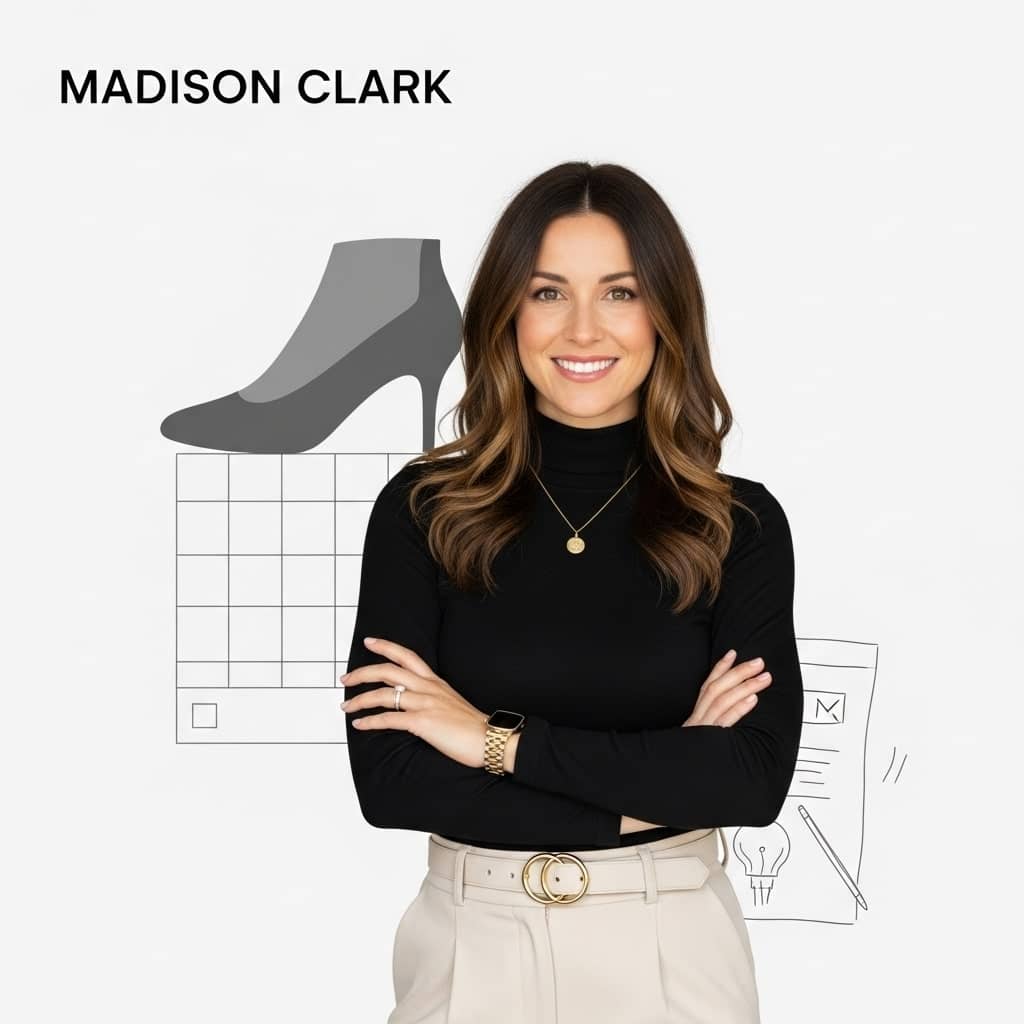
Madison Clark is a footwear expert and the voice behind MyStyleGrid.com. She specializes in honest shoe reviews, style tips, and practical guides to help readers find the perfect pair for any occasion. With years of experience in blogging and content creation, Madison makes footwear knowledge simple, stylish, and easy to follow.