Top choice: PowerStep Pinnacle insoles offer firm arch and heel support for relief.
I know the sting of walking on thin cushioning. When the fat pad under your heel thins, steps turn sharp and shoes feel hard. I’ve tested many inserts and seen real relief. This guide helps you pick the best shoe inserts for fat pad atrophy so you walk with less pain and more confidence.
Dr. Scholl’s 24-Hour Energy Insoles

I like these for quick comfort in everyday shoes. The foam and gel layer soaks up shock. They ease pressure on thin heels right away. Fit is easy for women’s sizes 6–10.
Materials feel soft but still supportive under the heel. They don’t slip in shoes with low volume. I found them great for standing days. Long walks gave improved comfort.
Pros:
- Immediate cushioning relief
- Good gel plus memory foam blend
- Easy to trim and fit
- Affordable for daily use
- Comfortable for standing and light walking
Cons:
- Not designed for heavy-duty work boots
- May compress over long months
My Recommendation
I recommend Dr. Scholl’s 24-Hour Energy Insoles for people who want fast, simple relief. They are best for casual wear and soft cushioning needs. If you have mild fat pad thinning, these add welcome padding. They are easy to try and often available at a low price.
| Best for | Why |
|---|---|
| Daily comfort | Soft foam soothes sore heels |
| Office workers | Light cushioning for all-day standing |
| Budget buyers | Affordable relief without custom orthotics |
Riootlnm Metatarsal Ball Pads
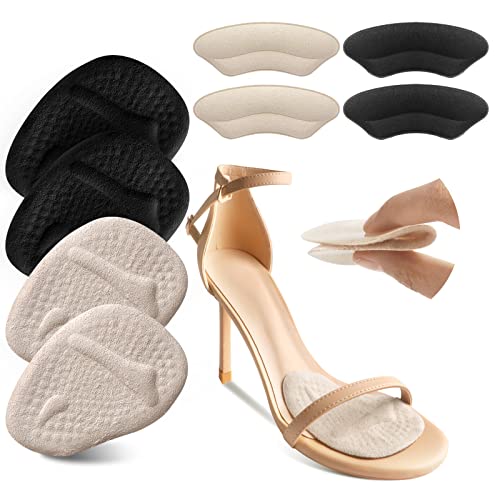
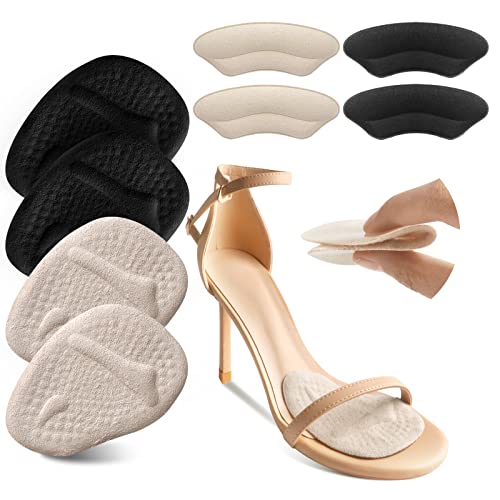
These metatarsal pads target the ball of the foot. They lift and redistribute pressure away from weakened forefoot pads. The set comes in beige and black for different shoes. I used them in heels and flats with clear benefit.
They stick well and stay put during a workday. The gel is soft yet supportive under the metatarsal heads. For fat pad atrophy in the ball of the foot, they ease burning and numbness. They’re slim enough for tighter shoes.
Pros:
- Lifts and cushions the ball of the foot
- Slim profile fits narrow shoes
- Non-slip adhesive stays in place
- Works well in heels and flats
- Two-color pack for shoe matching
Cons:
- Adhesive may need replacement over time
- Not full-length support for arch or heel
My Recommendation
I recommend Riootlnm metatarsal pads for anyone with forefoot fat pad atrophy. They are best for shoes that pinch or cause ball-of-foot pain. I use them when I need thin, targeted cushioning. They bring measurable ease to high-heel days and long walks.
| Best for | Why |
|---|---|
| Heels and flats | Slim gel pad fits tight shoes |
| Forefoot pain | Relieves pressure under metatarsals |
| Discreet wear | Thin design hides in shoes |
SMATIS Metatarsal Pads (8PCS)

This 8-piece kit gives options for fit and placement. The cushions relieve hot spots and reduce friction. I liked the variety for trying placement. They help with metatarsalgia from fat pad loss.
These are soft gel and washable for reuse. They work in sneakers and dress shoes. I tested them on long errands and they cut pain noticeably. They also protect against blisters when feet swell.
Pros:
- Multiple pads for trial and varied shoes
- Washable and reusable gel material
- Good adhesion and low profile
- Reduces burning and pressure
- Affordable multi-pack
Cons:
- May bulk in very tight-toe boxes
- Gel can collect lint if shoes are dirty
My Recommendation
I suggest SMATIS pads for those who like to experiment with placement. They are best for someone with ball-of-foot fat pad atrophy who needs options. I use the kit to match pads to shoe type and feel. They offer value and flexibility for daily pain control.
| Best for | Why |
|---|---|
| Trying placement | Multiple pads for testing |
| Reusable needs | Washable and durable gel |
| Value buyers | Multi-pack lowers cost per use |
Walkize Metatarsal Foot Pads
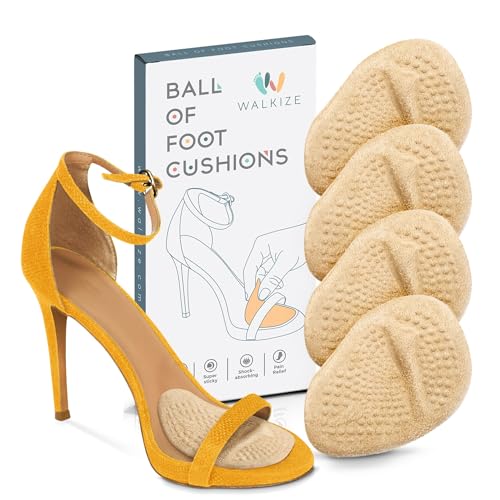
Walkize pads are thin and fit most shoes. The gel cushions the ball and helps with metatarsal pain. I like how discreet they are in dress shoes. They also reduce toe pressure in high heels.
Adhesive holds throughout the day. The pads ease pain from fat pad atrophy at the forefoot. They also reduce sliding inside shoes. For me, they turned painful errands into tolerable walks.
Pros:
- Thin, discreet gel pads
- Stable adhesive keeps pads aligned
- Comfortable in narrow shoes
- Reduces center-foot pressure
- Easy to trim for fit
Cons:
- Not ideal for severe fat pad loss
- May need replacement every few months
My Recommendation
I recommend Walkize for people who wear tight dress shoes and need thin cushioning. They are best for mild to moderate metatarsal fat pad atrophy. I turn to them when I need padding that won’t change the shoe fit much. They help extend comfortable wear time for formal shoes.
| Best for | Why |
|---|---|
| Dress shoe users | Thin profile fits snug shoes |
| High heel relief | Reduces pressure on ball of foot |
| Travelers | Lightweight and packable |
Gel Metatarsal Pads 6-Pack

This gel 6-pack gives a good supply for rotation. The pads cushion painful spots and fit many shoe types. I found them useful for both flats and heels. They are slightly thicker for added protection.
They stick strongly and wash up easily for reuse. For forefoot fat pad atrophy, these pad the pressure points. I kept a pair in everyday shoes and another in dress shoes. They held up well during summer walks.
Pros:
- Good quantity for rotation
- Thicker gel for strong cushioning
- Reusable after washing
- Works in many shoe styles
- Relieves hot spots effectively
Cons:
- Bulkier in very tight shoes
- Adhesive may feel strong on delicate linings
My Recommendation
I recommend this 6-pack for regular users who want spares. They are best for people with moderate fat pad atrophy who need durable cushioning. I liked having extra pairs for rotation. These pads offer cost-effective relief and long-term value.
| Best for | Why |
|---|---|
| Regular users | Plenty of pads for rotation |
| Active days | Thicker gel handles longer wear |
| Shared use | Pack includes extras for family |
Dr. Scholl’s Heavy Duty Support Insole

This heavy duty insole adds strong arch and heel support. It is made for bigger feet and heavier users. I tested it in work boots and felt less heel sting. It redistributes pressure well for thin fat pads.
The insole absorbs shock and lifts the arch for balanced weight. It trims to fit, so you can use it in many shoe types. If you are heavy or on your feet, this helps. I noticed less heel pain at shift end.
Pros:
- Strong arch and heel support
- Shock absorbing for heavy users
- Trim-to-fit for many shoes
- Durable for daily wear
- Helps redistribute heel pressure
Cons:
- Too firm for people who want soft cushioning
- May not fit narrow dress shoes
My Recommendation
I recommend Dr. Scholl’s Heavy Duty Support for heavier people or those on their feet all day. It is best for work boots and casual shoes with room. I use it when I need firm support to combat fat pad atrophy. It offers long-lasting value and protection.
| Best for | Why |
|---|---|
| Heavy users | Built for 200+ lbs needs |
| Work boots | Shock absorption for long shifts |
| Wide feet | Designed for roomy shoes |
PowerStep Pinnacle Memory Foam Insoles

PowerStep Pinnacle combines firm arch support with a memory foam top. I find this balance excellent for fat pad atrophy relief. The arch stabilizes the foot and the foam cushions the heel. This reduces direct load on the fragile pad.
It comes in multiple sizes and trims cleanly. I used it in sneakers and casual shoes with ease. The support improves gait and lowers heel strain. For me, it felt like a small orthotic without the cost.
Pros:
- Firm arch with plush memory foam top
- Helps redistribute pressure from heel
- Trim-to-fit sizing
- Good for plantar fasciitis and fat pad atrophy
- Durable construction
Cons:
- May feel too firm for very soft-footed users
- Takes time to break in for some
My Recommendation
PowerStep Pinnacle is my top pick for balanced support. It is best for people who need arch control plus cushioning for fat pad atrophy. I often recommend it for daily walkers and runners easing heel pain. Overall, it offers excellent value and durable relief.
| Best for | Why |
|---|---|
| Arch support seekers | Firm control plus cushioning |
| Plantar fasciitis sufferers | Redistributes heel load |
| Daily walkers | Built for regular use |
2026 Heavy Duty Support Orthotics

This heavy duty orthotic is made for big impact and big users. It has high arch support and strong cushioning. I used it in work boots and hiking shoes. It stands up to heavy loads and long days.
For people with severe fat pad atrophy, this spreads pressure across the foot. It absorbs shock and reduces direct heel strain. I noticed less soreness after long shifts. It trims well and stays secure in most boots.
Pros:
- High support for heavy users
- Excellent shock absorption
- Trim-to-fit flexibility
- Durable for tough use
- Helps relieve heel and arch pain
Cons:
- Too firm for those needing plush feel
- Too large for narrow dress shoes
My Recommendation
I recommend the 2026 Heavy Duty orthotics for athletes and laborers who need strong support. They are best for severe fat pad atrophy in heavy or active people. I use them when I need the foot to feel stable and protected all day. They are a powerful, long-lasting option.
| Best for | Why |
|---|---|
| Active workers | Built to withstand tough use |
| Hikers | Good shock absorption on trails |
| Heavier users | Handles increased body weight |
No-Slip Heel Pads 4 Pairs

Heel grips help if your shoe is loose or if the heel slips. They add a thin cushion that protects the back of the heel. I use them in dress shoes that gape slightly. They reduce friction and blister risk.
While they don’t replace full insoles, heel pads help stabilize the foot. They keep your heel from sliding forward and compressing the thin fat pad. I often add them to thin-cushion shoes for a quick fix.
Pros:
- Prevents heel slip and blisters
- Thin cushioning protects the back of the foot
- Fits most shoes easily
- Easy to apply and remove
- Good short-term fix for loose shoes
Cons:
- Not enough padding for severe fat pad atrophy
- Adhesive may wear after many uses
My Recommendation
I recommend heel pads when shoe fit, not cushioning, is the issue. They are best for people whose heels slip and who want to protect a thinning pad. I keep a pair in my work bag for quick fixes. They’re a handy tool in a foot-care kit.
| Best for | Why |
|---|---|
| Loose shoes | Stops heel slip and friction |
| Blister prevention | Thin cushion protects skin |
| Quick fixes | Easy to apply and remove |
9 Pairs Ball & Heel Cushion Set
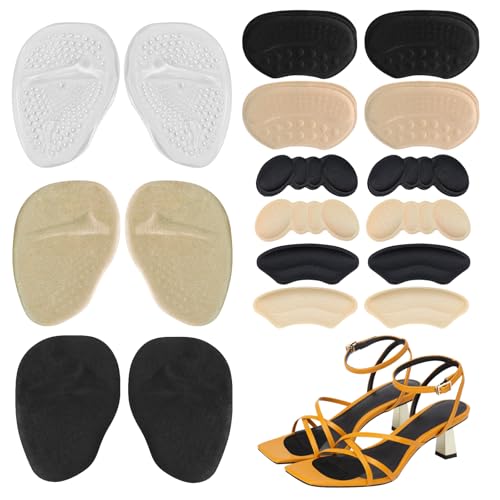
This set gives many options: ball cushions and heel pads together. It’s convenient if you want a full kit for many shoes. I found them useful for rotating between work shoes and weekend footwear. They offer quick cushioning wherever needed.
The pads are sticky and thin. They reduce pressure from fat pad atrophy at both the heel and forefoot. I used the heel pair on days I stood more. The ball cushions helped with midday burning in flats.