Top choice: supportive shoes with wide toe box, adjustable fit, and removable insoles.
I remember first seeing a parent worry about their child’s turned-in forefoot or an adult wince after a long walk. Metatarsus adductus can create tight forefoot pressure, calluses, and pain. The right shoes relieve that squeeze. They give room, soft shaping, and targeted support to offload the ball of the foot. If you’re hunting for relief, the best shoes for metatarsus adductus blend a roomy toe box, metatarsal support, and adjustability to ease pressure and let you move with less pain.
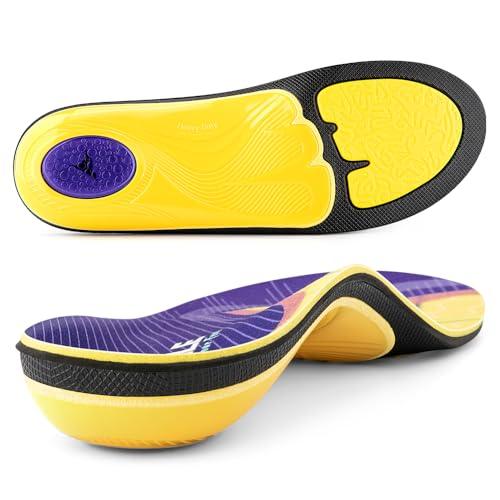
PowerStep Pinnacle Plus Met Insoles

I started using PowerStep Pinnacle Plus Met insoles when I needed targeted relief under my forefoot. The insoles have a firm arch and a metatarsal pad. They lift and redistribute pressure away from the ball of the foot. I noticed reduced burning and less callus pain after a few days of wear.
The foam top layer feels soft at first touch yet holds shape under load. These insoles fit many shoes once the old insoles are removed. They work well for runners, walkers, and people who wear dress shoes daily. The made-in-USA build feels sturdy and well finished.
Pros:
- Firm arch support that stabilizes the foot
- Built-in metatarsal pad to relieve ball-of-foot pain
- Thin enough to fit into most shoes after trimming
- Durable EVA base that keeps shape under pressure
- Relatively low break-in time; noticeable relief fast
- Available in multiple sizes to match shoe fit
Cons:
- Not as cushioned as gel options for very tender feet
- May feel too firm for ultra-narrow shoes
- Requires trimming for some shoe shapes
My Recommendation
I recommend PowerStep Pinnacle Plus Met insoles for people who need targeted offloading of the forefoot. If you live with metatarsal pain from metatarsus adductus, these insoles give quick, focused relief. They work well inside supportive walking shoes, athletic shoes, and many casual shoes. I often pick them when a shoe lacks built-in metatarsal support.
Fit notes: remove the factory insole first. Trim along the outline of your current insole for best fit. Use a pair for a week, then reassess. If your forefoot still aches, try pairing them with a slightly wider shoe to reduce compression. I find they extend the wearability of moderately tight shoes without forcing a bigger shoe size.
| Best for | Why |
|---|---|
| Ball-of-foot pain | Built-in metatarsal pad lifts pressure off the forefoot. |
| Everyday shoes | Slim profile fits many shoe types for daily wear. |
| Stability seekers | Firm arch support helps control foot motion. |
Bottom line: If you want a simple step-up for pain under the ball of the foot, these insoles make a practical, cost-effective improvement. For many people with metatarsus adductus related discomfort, PowerStep Pinnacle Plus Met insoles are a reliable first change before trying new shoes or custom orthotics.
ABEO MXV Shift Women’s Metatarsal Shoes

I tried the ABEO MXV Shift shoes when I needed a roomy knit shoe with metatarsal support. The knit upper adapts to foot shape and keeps pressure low. The built-in metatarsal footbed cushions the forefoot and helps the toes lie easier. I liked the slip-on feel with a secure heel lock.
The midsole feels responsive but not overly firm. The outsole has enough grip for street use. If you need a shoe that looks casual and supports the ball of the foot, this model is a solid pick. The knit colorway hides wear well and feels modern.
Pros:
- Roomy toe box that eases forefoot squeeze
- Metatarsal footbed built into the shoe for consistent relief
- Flexible knit upper that reduces friction points
- Lightweight and breathable for warm weather wear
- Slip-on convenience with secure heel fit
- Stylish enough for casual outings and walking
Cons:
- May feel wide for very narrow feet
- Less structure for heavy pronators without extra arch support
- Not ideal for rough trail use
My Recommendation
I recommend ABEO MXV Shift shoes for women who want built-in metatarsal support with a casual look. If your metatarsus adductus causes ball-of-foot pressure, these shoes ease that load without extra inserts. They are best for daily walking, errands, and travel where comfort matters most. I often suggest them to readers who hate swapping insoles but want shoe-level support.
Fit tips: size to your regular walking shoe size. If you wear orthotic insoles, try the shoe with your insole at home to check volume. The knit upper stretches slightly so the shoe feels more comfortable after short wear. I value their blend of style and support when I travel and walk for long periods.
| Best for | Why |
|---|---|
| Casual walkers | Built-in metatarsal bed reduces forefoot pressure all day. |
| Travelers | Lightweight and easy to pack with reliable comfort. |
| Those avoiding inserts | Integrated footbed removes need for separate insoles. |
Bottom line: ABEO MXV Shift shoes are perfect when you want the best shoes for metatarsus adductus that feel like everyday sneakers. They pair metatarsal relief with a soft, roomy fit. For many women, they are a comfortable, stylish choice that avoids extra orthotic fuss.
FAQs Of best shoes for metatarsus adductus
What features make shoes good for metatarsus adductus?
Look for a wide toe box, removable insoles, and metatarsal support. A soft stretch upper helps reduce pressure. Adjustable closures let you tune the fit. These features together reduce forefoot squeeze that often accompanies metatarsus adductus.
Can insoles alone fix issues from metatarsus adductus?
Insoles can help a lot, especially metatarsal pads that offload the ball of the foot. For many adults, insoles reduce pain and improve comfort. However, shoes with a roomy toe box plus insoles give the best outcome. Severe or structural cases may need custom orthotics or professional care.
Should children with metatarsus adductus wear special shoes?
In many infant cases the foot corrects with gentle stretching and time. For older children or persistent cases, I look for flexible shoes with room in the forefoot and a stable heel. A pediatric specialist will guide brace or shoe therapy if needed. For older kids with pain, the best shoes for metatarsus adductus should prioritize width and soft uppers.
How do I choose a shoe width and size for metatarsus adductus?
Measure foot length and width at the widest point while standing. Choose shoes labeled wide if your toes feel crowded. Try shoes later in the day when feet are slightly swollen. If unsure, a half-size up can help reduce forefoot pressure without causing slip at the heel.
Are there running shoes that work for metatarsus adductus?
Yes. Look for running shoes with a wide toe box, neutral stability, and good forefoot cushioning. Many modern running brands offer wide-width or toe-box-friendly models. Pairing a metatarsal insole with a roomy running shoe helps reduce repetitive forefoot load while you run.
How long before I notice improvement after switching shoes or insoles?
Some people feel relief within a day. Others need one to three weeks to notice less pain. Consistent use during activities that cause pain helps the most. If you see no improvement after several weeks, consult a foot specialist to reassess treatment.
Can a shoe be too supportive for metatarsus adductus?
Yes. Too much stiffness across the forefoot can create new pressure points. I advise balance: a supportive arch and a metatarsal pad without a rigid toe area. Looser, softer uppers plus targeted support often beat full-rigid designs for comfort.
Do orthotics or shoes help with calluses from metatarsus adductus?
Yes. Reducing pressure at the ball of the foot helps calluses soften and heal. A metatarsal pad or a shoe with a wide toe box reduces friction and pressure. For deep calluses, add specific care like pumice and moisturizing creams and see a podiatrist if painful.
Can I modify my current shoes to fit better for metatarsus adductus?
Often yes. Consider removing the factory insole and adding a thinner metatarsal insole. Stretching the forefoot by a cobbler can add width in leather shoes. Using silicone toe protectors or padding can reduce friction where toes overlap. Simple mods can make shoes livable while you shop for long-term solutions.
Final Verdict: Which Should You Buy?
If you need quick, targeted relief under the ball of the foot, PowerStep Pinnacle Plus Met insoles are an excellent start. They pair well with many shoes and help reduce pain fast.
If you prefer shoe-level support without separate insoles, ABEO MXV Shift women’s metatarsal shoes are a solid, stylish choice. Both are among the best shoes for metatarsus adductus when combined with proper fit and care.

Madison Clark is a footwear expert and the voice behind MyStyleGrid.com. She specializes in honest shoe reviews, style tips, and practical guides to help readers find the perfect pair for any occasion. With years of experience in blogging and content creation, Madison makes footwear knowledge simple, stylish, and easy to follow.