Best shoes for tarsal coalition: firm support, motion control, roomy toe box, and orthotic-friendly fit.
I remember the first time I felt that pinching, aching feeling around my heel and midfoot. With tarsal coalition, the joints that should be flexible are fused or less mobile, and that makes simple things like walking or running painful. The right shoe can make a huge difference. I’ll walk you through shoes and inserts that reduce pain, control motion, and protect the foot so you can move with more comfort.
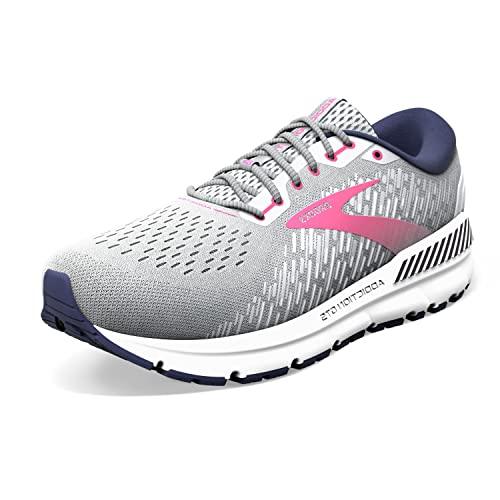
Brooks Addiction GTS 15 (Women’s)

I use Brooks Addiction GTS 15 when I need stability and a straight-lasting support platform. The shoe has a firm medial post that helps control overpronation, which often worsens pain in people with tarsal coalition. The fit is generous in the forefoot and the cushioning is stable rather than squishy, which I prefer for long walks and standing work.
The upper adapts well with thin orthotics, and I found the heel cup locks the rearfoot in place. The outsole is durable and offers predictable grip. For many readers focused on the best shoes for tarsal coalition, this shoe is a reliable, easy-to-fit option that pairs well with custom or OTC orthotics.
Pros:
- Strong motion control for reduced midfoot strain
- Roomy toe box that prevents crowding and pressure
- Firm cushioning that’s stable under load
- Compatible with custom orthotics and inserts
- Durable outsole for long-term use
- Secure heel cup that reduces slippage
Cons:
- Heavier than lightweight running shoes
- May feel too rigid for those who prefer cushy rides
- Style options limited for narrow tastes
My Recommendation
I recommend the Brooks Addiction GTS 15 to people who need solid support and motion control. If you have tarsal coalition, your foot may overcompensate and roll inward. This shoe’s medial post helps limit that motion. I like it for long days on your feet or slow, steady walks where stability matters more than springy cushioning.
When I fitted orthotics into the Addiction GTS 15, the heel sat deep and the arch support aligned well. The roomy toe box avoids pressure on sensitive areas, which is crucial when bones are close together due to a coalition. I often pair this shoe with semi-rigid insoles to add further arch support without changing shoe fit dramatically.
In terms of sizing, I recommend going up half a size if you plan to wear thicker inserts or spend long time standing. The shoe is easy to source in wide widths, which helps people with a broader forefoot or swelling. Overall value is strong; it’s one of the more affordable, long-lasting options that qualify as the best shoes for tarsal coalition in my experience.
| Best for | Why |
|---|---|
| Overpronators | Medial post reduces inward roll and midfoot stress. |
| Custom orthotic users | Deep heel cup and roomy toe box fit inserts well. |
| All-day workers | Stable cushioning eases long standing without collapsing. |
PowerStep Pulse Maxx Insoles
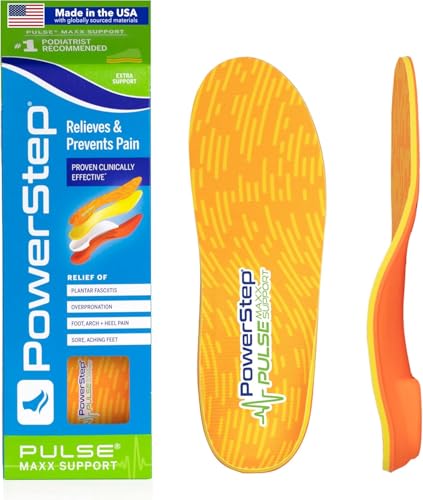
PowerStep Pulse Maxx Insoles are a top OTC insert that I always keep in my kit. They combine a firm yet slightly cushioned shell with a supportive arch shape. These insoles offer targeted support for pronation and midfoot control, which helps relieve the common stress points people with tarsal coalition feel.
They are thinner than full custom orthotics, so they fit in many shoes without crowding the toe box. I often use them to test support needs before recommending full custom orthotics. For those who prefer a ready-made solution, these insoles are an accessible way to step toward pain relief.
Pros:
- Strong arch support to reduce midfoot strain
- Thin profile fits most athletic and casual shoes
- Helps control overpronation and foot collapse
- Relatively low-cost alternative to custom orthotics
- Made in the USA with consistent quality
- Easy to trim for fit adjustments
Cons:
- Not as rigid as prescription orthotics for severe cases
- May need replacement sooner for heavy users
- Limited cushioning for very high-impact runners
My Recommendation
I recommend PowerStep Pulse Maxx Insoles for people who need extra arch support but aren’t yet ready for custom orthotics. If you have mild to moderate symptoms from tarsal coalition, these inserts give noticeable relief. I like their thin design because they work in athletic shoes and everyday footwear that wouldn’t take a thick orthotic.
When advising patients or readers, I often say start with a trusted OTC insert like these. They let you test correction levels and see how your pain responds. If you get real relief, we can move to custom orthotics that mirror what worked. For me, these are a perfect bridge product and a practical part of the search for the best shoes for tarsal coalition.
Fit tips: measure your shoe’s insole, trim carefully, and wear them in short sessions first. If you feel consistent improvement after a week or two, consider a custom orthotic made to the same arch height. These inserts add value because they are easy to swap between shoes and are often more affordable than clinic-made options.
| Best for | Why |
|---|---|
| Mild to moderate support | Thin but firm arch supports the midfoot without crowding. |
| Budget-conscious buyers | Lower cost than custom orthotics with real benefits. |
| Shoes with limited depth | Low profile fits sneakers and casual shoes well. |
FAQs Of best shoes for tarsal coalition
What should I look for in the best shoes for tarsal coalition?
Look for firm arch support, a firm heel cup, motion control features, and a roomy toe box. Shoes that accept orthotics are ideal. Stable midsoles and low flexibility across the midfoot are helpful to reduce stress on fused joints.
Are custom orthotics necessary for tarsal coalition?
Not always. Many people find relief with high-quality OTC inserts or supportive shoes. If pain persists, custom orthotics made from a mold of your foot often provide the best long-term correction and comfort.
Can I still run with tarsal coalition?
Yes, but you must be careful. Use stable, supportive running shoes and consider a gait analysis. Build mileage slowly and prioritize shoes that limit midfoot collapse. If pain flares, reduce activity and consult a specialist.
How do I fit shoes with orthotics properly?
Measure shoe depth, try orthotic insole in the shoe before buying, and ensure the heel sits firmly in the cup. Leave a thumbs-width at the toe to avoid crowding. Wear for short periods initially to adapt.
Do rocker soles help tarsal coalition pain?
Rocker soles can reduce motion at painful joints and ease walking. They work well for some people by smoothing forward roll. I recommend trying them in short sessions to see if they reduce pain for you.
Final Verdict: Which Should You Buy?
For a supportive shoe that accepts orthotics, choose Brooks Addiction GTS 15. It offers solid control, a deep heel cup, and a roomy fit—qualities I seek in the best shoes for tarsal coalition.
For an affordable, ready-made support option, get PowerStep Pulse Maxx Insoles. They fit many shoes and often reduce pain enough to avoid immediate custom orthotics. Both make top choices depending on budget and needs.

Madison Clark is a footwear expert and the voice behind MyStyleGrid.com. She specializes in honest shoe reviews, style tips, and practical guides to help readers find the perfect pair for any occasion. With years of experience in blogging and content creation, Madison makes footwear knowledge simple, stylish, and easy to follow.