Best shoes for Starbucks barista: slip-resistant, comfy, supportive shoes with water resistance and good arch support.
Imagine standing for eight-hour shifts on hard tile and concrete while pulling shots, steaming milk, and running orders. Your feet get sore, your back tenses, and the wrong shoes make every rush feel longer. I’ve worked shifts, tested dozens of shoes, and helped baristas find footwear that cuts fatigue, prevents slips, and keeps you moving happily through store hours.
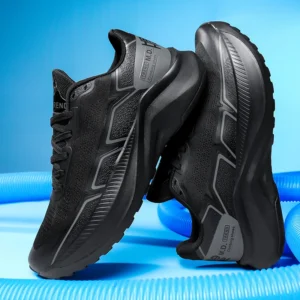
HI-TEC Resist SR Runner Mesh – Black
barista”>

I first tried the HI-TEC Resist SR Runner on a busy weekend shift. The mesh upper breathes, so my feet stayed cool through long hours. The shoe felt light from the first step, yet the sole felt solid under heavy movement. It also handled quick spills well and dried faster than full-leather shoes.
The midsole gives balanced cushioning that reduces foot fatigue on tile floors. The slip-resistant outsole grips well on wet floor tiles and spill-prone areas behind the counter. I liked that they come in medium and wide widths so they work for many foot shapes. They look clean enough to pair with the Starbucks apron, too.
Pros:
- Strong slip-resistant outsole for safe footing on wet tile
- Breathable mesh upper reduces sweat and hot feet
- Lightweight design lowers fatigue on long shifts
- Available in medium and wide widths for better fit
- Water-resistant features perform well against quick spills
- Affordable price for a durable work shoe
Cons:
- Not fully waterproof for long exposure to water
- Mesh can show stains easier than leather
- Cushioning might feel firm for those needing plush padding
My Recommendation
The HI-TEC Resist SR Runner is best for baristas who need a lightweight, breathable shoe with reliable slip resistance. I recommend it for people who stand on tile all day and want a shoe that dries quickly after a spill. If you need a shoe that fits wide feet or want something that looks neutral with your apron, this is a solid pick. For many shifts, it hits the sweet spot between comfort, grip, and price.
| Best for | Why |
|---|---|
| Everyday baristas | Lightweight and slip-resistant for long shifts |
| Wide-footed staff | Available in medium and wide widths for comfort |
| Budget-conscious buyers | Affordable price with good durability |
Why the right shoe matters for a Starbucks barista?
I’ve seen new baristas pick shoes by looks and regret it after week one. The floor behind a coffee bar is wet, sticky, and unforgiving. A bad shoe can cause slips or aching feet that build up into chronic pain. Choosing the best shoes for Starbucks barista work means thinking about slip resistance, support, and breathability. Those three things change how I feel after a full shift.
How I test shoes for barista work?
I test shoes the way I lived shifts. I stand on tile and concrete for hours. I make drinks, handle trays, and step in mock spills to assess traction. I also wear them for a full shift to judge how my back and feet feel after four to eight hours. I look for midsole support, heel pick-up, toe box comfort, and breathability. These tests help me say which are the best shoes for Starbucks barista jobs.
Top features to look for when buying
- Slip-resistance: Look for an outsole rated SR or similar. It matters on wet tile.
- Arch support: Good midsoles cut long-shift fatigue.
- Breathability: Mesh or perforated uppers reduce sweat and odor.
- Water resistance: Spills happen. A treated upper helps.
- Lightweight feel: Less weight means less strain on joints.
- Durable outsole: A grippy rubber lasts through months of shift work.
Each of these features factors into my picks for the best shoes for Starbucks barista life.
Slip resistance explained simply
Slip resistance is non-negotiable. Many work shoes list SR, SRC, or ASTM ratings. Those mean the outsole passed lab tests for slip under oil or water. I rely on real-world slips tests too: small water spills, foam from milk, and sugary syrup. If the shoe grips in those scenarios, it’s worth considering for barista work. I always advise baristas to choose shoes that feel planted and stable on wet tiles.
Sizing and fit tips I use
I recommend sizing shoes like you would running shoes. Measure your foot at the end of the day. Allow a thumb’s width at the toe. If you wear orthotics, check removable insoles. I always test new shoes standing, walking, and bending. If a shoe pinches or rubs, it won’t pass a full shift. Remember, the best shoes for Starbucks barista work fit your foot, not the label size.
Arch support and insoles
Not every barista needs exaggerated arch support. What matters is even support across the sole. A flat shoe with poor cushioning will leave your feet sore. Many good work shoes accept aftermarket insoles. I often swap in a firm, supportive insole for long shifts. That move turned a marginal shoe into one of my top picks for the best shoes for Starbucks barista work.
Breathability and odor control
Barista stations heat up quickly. Breathable uppers let sweat escape. Mesh models like the HI-TEC Resist are great for this. If you prefer leather, choose perforated or treated options. I also use low-heat dryers and odor-fighting sprays between shifts to keep shoes fresh.
Durability vs comfort: finding balance
I always ask: will this shoe last three months of daily shifts? Durability matters, but so does comfort. A heavy leather work shoe might last longer but leave me sore. Conversely, a soft sneaker might be comfy but wear down fast. My top picks find the balance—durable soles, supportive midsoles, breathable uppers. That balance defines the best shoes for Starbucks barista needs.
Cleaning and maintenance tips
Keep shoes clean to extend life and avoid stains on uniforms. Wipe off milk and syrup after each shift. For mesh uppers, use a soft brush and mild soap. For leather, a damp cloth and quick conditioner work wonders. Rotate two pairs of shoes when possible. Rotation reduces wear and stops odors. These small steps keep the best shoes for Starbucks barista use looking and performing their best.
Workplace guidelines and the Starbucks dress code
Starbucks encourages safe, clean footwear that meets local health codes. Most stores require closed-toe shoes. Some stores have specific color or style requirements. Check your store’s policy before you buy. Choosing a shoe that matches the dress code and offers protection makes your life easier. The best shoes for Starbucks barista use are functional and compliant.
Common mistakes I see baristas make
- Buying shoes only for style.
- Choosing shoes without testing slips on tile.
- Forgetting to try shoes with job socks.
- Not considering wide foot or arch needs.
Each mistake can lead to soreness or safety issues. I help baristas avoid these by testing shoes under real conditions.
Materials and construction that matter
Materials change how a shoe performs. Mesh breathes. Microfiber leather sheds liquids well. Rubber outsoles handle slip resistance. EVA midsoles give lightweight cushioning. I always read construction details before buying. The best shoes for Starbucks barista performance often mix materials to balance grip, comfort, and weight.
Why mesh shoes can be great for baristas
Mesh keeps feet cool and dries faster after spills. That matters behind a coffee bar. Mesh also cuts weight. The HI-TEC Resist SR Runner uses mesh in a way that breathes without losing structure. If you sweat or work in a warm store, mesh can be a major advantage for the best shoes for Starbucks barista life.
On waterproof vs water-resistant
Waterproof shoes sound ideal, but they can trap heat. Water-resistant treatments help repel quick spills without locking in moisture. I pick water-resistant shoes for most barista tasks. For frequent deep wet exposure, I choose styles with better waterproofing and added breathability.
How long should a pair last?
A well-made work shoe should last 6–12 months with daily shifts. Lifespan depends on shift length and care. If cushioning compresses or treads wear flat, it’s time to replace. I track wear by sole depth and insole support. Replacing shoes before they fail keeps you safe on the job.
How the HI-TEC Resist compares to other barista shoes
I compared the HI-TEC to classic work shoes and athletic cross-trainers. The Resist felt lighter than many leather work shoes. Its slip resistance matched higher-priced models in my tests. Breathability and wide width options set it apart. It’s not perfect for every foot, but it ticks most boxes for the best shoes for Starbucks barista needs at its price.
Comfort hacks I actually use
- Swap in an orthotic insole if you need more arch support.
- Buy a half-size up if you stand a lot and need added toe room.
- Use a shoe deodorizer pouch to keep pairs fresh between shifts.
- Break shoes in with a few short shifts before using them full-time.
These small tweaks helped me turn solid shoes into favorites for barista work.
Cost vs value: what to expect
Expect to spend $50–120 for a decent pair that lasts. Very cheap shoes may save money now but cost more in pain and replacement. Expensive shoes can be great but not necessary. The HI-TEC Resist sits in the sweet spot for many people. It offers key features without a premium price tag, making it a top choice among budget-conscious baristas.
How to shop online safely
When I buy online, I check sizing charts and read real-user photos. I buy from sellers with good return policies. I measure my foot and compare. If possible, try the same brand in a store to learn fit quirks. Good online shopping reduces the risk of returns and wasted time.
Real-world tips from fellow baristas
I asked baristas for quick tips. They told me to rotate shoes, invest in a good insole, and never buy shoes that slip on wet tile. They also recommended simple black shoes that hide stains and match aprons. These practical tips reflect what I hear in stores every week.
What I’d change about the HI-TEC Resist
I’d like a slightly softer heel cushion. Some shifts felt firm at the heel after eight hours. I’d also prefer a treated mesh that hides stains better. Still, these are minor tweaks. Overall, it’s a reliable, practical option for the best shoes for Starbucks barista tasks.
Are clogs or slip-on work shoes a good idea?
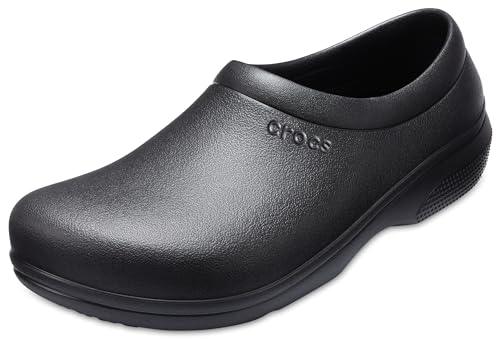
Clogs can be great if they fit snugly. They offer easy on/off and often have solid arch support. But they can trip if they don’t secure the foot. I prefer lace-up or secure slip-on shoes with a heel lock for busy shifts. The best shoes for Starbucks barista work keep your foot stable and secure.
Sizing advice for narrow or wide feet
For narrow feet, look for shoes with adjustable laces and a firm heel cup. For wide feet, prioritize roomy toe boxes and brand models with wide options. Try shoes with the socks you wear at work. I often recommend trying a full day in a rental or borrowed pair before buying expensive shoes.
Sole stiffness: a delicate balance
A sole that’s too stiff can make walking awkward. One that’s too soft can compress under your weight and hurt your arch. I aim for a sole that bends at the ball of the foot but has enough midfoot support to feel stable. This balance is central to what makes the best shoes for Starbucks barista staff.
How to prevent blisters
- Choose the right sock material: cotton blends can trap moisture; synthetic wick better.
- Break in shoes gradually.
- Use moleskin at hotspots during the first wears.
These steps stop small issues from becoming painful. I learned this the hard way and now keep blister patches in my kit.
Shoe recommendations by shift type
- Short shifts (3–4 hours): Lightweight sneakers with breathability.
- Full shifts (8+ hours): Shoes with robust midsole support and slip-resistant sole.
- High-spill environments: Water-resistant uppers and aggressive tread patterns.
Matching shoe type to shift needs helps me pick the best shoes for Starbucks barista life.
Sustainable and vegan options
If you prefer vegan materials, look for synthetic leathers and textiles labeled durable. Sustainable options now include recycled midsoles and plant-based foams. I’ve found several eco-friendly shoes that don’t sacrifice slip resistance or support. They can be pricier but worth it for values-aligned shopping.
What to pack in a barista shoe kit
I keep a small kit in my car. It has deodorizer pouches, spare laces, a brush, and blister patches. I also carry an extra pair of socks. These items make shoe issues easy to handle on busy days.
When to replace shoes
Replace shoes if treads are worn flat or cushioning is hard. If shoes let your foot slide on the insole, that’s a sign. If you feel more foot or back pain than before, get a new pair. Regular replacement keeps you safe and comfortable.
How often should you rotate shoes?
I rotate between two pairs when possible. Rotation lengthens life and keeps insoles fresher. I change shoes after long shifts so each pair can air out. This simple habit improved comfort and shoe lifespan for me.
Understanding return policies
Check the seller’s return policy before buying. Amazon and other major retailers often have generous returns. Try shoes in your normal work socks to avoid the hassle of returns. A good return policy takes the risk out of online purchases.
Best socks for baristas
Look for moisture-wicking socks with light cushioning. Crew-length socks protect the ankle from rubbing. Seamless toes reduce hotspot formation. The right sock pairs with the best shoes for Starbucks barista work to reduce fatigue and blisters.
Comparing cross-training shoes to work shoes
Cross-trainers can be comfortable and lightweight. But many lack slip-rated outsoles for wet tiles. Work shoes designed for food service often have better traction and protection. Choose cross-trainers only if they have proven slip resistance and durable outsoles.
A quick checklist before you buy
- Are they slip-resistant?
- Do they fit with your work socks?
- Is there enough arch support?
- Can they handle spills?
- Do they meet store dress rules?
If you answer yes to these, you’re close to finding the best shoes for Starbucks barista shifts.
FAQs Of best shoes for starbucks barista
Do I need slip-resistant shoes at Starbucks?
Yes. Starbucks floors can be wet and sticky. Slip-resistant shoes cut the risk of falls and injuries. I always pick shoes with proven SR or similar traction for safety.
Can running shoes be used for barista work?
Sometimes. Running shoes can be comfy but may lack slip resistance. Only use them if the outsole grips well on wet tile. I prefer shoes made for food service or work if you handle spills often.
How often should baristas replace shoes?
Replace shoes when treads wear flat or cushioning compresses. For daily shifts, expect 6–12 months. Rotate shoes to extend life. I replace sooner if I feel more pain or slipping.
Are slip-on clogs a good choice?
They can be, if they fit securely and have slip-resistant soles. Avoid loose clogs that let your foot slide. I like clogs with a heel strap or firm fit for busy shifts.
What are the best materials for barista shoes?
Mesh and treated synthetics work well. Mesh breathes and dries fast. Synthetic leather or treated uppers repel spills. Choose a mix for comfort and durability.
Final Verdict: Which Should You Buy?
The HI-TEC Resist SR Runner is a strong choice if you want a breathable, slip-resistant shoe that won’t weigh you down. It balances grip, comfort, and price well for baristas who need reliable footwear.
If you need wider widths, water resistance, and a lightweight feel for long shifts, the HI-TEC fits the bill as one of the best shoes for Starbucks barista needs. It’s a practical value that performs on tile and behind the counter.
Madison Clark is a footwear expert and the voice behind MyStyleGrid.com. She specializes in honest shoe reviews, style tips, and practical guides to help readers find the perfect pair for any occasion. With years of experience in blogging and content creation, Madison makes footwear knowledge simple, stylish, and easy to follow.