Quick answer: The best shoes for venous insufficiency combine compression socks with roomy, supportive footwear.
I’ve watched friends and patients battle leg swelling, aching, and slowed recovery after long days on their feet. Finding footwear that eases swelling, improves circulation, and still feels good all day can change daily life. I’ll walk you through practical options that pair with compression gear and comfort-first shoe designs to keep legs moving and pain down.
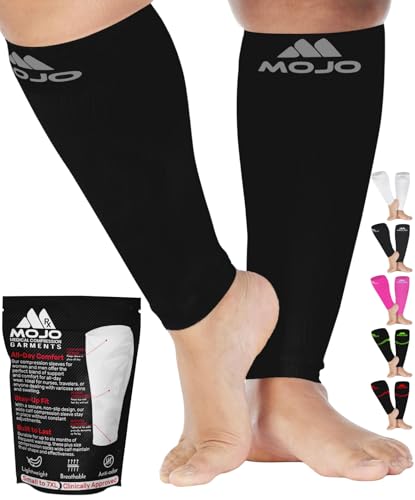
Mojo 2XL Black Compression Socks

I use these Mojo 2XL Black Compression Socks when I need steady 20-30 mmHg support for swollen calves. The knit feels firm but not choking. They’re easy to pull on and keep legs feeling less heavy after a long day.
The wide calf fit matters if you need extra room without losing graduated compression. I found them to pair well with roomy shoes and dress boots. They hold up after repeated washing and keep compression consistent.
Pros:
- Wide calf fit for larger legs
- Reliable 20-30 mmHg graduated compression
- Durable knit that resists sagging
- Neutral black color works with many outfits
- Good value for consistent daily wear
Cons:
- Can be warm in hot climates
- 2XL sizing may vary by leg shape
My Recommendation
If you need strong, wide-calf compression to manage swelling from venous insufficiency, I recommend these Mojo socks. They suit people who wear compression daily and need a sturdy, wide fit that pairs with casual shoes. I found they worked best with supportive walking shoes and slip-ons that have room at the ankle.
| Best for | Why |
|---|---|
| Wide calves | Roomy band avoids cutting circulation |
| Daily wear | Durable knit keeps compression level |
| Professional look | Black color pairs with work attire |
Mojo 3XL Pink Open-Toe Socks

These Mojo 3XL open-toe socks give me the space I need in my toes while still delivering 20-30 mmHg compression up the calf. The open toe design helps with shoe fit. I use them in sandals or when I want toe freedom with compression benefits.
The pink color is cheerful and I noticed better airflow with the open toe design. The wide calf sizing reduces pinching. They wash well and remain supportive after many cycles.
Pros:
- Open toe for better shoe fit and breathability
- Extra-wide 3XL cuff for larger calves
- Effective 20-30 mmHg compression level
- Comfortable knit with good hold
- Bright color for a less clinical look
Cons:
- Open toe can feel exposed in cold weather
- Not ideal for tight dress shoes
My Recommendation
If you need room at the toes and still want graduated compression, these Mojo 3XL Pink Open-Toe Socks are a great pick. I recommend them for people who wear open shoes or need toe space due to bunions or swelling. Pair them with wide shoes or sandals for best comfort when managing venous insufficiency.
| Best for | Why |
|---|---|
| Open-toe shoe users | Keeps toes free while compressing calf |
| Large calves | 3XL sizing prevents tight bands |
| Warm weather | Better airflow than full-toe socks |
Scurtain Wide Toe Box Shoes

Scurtain’s wide toe box shoes are built for swollen or sensitive feet. The zero-drop, barefoot style keeps my foot flat and aligned. The knit upper is breathable and soft, reducing pressure on bunions and edema-prone areas.
I wear them with compression socks when I walk. The roomy toe box prevents pinching and gives toes space to spread. They’re lightweight and provide a stable platform for steady strides.
Pros:
- Wide toe box reduces pressure on swollen toes
- Zero-drop sole supports natural gait
- Breathable knit upper for airflow
- Non-slip outsole suitable for nursing or standing work
- Lightweight for all-day wear
Cons:
- Minimal cushioning may not suit everyone
- Style is casual, not dressy
My Recommendation
I recommend Scurtain Wide Toe Box Shoes for folks with swollen feet or bunions who need room and a natural foot position. I find them ideal when paired with compression socks for venous insufficiency because they don’t compress toes or deform the shoe fit. If you value toe comfort and stable walking, these are a great choice.
| Best for | Why |
|---|---|
| Swollen toes | Spacious toe box prevents rubbing |
| Natural walkers | Zero-drop sole supports gait |
| Work on feet | Lightweight and non-slip for long shifts |
Mojo Plus Size Knee-High Socks
These Mojo plus-size knee-highs deliver firm compression while fitting larger calves comfortably. I find them easier to put on than firmer medical stockings. The open toe lets me wear them with sandals or wide shoes without crowding the forefoot.
The build feels supportive through the ankle and calf where venous insufficiency causes the most trouble. For travel or long shifts, they reduce pooling and heaviness. They remain snug after many wears.
Pros:
- Plus-size fit without sacrificing compression
- Open toe allows flexible shoe pairing
- Good compression for standing or travel
- Comfortable band that doesn’t roll
- Easy to wash and maintain
Cons:
- May feel tight at first while breaking in
- Open toe might not suit closed-toe shoes
My Recommendation
For anyone with larger calves who needs everyday compression, I recommend these Mojo Plus Size Knee-High Socks. I use them with roomy sneakers and orthotic-friendly shoes to manage symptoms of venous insufficiency. They balance powerful compression with a forgiving fit for swollen legs.
| Best for | Why |
|---|---|
| Plus-size users | Tailored wide cuff prevents pinching |
| Travelers | Reduces swelling on flights |
| Daily compression | Consistent support for long shifts |
Mojo Grey Open-Toe Knee-High Socks

The grey Mojo knee-highs are a great neutral option for everyday wear. The open toe helps me fit shoes comfortably while keeping firm compression along the calf. I like the opaque finish for a less medical look.
They provide steady 20-30 mmHg compression that helps reduce evening swelling. I pair them with adjustable comfort shoes to prevent pressure at the ankle. They also dry quickly after washing.
Pros:
- Neutral grey for casual or dress wear
- Open toe improves shoe fit
- 20-30 mmHg for therapeutic support
- Opaque fabric hides wear and stains
- Good for both men and women
Cons:
- May still feel warm in summer
- Not as discreet under thin trousers
My Recommendation
I recommend Mojo Grey Open-Toe Knee-High Socks for people who want therapeutic compression with a neutral, less clinical look. I often pair them with supportive walking shoes because the open toe helps avoid toe crowding when treating venous insufficiency. They’re a practical everyday solution.
| Best for | Why |
|---|---|
| Neutral style | Grey matches many outfits |
| Daily compression | Comfortable long-term wear |
| Travel-ready | Open toe eases shoe choices |
LeIsfIt Wide Diabetic Walking Shoes

LeIsfIt shoes are made for wide, sensitive feet. The adjustable straps let me dial in fit as swelling changes. The soft interior protects pressure points and reduces friction on tender skin.
I wear them with compression socks for long walks or errands. They have a zero-drop, flexible sole that supports natural motion. For people with edema or diabetic neuropathy, they provide secure yet gentle support.
Pros:
- Adjustable closure for changing swelling
- Extra-wide fit for edema or arthritis
- Breathable design reduces moisture
- Soft interior prevents skin irritation
- Lightweight for daily walking
Cons:
- Casual look may not suit formal wear
- Less arch support for high arches
My Recommendation
I recommend LeIsfIt Wide Diabetic Walking Shoes for people who need extra room and easy adjustability. I often suggest them to patients with venous insufficiency who also have diabetes or neuropathy. Pair them with supportive insoles and compression socks for the best results managing swelling.
| Best for | Why |
|---|---|
| Diabetic or neuropathic feet | Soft interior protects skin |
| Variable swelling | Adjustable straps accommodate changes |
| Everyday walking | Lightweight and breathable |
MGANG Thigh-High Compression Sleeve

MGANG thigh-high sleeves bring compression higher for people with post-thrombotic or extensive venous insufficiency. The grip top keeps them from slipping, which I appreciate during long days. They provide consistent graduated compression up the thigh.
I use these when calf-only socks don’t give enough control. They help minimize pooling above the knee. The fabric is smooth under clothing and easy to combine with supportive footwear for circulation-friendly movement.
Pros:
- Extends compression above the knee
- Grip top prevents sliding
- 20-30 mmHg offers therapeutic strength
- Smooth material fits under clothes
- Good for post-thrombotic management
Cons:
- More effort to put on than knee-highs
- Thigh sizing critical for comfort
My Recommendation
I recommend MGANG Thigh-High Compression Sleeves when calf compression alone isn’t enough for venous insufficiency. I choose them for clients with higher pooling or post-thrombotic syndrome. Use them with roomy shoes that support walking to get circulation benefits across the leg.
| Best for | Why |
|---|---|
| Thigh-level swelling | Extends compression area |
| Post-thrombotic care | Helps reduce pooling above knee |
| Under-clothing wear | Discrete and smooth fabric |
Besroad Extra Wide Diabetic Shoes

Besroad extra wide diabetic shoes give maximum room and gentle containment. The slip-on design simplifies getting shoes on when hands or mobility are limited. The footbed is cushioned and reduces pressure on key points under the foot.
I pair them with compression socks to control leg swelling and protect feet. The adjustable closure means I can loosen or tighten as edema shifts. For all-day comfort, they handle walking and household tasks well.
Pros:
- Extra-wide fit for swollen feet
- Adjustable closure for flexible fit
- Cushioned footbed reduces pressure
- Easy slip-on for limited mobility
- Durable for daily wear
Cons:
- Bulky look for dress occasions
- May need orthotic insert for arch support
My Recommendation
I recommend Besroad Extra Wide Diabetic Shoes if you need roomy, protective footwear to pair with compression for venous insufficiency. I choose them for patients who value easy on/off and foot protection. They’re practical and supportive for daily life when swelling is a concern.
| Best for | Why |
|---|---|
| Severely swollen feet | Extra width prevents pressure |
| Limited mobility | Slip-on ease helps daily dressing |
| Protective footwear | Cushioned footbed reduces trauma |
Women’s Orthopedic Slip-On Loafers

These orthopedic slip-on loafers offer a blend of style and support. The elastic lacing system adjusts to swelling while keeping the foot secure. They have good arch support and a cushioned heel that reduces impact.
I use them for work days when I’m on my feet but still need a presentable shoe. The slip-on design is practical and they pair well with compression socks. They’re a good middle ground between dress shoes and athletic sneakers.
Pros:
- Easy slip-on with elastic laces
- Arch and heel cushioning for comfort
- Supportive for long standing shifts
- Professional look suitable for work
- Adjusts to mild swelling during the day
Cons:
- Not wide enough for severe edema
- Slight break-in time for the upper
My Recommendation
If you need a professional-looking shoe that still supports swollen feet and pairs with compression socks for venous insufficiency, I recommend these orthopedic slip-ons. I’ve found them useful for nurses and retail workers who need both comfort and a neat appearance. They combine protection with a tidy look.
| Best for | Why |
|---|---|
| Work on feet | Cushioning reduces fatigue |
| Professional look | Clean design fits uniforms |
| Mild swelling | Elastic laces adapt throughout the day |
Git-up Arch Support Walking Shoes

Git-up walking shoes deliver reliable arch support and a roomy toe box. The breathable upper keeps my feet cool. The outsole grips well and the midsole offers firm support for pronation control.
I often suggest these for people who need arch support while using compression socks for venous insufficiency. They reduce foot fatigue and help maintain a healthy stride. They feel stable on both pavement and tiled floors.
Pros:
- Good arch support for flat feet
- Breathable fabric reduces moisture
- Roomy toe box for swollen toes
- Non-slip outsole for safety
- Balanced cushioning for walking
Cons:
- Slightly heavier than minimalist shoes
- Style is athletic, not formal
My Recommendation
For walking and daily exercise while treating venous insufficiency, Git-up Arch Support Walking Shoes are my top pick. I like them for people who need stability and arch support. Pair them with 20-30 mmHg compression socks to reduce swelling and improve circulation during activity.
| Best for | Why |
|---|---|
| Walkers and exercisers | Supportive midsole reduces fatigue |
| Flat feet | Arch support helps alignment |
| Everyday comfort | Cushioned but stable ride |
FAQs Of best shoes for venous insufficiency
What features should I look for in shoes for venous insufficiency?
Look for a roomy toe box, good arch support, cushioned midsoles, and adjustable closures. Shoes that allow compression socks to fit without crowding toes work best. Breathable materials and non-slip soles add daily comfort and safety.
Can I wear compression socks with any of these shoes?
Yes. I wear compression socks with roomy shoes, slip-ons, and adjustable closures. Open-toe compression socks help when shoes are tight at the forefoot. Choose shoes with removable insoles if you need orthotics along with compression.
Are higher compression levels better for venous insufficiency?
Not always. I recommend using the compression level advised by your clinician. Many people benefit from 20-30 mmHg, but severe cases may need prescription levels. Too much compression can be harmful, so follow medical guidance.
How do I reduce swelling during long flights or shifts?
Wear graduated compression socks, move frequently, and choose supportive shoes. I also suggest elevating legs when possible and drinking water to help circulation. Shoes with good support prevent extra strain on your veins.
When should I see a doctor about leg swelling?
See a professional if swelling is sudden, painful, warm, red, or accompanied by skin changes. I tell people to seek care for wounds, persistent swelling, or signs of infection. Prompt evaluation ensures safe, effective treatment for venous insufficiency.
Final Verdict: Which Should You Buy?
For managing venous insufficiency, I prioritize a combo: therapeutic compression and shoes with roomy toe boxes plus arch support. Compression socks like Mojo (20-30 mmHg) paired with supportive shoes such as Git-up or Besroad offer the best balance of circulation and comfort.
Pick the option that fits your leg and lifestyle. I recommend the best shoes for venous insufficiency based on width, adjustability, and support to keep swelling down and walking easier.
Madison Clark is a footwear expert and the voice behind MyStyleGrid.com. She specializes in honest shoe reviews, style tips, and practical guides to help readers find the perfect pair for any occasion. With years of experience in blogging and content creation, Madison makes footwear knowledge simple, stylish, and easy to follow.