The best snowboard boots for high arches combine roomy instep fit, strong heel hold, warmth, and easy fine-tuning.
If your feet ache across the top after one run, your boots may be squeezing your high arches. A poor fit can cause numb toes, heel lift, and weak board control. I know how fast that pain can ruin a good snow day. The right snowboard boots should hold your heel without crushing your instep. They should also leave enough room for a supportive insole. Below, I review ten practical options for riders who need more arch comfort, better volume, or a smart fit adjustment.
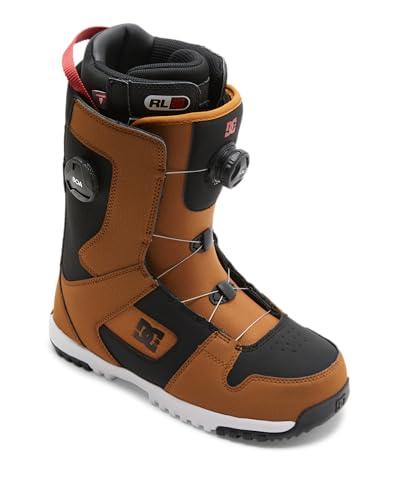
DC Phase Boa Pro Snowboard Boots

The DC Phase Boa Pro is a strong pick for riders who want fast tightening and a secure fit. Its BOA closure helps spread pressure across the boot instead of forcing one tight spot over the arch. That matters when your foot has a tall instep. I also like the simple dial system for quick changes in cold weather.
This boot suits riders who value comfort over an ultra-stiff race feel. The soft to medium flex can feel forgiving on turns and small mistakes. A heat-moldable liner, if included with the exact model and size, may improve the fit after a few warm rides. Always confirm the current product details before ordering, since materials and stock can change by season.
Pros:
- BOA closure allows quick fit changes
- Helpful for riders who dislike tight laces over the instep
- Forgiving flex supports casual and all-mountain riding
- Easy to adjust while wearing gloves
- Good balance of comfort and board response
- Works well with a supportive snowboard insole
Cons:
- May feel too soft for aggressive riders
- One dial gives less zone control than dual-BOA boots
- High arches still need careful size selection
DC Phase Boa Snowboard Boots

The standard DC Phase Boa offers a simple path to a comfortable snowboard boot. Its single dial helps create an even hold without the uneven pull that can come from traditional laces. That is useful for high arches, since over-tightening the top eyelets can create hot spots. The design also makes this boot approachable for new riders.
I would consider this model for resort riders, beginners, and anyone who wants a soft ride. The forgiving feel makes it easier to flex the boot into a turn. It may also pair well with a thin, high-arch insole, as long as the added support does not crowd the boot. Try the boot with your normal snowboard socks before committing to a full day.
Pros:
- Simple BOA adjustment
- Soft flex feels friendly for new riders
- Fast entry and exit
- Even pressure can reduce instep hot spots
- Comfortable choice for groomed resort runs
- Often easier to fit than stiff performance boots
Cons:
- Limited support for very aggressive riding
- Single-zone adjustment may not suit every foot shape
- Soft boots can pack out with heavy use
Boxum Ski Boot Shims

The Boxum ski boot shims are not snowboard boots, but they can solve a common fit problem. A thin shim can reduce extra space inside a boot after the liner settles. This may help riders whose heel lifts while the forefoot feels fine. The inserts are also useful when a boot has slightly more internal volume than your foot needs.
I would use these shims with care. A high arch does not always need less volume under the foot; it often needs support in the right place. Test one shim at a time, and check that your toes still move freely. The goal is a snug heel and stable foot, not a tight boot that blocks blood flow.
Pros:
- Inexpensive way to fine-tune boot volume
- Can reduce heel lift
- Useful after liners pack out
- Light and easy to install
- May improve board control in a loose boot
- Helpful for riders between sizes
Cons:
- Not a full arch-support solution
- Wrong placement can create pressure points
- May not fit every boot liner shape
DC Judge Step On Snowboard Boots

The DC Judge Step On is made for riders who want quick entry and a firm ride. The Step On system can save time at the lift line. It also gives a direct connection between boot and binding when used with compatible Step On bindings. For high-arch riders, the main attraction is the structured shell and secure heel hold.
This boot is best for experienced riders who want strong response. Its stiffer feel can support fast edge changes and hard carving. However, a stiff boot leaves less room for a poor fit. Measure both feet, follow the brand size chart, and check the instep before buying. Never assume that a larger size will fix an arch problem.
Pros:
- Fast step-in convenience
- Firm response for carving and speed
- Strong heel security
- Good option for compatible Step On setups
- Less time spent adjusting bindings
- Supportive feel for all-mountain terrain
Cons:
- Requires compatible Step On bindings
- Stiff flex may feel harsh for beginners
- Less forgiving when the instep fit is wrong
System APX Traditional Lace Boots
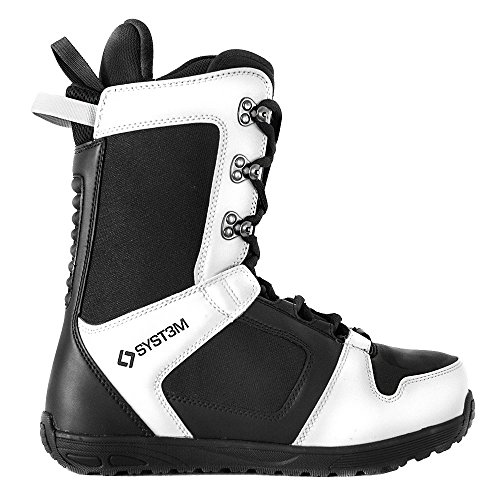
The System APX uses traditional laces, which can be a real advantage for unusual foot shapes. You can loosen the top area over a high arch while keeping the lower section snug. That level of manual control is hard to match with one dial. It also lets you make small changes during the day.
I see this as a value-minded choice for riders who do not mind taking time to lace their boots. The traditional closure may feel familiar to people who prefer a classic fit. The boot can work well for beginners and occasional riders, but expectations should match the price. Check the liner, sole, and stitching when the boots arrive, and return them if the fit creates pain.
Pros:
- Fine adjustment across separate lace areas
- Easy to create more instep room
- Good entry-level price potential
- Classic look and familiar feel
- No dial or cable to replace
- Useful for riders with different foot shapes
Cons:
- Slower to tighten than BOA boots
- Laces can loosen during a long day
- May offer less refinement than premium boots
Sidas 3Feet High Arch Insoles

The Sidas 3Feet High Arch insole targets the support issue directly. It uses a shaped footbed to help fill the space beneath a high arch. The design may spread pressure across more of the foot instead of leaving the arch unsupported. It also adds a layer of warmth and cushioning for winter use.
An insole can change a boot more than many riders expect. It may improve comfort, reduce foot movement, and help the leg feel more stable over the board. The key is volume. If the insole raises your foot too far, it can press the top of the boot against your instep. Trim it carefully, and compare it with the original footbed before riding.
Pros:
- Made for high-arch foot shapes
- Can improve underfoot support
- May reduce foot fatigue
- Winter insulation adds warmth
- Can help stabilize the heel and ankle
- Useful in ski and snowboard boots
Cons:
- May reduce interior boot space
- Support can feel too firm for some feet
- Needs careful trimming for a clean fit
Burton Moto BOA Snowboard Boots

The Burton Moto BOA is a well-known comfort-focused boot for resort use. Its soft flex makes walking, learning, and linking turns feel less demanding. The BOA system allows quick tightening, which helps when the boot settles during the day. For high arches, the softer upper may feel less restrictive than a very stiff shell.
This is a good match for beginners and relaxed riders who want comfort first. It is not the boot I would choose for maximum power on steep terrain. Still, a comfortable boot can help a new rider learn faster because foot pain does not distract from balance. Use a thin sock and avoid cranking the dial too hard over the instep.
Pros:
- Comfortable soft-flex ride
- Quick BOA adjustment
- Friendly for beginners
- Easy to walk in off the board
- May feel less cramped over the arch
- Good fit for casual resort days
Cons:
- Not ideal for aggressive carving
- Soft flex may pack out over time
- Listed size and stock may vary by seller
Alpine Swiss Medium-Flex Boots

The Alpine Swiss snowboard boot aims at riders who want a medium flex for mixed terrain. A medium boot can offer more support than a soft beginner model without feeling like a hard race boot. The waterproof build is useful when you spend long hours in wet snow. A custom-fit liner may also help the boot feel more personal after use.
I would look at this model when comfort, warmth, and price all matter. It can serve a casual all-mountain rider who does not need extreme stiffness. High-arch users should pay close attention to the boot’s internal volume. Start with the stock footbed before adding an arch insole, since a custom liner and insole can take up space.
Pros:
- Medium flex suits varied resort riding
- Water-resistant design supports snowy conditions
- Custom-fit liner may improve comfort
- Balanced choice for newer and casual riders
- Can offer more support than a very soft boot
- Useful winter boot beyond riding days
Cons:
- Fit details may vary by size
- May not match premium boot durability
- Added insoles can make the instep feel tight
Remind Cush High-Arch Insoles

The Remind Cush insole gives snowboarders another way to solve arch pain without replacing a good boot. Its mid-to-high arch shape can help support a foot that feels strained on a flat stock footbed. The cushioned build may also soften impact from hard landings and long lift rides. It is designed for several sports, including skiing, snowboarding, and skating.
I like this type of upgrade for riders whose boots fit well everywhere except under the foot. It can add comfort while keeping the boot’s original closure and flex. Yet every insole changes the fit, so test it indoors first. If your toes go numb or the top of your foot feels squeezed, use a thinner footbed or a boot with more volume.
Pros:
- Targets mid-to-high arch support
- Adds cushioning under the foot
- Useful for snowboard and ski boots
- May reduce fatigue during long sessions
- Can improve foot stability
- Simple upgrade for an existing boot
Cons:
- May be too thick for low-volume boots
- Arch height may feel strong at first
- Does not fix a narrow toe box or poor boot shell
DC Phase BOA Women’s Boots

The DC Phase BOA women’s boot gives female riders a comfort-first option with quick adjustment. Its softer feel can be pleasant for riders who spend most of the day on groomed runs. The single dial reduces the effort needed to tighten the boot. It may also help avoid the uneven pressure that can happen with rushed lacing.
For women with high arches, I would focus on the instep and heel at the same time. A snug heel is important, but the top of the boot should not press hard on the arch. This model is best for beginners, casual riders, and people who prefer a forgiving boot. Pair it with a low-profile high-arch insole only if the boot has enough room.
Pros:
- Women-specific option
- Quick BOA fit adjustment
- Soft flex supports easy turns
- Comfortable for relaxed resort riding
- Easy to use with gloves
- Can suit new snowboarders
Cons:
- May lack response for expert riders
- Single dial offers limited zone control
- Insole upgrades may reduce instep room
How I Choose Snowboard Boots for High Arches
High arches change how a snowboard boot feels. The arch itself is not the only issue. The top of the foot, or instep, often needs more room. If the boot presses there, you may feel burning, tingling, or numbness. I look for a boot that holds the heel and ankle while leaving enough space above the foot.
I also check the closure. Traditional laces offer the most direct control because I can leave the upper laces loose and tighten the lower laces. A BOA system is faster and easier, but one dial may pull the whole boot tight at once. Dual-zone systems offer better control, yet they often cost more.
Flex matters too. Soft boots bend with less effort and often feel more comfortable for beginners. Medium boots give a useful blend of comfort and control. Stiff boots transfer power well, but they can punish a bad fit. For most riders with high arches, I prefer a comfortable medium boot over a stiff boot that causes pain.
What Makes a Boot Good for High Arches?
The best snowboard boots for high arches should have enough vertical volume. That means room from the footbed to the top of the liner. A wide boot is not always the answer. You can have a wide toe box and still feel pressure over the instep.
Heel hold is just as important. If you buy a larger size to make space for your arch, your heel may slide. That movement wastes energy and can cause blisters. I would rather choose the correct length and find a boot with more instep volume.
A heat-moldable liner may help fine-tune the fit. Heat molding can shape the liner around the foot, but it cannot turn a badly sized boot into a good one. Use a trained boot fitter when possible. A professional can check shell length, width, instep height, and heel position.
How to Fit Snowboard Boots With High Arches
Start with the socks you plan to ride in. Thick socks can create pressure and reduce warmth by limiting circulation. A thin, dry snowboard sock usually works better. Place your heel firmly into the back of the boot before tightening it.
Your toes may touch the end when you stand straight. When you bend your knees into a riding stance, your toes should pull back slightly. They should not curl. Your heel should stay down when you lift your toes and flex forward.
Tighten the boot in small steps. Do not pull the upper section as hard as possible. The ankle and heel should feel secure, while the instep should feel supported rather than crushed. Walk for at least ten minutes before judging the fit.
Try both feet. Most people have one foot that is a little longer or wider. Fit the larger foot first. If the smaller foot needs extra support, use a heel wedge or thin shim rather than sizing down both boots.
BOA Versus Traditional Laces for High Arches
BOA boots save time. You turn the dial, set the tension, and ride. They work well when the pressure pattern matches your foot. They also make mid-day adjustments easy.
Traditional laces offer more freedom. You can loosen the section over the arch while keeping the ankle tight. That makes laces a strong choice for riders with very tall insteps. The trade-off is speed. Laces take longer, and some riders need to retighten them during the day.
Neither system is automatically better. The best snowboard boots for high arches are the ones that let you hold the heel without squeezing the top of the foot. Closure type is only one part of the fit.
Should You Add High-Arch Insoles?
Sometimes an insole is the missing piece. A stock footbed may feel flat and let the foot roll or move. A shaped insole can spread pressure and make the stance feel more stable. It may also reduce fatigue during long days.
However, an insole takes up space. A high-arch insert can push the foot upward and increase instep pressure. Remove the original footbed before testing the replacement if the boot design allows it. Never stack thick inserts unless a boot fitter tells you to do so.
Use a gradual break-in plan. Wear the boots indoors for short periods. Ride a half day before taking them on a long trip. Pain that gets worse is a warning, not a normal part of break-in.
Common Mistakes High-Arch Riders Make
The first mistake is buying a larger boot. Extra length does not always create useful arch space. It often causes heel lift and poor control. Choose the correct length, then seek enough instep volume.
The second mistake is tightening the boot too much. Many riders believe a tighter boot gives better control. In truth, excess pressure can restrict blood flow and cause numbness. A secure boot should feel firm, not painful.
The third mistake is ignoring the liner. Liners soften after several rides. A boot that feels perfect in the store may feel loose later. A thin shim or suitable insole can help, but inspect the full fit before adding parts.
The fourth mistake is wearing thick socks. Thick socks can bunch under the arch and create pressure. They can also make your feet cold if they reduce circulation. Choose a smooth, moisture-wicking sock with a slim profile.
My Recommendation
For a soft, easy ride, I would start with the DC Phase Boa Pro or the standard DC Phase Boa. Both offer quick adjustment and a forgiving feel. The Burton Moto BOA is another strong option for beginners who place comfort above hard-charging response. Women who need a softer model can consider the DC Phase BOA women’s boot.
For stronger response, the DC Judge Step On stands out. It suits experienced riders who already use compatible Step On bindings. The System APX makes sense for shoppers who want manual lace control and a lower-cost path. If the boot fits well but lacks underfoot support, the Sidas or Remind insole may be the smarter upgrade.
| Best for | Why |
|---|---|
| Beginner comfort | Burton Moto BOA and DC Phase Boa use a forgiving flex and fast adjustment. |
| Precise instep control | System APX laces let you loosen the upper area while securing the heel. |
| Arch support upgrade | Sidas 3Feet and Remind Cush add shaped support when the stock footbed feels flat. |
My top overall choice depends on the rider. For most people, I would choose the DC Phase Boa Pro because it blends comfort, simple adjustment, and useful all-mountain support. For a high-arch rider who needs a softer boot, the Burton Moto BOA remains appealing. For a rider who needs direct underfoot support, the Sidas 3Feet insert deserves close attention.
Care Tips for Snowboard Boots
Dry your boots after every ride. Remove the liners when possible and place them in a warm, dry room. Do not put them on a hot radiator. High heat can damage foam, glue, and shell materials.
Keep the boots open while they dry. Close the BOA dial only after the boot has cooled and dried. Check laces, cables, hooks, and sole edges before each trip. Small damage can become a large problem in wet snow.
Store boots upright in a dry place during the off-season. Do not leave them in a hot car or damp gear bag. Clean snow from the sole before using the binding. Good care can help the liner keep its shape for more seasons.
FAQs Of Best Snowboard Boots for High Arches
What are the best snowboard boots for high arches?
The best snowboard boots for high arches provide enough instep room, secure heel hold, and adjustable support. The DC Phase Boa Pro is a strong all-around choice. Riders may also improve comfort with Sidas 3Feet or Remind Cush insoles.
How do I know if my snowboard boots are too tight over the arch?
Burning, tingling, numbness, or strong pressure on top of the foot can signal a tight instep. Loosen the upper closure and test the boot again. If pain remains, try a different boot shape rather than simply buying a larger size.
Are BOA snowboard boots good for high arches?
Yes, BOA boots can work well when the boot has enough vertical volume. A single dial is simple but may tighten the whole boot. Traditional laces or dual-zone BOA systems can offer more control over the arch area.
Can insoles fix high-arch snowboard boot pain?
Insoles can help when the stock footbed gives too little support. They cannot fix a boot that is too narrow, too short, or too low over the instep. Check the fit with the original footbed before adding a thicker insert.
Should snowboard boots feel tight when new?
New boots should feel snug, but they should not cause sharp pain or numbness. Your toes may lightly touch the end while standing upright. They should pull back when you bend your knees into a riding stance.
Final Verdict: Which Should You Buy?
The DC Phase Boa Pro is my best overall pick for the best snowboard boots for high arches. It offers comfort, easy adjustment, and a forgiving ride. Choose the DC Judge for stiff response, or add Sidas insoles when arch support is the main need.
A correct fit matters more than a famous label. Measure carefully, allow room over the instep, and check current Amazon sizes and prices before ordering.

Madison Clark is a footwear expert and the voice behind MyStyleGrid.com. She specializes in honest shoe reviews, style tips, and practical guides to help readers find the perfect pair for any occasion. With years of experience in blogging and content creation, Madison makes footwear knowledge simple, stylish, and easy to follow.