The best winter boots for college students combine warmth, waterproof protection, comfort, traction, and a campus-friendly price.
A long walk from the dorm to class can feel endless when snow turns to slush and cold air finds every gap. Wet socks, sore feet, and slippery paths can ruin an otherwise good school day. I looked for winter boots that suit real college life: daily walking, quick outfit changes, shared dorm spaces, limited budgets, and changing weather. The picks below cover warm ankle boots, duck boots, slip-on styles, hiking boots, and useful wool socks. They also offer different levels of insulation and weather protection, so you can choose the right pair for your campus.
SHIBEVER Fur-Lined Winter Ankle Boots

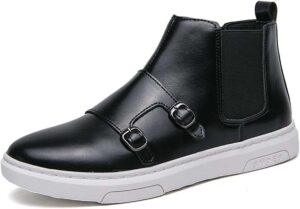
The SHIBEVER fur-lined ankle boot is a practical choice for students who want warmth without a tall, bulky boot. Its short shape fits well with jeans, leggings, and casual campus clothes. The soft inner lining helps keep feet cozy during cold walks between buildings. I also like the simple black look because it works with almost any winter outfit.
This style makes sense for normal snow, cold sidewalks, and wet daily commutes. The ankle height is easy to manage in a dorm room, and the design should feel less tiring than a heavy mid-calf boot. As with any short winter boot, I would avoid deep snow that reaches above the opening. For students who need a warm everyday pair at a sensible price, this is one of the best winter boots for college students.
Pros:
- Soft fur lining adds welcome warmth
- Short ankle shape feels light and easy to wear
- Black color matches many campus outfits
- Useful for daily walks in cold weather
- Easy to put on and remove in a dorm room
- Compact shape saves closet space
Cons:
- Ankle height gives less protection in deep snow
- May need thicker socks in very low temperatures
- Short design may let snow enter if pants ride up
My Recommendation
I recommend the SHIBEVER ankle boot for students who walk a lot but do not face deep snow every day. It suits a city campus, a suburban college, or a school where sidewalks receive regular plowing. The warm lining, simple color, and lighter feel make it easy to wear from an early lecture to a late study session. It is also a good pick for anyone who wants a winter boot that does not look overly rugged.
In my view, this boot offers strong daily value when you need comfort and warmth more than extreme snow protection. Wear wool or thermal socks when the forecast drops sharply. Keep the boot clean and let it dry fully after a wet walk. With those simple habits, it can become a useful part of a college winter wardrobe.
SHIBEVER Waterproof Fur Ankle Snow Boots

This SHIBEVER model focuses on the two things students need most during a messy winter: warmth and water resistance. The black ankle boot has a fur-lined interior that creates a soft barrier against cold air. Its waterproof design is useful when snow turns to slush outside the dining hall. The clean shape also looks more like a daily shoe than a heavy outdoor boot.
I see this pair as a strong choice for campuses with wet winters and frequent light snow. The ankle profile should feel easy to wear on long walks, while the warm lining helps make cold mornings less harsh. It still cannot replace a taller boot for deep drifts or snowshoeing. For everyday campus weather, however, it fits the brief very well.
Pros:
- Waterproof build helps block rain and slush
- Fur lining supports warmth on cold mornings
- Black finish looks neat with casual clothes
- Ankle height allows natural movement
- Good option for wet city sidewalks
- Easy style for daily use
Cons:
- Not designed for very deep snow
- May feel warm indoors if worn all day
- Students may need to check fit with thick socks
My Recommendation
I would choose this SHIBEVER pair for a student who expects slush, rain, and light snow more often than deep powder. It is especially useful for a city campus where a waterproof shoe must move from outdoor paths to heated classrooms. The fur lining adds comfort, and the black color keeps the boot easy to style. That balance makes it one of the best winter boots for college students who want daily protection without a dramatic outdoor look.
The value is strongest for students who want one pair for most winter errands. Before buying, measure your foot and compare it with the seller’s size chart. Leave enough room for a warm sock, but avoid a loose fit that lets the heel slide. A secure fit helps both comfort and stability.
SHIBEVER Slip-On Fur-Lined Snow Boots
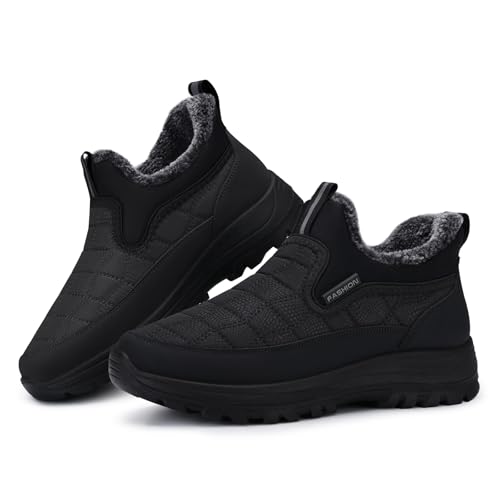
Students often need shoes they can put on fast, and this SHIBEVER slip-on boot answers that need. There are no laces to tie when you are rushing to an 8 a.m. class. The fur-lined interior gives the boot a warm, cozy feel, while the waterproof outer design helps handle damp winter paths. Its black ankle shape also works well for simple everyday outfits.
The slip-on design is helpful in dorms, apartments, and shared entryways. It makes quick trips to the mailbox, dining hall, or library much easier. The anti-slip design is a useful feature, but no winter sole can make every sheet of ice safe. I would still take short steps and use cleared paths when conditions are poor.
Pros:
- Slip-on design saves time during busy mornings
- Warm fur lining feels comfortable in cold weather
- Waterproof outer helps resist wet conditions
- Anti-slip sole supports better footing
- Black color gives the boot broad outfit appeal
- Good for quick trips around campus
Cons:
- Slip-on boots may offer less adjustment than lace-up boots
- Ankle height is limited in deep snow
- Fit may vary for students with wide feet
My Recommendation
This is one of my favorite options for students who value speed and simple care. It is best for dorm residents, commuters, and anyone who makes many short outdoor trips each day. The warm lining helps in cold air, while the slip-on design removes one small hassle from a busy schedule. If you dislike laces or want a boot for quick errands, this model deserves attention.
I would not make it my first choice for long hikes or serious winter storms. For routine campus use, its comfort and easy entry provide real value. Check the fit around the heel before keeping it. A slip-on boot should feel secure without pressing the toes.
ALEADER Women’s Waterproof Duck Boots

The ALEADER duck boot brings a more outdoor-focused feel to this list. Duck boots are known for their useful mix of a water-resistant lower section and a warmer upper area. This model is made for snow, wet ground, and cold outdoor use. The beige color adds a softer look for students who do not want every winter item in black.
I like this style for students who deal with changing conditions. The structured shape can feel more supportive than a soft ankle boot, especially during longer walks. Its insulation is helpful in cold weather, but students should still pair it with socks that manage moisture. Warmth works best when feet stay dry, so avoid cotton socks if you expect a long day outside.
Pros:
- Duck boot design suits snow and wet ground
- Insulated construction supports cold-weather comfort
- Waterproof protection helps during slush and rain
- More outdoor-ready than a simple fashion boot
- Beige color offers a fresh alternative to black
- Useful for longer outdoor walks
Cons:
- May feel heavier than a soft ankle boot
- Duck boot styling may not suit every outfit
- Can feel warm inside heated classrooms
My Recommendation
I recommend the ALEADER duck boot for students who face wet snow, frequent rain, or long outdoor walks. It is a strong fit for large campuses, rural colleges, and schools with less reliable sidewalk clearing. The insulation and waterproof design give it a practical edge when the forecast looks rough. Among the best winter boots for college students, this is one of the better choices for weather protection.
The trade-off is a slightly more substantial feel. If you prefer a light, sneaker-like boot, another option may suit you better. If protection matters most, the duck boot shape is worth the small increase in bulk. It can also serve beyond campus for winter errands and outdoor activities.
Clothirily Warm Wool Socks, Five Pairs

Good winter boots need good socks, and the Clothirily five-pair set is a smart add-on for college life. Thick knit socks add a soft layer between your foot and the boot lining. Wool and wool-blend fibers are valued because they help manage warmth and moisture better than basic cotton. A five-pair pack also makes laundry day less urgent during a busy school week.
These crew socks can help fill a boot without leaving the lower leg bare. They work well with ankle boots, hiking-style boots, and mid-calf winter boots. I would check the boot fit before using thick socks, since a tight boot can reduce comfort and circulation. Used with enough toe room, warm socks can make a modest boot feel much better.
Pros:
- Five-pair pack adds useful everyday value
- Thick knit gives feet an extra warm layer
- Crew height suits many winter boot styles
- Helpful for students with frequent laundry needs
- Can improve comfort in lightly insulated boots
- Easy gift idea for college students
Cons:
- Thick fabric may make a snug boot feel tight
- May feel too warm indoors for some users
- Care needs may differ from regular cotton socks
My Recommendation
I recommend this pack for students who already own winter boots but still have cold feet. It is also useful for anyone building a first cold-weather wardrobe on a budget. The socks add flexibility because you can use them with several pairs of boots. They do not replace waterproof footwear, but they can make the best winter boots for college students feel warmer and more comfortable.
Choose these socks only after considering the inside space of your boots. The right sock should fit smoothly, without bunching at the toes or heel. Follow the care label to help preserve the fabric. For many students, five warm pairs offer an easy and affordable comfort upgrade.
HARENCE Warm Fur-Lined Slip-On Boots
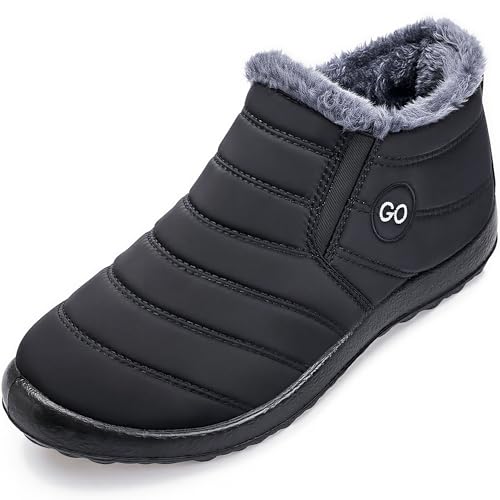
The HARENCE short boot is built around easy use and warm comfort. Its slip-on shape is convenient when you need to leave quickly or take shoes off at a dorm entrance. The fur lining gives the foot a soft feel, while the waterproof design helps with wet winter surfaces. Its short bootie shape is less restrictive than a tall snow boot.
This pair fits students who want a casual boot for daily campus routines. It can handle ordinary snow, cold pavement, and wet paths better than a regular sneaker. The short height means you should not step into deep snow without gaiters or taller footwear. Still, the blend of warmth, easy entry, and everyday style makes it a useful winter option.
Pros:
- Slip-on shape makes dressing quick
- Warm fur lining supports cold-weather comfort
- Waterproof design suits wet campus paths
- Short profile feels casual and flexible
- Good for errands and daily walking
- Easy to remove before entering a dorm room
Cons:
- Short opening gives limited snow coverage
- Slip-on fit has less fine adjustment
- May not provide enough support for long hikes
My Recommendation
The HARENCE boot is best for students who want a simple pair for regular winter days. I especially like it for quick walks, campus errands, and commutes where convenience matters. It is a sensible choice for someone who dislikes laces but still wants a warm, weather-ready boot. Its relaxed shape may also appeal to students who prefer casual shoes.
Pick a taller model if your campus gets deep snow or strong wind. For light and moderate winter weather, this pair gives solid practical value. Wear a moisture-managing sock and dry the boots after use. That routine helps protect both comfort and boot life.
Cliffs by White Mountain Duena Hiking Boot

The Duena hiking-style boot adds a more structured look than a soft slip-on. Its hiking design can give students a secure feel during long walks across campus. The fleece detail adds warmth and gives the boot a cozy winter look. The mixed winter color scheme also brings more personality than a plain black boot.
I see this as a good bridge between a fashion boot and a light outdoor boot. The hiking shape pairs well with jeans, cargo pants, and casual cold-weather layers. It may feel firmer at first than a flexible ankle boot, so a short break-in period could help. Students should still check the product details for the exact level of waterproof protection before using it in heavy slush.
Pros:
- Hiking style offers a more secure outdoor feel
- Fleece detail adds seasonal warmth
- Distinct color options add style to winter outfits
- Useful for long campus walks
- More structured than many casual booties
- Works for light outdoor recreation
Cons:
- May need time to feel fully broken in
- Water protection should be checked for severe weather
- Hiking style may look less formal than some students prefer
My Recommendation
I recommend the Duena for students who value walking support and a rugged casual look. It suits a spread-out campus where a short trip can turn into a mile-long walk. The fleece detail helps keep the style winter-ready, while the hiking shape gives it more presence than a simple fashion boot. It is also a nice choice for students who want footwear that can handle casual weekend outings.
This boot offers good value when style and walking comfort share equal importance. It may not be the best choice for deep snow unless the weather protection matches your needs. Pair it with warm socks and test it indoors before wearing it on a long day. A little preparation can prevent blisters and cold feet.
Aomigoct Warm Suede Platform Ankle Boots

The Aomigoct platform ankle boot is aimed at students who want a little extra height with winter comfort. Its suede-inspired look gives it a softer, more fashion-focused feel than a duck boot. The platform sole can help lift the foot slightly away from cold ground. It also creates a modern shape that works well with jeans, leggings, and oversized coats.
This boot is best for light winter walking and dry, cold days. Suede-style materials need more care than smooth waterproof surfaces, especially around salt marks and slush. I would use a suitable protective spray if the care instructions allow it. The platform may add comfort for some users, but students should walk carefully on icy paths and check the tread before heavy winter use.
Pros:
- Platform sole adds a touch of height
- Fashionable look suits campus outfits
- Warm design supports cold-weather use
- Raised sole may reduce contact with cold ground
- Useful for light walking and daily wear
- Good alternative to traditional snow boot styling
Cons:
- Suede-style material may need extra care
- Not the strongest choice for deep slush
- Platform soles require care on ice
My Recommendation
I recommend the Aomigoct boot for style-minded students who want winter shoes that feel more like fashion footwear. It works well for a campus with mostly cleared paths and short outdoor stretches. The platform shape adds visual lift, while the warm build keeps the boot suited to cold days. If your wardrobe matters as much as weather coverage, this pair deserves a place on your list of best winter boots for college students.
Choose it with realistic expectations. It is not a substitute for a technical snow boot in a storm. Keep it clean, protect the outer material as directed, and avoid deep puddles. In the right setting, it offers a nice mix of warmth, trend appeal, and everyday use.
COOJOY Waterproof Mid-Calf Winter Boots
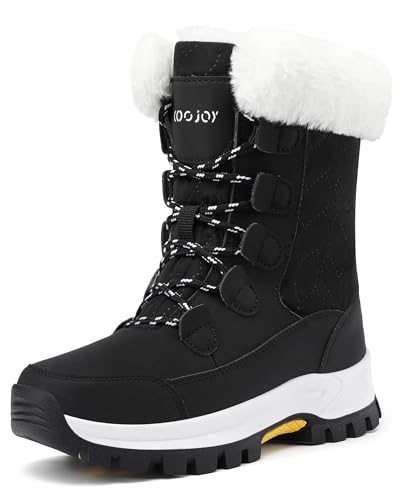
The COOJOY mid-calf boot gives more coverage than the ankle styles in this review. That extra height can help block snow, wind, and splashes around the lower leg. Its furry interior supports warmth, while the waterproof design suits wet walking conditions. Despite its taller profile, the boot is described as lightweight, which matters when you spend hours on campus.
This is a strong option for students who want more protection without moving to a very heavy snow boot. The mid-calf height pairs well with leggings and tucked-in pants, but it may feel less compact in a small dorm closet. I would also check the opening for a comfortable fit over thicker pants. For snowy campuses, the added coverage can be worth the extra size.
Pros:
- Mid-calf height gives useful snow coverage
- Waterproof design helps during wet commutes
- Furry lining supports warmth
- Lightweight feel may reduce walking fatigue
- Good for cold and snowy campus paths
- Works well with leggings and winter layers
Cons:
- Taller boot takes more storage space
- May feel warm in heated buildings
- Opening may feel snug over thick pants
My Recommendation
The COOJOY boot is best for students who face regular snow and want more leg coverage. It is a smart choice for northern campuses, outdoor-heavy programs, and anyone who walks from one end of campus to the other. The waterproof build and furry lining address the two biggest winter problems: wet feet and cold feet. Its lighter feel is another benefit for long school days.
I would choose this model over a short boot when snow often reaches above the ankle. Measure both feet and compare the results with the size chart. Plan for the socks and pants you will wear most often. With a comfortable fit, this is one of the most protective choices in this group.
What Makes the Best Winter Boots for College Students?
The best winter boots for college students must do more than look good in a product photo. A student may walk several miles in one day, wait for a bus, cross wet pavement, and sit in a warm classroom soon after. That means the boot must balance warmth, traction, comfort, weight, and style. I also consider how easy the boot is to store and clean.
Water resistance is one of the first features I check. Snow often melts into cold water, and sidewalk salt can damage some materials. A waterproof boot helps keep moisture away from socks, but no boot stays comfortable if water enters from the top. Choose a height that matches the snow level in your area.
Traction matters just as much as warmth. Look for a sole with a clear tread pattern and a stable feel. Even a good winter sole cannot remove every ice risk, so careful steps still matter. The National Weather Service encourages people to use caution on icy surfaces, and that advice applies to every boot in this guide.
How I Evaluated These Winter Boots
I judged these products through the lens of real college use. I looked at how each style handles cold, wet ground, long walks, quick changes, and everyday clothing. I also considered the trade-offs that product listings may not explain at first glance. A warm boot can be too hot indoors, and a waterproof boot can be too stiff for someone who walks all day.
I paid close attention to boot height. Ankle boots are easy to wear and store, but they cannot stop deep snow from reaching your socks. Mid-calf boots offer more coverage but need more room in a closet or under a desk. Duck and hiking styles may provide a more secure outdoor feel, while slip-on styles save time.
Fit is another major part of my review. The American Podiatric Medical Association has long advised shoppers to choose shoes that fit well and leave enough room for the toes. I agree with that approach. Do not buy a boot so tight that thick socks crush your feet, and do not choose a loose boot that lets your heel slide with each step.
Winter Boot Features Students Should Prioritize
Warm lining and insulation
Fur, fleece, and other soft linings can make a large difference on cold mornings. Still, the lining should not press against your toes. Your foot needs room to move and keep a healthy level of circulation. If you spend long hours outdoors, combine an insulated boot with a moisture-managing wool sock.
Waterproof protection
Waterproof boots are useful in rain, slush, and wet snow. Check the full design, not only the lower shell. Water can enter through seams, the tongue, or the open top. A short ankle boot may work well in light snow but fail when you step through a deep drift.
Traction
A good outsole should feel stable on wet pavement and packed snow. Tread depth and rubber quality both matter. However, no standard campus boot is a guarantee on smooth ice. Walk slowly, use railings, and follow cleared paths when possible.
Weight
Heavy boots can feel like small weights tied to your feet. That may not matter during a short errand, but it can matter during a full day of classes. Lightweight styles often feel easier for daily walking. More protective duck and mid-calf boots may weigh more, so decide how much coverage you truly need.
Ease of entry
Laces give you a closer fit, but they take time. Slip-on boots work well for dorm life and short trips. The best choice depends on your routine. If you often wear thick socks or need a secure heel, adjustable laces may be worth the extra minute.
Ankle Boots or Mid-Calf Boots for Campus?
Ankle boots are usually easier to wear with different clothes. They also take less space and may feel lighter on a long walk. I prefer them for cities with light snow, regular plowing, and more indoor time. They are also easier to dry near a dorm entrance.
Mid-calf boots offer better protection when snow piles up. They can reduce the chance that snow reaches your socks or lower pants. The COOJOY boot is the clearest example in this group. Choose this height if your campus has deep snow, strong wind, or long outdoor routes.
There is no single correct answer. Think of your campus like a daily map. If most of your route is cleared pavement, an ankle boot may be enough. If you cross fields, hills, or snowy paths, extra height can feel like a small shield against winter.
How to Get the Right Winter Boot Fit
Measure your feet at the end of the day, when they may be slightly larger. Wear the type of sock you plan to use with the boot. Check that your toes can move, your heel stays mostly in place, and the upper does not pinch. A boot that feels perfect with thin socks may feel too tight with thick wool socks.
Do not rely on your usual shoe size alone. Brands can use different shapes, and winter boots may have thicker linings. Read recent customer feedback for notes about narrow toes, wide openings, or extra room. If you are between sizes, compare the size chart instead of guessing.
Walk on a clean indoor floor after delivery. Test stairs, turns, and a normal stride. This simple test can show pressure points before you wear the boots outside. Keep the packaging until you know the fit works for your feet.
How to Care for Winter Boots at College
Dry wet boots at room temperature. Do not place them directly against a heater, since high heat can damage some materials and adhesives. Remove loose dirt before it dries into the surface. If the inside gets damp, take out the insoles when possible and let air reach the lining.
Salt stains need quick attention. Use the cleaning method recommended for the boot material. Suede-style boots may need a special brush, while smooth synthetic surfaces can often be wiped with a damp cloth. Never use a cleaner without checking whether it suits the material.
Store boots upright or side by side near the entry door. Avoid leaving them in a wet pile with coats and bags. In a small dorm room, a washable tray can protect the floor from melting snow. These small habits help winter boots last beyond one school year.
Best For: Quick Comparison
| Best for | Why |
|---|---|
| Light snow and daily campus wear | SHIBEVER fur-lined ankle boots offer warmth, simple styling, and easy movement. |
| Wet snow and long outdoor walks | ALEADER duck boots and COOJOY mid-calf boots provide stronger weather coverage. |
| Fast dorm trips and extra warmth | SHIBEVER or HARENCE slip-ons save time, while Clothirily wool socks add insulation. |
FAQs Of Best Winter Boots for College Students
What are the best winter boots for college students who walk a lot?
Choose a pair with good traction, a comfortable fit, and moderate weight. The ALEADER duck boot and COOJOY mid-calf boot suit longer outdoor walks. A hiking-style boot such as the Cliffs Duena may also feel more secure on campus.
Are ankle boots warm enough for college winters?
They can be warm enough for light snow and cold sidewalks. Fur-lined ankle boots work best when snow stays below the opening. Choose a mid-calf boot if your campus gets deep snow or strong wind.
Should college students buy waterproof winter boots?
Yes, waterproof protection is useful in rain, slush, and melting snow. It helps keep socks dry during daily commutes. Check the boot height and opening because water can still enter from above.
Can I wear wool socks with fur-lined boots?
Yes, but check the fit first. Thick socks can make a close boot feel too tight. Your toes should move freely, and the boot should not press against the top of your foot.
How can I prevent slipping on icy campus paths?
Use boots with a stable sole and visible tread. Walk slowly, avoid sudden turns, and use handrails when available. Even the best winter boots for college students cannot make smooth ice completely safe.
Final Verdict: Which Should You Buy?
For most students, I would start with the SHIBEVER waterproof fur ankle boot. It offers warmth, useful water protection, easy styling, and a campus-friendly shape. Choose ALEADER or COOJOY when deep snow and long outdoor walks matter more.
The best winter boots for college students should match your campus, climate, and daily route. Pick the right height, leave room for warm socks, and care for the boots after wet use. That simple plan keeps winter walks warmer and

Madison Clark is a footwear expert and the voice behind MyStyleGrid.com. She specializes in honest shoe reviews, style tips, and practical guides to help readers find the perfect pair for any occasion. With years of experience in blogging and content creation, Madison makes footwear knowledge simple, stylish, and easy to follow.