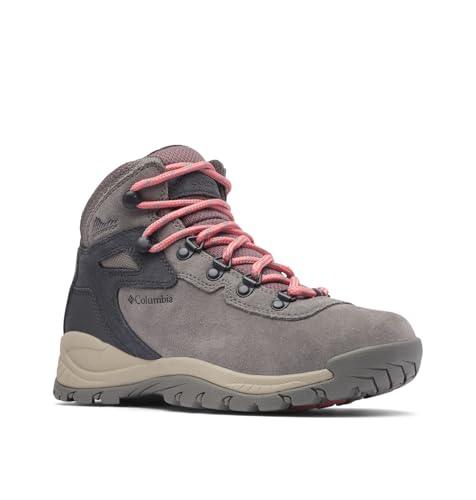
The best women’s hiking boots for metatarsalgia combine roomy toe space, firm cushioning, stable soles, and a secure fit.
A long trail can turn into a slow shuffle when every step sends pain across the ball of your foot. Metatarsalgia often gets worse in boots that pinch the forefoot, bend too easily, or lack useful padding. I look for hiking footwear that spreads pressure, holds the heel steady, and leaves enough room for socks or orthotic inserts. The picks below cover waterproof boots, light ankle styles, wide toe boxes, and supportive insoles. Still, persistent pain deserves advice from a podiatrist before you plan a hard hike.
Viakix Waterproof Women’s Hiking Boots
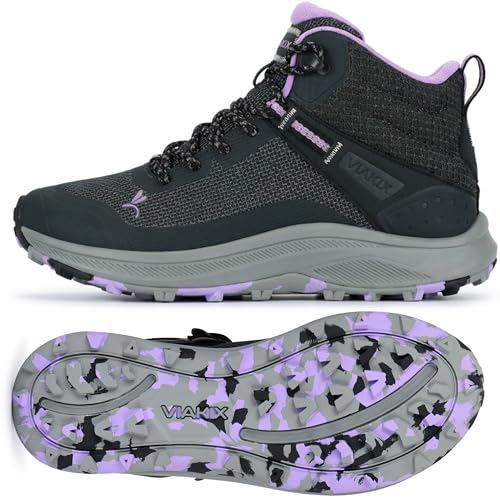
The Viakix women’s waterproof hiking boot is a practical choice for day hikes, wet paths, and casual outdoor use. Its lightweight build matters when forefoot pain makes each extra ounce feel like a small stone in your shoe. The black upper also gives it a simple look that works beyond the trail. For metatarsalgia, I like the idea of pairing this boot with a cushioned hiking sock and a properly placed metatarsal pad.
A waterproof boot can help keep feet dry when puddles and damp grass appear without warning. The ankle height adds a little more structure than a low walking shoe, while the hiking sole should give useful grip on common trail surfaces. Fit still matters most, so check the size chart and allow space in front of the toes. Wear the boots around the house first, because a short break-in period can reveal pressure points before a long trip.
Pros:
- Waterproof design suits damp trails and rainy walks
- Lightweight feel may reduce leg and foot fatigue
- Higher ankle cut adds useful trail coverage
- Black color hides mud and everyday marks
- Works well with supportive socks and insoles
- Versatile style fits hiking and casual outdoor wear
Cons:
- Waterproof materials may feel warmer in summer
- Standard width may not suit every wide forefoot
- Some hikers may want more cushioning for rocky ground
My Recommendation
I recommend the Viakix for women who want a light, waterproof boot for moderate hikes and changing weather. It suits hikers with mild ball-of-foot discomfort who need dry coverage without a heavy backpacking boot. Add a metatarsal insole only if it places support behind the sore area rather than directly under it. As one of the best women’s hiking boots for metatarsalgia, it offers good everyday value when the fit is right and Amazon availability makes replacement simple.
NORTIV 8 Women’s Waterproof Trekking Boots

This NORTIV 8 trekking boot has the look of a traditional outdoor boot with waterproof coverage and a supportive ankle profile. The black and pink color scheme adds personality without changing the boot’s basic trail purpose. A stable upper can help keep the foot from sliding forward on descents, which may reduce extra pressure on the metatarsal area. I would still check the toe shape carefully before ordering.
The boot is aimed at hikers who want protection on uneven ground, not a soft slipper-like feel. Its trekking design may feel reassuring on dirt, gravel, and packed trails. For metatarsalgia, use a smooth, cushioned insole and avoid tightening the laces across the widest part of the forefoot. A heel that stays planted can make a major difference because it limits unwanted movement inside the boot.
Pros:
- Waterproof build helps manage wet trail conditions
- Traditional trekking shape offers strong outdoor coverage
- Ankle support can improve confidence on uneven paths
- Contrasting color adds a distinctive women’s style
- Suitable for day hikes and light trekking trips
- Lace-up closure allows a more personal fit
Cons:
- May feel firmer than a casual walking sneaker
- Color accents may not appeal to every user
- Users with very wide feet may need a larger width
My Recommendation
This model is best for hikers who need waterproof trekking coverage and prefer a boot with a more secure, structured feel. It may suit people who hike on mixed ground and want more protection than a flexible trail shoe provides. I would not choose it without checking forefoot width, especially if swelling increases during long walks. Among the best women’s hiking boots for metatarsalgia, this is a good pick for wet-weather stability and moderate trail use.
Metatarsalgia Insoles With Pad

This product is an insole rather than a hiking boot, but it may solve a common problem: a good boot can still feel harsh under the ball of the foot. A metatarsal pad is designed to sit just behind the metatarsal heads and help spread pressure across the forefoot. That position matters more than simply adding soft foam beneath the sore spot. I see this type of insert as a useful way to fine-tune boots that otherwise fit well.
The insole can be helpful when a boot has a removable factory footbed. Remove the original liner first and compare the thickness before placing the new one inside. A thick insert can make the boot too tight and push the toes into the front, which defeats the goal. Start with short walks and stop if the pad causes numbness, burning, or sharper pain.
Pros:
- Targets pressure beneath the front of the foot
- Can upgrade several pairs of hiking boots
- May add cushioning without buying new footwear
- Useful for hikers testing different support levels
- Removable design makes cleaning and replacement easier
- May help improve comfort on long walking days
Cons:
- Does not provide waterproofing or ankle support
- Incorrect pad placement can increase discomfort
- May reduce interior room in snug hiking boots
My Recommendation
I recommend these insoles for women whose current hiking boots fit well but feel hard under the forefoot. They are especially useful for comparing support before spending money on another pair of boots. They are not a replacement for medical care, and they will not fix a boot that pinches the toes. For shoppers building the best women’s hiking boots for metatarsalgia setup, this insert can be a low-cost comfort upgrade.
Orthopedic Wide Toe Box Hiking Boots

A wide toe box is one of the most important features I look for when reviewing footwear for metatarsalgia. This orthopedic hiking boot is designed with extra room for the toes, plus arch support and a higher instep fit. That combination may help the forefoot spread instead of pressing against a narrow upper. The black ankle-boot style also makes it easier to wear for errands, travel, and light outdoor work.
The waterproof design gives this boot more trail flexibility than a basic orthopedic walking shoe. Its focus is comfort rather than an aggressive backpacking build, so it may work best on parks, sidewalks, gravel paths, and easy-to-moderate trails. The roomier shape can also help when feet swell during a long day. Do not size down to create a snug fit; a secure heel and relaxed toes are the better balance.
Pros:
- Wide toe box gives toes more room to spread
- Orthopedic design addresses several comfort needs
- Arch support may help users with flat feet
- Waterproof upper adds useful weather protection
- Roomy fit can allow thicker hiking socks
- Versatile black style works for daily wear
Cons:
- Wide shape may feel loose on narrow feet
- Orthopedic styling may look less rugged than trail boots
- May need a break-in period around the ankle
My Recommendation
This is my strongest choice for women who mainly struggle with a cramped forefoot, high instep, or pressure from standard boot shapes. It is best for easy and moderate routes where comfort and room matter more than heavy-load support. The wide toe box makes it a standout candidate among the best women’s hiking boots for metatarsalgia. Choose it when everyday comfort, waterproof coverage, and toe freedom sit at the top of your list.
Columbia Newton Ridge Waterproof Hiking Boot

The Columbia Newton Ridge is a familiar name in women’s hiking footwear, and its lightweight waterproof design makes it a strong all-around option. It has the classic look many hikers expect from a leather-like trail boot, but it avoids the heavy feel of old-fashioned hiking footwear. The mid-height cut gives useful ankle coverage on daily trails. For metatarsalgia, I would pair it with a supportive footbed if the stock cushioning feels too basic.
This boot is suited to day hikes, travel, camping, and regular outdoor wear. Its outsole is built for traction on common natural surfaces, although no hiking sole can prevent every slip on wet rock or loose mud. The fit should feel secure at the heel while leaving the toes free to move. Because Columbia offers a broad range of sizes and colors, shoppers should still compare the exact listing’s width and user fit notes before buying.
Pros:
- Lightweight construction reduces the burden of long walks
- Waterproof design supports hiking in damp weather
- Classic styling works on and off the trail
- Mid-height profile provides useful ankle coverage
- Trail outsole offers grip for everyday hiking routes
- Recognized outdoor brand with broad availability
Cons:
- Standard fit may not provide enough forefoot width
- Factory insole may be basic for severe foot pain
- Less specialized than a true orthopedic hiking boot
My Recommendation
I recommend the Newton Ridge for women who want one versatile boot for hiking, travel, and casual outdoor use. It suits mild metatarsalgia when the shape does not press on the forefoot and when an extra insole fits comfortably. It is also a sensible choice for shoppers who value brand recognition and easy availability. In a search for the best women’s hiking boots for metatarsalgia, this model earns attention as a balanced, familiar all-rounder.
Orthopedic Mid Hiking Boots With Arch Support

This gray orthopedic mid boot focuses on arch support, flat-foot comfort, and metatarsal relief. It has a casual sneaker-inspired look, which may appeal to women who want supportive footwear without a very rugged appearance. The mid cut can add a sense of stability while still feeling less bulky than a tall backpacking boot. I view it as a comfort-first option for walking, gym use, errands, and gentle trails.
People with flat feet often notice forefoot pain when the arch and heel do not guide the step well. A supportive footbed may help create a more even platform, but the ideal amount of arch support varies from person to person. The gray upper hides dust and fits many casual outfits. Before a long hike, test the boot with the socks and inserts you plan to use, since interior volume affects pressure.
Pros:
- Arch support may help users with low or flat arches
- Mid height offers a balance of freedom and coverage
- Casual gray style suits daily activities
- Metatarsal-focused design targets front-foot comfort
- Useful for indoor work and outdoor walking
- Sneaker-like look may feel less bulky than a boot
Cons:
- May not offer enough protection for rough backcountry trails
- Arch shape may not suit every foot type
- Gray material can show mud more quickly
My Recommendation
This model is best for women who need arch support and want a comfortable mid boot for light hiking and daily walking. It may help when poor arch support contributes to a tired, overloaded forefoot. I would choose a more rugged waterproof boot for steep, rocky, or multi-day routes. For many casual hikers, however, it belongs on a practical shortlist of the best women’s hiking boots for metatarsalgia.
NORTIV 8 Lightweight Waterproof Ankle Boots

This NORTIV 8 ankle boot is aimed at hikers who want waterproof protection without a tall or heavy shaft. The black design is easy to pair with outdoor clothing, and the lower profile may feel less restrictive around the ankle. A lightweight boot can be helpful when foot pain makes fatigue build early. I would consider this style for parks, local trails, travel, and short day hikes.
The ankle cut provides a little more coverage than a sneaker while preserving a fairly free stride. It may also be easier to put on and break in than a stiff backpacking boot. On the comfort side, the key test is whether the sole bends at the right place without folding under the metatarsals. Add an insole only after confirming that the heel and toe box still have enough room.
Pros:
- Lightweight profile helps keep steps feeling easy
- Waterproof upper supports wet-weather walks
- Ankle height gives moderate trail coverage
- Black color offers a clean, versatile appearance
- Good match for short hikes and daily outdoor use
- Less bulky than many traditional hiking boots
Cons:
- Lower ankle design may not suit heavy backpacking
- Fit may feel narrow for a naturally broad forefoot
- Light construction may offer less rock protection
My Recommendation
I recommend this boot for women who want a light, waterproof option for local trails and travel. It is best for hikers who dislike the weight and stiffness of classic boots but still want more coverage than a sneaker. It may work well with a thin metatarsal insole if the original footbed comes out easily. As one of the best women’s hiking boots for metatarsalgia, it offers a useful mix of low weight, weather coverage, and everyday flexibility.
NORTIV 8 Lightweight Khaki Ankle Boots

The khaki NORTIV 8 ankle hiking boot offers a softer, casual look for women who want trail shoes that do not look overly technical. Its lightweight design can make a difference during long sightseeing days, light hikes, and campsite chores. The ankle shape gives some protection from brush and dust without surrounding the lower leg with a stiff collar. For metatarsalgia, I would focus on the toe room and sole cushioning before focusing on color or style.
Khaki can show dirt, but it also blends nicely with hiking pants and travel clothing. This type of ankle boot may be a good middle ground for people who find sneakers too exposed and tall boots too restrictive. A smooth insole and medium-cushion sock can help reduce friction. If the forefoot feels compressed when standing, choose a different size or width rather than hoping the material will stretch enough.
Pros:
- Lightweight build supports comfortable daily walking
- Khaki color gives the boot a relaxed outdoor look
- Ankle coverage offers more protection than low shoes
- Useful for travel, camping, and easy trail days
- Flexible feel may reduce the sense of foot fatigue
- Easy style transition from trail to town
Cons:
- Khaki fabric may show mud and stains
- Not the best choice for deep snow or hard backpacking
- May need a separate insole for stronger metatarsal support
My Recommendation
This boot is best for women who value a light, casual ankle shoe for easy trails and travel. It fits the needs of hikers who want practical coverage but do not carry heavy loads over rough terrain. I would pair it with a carefully placed metatarsal pad if the sole feels too flat. It is a comfortable-value choice within the best women’s hiking boots for metatarsalgia category, provided the standard fit leaves enough forefoot space.
NORTIV 8 FieldLite Waterproof Boots
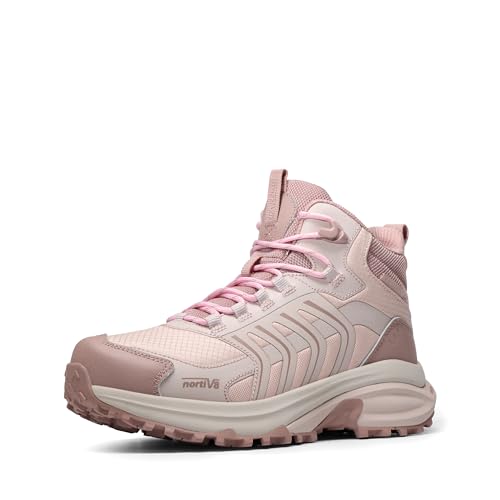
The FieldLite boot gives women a waterproof option with a lighter, more modern outdoor profile. Its light pink color stands out from the usual black, brown, and gray hiking shoes. The design may appeal to hikers who want weather protection without a heavy boot feel. For sensitive metatarsals, I would use a gradual break-in plan and check for pressure under the laces.
A waterproof boot can keep rain and trail splash away, but it can also hold more heat than a breathable mesh shoe. That trade-off makes this model more appealing for spring, fall, and wet climates than for very hot summer hikes. The ankle build should provide useful coverage on maintained trails and campsite paths. As with every boot on this list, a roomy front and stable heel matter more than a fashionable color.
Pros:
- Waterproof design handles wet walks and light rain
- Light pink color offers a fresh outdoor appearance
- FieldLite styling aims to reduce bulky boot weight
- Ankle coverage helps shield feet from trail debris
- Good fit for casual hikes and outdoor errands
- Works with socks and compatible removable inserts
Cons:
- Light color may show dirt faster than black
- Waterproof upper may feel warm in hot weather
- May not provide enough stiffness for heavy loads
My Recommendation
I recommend FieldLite for women who want a light waterproof boot with a bright, casual look. It is best for easy and moderate routes, wet parks, and everyday outdoor use. Hikers with severe or unexplained pain should not rely on a boot alone; proper diagnosis still matters. For shoppers comparing the best women’s hiking boots for metatarsalgia, FieldLite is a cheerful and practical weather-ready option.
NORTIV 8 Lightweight Backpacking Boots

This dark gray NORTIV 8 boot is built with backpacking in mind while keeping the profile lighter than many heavy trekking boots. The taller ankle design may offer more support when the trail becomes uneven or the pack gets heavier. A stable boot can help the foot work with the terrain instead of sliding inside the shoe. That said, stability should never come from squeezing the forefoot.
The dark gray color is practical for muddy paths and regular use. I would consider this boot for longer day hikes, beginner backpacking, and outdoor work where ankle coverage matters. Break-in is especially important because a longer boot can create rubbing above the heel or around the ankle. Use a heel-lock lacing method only after the toes feel free and the ball of the foot feels relaxed.
Pros:
- Backpacking-oriented shape supports longer trail days
- Higher ankle profile can improve perceived stability
- Dark gray color hides dirt and trail dust
- Lightweight design may reduce fatigue from heavy boots
- Useful for uneven terrain and moderate pack loads
- Room for a supportive sock and compatible insole
Cons:
- May feel too structured for short casual walks
- Requires careful break-in around the ankle
- Standard sizing may not fit a wide forefoot
My Recommendation
This boot is best for women who need more ankle coverage for longer hikes or light backpacking. It suits users who want a balance between trail support and manageable weight. I would choose it only after confirming that the toe box does not narrow when the laces are tightened. In the group of best women’s hiking boots for metatarsalgia, this is the stronger choice for distance and uneven ground, not the softest choice for casual walking.
How Metatarsalgia Changes Boot Selection
Metatarsalgia means pain in the front part of the foot, near the ball. It can feel like a bruise, burning, sharp ache, or the sensation of a pebble inside the shoe. Many factors can play a role, including overuse, foot shape, worn footwear, high-impact activity, and pressure from a narrow toe box. The pain does not come from one single cause, so no boot can promise relief for every person.
I start with space. Your toes should not touch the front, and the widest part of your foot should sit over the widest part of the boot. A pointed or tapered upper can push the metatarsals together and make a short walk feel much longer. Look for a rounded front, enough vertical room, and a lacing system that lets you loosen pressure over the forefoot while keeping the heel secure.
Next, inspect the midsole. A very thin, hard sole can send more trail shock toward the metatarsal area. A very soft sole may feel pleasant at first but allow too much movement on hills. I prefer a balanced sole with moderate cushioning, a stable platform, and enough flex near the toes to support a natural step. The ideal boot feels like a firm mattress, not a board or a marshmallow.
An insole can help, but its shape must match your foot. Metatarsal pads usually work best just behind the ball of the foot, where they can help spread load. If a pad sits directly beneath the painful spot, it may increase pressure. Remove the original footbed when possible, and check that the replacement does not lift your foot into the roof of the boot.
Key Features I Look For in Hiking Boots
Roomy Forefoot
A roomy forefoot is not the same as a boot that is simply too large. The heel should stay planted, while the toes should have space to move and spread. Try boots late in the day, since feet often swell after hours of standing. Wear the socks you plan to use on the trail, and test both feet because one foot may be larger.
Useful Cushioning
Cushioning should reduce impact without making the foot wobble. Look for a midsole that feels comfortable during a slow walk and a faster walk. Pressing your thumb into the insole tells you very little about real trail comfort. A short indoor test, followed by a flat outdoor walk, gives better information.
Stable Heel and Midfoot
A slipping heel can push the foot forward on every downhill step. That repeated motion can load the front of the foot and cause hot spots. Lace the boot firmly around the ankle and midfoot, but leave the forefoot less compressed. If your heel still lifts after proper lacing, the boot may not match your foot shape.
Traction and Sole Flex
Good traction helps you walk with more confidence. When you fear slipping, you may grip the ground with your toes and change your step. A balanced hiking sole can reduce that problem on dirt, gravel, and roots. Still, every outsole has limits, especially on smooth wet rock, ice, and loose scree.
Waterproofing and Breathability
Waterproof boots are useful in rain, wet grass, and shallow puddles. They can also feel warm in high heat. Wet feet from sweat may create blisters, so a breathable shoe can be a better choice in dry summer weather. Pick the weather protection that matches your normal trails instead of paying for features you rarely need.
Weight
Heavy boots can increase fatigue over a full day. Fatigue may change your stride and place more stress on the ball of the foot. Lightweight boots often feel easier, but they may sacrifice some stiffness or protection. Match weight to the trail, pack, and level of ankle support you truly need.
How to Get the Right Fit
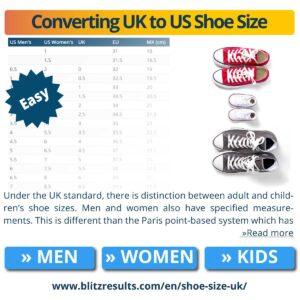
Measure both feet while standing. Your weight spreads the foot more than when you measure while seated. Leave about a thumb’s width between the longest toe and the front of the boot, but do not use extra length to solve a width problem. A longer boot can make your foot slide and create more pressure.
Walk down a gentle slope indoors if the store or home allows it. Your toes should not hit the front. Walk upstairs, bend your knees, and roll from heel to toe. If you feel a hard seam, pinching, burning, or a lump under the metatarsals, do not assume the problem will disappear after break-in.
Try a few lacing patterns. Skip an eyelet over a pressure point, then tighten the upper eyelets to lock the heel. This simple change can make a good boot feel much better. However, lacing cannot turn a narrow boot into a wide one.
Break-In Tips for Sore Feet
Start with 15 to 20 minutes at home. Increase time in small steps over several days. Do not begin with a ten-mile hike, even if the boots feel fine for five minutes. Your feet need time to adapt to the sole, collar, and pressure points.
Use clean, moisture-managing hiking socks. Avoid thick socks if they make the toe box tight. Watch for red marks that remain after you remove the boot. A small hot spot can become a blister when you add heat, sweat, and several miles.
If pain increases during a test walk, stop and reassess. Try a different insole, loosen the forefoot laces, or choose another size. Do not hike through sharp or spreading pain. Medical advice is important when symptoms persist, return often, or include numbness and weakness.
Best Features at a Glance
| Best for | Why |
|---|---|
| Wide forefoot comfort | The orthopedic wide toe box boot leaves more room for toe spread and swelling. |
| Wet-weather day hikes | The Viakix and NORTIV 8 waterproof models help keep feet dry on damp trails. |
| Extra forefoot support | The metatarsal insole can fine-tune a comfortable boot with a removable footbed. |
FAQs Of Best Women’s Hiking Boots for Metatarsalgia
What type of hiking boot is best for metatarsalgia?
Choose a boot with a wide, rounded toe box, moderate cushioning, a stable heel, and a supportive sole. Avoid boots that pinch the forefoot or bend sharply beneath the ball of the foot. The best choice depends on your foot shape, trail, and pain level.
Can waterproof hiking boots help metatarsalgia?
Waterproofing does not treat metatarsalgia, but dry feet can improve comfort and help prevent blisters. Waterproof boots may feel warmer, so they work best when the weather and trail conditions call for them. Always check fit before choosing waterproof materials.
Should I use a metatarsal pad inside hiking boots?
You may, if the pad sits behind the ball of the foot and does not crowd your toes. Start with short walks. Remove it if it causes numbness, burning, or more pain, and ask a foot-care professional for guidance if symptoms continue.
Are lightweight boots better for painful feet?
Lightweight boots can reduce fatigue, but low weight alone does not guarantee comfort. A light boot still needs a stable sole, enough cushioning, and a roomy forefoot. Match the boot to your trail and backpack load.
How much toe room should hiking boots have?
Leave roughly a thumb’s width in front of the longest toe when standing. Your toes should move without touching the upper or front. The heel should remain secure so your foot does not slide downhill.
Final Verdict: Which Should You Buy?
For most hikers, the orthopedic wide toe box boot is the best starting point because it gives the forefoot room. The Columbia Newton Ridge is the best all-around choice, while the metatarsal insole adds flexible support.
The best women’s hiking boots for metatarsalgia should feel stable, roomy, and calm underfoot. Compare fit, cushioning, weather needs, and trail use before ordering.

Madison Clark is a footwear expert and the voice behind MyStyleGrid.com. She specializes in honest shoe reviews, style tips, and practical guides to help readers find the perfect pair for any occasion. With years of experience in blogging and content creation, Madison makes footwear knowledge simple, stylish, and easy to follow.