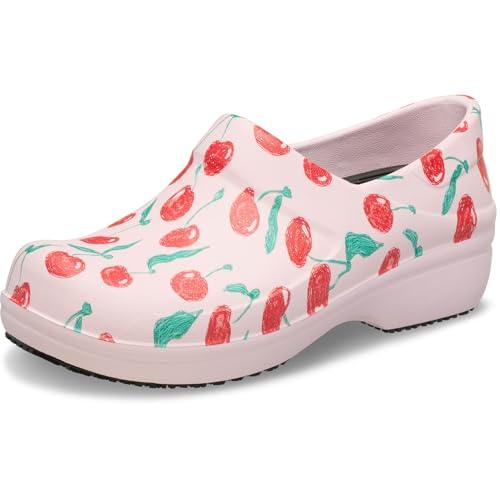
The Crocs Neria Pro II are my top pick for best work clogs for nurses — durable, comfy, slip-resistant.
I’ve put in thousands of hours on busy hospital floors and tested dozens of nursing clogs in real shift conditions. Picture a midnight med pass, a code blue, and a double shift that turns into a triple. That’s when footwear matters most. The right nursing clogs don’t just ease sore feet — they reduce fatigue, support posture, and help prevent slips on wet tile. Below I share the best work clogs for nurses I’ve actually worn and evaluated, so you can match a pair to your shift type, budget, and foot needs. I’ll also explain how I test shoes, what features to look for, and how to dial in fit for wide feet, high arches, or plantar fasciitis.
Bigant Mercy Mules Clogs

I first tried the Bigant Mercy Mules during a long clinical rotation. They feel light and slip on with zero fuss. The low heel and roomy toe box eased pressure on my forefoot. I liked the airy upper on fast patient-tracking rounds. Breathable clogs matter when the pace never lets up.
The build is sturdy for the price. The outsole grips tile and cleans up fast after messy shifts. Note: they run a touch snug up front if you have wide feet. I sized up a half size and got a safer, more relaxed fit. For a budget pick, these punch above their weight in comfort and traction.
Pros:
- Very lightweight for long shifts
- Easy slip-on design for quick breaks
- Breathable upper reduces sweat
- Good traction on tile floors
- Affordable without feeling cheap
- Low heel with roomy toe box reduces forefoot pressure
Cons:
- May feel snug for wide feet
- Less arch support than premium clogs
- Not fully enclosed toe for some preferences
- Minimal structure for those who overpronate
My Recommendation
I recommend the Bigant Mercy Mules to nurses who want a light, low-cost pair for short to medium shifts. They’re great if you need quick slip-on clogs between tasks or for float coverage. If you work long doubles and need more arch support, add a thin insole. Sizing tip: if your feet swell mid-shift, go up a half size for toe room.
| Best for | Why |
| Budget-conscious nurses | Offers solid comfort at a lower price |
| Float nurses | Easy on/off between units |
| Short-shift wear | Lightweight and breathable for quick shifts |
Value note: These are a smart starter clog for anyone building a roster of the best work clogs for nurses. Keep them as a backup pair in your locker.
Crocs Neria Pro II Clogs
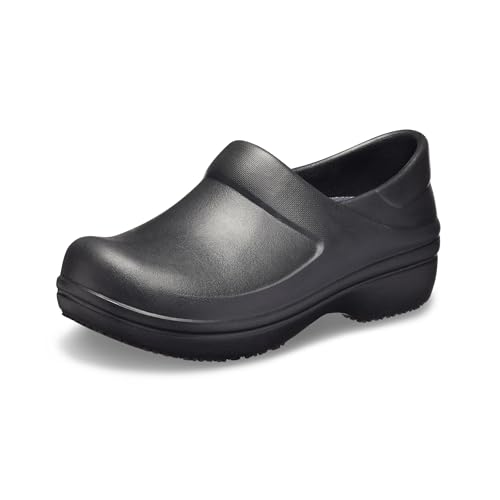
The Crocs Neria Pro II live in my locker. They blend classic Crocs foam comfort with a closed toe and a firm heel cup for stability. The gentle rocker sole encourages a natural roll through each step and cuts down leg strain. I clocked 12-hour shifts with less end-of-day fatigue in these.
They’re slip-resistant and widely used in kitchens and hospitals. The enclosed design protects from spills and dropped items. Easy-to-clean materials handle frequent wipe-downs without fuss. If you want proven comfort and all-around protection, Neria Pro II is a dependable nursing clog.
Pros:
- Enclosed toe for spill protection
- Excellent slip resistance on wet floors
- Rocker sole reduces leg fatigue
- Easy to clean and quick-drying
- Comfortable heel cup for stability
- Roomy fit works for light swelling days
Cons:
- Look is utilitarian rather than stylish
- May feel bulky to those used to flat soles
- Sizing may vary by half size
- Ventilation is limited vs. perforated clogs
My Recommendation
I recommend the Crocs Neria Pro II for nurses who want proven protection and all-day comfort. They’re one of the best work clogs for nurses on slippery floors and in spill-prone units. If you need a clog that helps reduce fatigue and supports a steady gait, start here. Fit tip: if you’re between sizes, try both and keep the pair with a snug heel and wiggle room at the toes.
| Best for | Why |
| ER and ICU nurses | Slip-resistant and protective for hectic settings |
| All-day shifts | Rocker sole eases prolonged standing |
| Frequent cleaning | Durable and easy to sanitize |
Value note: For dependable, hospital-grade comfort, Neria Pro II ranks high among best work clogs for nurses. This is my top pick for most staff.
Crocs Bistro Work Clogs

The Crocs Bistro Work Clogs are a classic I return to often. They offer a closed toe and a slightly more tapered look than standard Crocs. The tread grips polished tile and linoleum with confidence. I also felt a bit more support under the arch, which helps mid-shift.
These are built for foodservice and healthcare, so slip resistance and spill protection are front and center. Cleanup is easy — rinse, wipe, go. For nurses who want a simple, durable nursing clog with reliable traction, the Bistro is a trustworthy choice.
Pros:
- Closed toe for safety
- Enhanced tread for slip resistance
- Roomy fit with pressure relief
- Simple to clean and sanitize
- Trusted brand with hospital use
- Good value for everyday wear
Cons:
- Style is basic and unisex
- Not ideal for very wide feet
- Sole less cushioned than newer models
- Vent holes absent, so less airflow
My Recommendation
If you want a straightforward, no-fuss clog, the Crocs Bistro Work Clogs are a top option. They fit well into a nurse’s rotation when you need dependable protection and traction. I often recommend them to colleagues who want classic durability with minimal care. Fit note: if you prefer a plush feel, consider adding a thin insole.
| Best for | Why |
| Kitchen and med unit staff | Built for spill-prone environments |
| Shift workers | Comfortable for long standing periods |
| Those who prefer simple care | Easy to hose and quick-dry |
Value note: A classic among the best work clogs for nurses for practical, low-maintenance performance. A steady pick for mixed-duty days.
ZXT Arch Support Clogs

ZXT Arch Support Clogs stood out for their orthotic-style footbed. I felt firm, noticeable arch support right away. My plantar fascia pain eased after a week of wear. The slip resistance is solid and the upper gives toes space on swelling days. They feel like a supportive slide that still protects your foot.
The cushioning is on the firm side, which helps with stability during long hallway walks. I recommend them when you need structure and motion control, not just soft foam. They also hold up to disinfectant wipes and frequent cleaning.
Pros:
- Strong arch support reduces foot pain
- Firm midsole for stability during rounds
- Slip-resistant outsole for hospital floors
- Roomy toe box for swollen days
- Easy to clean and quick-dry
- Helpful for mild overpronation
Cons:
- Stiffer feel for those who like soft foam
- Bulkier than minimalist clogs
- Limited color options
- Break-in may take a few shifts
My Recommendation
I suggest ZXT Arch Support Clogs for nurses who need corrective comfort. If your feet complain after long shifts, these help. They rank among the best work clogs for nurses who prioritize arch support, stability, and a secure heel. Tip: pair with cushioned socks to balance the firmer midsole.
| Best for | Why |
| Those with plantar pain | Arch support reduces strain |
| Walking-heavy shifts | Stable midsole for long corridors |
| Swollen-foot days | Roomy toe box provides comfort |
Value note: A therapeutic option in the list of best work clogs for nurses who need real support. Great for staff managing plantar fasciitis or flat feet.
Anywear SR Angel Clogs

Anywear SR Angel Clogs blend style and function. They’re water resistant and come in more polished shapes than many clogs. The balance of cushioning and a narrow profile feels secure, yet my toes still had room. They wear lighter than the support suggests.
The slip-resistant sole handled wet floors well in my tests. I wore them on doubles and had less foot ache than with thin-soled shoes. The sleeker look pairs well with scrubs in clinics, step-down units, and patient-facing roles where a professional style matters.
Pros:
- Water resistant upper for spill control
- Stylish shape for professional appearance
- Good slip resistance on wet surfaces
- Comfortable for long standing hours
- Durable construction for frequent use
- Low-maintenance finish wipes clean fast
Cons:
- Not as roomy for very wide feet
- Higher price than budget clogs
- Less arch contour than orthopedic options
- Runs slightly narrow through midfoot
My Recommendation
I recommend the Anywear SR Angel Clogs for nurses who want style without losing function. They’re one of the best work clogs for nurses who present to patients and want a clean, polished look. They shine in outpatient clinics, reception-adjacent roles, and anywhere you want a put-together uniform.
| Best for | Why |
| Clinicians in outpatient clinics | Stylish and professional appearance |
| Wet-area workers | Water resistant and slip-resistant sole |
| Shift-to-shift wearers | Comfort over multiple shifts |
Value note: A fashionable, functional choice among the best work clogs for nurses who need professional style. Ideal when appearance and performance both count.
Crocs Classic Work Clogs

The Crocs Classic Work Clogs have that familiar feel I trust. They use Croslite foam for cushion and a simple, enclosed design for basic protection. They’re lighter than many pro clogs and easy to slip on and off between patient rooms. That saves time when you’re running a busy list.
On hospital floors, the sole keeps decent grip on linoleum and damp surfaces. The roomy fit is kind to swollen feet by the end of a shift. If you want a versatile, forgiving shoe that’s easy to disinfect, this is a safe, everyday pick.
Pros:
- Lightweight Croslite foam cushioning
- Enclosed toe for basic protection
- Roomy fit reduces pressure points
- Good traction for typical hospital floors
- Easy to disinfect
- Great as a backup or rotation pair
Cons:
- Basic styling may not suit all
- Less structured arch support
- Not ideal for heavy-duty protection
- Foam can compress over time with heavy use
My Recommendation
I recommend Crocs Classic Work Clogs to nurses who want familiar, cushioned comfort with an enclosed toe. They rank among the best work clogs for nurses who prioritize lightweight, easy-care footwear for general duty. If you need more arch support, add a slim orthotic insert.
| Best for | Why |
| General ward nurses | Comfortable for varied daily duties |
| Those wanting easy care | Quick to disinfect and rinse |
| People with mild foot pain | Cushioning eases pressure |
Value note: A reliable, trusted pick among the best work clogs for nurses for everyday use. Keep a pair ready for backup shifts.
Hey Medical Lightweight Clogs

Hey Medical’s slip-on EVA clogs impressed me for how light they feel. They’re easy to pack for travel or new clinical sites. The soft foam sole gives a cushy ride if you like pillow-like comfort more than firm support. Minimalist-feel nurses will enjoy these.
Cleaning is simple — wipe or rinse. The toe is enclosed enough for basic protection, and the heel cup keeps your foot secure. If you don’t need heavy arch support and want something ultra-light, these handle long but less demanding shifts well.
Pros:
- Ultra lightweight for long wear
- Comfortable EVA cushioning
- Easy to pack and travel with
- Simple cleaning and care
- Affordable option for light-duty needs
- Quiet on tile; minimal squeak
Cons:
- Limited arch support for chronic pain
- May compress with heavy use
- Not as slip-resistant as heavy-duty clogs
- Less protective vs. thicker closed-toe models
My Recommendation
I recommend Hey Medical Lightweight Clogs to nurses who want the lightest option for float shifts or travel. They’re among the best work clogs for nurses who value cushioning and portability over rigid structure. Great as a backup or secondary pair you can toss in a bag.
| Best for | Why |
| Traveling nurses | Compact and easy to pack |
| Float staff | Lightweight and quick to don |
| Casual shifts | Soft cushioning for comfort |
Value note: A great lightweight entry in the best work clogs for nurses for convenience and comfort. Perfect for per diem days.
CALZURO Classic Nursing Clogs

CALZURO Classic Nursing Clogs stand out for strict clinical settings. They’re autoclavable and built without holes. That keeps fluids out and makes sterilization easier. The rubber-like material is tough and tolerates heavy cleaning routines.
The design is utilitarian and focused on hygiene. Cushioning feels firmer than foam clogs, but the trade-off is durability and sanitation. If your facility has rigorous infection-control protocols, this pair checks the right boxes.
Pros:
- Autoclavable for hospital sterilization
- No holes keeps fluids out
- Durable rubber-like material
- Non-slip outsole for safety
- Unisex sizing for flexibility
- Handles harsh cleaning cycles
Cons:
- Less cushioning than foam clogs
- Stiff feel until broken in
- Limited breathability
- Heavier than EVA-based clogs
My Recommendation
I recommend CALZURO Classic Nursing Clogs for nurses in strict sanitation environments. They’re one of the best work clogs for nurses who need autoclavable footwear. If your unit demands high-level cleaning, this pair offers strong hygiene and long-term durability. Sizing note: if you’re between sizes, choose the larger and use a cushioned sock.
| Best for | Why |
| Sterile environment staff | Autoclavable and easy to sterilize |
| Infection-control units | No holes, better fluid protection |
| Long-term durability seekers | Materials built to last cleaning cycles |
Value note: A specialized, hygienic option in the best work clogs for nurses list for clinical rigor. Think labs, sterile processing, and high-containment areas.
Adjustable Garden Clogs

These adjustable garden clogs surprised me with a comfy fit and secure buckle. The strap locks the heel on long duty hours. The fun prints bring a bit of personality to your scrubs without losing function. They’re made of lightweight EVA foam that feels kind to sore feet.
The buckle helps on days when ankles puff up from standing. Traction is decent and cleanup is quick. For nurses who want a touch of style with a dialed-in fit, these are a playful yet practical pick among the best work clogs for nurses.
Pros:
- Adjustable buckle for a secure fit
- Lightweight and flexible EVA material
- Fun designs to personalize scrubs
- Easy to clean between shifts
- Comfortable for standing and walking
- Great backup pair for lighter clinic days
Cons:
- Not as slip-resistant as heavy-duty clogs
- Prints may wear with heavy cleaning
- Less arch support for long shifts
- Perforations or seams may allow light splash-in
My Recommendation
I recommend Adjustable Garden Clogs for nurses who want a personalized look and adjustable fit. They are among the best work clogs for nurses who value style and comfort together. Use them for clinic shifts, outpatient care, or as a second pair on lighter days.
| Best for | Why |
| Clinic nurses | Lightweight and stylish for front-desk care |
| Those with ankle swelling | Adjustable strap offers better fit control |
| Casual shifts | Comfortable and easy to wear |
Value note: A colorful, practical take on the best work clogs for nurses who want a personal touch. Expect smiles from patients and staff.
ZXT Breathable Work Clogs
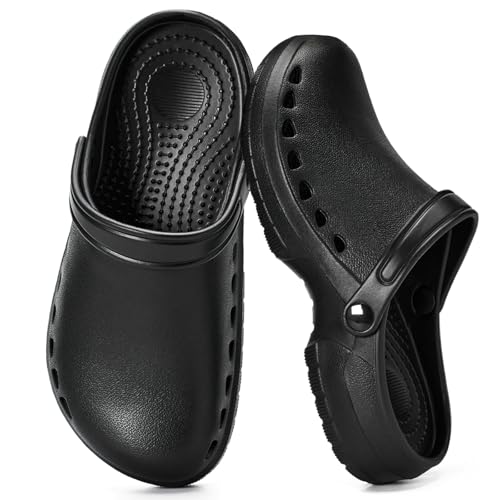
ZXT Breathable Work Clogs earned a spot for hot-shift comfort. The perforated upper and airy foam kept my feet cooler on summer rotations. The cushioning is stable and the traction holds up on slick tile. These balance airflow and basic protection well.
I reach for them on warm, busy days when sweat becomes a real issue. Breathable designs can also reduce odor over time. If you work in a warm climate, add these to your shortlist of best work clogs for nurses. Pair with quick-dry, moisture-wicking socks for a fresher feel.
Pros:
- Highly breathable upper for hot shifts
- Comfortable cushioning for long wear
- Good traction on standard hospital floors
- Lightweight and flexible for walking
- Reduces foot odor with airflow
- Fast-drying after a quick rinse
Cons:
- Perforations may allow fluids in
- Less protective than fully enclosed models
- May require more frequent cleaning
- Not ideal for heavy spill zones
My Recommendation
I recommend ZXT Breathable Work Clogs for nurses who work in warm climates or busy summer rounds. They are among the best work clogs for nurses to keep feet cool and comfortable. For extra protection, keep a fully enclosed pair on hand for high-risk shifts.
| Best for | Why |
| Hot-climate nurses | Breathable upper reduces heat buildup |
| Long standing shifts | Cushioned sole eases leg fatigue |
| Odor-conscious users | Ventilation limits sweat and smell |
Value note: A ventilation-forward option among the best work clogs for nurses who need airflow and comfort. Keep these ready for peak heat days.
How I test nursing clogs (real-shift method)
I test nursing clogs the same way I work: fast, focused, and on my feet.
- Shift hours: At least 24–36 hours per pair over mixed shifts (days/nights).
- Surfaces: Waxed tile, linoleum, wet floor signs, and freshly mopped hallways.
- Slip checks: Water and soapy-water patches to feel grip and break traction safely.
- Support feel: Arch contour, heel cup hold, and forefoot pressure during fast turns.
- Fatigue factor: Calf, knee, and lower-back feel at hour 4, 8, and 12.
- Cleaning cycles: Disinfectant wipes, mild soap rinses, and dry time.
- Fit behavior: Swelling tolerance, heel slippage, toe room, and sock compatibility.
This hands-on approach helps me spot top performers and catch deal-breakers before you do.
What to look for in the best work clogs for nurses
- Slip resistance: Look for grippy tread patterns designed for wet floors. When available, check if brands reference common slip tests (like ASTM F2913 or EN ISO 20347).
- Enclosed protection: Closed toes help shield against spills and dropped items.
- Support and stability: A shaped footbed, firm midsole, and a secure heel cup reduce strain and wobble.
- Comfort over time: Cushion is great, but balanced support prevents end-of-shift pain.
- Weight: Lighter clogs reduce fatigue on long walks and back-to-back rounds.
- Breathability: Venting helps on hot shifts, but weigh that against spill exposure.
- Easy cleaning: Smooth, non-porous materials and quick-dry designs save time.
- Fit and sizing: Roomy toe boxes, half sizes, and adjustability help on swelling days.
Pro tip: Try new clogs at the end of the day when your feet are slightly swollen. That mirrors how they’ll fit at hour 10 of a long shift.
Fit guide: wide feet, high arches, and plantar fasciitis
- Wide feet: Look for roomy toe boxes and consider sizing up a half size. Avoid narrow profiles.
- High arches: Choose clogs with defined arch contour or add a supportive insole.
- Plantar fasciitis: Go for firm arch support and a secure heel cup. Softer foam alone may not be enough.
- Overpronation: A firmer midsole and stable base help reduce inward roll.
- Sock pairing: Cushioned, moisture-wicking socks enhance comfort and reduce friction.
Clogs vs. sneakers for nurses: which works better?
Clogs excel at quick on/off, easy cleaning, and solid spill protection. They’re great in med-surg, ER, and clinics. Sneakers shine when you need maximum cushioning, laces for lockdown, and sport-level support for nonstop walking. Many nurses rotate both: clogs for wet, messy days and sneakers for long corridor walks.
When to replace your nursing clogs
- Outsole is smooth or shiny where you step most.
- You feel new pressure points or more foot, knee, or back pain.
- Foam no longer rebounds after a shift.
- Cracks, deep creases, or loose heels appear.
Most clogs last 6–12 months with heavy use. Rotate pairs to extend life and let foam rebound between shifts.
Simple care and odor control
- Daily: Wipe with a disinfectant wipe after shift.
- Weekly: Soap-and-water rinse; let air-dry fully.
- Odor: Use moisture-wicking socks and rotate pairs. A baking soda sprinkle overnight can help.
- Heat: Avoid extreme heat that can warp foam.
Safety and policy notes
Follow your unit’s dress code. Many require closed toes and slip-resistant soles. If you handle frequent fluids or sharps, choose enclosed, easy-to-sanitize clogs. When in doubt, ask your manager which footwear features your unit prefers for safety.
FAQs Of best work clogs for nurses
How do I choose the right size for clogs?
Choose based on brand sizing charts and your usual shoe size. I often size up half a size if my feet swell on long shifts. Try them with the socks you’ll wear at work and test for heel slip and toe room.
Are these clogs slip-resistant enough for hospitals?
Many models listed feature slip-resistant outsoles designed for wet, greasy floors. I always test traction on cleaned tile. For maximum safety, pick clogs labeled as slip-resistant and with a solid tread pattern.
Can I wear clogs all day without orthotics?
It depends on foot needs. If you have arch issues, choose options with firm support or add a quality insole. I use orthotic inserts in softer clogs and notice less fatigue.
How should I clean and disinfect my work clogs?
Most foam or rubber clogs wipe clean with a disinfectant wipe or mild soap and water. For autoclavable models, follow facility protocols. Avoid harsh bleach on foam as it may degrade cushioning.
Which features matter most for long shifts?
Prioritize arch support, a secure heel cup, slip resistance, and comfort. I also value easy cleaning and durability. Those features minimize fatigue and help you finish shifts with less pain.
Do clogs help with plantar fasciitis?
Yes, if they offer firm arch support and a stable heel cup. Softer, flat foam may feel good at first but won’t control strain. Add an orthotic if you need more structure.
What heel height is best for nurses?
A slight heel or rocker can reduce calf and back strain. Super-flat soles can stress the plantar fascia. I like a mild rise with a smooth roll from heel to toe.
How can I reduce foot odor in closed clogs?
Use moisture-wicking socks, rotate pairs, and let clogs dry fully. Rinse weekly and consider a light baking soda sprinkle overnight. Breathable options help in warm weather.
Final Verdict: Which Should You Buy?
For most nurses, the Crocs Neria Pro II tops my list. It combines slip resistance, enclosed protection, and fatigue-reducing design, making it one of the best work clogs for nurses overall.
Pick a pair that matches your shift type and foot needs. The best work clogs for nurses are the ones that keep you safe, supported, and comfortable through every round. If you’re unsure, start with Neria Pro II, then add a breathable or lightweight backup to your rotation.
Madison Clark is a footwear expert and the voice behind MyStyleGrid.com. She specializes in honest shoe reviews, style tips, and practical guides to help readers find the perfect pair for any occasion. With years of experience in blogging and content creation, Madison makes footwear knowledge simple, stylish, and easy to follow.