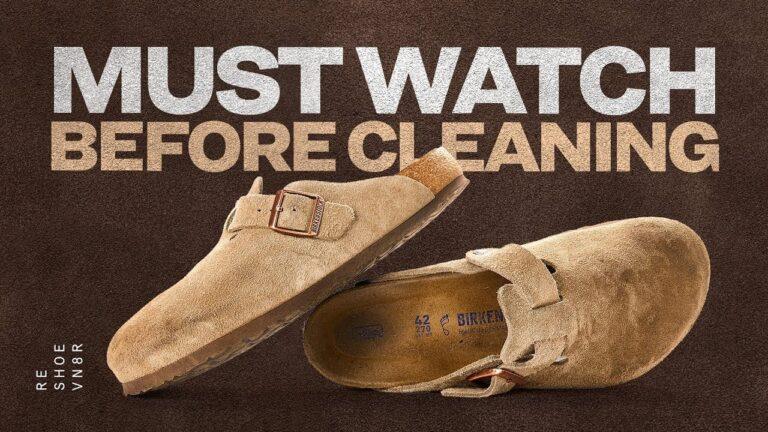
Do your Boston clogs look dull or dirty? You might think cleaning them is tricky, but it doesn’t have to be.
I’ve cleaned more pairs of Boston clogs than I can count—at home, on trips, after rainy days, you name it. With the right steps, it’s simple. In this guide, I’ll show you how I clean and protect my clogs so they look fresh and feel great. We’ll cover leather, suede, nubuck, felt, cork footbeds, and EVA outsoles. You’ll also get pro tips to avoid damage. Ready to bring back that “like new” look? Let’s dive in.
Gather Cleaning Supplies
Gathering the right cleaning supplies makes the process easier and more effective. Having all tools and products ready saves time and effort. It helps protect your Boston clogs and keeps them looking fresh.
Essential Tools
Start with a soft brush to remove dirt and dust. A clean cloth is useful for wiping surfaces gently. Use a small bowl to mix cleaning solutions. Have a towel ready for drying your clogs after cleaning. Gloves protect your hands from chemicals and dirt. A toothpick or cotton swab helps clean small crevices.
I also keep these handy (they make a big difference):
- Horsehair brush for leather; suede/crepe brush and a nubuck block for suede or nubuck.
- Soft toothbrush for edges and buckles.
- Microfiber cloths for wipe-downs and buffing.
- Paper towels or plain newsprint for stuffing and drying.
- Optional: melamine sponge (very lightly) on EVA outsoles only.
Recommended Cleaning Products
Choose mild soap or detergent for safe cleaning. Avoid harsh chemicals that can damage the material. White vinegar works well to remove stains and odors. Baking soda helps to lift dirt and refresh the clogs. Use water at room temperature for best results. Avoid bleach or strong solvents to keep your clogs safe.
When I clean different materials, I reach for:
- pH-balanced leather cleaner or a tiny bit of saddle soap for smooth leather.
- Dedicated suede/nubuck cleaner and a suede eraser for nap restoration.
- Leather conditioner (neutral) for smooth or oiled leather. Test first—it can darken oiled leather.
- Cork sealer for exposed cork edges to prevent drying and cracking.
- Water and stain repellent spray made for leather or suede.

Credit: www.reddit.com
Identify Your Material First
Before you start, check what your Boston clogs are made of. Most Birkenstock Boston clogs use suede, nubuck, oiled leather, or smooth leather uppers. They usually have a cork-latex footbed and an EVA outsole. Some clogs from other brands have wooden soles. Use the method that matches your pair.
- Suede/nubuck: soft, velvety surface; needs brushing, not polishing.
- Oiled leather: matte, rich feel; conditioners may darken it slightly.
- Smooth leather: takes polish and buffs to a shine.
- Felt/wool uppers: gentle spot cleaning only.
- Cork footbed: never soak; clean with a paste and reseal if needed.
- EVA outsole: mild soap and water; avoid harsh solvents.
At-a-Glance Cleaning Steps (What I Actually Do)
Short on time? Here’s my quick routine for how to clean Birkenstock Boston clogs at home:
- Dry brush to remove loose dirt (upper, footbed edge, and outsole).
- Spot clean the upper (use leather cleaner or suede cleaner based on material).
- Clean the footbed with a baking soda paste; wipe, then air dry.
- Wash outsole with mild soap; rinse lightly.
- Condition smooth/oiled leather or brush suede to lift the nap.
- Protect with water/stain repellent; reseal cork edges if exposed.
- Air dry away from heat. Stuff with paper to hold shape.
Remove Loose Dirt
Removing loose dirt is the first step to clean Boston clogs properly. Dirt and dust gather quickly on the surface. Clearing this debris helps prevent scratches during deeper cleaning. It also prepares your clogs for better cleaning results. Simple tools and gentle methods work best to keep the clogs safe.
Dry Brushing Techniques
Use a soft-bristled brush for dry brushing. Gently sweep the brush over the clog’s surface. Focus on seams and crevices where dirt hides. Avoid hard scrubbing to protect the material. This method removes loose dust without wetting the clogs. A small brush, like a toothbrush, works well for tight spots.
Pro tip I use: a quick pass with a hand vacuum’s soft brush attachment pulls out grit along the welt and buckle holes without scuffing.
Using A Soft Cloth
A soft cloth can also remove loose dirt effectively. Choose a clean, dry microfiber cloth for best results. Wipe the clogs with light, circular motions. This picks up dust without damaging the surface. Replace the cloth when it becomes dirty. This step keeps your clogs fresh before deeper cleaning.
Clean The Wooden Soles
Cleaning the wooden soles of Boston clogs is important. Dirt and grime can build up and damage the wood. Proper care keeps the soles looking good and lasting longer. Use gentle methods to protect the wood’s natural finish.
Note: Most Birkenstock Boston clogs have cork footbeds and EVA outsoles, not wood. If yours are cork/EVA, skip to the “Clean The Cork Footbed And EVA Outsoles” section below.
Mild Soap Solution
Start with a mild soap and warm water mix. Use a soft cloth dipped in the solution. Wring the cloth well to avoid soaking the wood. Gently wipe the wooden soles to remove dirt. Use a clean, damp cloth to remove soap residue. Dry the soles with a soft towel right after.
Avoiding Water Damage
Wood and water do not mix well. Avoid soaking the wooden soles in water. Do not use harsh cleaners or abrasive tools. Keep the soles dry after cleaning to prevent swelling or cracking. Use a dry cloth to absorb any moisture quickly. Store clogs in a cool, dry place to protect the wood.

Credit: www.reddit.com
Clean The Cork Footbed And EVA Outsoles
Cork needs gentle care. It can dry out or stain if soaked. Here’s my safe, effective method.
Footbed Cleaning (Cork-Latex)
- Mix a baking soda paste (about 2 parts baking soda to 1 part water). You want a spreadable paste.
- Use a soft toothbrush to work the paste into dark areas. Small circles. Don’t flood the cork.
- Let it sit 10–15 minutes. Wipe with a barely damp cloth. Repeat if needed.
- For odor or salt marks, dab a 1:1 mix of water and white vinegar. Blot—don’t soak. Wipe after 2–3 minutes.
- Air dry fully away from heat. If edges look dry, apply a thin layer of cork sealer to exposed cork.
Outsole Cleaning (EVA)
- Use mild dish soap and lukewarm water with a soft brush.
- For scuffs, a melamine sponge can help. Go light to avoid abrasion lines.
- Rinse quickly with a damp cloth. Do not drench the footbed area.
Wash The Leather Uppers
Washing the leather uppers of your Boston clogs is key to keeping them fresh. Leather can trap dirt and sweat, which damages the material over time. Proper care helps maintain the shoe’s look and feel. Use gentle cleaning methods to avoid harming the leather. Let’s explore easy ways to clean and care for the leather uppers.
Spot Cleaning Stains
Start by spotting cleaning stains on the leather. Use a soft cloth slightly dampened with warm water. Gently rub the stained area in small circles. Avoid soaking the leather, as too much water can cause damage. For tougher stains, use a mild soap or leather cleaner. Test the cleaner on a small hidden area first. Wipe off any soap with a clean damp cloth. Let the leather air dry naturally away from direct heat.
Conditioning The Leather
After cleaning, apply a leather conditioner. This keeps the leather soft and prevents cracks. Use a small amount on a clean cloth. Rub it gently into the leather in circular motions. Allow the conditioner to absorb fully before wearing the clogs. Conditioning also restores the leather’s natural shine and helps it last longer. Repeat this process every few months for best results.
Suede and Nubuck Care
If your Boston clogs are suede or nubuck, skip soap. I brush first, then erase spots.
- Brush with a suede or crepe brush to lift the nap and remove dust.
- Use a suede eraser on shiny or dark marks. Work gently.
- For water spots, lightly mist the whole area, blot, and brush as it dries to avoid tide lines.
- Finish with a suede/nubuck protector spray.
Handling Oiled Leather
Oiled leather hides scuffs well but needs the right products.
- Wipe with a damp cloth and a drop of pH-balanced cleaner if needed.
- Condition sparingly with an oil/wax blend made for oiled leather. It may darken the tone—always test first.
- Buff with a soft cloth to even the finish.
Wool Felt and Shearling Linings
For felt uppers or shearling-lined clogs:
- Spot clean with cool water and a tiny bit of gentle wool wash.
- Blot, don’t rub. Air dry. Brush shearling lightly to fluff.
Drying Tips
Proper drying is key to keeping Boston clogs in great shape. Wet clogs can smell bad and wear out faster. Knowing how to dry them right helps keep them comfy and clean. Follow simple drying tips for the best results.
Air Drying Methods
Air drying is the safest way to dry Boston clogs. Take out any removable insoles before drying. Place the clogs in a cool, dry spot with good air flow. Avoid tight spaces where moisture can stay trapped. Let them dry naturally until fully dry. This method prevents damage and keeps the shape intact.
I stuff mine with paper for faster drying and shape hold. A fan helps. A dehumidifier in the room speeds things up too.
Avoiding Heat Sources
Do not dry Boston clogs near heaters or direct sunlight. Heat can warp the material and cause cracks. Avoid using hair dryers or ovens. High temperatures make clogs lose comfort and durability. Always choose gentle drying methods to protect your shoes.

Credit: www.reddit.com
Maintain Shine And Protection
Keeping your Boston clogs shiny and protected helps them last longer. Clean shoes look fresh and feel good. Proper care stops damage from dirt, water, and wear. Two simple steps keep your clogs bright and safe.
Applying Leather Polish
Choose a polish that matches your clog color. Use a soft cloth to apply a small amount. Rub gently in circular motions. Let the polish dry for a few minutes. Buff with a clean cloth to bring out shine. Polish adds a layer of protection to the leather. It prevents cracking and keeps the leather soft.
Note: skip polish on suede and nubuck. Use a protector spray instead.
Using Protective Sprays
Protective sprays guard against water and stains. Hold the spray about 6 inches from the shoe. Apply an even, light coat over the entire surface. Let the clogs dry completely before wearing. Repeat every few weeks for best results. Sprays create a barrier that repels dirt and moisture. This helps maintain the shoe’s look and feel longer.
I reapply after a downpour or deep clean. For exposed cork, a thin cork sealer application every few months keeps it from drying out.
Deodorize and Refresh
Fresh clogs feel better. Here’s how I keep odors away without harsh chemicals.
- Shake in baking soda, leave overnight, then brush out.
- Light mist of 1:1 water and white vinegar on the footbed. Air dry.
- Short sun exposure (30–60 minutes) helps, but avoid heat. Don’t leave them baking in direct sun.
- Use cedar shoe inserts between wears to absorb moisture.
Troubleshooting: Stains, Scuffs, and Salt
- Salt stains: wipe with 1:1 water and vinegar. Blot and dry.
- Oil/grease on suede: cover with cornstarch overnight, brush off, repeat if needed.
- Ink on smooth leather: try a leather-specific ink remover only. Test first. If in doubt, see a cobbler.
- Water rings on suede: lightly mist the area, blot, then brush as it dries to even the nap.
- Deep scuffs on oiled leather: a tiny bit of matching leather balm evens tone; buff well.
Storage Recommendations
Proper storage keeps Boston clogs in great shape. It helps them last longer and stay clean. Follow these tips to store your clogs safely.
Proper Shoe Placement
Place your Boston clogs on a flat surface. Avoid stacking them on top of each other. Keep enough space between shoes to prevent damage. Use a shoe rack or shelf for good air flow.
Store clogs upright. This helps keep their shape. Avoid placing heavy items on top. This can cause dents or cracks in the material.
I avoid tight plastic bins. For travel, I use breathable cloth bags and add a silica pack inside.
Avoiding Moisture Build-up
Keep clogs in a dry area. Moisture causes mold and bad smells. Use silica gel packs or moisture absorbers nearby. They help soak up excess water.
Never store clogs in plastic bags. Plastic traps moisture and damages the shoes. Instead, use breathable fabric bags or boxes with holes. This allows air to circulate freely.
Maintenance Schedule (What Works For Me)
- After heavy wear or rain: brush, spot clean, air dry, re-spray protector.
- Monthly: footbed refresh with baking soda paste; quick outsole wash.
- Every 2–3 months: condition smooth/oiled leather; reseal exposed cork.
- Seasonally: deep clean and full protection before wet or salty seasons.
Mistakes to Avoid
- Soaking the footbed or upper. It weakens cork and warps leather.
- Using bleach, acetone, or strong solvents. They strip color and finish.
- High heat drying. It cracks leather and curls footbeds.
- Scrubbing suede with water. It flattens the nap and leaves rings.
- Skipping a patch test. Always test cleaners and conditioners first.
Frequently Asked Questions
How Do I Clean Boston Clogs At Home?
To clean Boston clogs, first remove dirt with a soft brush. Use mild soap and warm water to wipe them. Avoid harsh chemicals to protect the wood. Dry them naturally to prevent cracking or warping.
Can I Use Soap To Clean Boston Clogs?
Yes, mild soap works well for Boston clogs. Mix it with warm water and gently clean the surface. Avoid strong detergents or bleach as they may damage the wood finish or leather parts.
How Often Should I Clean My Boston Clogs?
Clean your Boston clogs every few weeks or when visibly dirty. Regular cleaning prevents buildup of dirt and extends their lifespan. Also, condition leather parts monthly to keep them supple and protected.
Is It Safe To Soak Boston Clogs In Water?
No, soaking Boston clogs in water is not safe. Excess water can damage the wood and cause it to warp or crack. Always use a damp cloth instead of submerging them.
Can I put Birkenstock Boston clogs in the washing machine?
No. The agitation and water exposure can damage leather, suede, cork, and glue. Hand clean only.
What’s the best way to remove odor from the footbed?
Use a baking soda paste, wipe, and air dry. A light 1:1 water-vinegar mist helps too. Avoid soaking.
How do I treat salt stains in winter?
Wipe with a 1:1 mix of water and white vinegar, then blot dry. Brush suede after drying to lift the nap.
Which protector should I use—suede or leather?
Match the product to the material. Use suede/nubuck protector on suede and nubuck. Use leather repellent on smooth or oiled leather. Always test first.
Will conditioner darken my oiled leather Bostons?
It can. Test on a hidden spot. Apply sparingly and buff well to keep the natural look.
Conclusion
Cleaning Boston clogs keeps them looking fresh and lasting longer. Use gentle soap and warm water for the best results. Avoid harsh chemicals that can damage the material. Dry clogs well to prevent moisture build-up. Regular care stops dirt and stains from settling in.
Over the years, this simple routine has kept my pairs going strong: brush, spot clean by material, refresh the footbed, protect, and air dry. Clean shoes feel comfortable and stay in good shape. Follow these steps for easy clog cleaning. Your Boston clogs will stay nice and ready to wear anytime. Small efforts make a big difference in shoe care.

Madison Clark is a footwear expert and the voice behind MyStyleGrid.com. She specializes in honest shoe reviews, style tips, and practical guides to help readers find the perfect pair for any occasion. With years of experience in blogging and content creation, Madison makes footwear knowledge simple, stylish, and easy to follow.