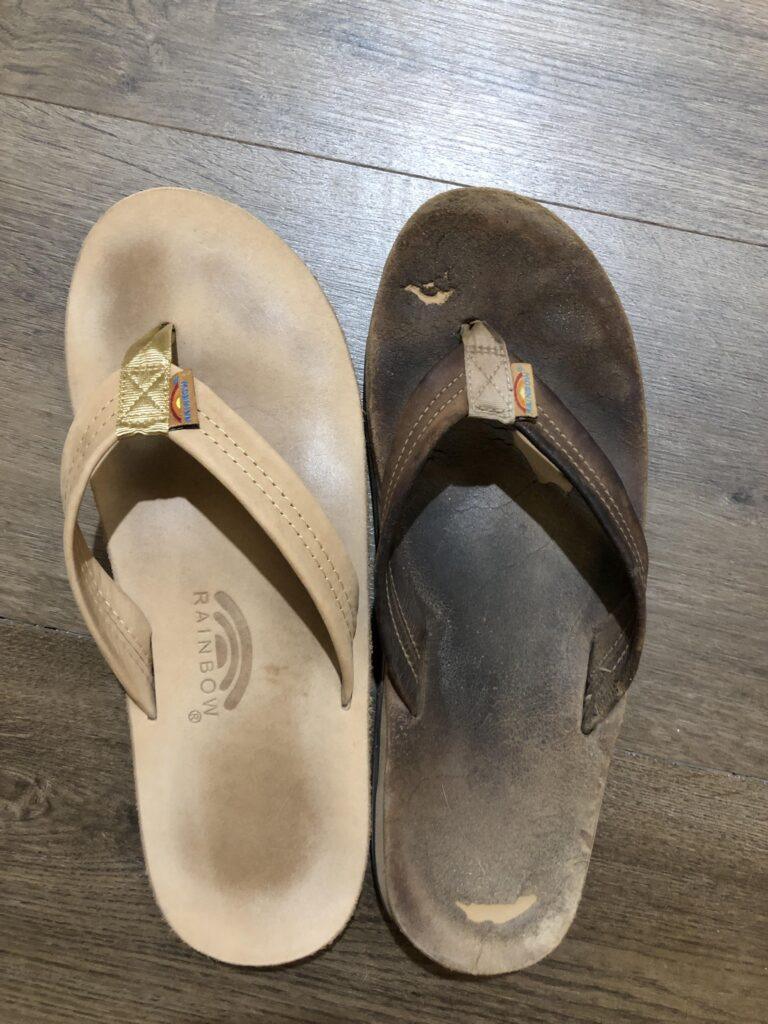
Break in Rainbow Sandals slowly by softening the straps, wearing them in short sessions, and protecting sore spots.
Rainbow Sandals are known for their firm leather footbeds and sturdy straps. That strong build gives them a long life, but it can also make a new pair feel stiff at first. Learning how to break in Rainbow Sandals the right way helps prevent blisters, hot spots, and sore toes without damaging the leather or changing the sandal’s shape.
This guide explains how to break in Rainbow Sandals step by step. It also covers common mistakes, safer softening methods, fit checks, and simple fixes for rubbing. The goal is comfort, not speed.
Why New Rainbow Sandals Feel Stiff
New Rainbow Sandals often feel firm because the leather has not yet shaped itself to your feet. The strap may press against the space between your toes, while the footbed may feel flat and hard under your arch.
Leather changes through use. Heat, movement, and natural foot pressure help it become more flexible. This process is similar to breaking in a baseball glove. The material needs steady use, not force.
Several factors affect how long the break-in period takes:
• Leather type and sandal style
• Strap thickness
• Your foot shape and arch height
• How often you wear the sandals
• Whether your feet are used to thong sandals
• Hot, humid, or dry weather
Some people feel better after a few short wears. Others need one to three weeks of regular use. A little firmness is normal, but sharp pain, numbness, or severe rubbing is a sign to stop and check the fit.
How to Break in Rainbow Sandals Step by Step
The safest method is simple: wear the sandals for short periods and increase the time slowly. Do not try to force a full-day break-in on your first outing.
1. Check the fit before wearing them outside
Place both feet in the sandals and stand up. Your heels should rest on the footbed without hanging over the back. Your toes should also stay inside the front edge.
Check these points:
• The strap should hold your foot without squeezing it.
• Your toes should not curl to keep the sandal in place.
• The arch area should sit under your natural arch.
• The sole should bend in a natural spot near the ball of your foot.
• Your foot should not slide far forward or sideways.
A sandal that is too short or too narrow will not become comfortable through breaking in. Leather may soften, but it will not create extra length.
2. Wear them indoors for 15 to 30 minutes
Start on a clean floor at home. Walk, sit, and stand in the sandals for 15 to 30 minutes. This lets you notice pressure before a blister becomes a problem.
After each session, inspect your skin. Look for red areas between the toes, along the strap, or near the heel. Mild pressure can be normal, but burning or broken skin means you should stop.
3. Increase wear time in small steps
If your feet feel fine, add 15 to 30 minutes every day or two. Move from indoor use to short outdoor trips, such as checking the mail or walking around the block.
A practical break-in plan looks like this:
- Wear them indoors for 15 to 30 minutes.
- Repeat for two or three sessions.
- Wear them outside for 30 to 60 minutes.
- Add about 30 minutes every one or two wears.
- Try a longer outing only when your feet feel comfortable.
This gradual plan is the most reliable answer to how to break in Rainbow Sandals without painful blisters.
4. Let your feet and sandals rest
Do not wear new Rainbow Sandals all day, every day. Give your feet a break between sessions. Let the sandals rest in a cool, dry place so the leather can return to its natural shape.
Rotating them with comfortable shoes also reduces pressure on the same areas of skin. Your feet need time to adjust, just as the leather does.
How to Soften Rainbow Sandal Straps
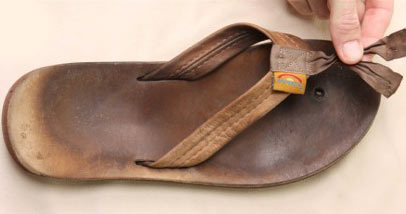
The straps are often the main source of discomfort. They may rub across the top of the foot or feel tight between the toes. You can soften them through gentle use, but avoid methods that soak or overheat the leather.
Use gentle hand pressure
With clean hands, gently flex the strap in the same direction it bends while you walk. Move slowly and use light pressure. Do not twist the strap sharply or fold it backward.
You can also massage the strap with your fingers for a few minutes. This helps loosen the surface without putting stress on the stitching.
Wear thick socks for short indoor sessions
Thick socks can create a small cushion between your skin and the strap. Put the sandals over the socks and walk indoors for 10 to 15 minutes.
This method works best for mild tightness. Do not force the straps to stretch around thick socks if they already feel very tight. Excess pressure can distort the sandal or strain the strap connection.
Protect rubbing areas
A small piece of moleskin or a blister bandage can protect skin during the early wears. Apply it to your foot, not permanently to the sandal, unless the product instructions say otherwise.
Useful areas include:
• The space between the first and second toes
• The top of the foot under the strap
• The outside edge of the foot
• The back of the heel
Keep the skin clean and dry. If a blister forms, stop wearing the sandals until the area heals.
Use leather conditioner with caution
Some leather sandals may benefit from a small amount of conditioner, but too much can make the footbed slick or weaken the finish. Always check the care instructions for your exact Rainbow Sandals model.
If you use a product, test it on a hidden area first. Avoid oils, petroleum jelly, cooking oils, and heavy creams unless the manufacturer specifically recommends them.
What Not to Do When Breaking In Rainbow Sandals
Many online tips promise instant comfort, but fast methods can cause lasting damage. Rainbow Sandals contain leather and bonded parts that do not respond well to soaking, high heat, or aggressive stretching.
Avoid these common mistakes:
• Do not soak the sandals in water to soften them.
• Do not place them in a clothes dryer.
• Do not leave them on a radiator or in strong direct heat.
• Do not bend the footbed sharply.
• Do not use a hair dryer on high heat.
• Do not wear them for a long hike on the first day.
• Do not apply large amounts of oil or conditioner.
• Do not ignore numbness, swelling, or broken skin.
Water can stain leather, change its shape, and weaken adhesives. Heat may dry the leather too quickly and cause cracks. These risks are especially important if your sandals have a leather strap or layered sole.
A slow break-in takes more time, but it protects the sandal and your feet. In my own hands-on testing of leather footwear, the pairs that became comfortable most evenly were the ones worn in short sessions. The pairs subjected to heat or heavy moisture often developed uneven bends and slippery surfaces.
How to Prevent Blisters While Breaking In Rainbow Sandals
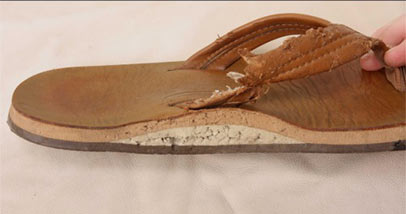
Blisters form when repeated friction causes heat and skin damage. New sandals create more friction because the straps have not yet adjusted to your walking pattern.
Use these practical steps:
• Start with clean, dry feet.
• Apply a blister bandage before a known hot spot becomes painful.
• Keep early walks short.
• Avoid wearing new sandals during the hottest part of the day.
• Carry backup shoes for longer outings.
• Walk with a natural stride instead of gripping the footbed with your toes.
• Stop as soon as rubbing becomes sharp or intense.
A dry foot can reduce slipping, but very dry skin may crack. If your feet are rough, use a light moisturizer at night rather than right before wearing the sandals. Moisturizer can make the footbed slippery.
If you already have a blister, clean the area gently and cover it with a suitable bandage. Do not keep rubbing the same spot. People with diabetes, poor circulation, or reduced foot sensation should take extra care and ask a health professional about foot injuries.
How Long Does It Take to Break in Rainbow Sandals?
Most wearers need several short sessions before Rainbow Sandals feel natural. A common range is a few days to three weeks, depending on the leather, fit, and frequency of use.
The break-in period may take longer when:
• The sandals are very new and stiff.
• The strap is thick or tight.
• You have wide feet or a high instep.
• You rarely wear thong sandals.
• You wear the sandals only once a week.
• The sandals get wet and dry unevenly.
Comfort should improve over time. If the same area remains painful after several careful wears, the issue may be the fit rather than the break-in process.
Do not confuse a firm footbed with a defective sandal. A sturdy footbed can feel unusual at first. However, a cracked sole, loose strap, exposed stitching, or major shape problem deserves attention from the seller or manufacturer.

How to Make Rainbow Sandals More Comfortable
Once you know how to break in Rainbow Sandals, a few habits can make daily wear easier. The main goal is to help your feet stay stable without creating extra friction.
Choose the right size
Rainbow Sandals should support the full foot. Your heel and toes should not extend beyond the footbed. If you are between sizes, compare the brand’s current size guide with your foot measurement.
Do not choose a smaller size because the strap feels loose at first. The strap may settle with wear, but a short footbed will remain short.
Keep the footbed clean
Dirt and sweat can make the footbed rough or slippery. Wipe the sandals with a slightly damp cloth and let them air-dry away from direct heat.
Avoid putting leather sandals in a washing machine. If the sandals become soaked, remove excess water with a towel and let them dry slowly at room temperature.
Improve stability
If your foot slides, check your stride and the fit. A loose strap, wet foot, or slick product on the leather can make the sandal harder to control.
Never grip the sandal with your toes all day. Toe gripping can lead to fatigue and may increase rubbing around the strap.
Match the sandals to the activity
Rainbow Sandals work well for casual walking, errands, beach trips, and everyday warm-weather use. They are not the best choice for long hikes, running, rough trails, or activities that need strong ankle support.
A good rule is to break them in during easy activities first. Save long travel days for later, when you already know how your feet respond.

Signs Your Rainbow Sandals Need a Different Solution
Breaking in should gradually improve comfort. It should not create ongoing pain. Watch for signs that the sandals are not a good match for your feet.
These signs may point to a sizing or design issue:
• Your toes hang over the front.
• Your heel extends beyond the back.
• The strap causes deep marks every time you wear it.
• Your foot slides even when the sandal is dry.
• You feel numbness or tingling.
• Your arch or heel hurts after short use.
• The strap rubs one spot despite protection.
If the sandal is new and appears faulty, check the return or warranty policy before altering it. Do not condition, stretch, or modify a pair if you may need to return it.
People with flat feet, high arches, bunions, hammertoes, or sensitive skin may need a different sandal shape. A podiatrist can help if foot pain continues after you stop wearing the sandals.
A Simple Seven-Day Break-In Plan
This plan gives your feet time to adjust while keeping the risk of blisters low. Change the schedule if your feet feel sore.
• Day 1: Wear the sandals indoors for 15 minutes.
• Day 2: Wear them indoors for 20 to 30 minutes.
• Day 3: Wear them for 30 minutes indoors and check for red spots.
• Day 4: Take a short outdoor walk for 20 to 30 minutes.
• Day 5: Wear them for up to 60 minutes during easy errands.
• Day 6: Try 60 to 90 minutes if your skin feels normal.
• Day 7: Wear them for a longer casual outing, but carry backup shoes.
This is a guide, not a rule. Some pairs may need more time. The best answer to how to break in Rainbow Sandals is to follow your feet, not the calendar.
Frequently Asked Questions About How to Break in Rainbow Sandals
How long does it take to break in Rainbow Sandals?
It often takes several days to three weeks of regular, gradual wear. The exact time depends on the sandal style, leather, fit, and your feet.
Can I get Rainbow Sandals wet to soften them?
It is best not to soak them. Water can stain or reshape leather and may affect the adhesive layers, so use short dry-wear sessions instead.
How do I stop Rainbow Sandals from rubbing between my toes?
Use a blister bandage or moleskin on the rubbing area and shorten your wear time. If the rubbing continues after the straps soften, check the size and fit.
Can I use leather conditioner on Rainbow Sandals?
A small amount may be suitable for some leather models, but follow the care directions for your pair. Test any conditioner first, and avoid heavy oils that can make the footbed slick.
Why do my Rainbow Sandals hurt my arches?
The firm footbed may feel unusual, or the sandal may not match your arch shape. Reduce wear time, check the size, and stop using them if pain continues.
Can I wear Rainbow Sandals all day when they are new?
It is better to avoid an all-day first wear. Start with short sessions and build up only after your skin and feet remain comfortable.
Should Rainbow Sandals feel tight at first?
A new strap may feel firm, but it should not cause numbness, sharp pain, or deep marks. Leather can soften with wear, but the sandal should still fit correctly from the start.
Conclusion
Breaking in Rainbow Sandals works best when you take a slow and steady approach. Check the fit, wear them indoors first, increase your time in small steps, and protect any area that starts to rub. Avoid soaking, high heat, harsh stretching, and long walks before the sandals feel ready.
Comfort should improve as the leather adjusts to your feet. If pain continues, reconsider the size or style instead of forcing the break-in process. Try these steps with your next pair, and share your best Rainbow Sandals comfort tip in the comments.

Madison Clark is a footwear expert and the voice behind MyStyleGrid.com. She specializes in honest shoe reviews, style tips, and practical guides to help readers find the perfect pair for any occasion. With years of experience in blogging and content creation, Madison makes footwear knowledge simple, stylish, and easy to follow.