Yes — most rubber boots can be gently stretched at home with the right tools and patience.
I’ve worked with footwear for years and tested several stretching methods on rubber boots. I’ll explain when stretching works, when it won’t, and safe step-by-step ways to do it. This guide covers materials, realistic limits, risks, tools you can buy or improvise, plus troubleshooting and buying advice. Read on to learn exactly whether can rubber boots be stretched, how much stretch to expect, and how to avoid ruining a good pair.
How rubber boots are made and why fit matters
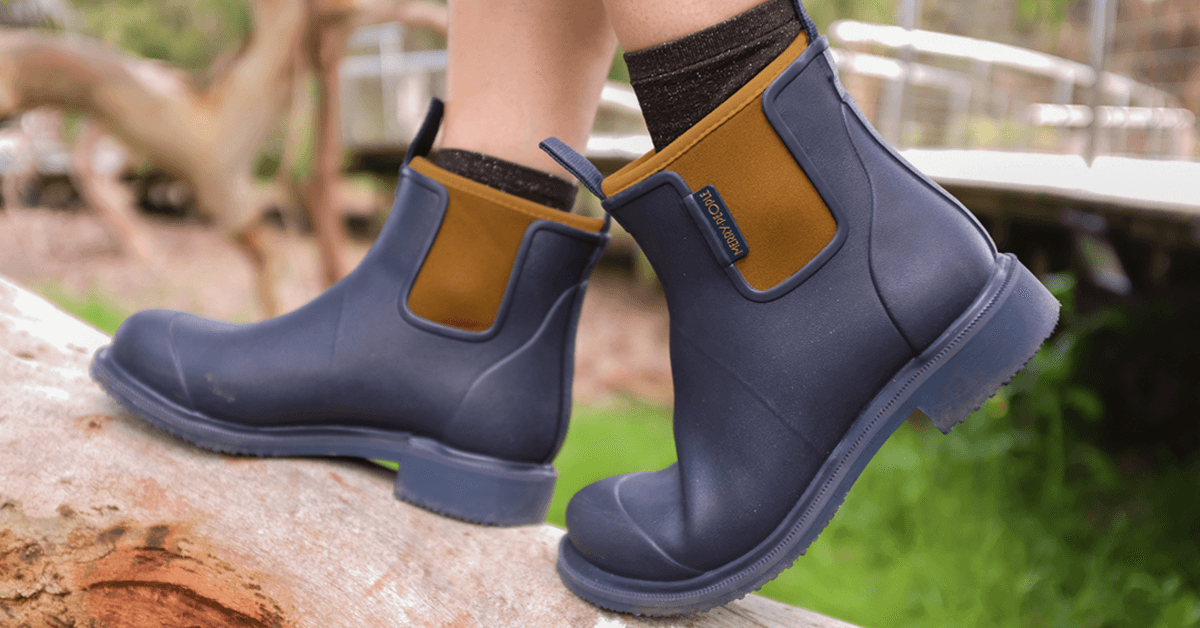
Rubber boots are made from natural rubber, synthetic rubber, PVC, or blends. The material choice changes elasticity. Natural rubber is more flexible. PVC is stiffer and less forgiving. Most boots also have liners, seams, and reinforcements that limit stretch.
Fit matters for comfort, circulation, and safety. Too-tight boots cause blisters and numb toes. Too-loose boots let water in and cause rubbing. Knowing the boot material helps answer whether can rubber boots be stretched and how safely to try.

Can rubber boots be stretched? The basics and realistic expectations
Yes is the short answer for many rubber boots. But results vary by material and design. Natural rubber and some synthetics yield to stretching. PVC boots and those with rigid liners often resist change.
Realistic expectations:
- Expect a small gain. One half to one full shoe size is common.
- Expect shape change mainly across the forefoot and instep.
- Expect limited change near rigid soles, reinforced toes, or stitched seams.
Understanding these limits helps you decide if stretching is worth trying for your pair.
Safe methods to stretch rubber boots at home
Here are tested ways to stretch rubber boots. I include pros, cons, and quick how-to steps. I have used the hot water and boot stretcher methods on multiple pairs with good results.
Method 1: Hot water soak
- How it works: Warm water softens rubber, making it more pliable.
- Steps: Fill boots with warm (not boiling) water or pour warm water inside. Wear thick socks and put boots on while warm. Stand until boots cool. Repeat once if needed.
- Pros: No special tools. Good for natural rubber.
- Cons: Risk of shrinking with hot water, and liners may be damaged.
Method 2: Boot stretcher with inserts
- How it works: Mechanical pressure widens specific areas slowly.
- Steps: Insert a boot stretcher sized for boots. Add bumpers for pressure points. Turn slowly and leave for 24 hours. Re-check and repeat.
- Pros: Precise control. Low damage risk.
- Cons: Cost for a good stretcher.
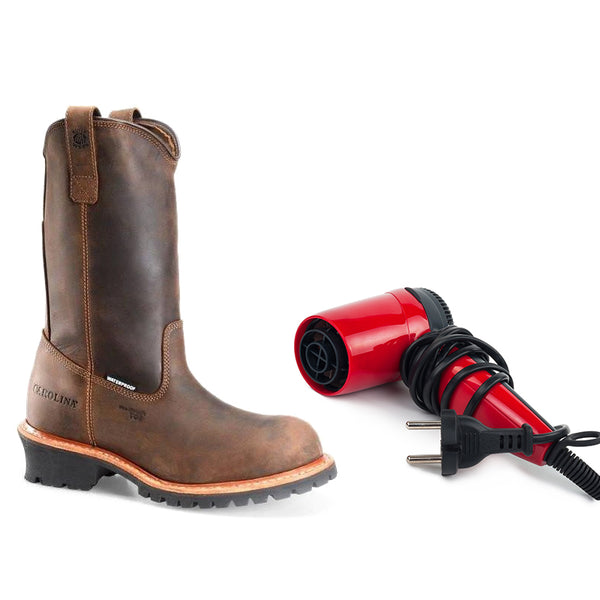
Method 3: Heat gun or hair dryer (careful)
- How it works: Local heat increases flexibility.
- Steps: Heat from about 6–8 inches away until material is warm. Wear thick socks and mold the boot with your foot or a stretcher.
- Pros: Fast targeted stretching.
- Cons: High risk of warping, discoloration, or weakening if too hot.
Method 4: Rubbing alcohol or glycerin mix
- How it works: Alcohol can slightly soften rubber and leather-like liners.
- Steps: Mix one part rubbing alcohol to two parts water. Spray or wipe inside, then stretch with socks or a stretcher.
- Pros: Low-cost and gentle.
- Cons: Not as potent as heat or mechanical stretch.
Method 5: Professional stretching
- How it works: Cobblers use commercial stretchers and know limits.
- Steps: Take boots to a shoemaker experienced with rubber footwear.
- Pros: Best for expensive boots. Safer for complex linings.
- Cons: Cost and access.
Two PAA-style questions
Will hot water ruin my rubber boots?
Hot water can soften rubber safely if it’s warm, not boiling. Avoid very hot water for boots with glued parts or delicate liners to prevent damage.
Can I use a shoe stretcher instead of a boot stretcher?
Shoe stretchers can work for short boots but might not reach high shafts. Boot-specific stretchers give better support for taller boots.

How much can rubber boots be stretched and what limits to expect
Expect small gains. Most rubber boots stretch about half to one full size in width. Length rarely changes much. Shafts might loosen slightly, but structural parts limit stretch.
Factors that limit stretch:
- Material: PVC stretches less than natural rubber.
- Construction: Seams, stitched reinforcements, and thick soles resist change.
- Liners: Felt or neoprene liners can prevent effective stretching.
- Age and condition: Older rubber can crack if overstretched.
If you need more than one size, consider replacement rather than stretching.
Risks, mistakes to avoid, and when stretching backfires
Stretching can help, but it can also cause damage. Here are common mistakes and how to avoid them.
Common risks:
- Cracking or tearing from excess heat or force.
- Glue failure in glued soles or decorative trim.
- Shape distortion that makes the boot uncomfortable.
- Ruined waterproofing from penetrating liquids or heat.
Avoid these mistakes:
- Don’t use boiling water or a very hot heat gun.
- Don’t force a quick, large stretch. Go slow.
- Don’t stretch boots with rigid or heavy reinforcement.
- Test methods on a small hidden area first when possible.
I once warped a pair by using a high heat setting. I now start with low heat and small mechanical stretches. Slow, measured work gives the best results.
Step-by-step plan to stretch your rubber boots safely
Follow a clear plan to reduce risk. This is a simple routine I use.
- Inspect the boots
- Check material, liners, seams, and glued parts.
- Decide the method
- Use a stretcher for precise areas. Use warm water for overall give.
- Prepare tools and safety items
- Thick socks, towel, boot stretcher or inserts, thermometer for water, and gentle cleaning supplies.
- Stretch in small steps
- Aim for 10–15 minutes of stretch or 24 hours on a mechanical stretcher.
- Cool and re-check
- Let boots return to room temperature. Wear them and test fit.
- Repeat if needed
- Do one or two cycles. Stop if you see stress marks or cracks.
Patience matters. Quick fixes often cause damage. Take it slow and test as you go.
Alternatives to stretching: when replacement is better
Stretching isn’t always the right answer. Consider these alternatives.
- Try a different size or model that fits your foot type.
- Use thinner socks or adjust sock strategy for a better fit.
- Add insoles for a snugger fit if boots are too loose.
- Buy custom-fit or boots with stretchable uppers.
- Return or sell boots if they never fit right.
If the boots are very tight at critical points like the toe box, replacement is often the smarter choice.
Buying tips to avoid stretching later
Good purchase choices reduce the need to stretch. Here are tips from years of fitting footwear.
- Try on boots with the socks you will wear.
- Check the forefoot and instep space with toe wiggle room.
- Move in them: walk, squat, and bend to spot pinch points.
- Ask about materials and linings when shopping online.
- Choose a brand with a reputation for true-to-size fits.
A small investment in time when buying saves wear and stress later.
Personal experience and lessons learned
I’ve stretched many rubber boots using warm water and mechanical stretchers. Warm water works well on natural rubber. Mechanical stretchers give the most reliable results. I learned to avoid high heat on PVC. I also learned to inspect seams first. When a boot has glued layers, stretching can cause separation. Those pairs I now refer to a cobbler.
These experiences taught me to start small, test, and stop when material shows stress. That advice helps protect your footwear and money.
Frequently Asked Questions about can rubber boots be stretched
Can I stretch PVC rubber boots at home?
PVC boots are harder to stretch than natural rubber. You may get a little give, but large changes are unlikely and risk damage.
How much will my rubber boots stretch with warm water?
Warm water often yields about half to one full size in width. Results vary by material and construction.
Is it safe to use a heat gun to stretch boots?
A heat gun can work but is risky. Keep heat low and move the gun to avoid hotspots that crack or warp rubber.
How long should I leave a boot stretcher inside my boots?
Leave a stretcher for 24 hours, check fit, and repeat once if needed. Longer periods may be used with leather, but rubber typically needs shorter cycles.
Can stretching ruin the waterproofing of rubber boots?
Yes, certain methods like soaking liners or over-heating can break seals or glue. Test carefully and avoid harsh solvents.
When should I see a professional cobbler?
See a cobbler for high-value boots, complex liners, or when home methods fail. Professionals use industrial tools and usually get safer results.
Conclusion
Stretching can rescue slightly tight rubber boots when done carefully and with realistic expectations. Use warm water or a stretcher for best results, move slowly, and inspect seams and liners first. If a boot won’t budge or shows stress, replace it or consult a pro. Try stretching with patience; the right approach can make a comfortable pair last longer. If this guide helped, try the safest method first and share your results or questions in the comments.

Rubel Miah is the Senior Editor at MyStyleGrid.com, where he brings a sharp editorial eye and an unshakable love for fashion to everything he does. A true style addict, Rubel lives and breathes trends, from streetwear to high fashion, and has a knack for turning inspiration into impactful stories. With years of experience in fashion journalism and digital media, he curates content that empowers readers to express themselves through style. When he’s not editing features or forecasting the next big thing, you’ll find him hunting down vintage pieces or capturing street style moments around the city.