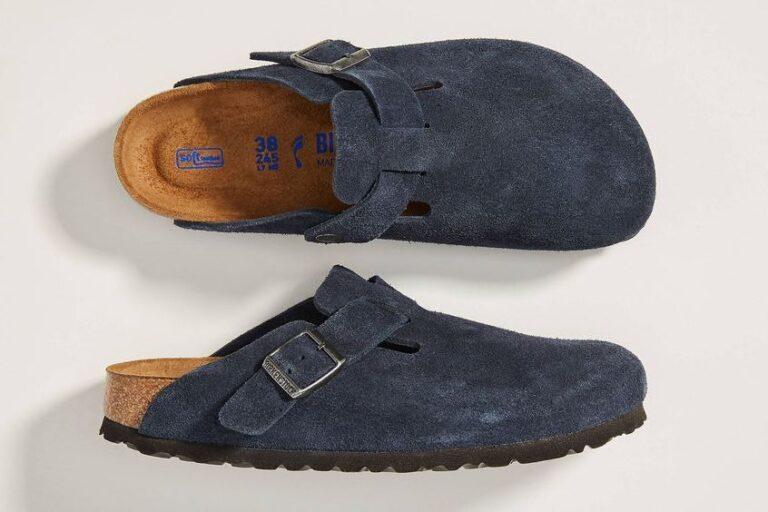
Clean cork footbeds gently with mild soap, a soft brush, and air dry—avoid soaking.
I’ve cleaned dozens of Birkenstocks over the years, and I’ll walk you through exactly how to clean Birkenstock shoes the right way. This guide covers tools, step-by-step methods for cork, suede, leather, EVA, and fabric, deep-stain fixes, drying tips, and maintenance habits that keep your sandals comfortable and long-lasting. Read on for tested tips, mistakes to avoid, and quick fixes that work in real life.

What you need: Materials and tools
Use simple, safe items to clean Birkenstock footwear. Gather:
- Soft-bristled brush or toothbrush for the footbed and seams.
- Microfiber cloths for wiping and polishing.
- Mild liquid soap or dish soap for general cleaning.
- White vinegar diluted in water for stubborn odors and mold.
- Suede brush and suede eraser for nubuck or suede straps.
- Leather conditioner for smooth leather straps.
- Cork sealer or cork glue to fix and protect cork edges.
- A bowl, water, and spare towels for rinsing and drying.
These basic tools are gentle and effective. Avoid harsh chemicals, bleach, or machine washing, which can damage materials and adhesives. Using the right tools is the first step to learning how to clean Birkenstock shoes without shortening their life.

Step-by-step: How to clean Birkenstock shoes (by material)
Follow material-specific steps so you don’t damage cork, suede, or leather. Below are safe routines for each major material.
Cork footbed (classic Birkenstock)
- Remove loose dirt with a soft brush.
- Mix a small amount of mild soap with warm water.
- Dampen a cloth or brush, scrub gently in circular motions.
- Wipe with a clean damp cloth and let air dry away from direct sun.
- Once dry, apply a thin layer of cork sealer to the exposed cork edges to prevent drying and cracking.
This method preserves the footbed’s shape and support. Avoid soaking the footbed; excess water breaks down the cork and glue.
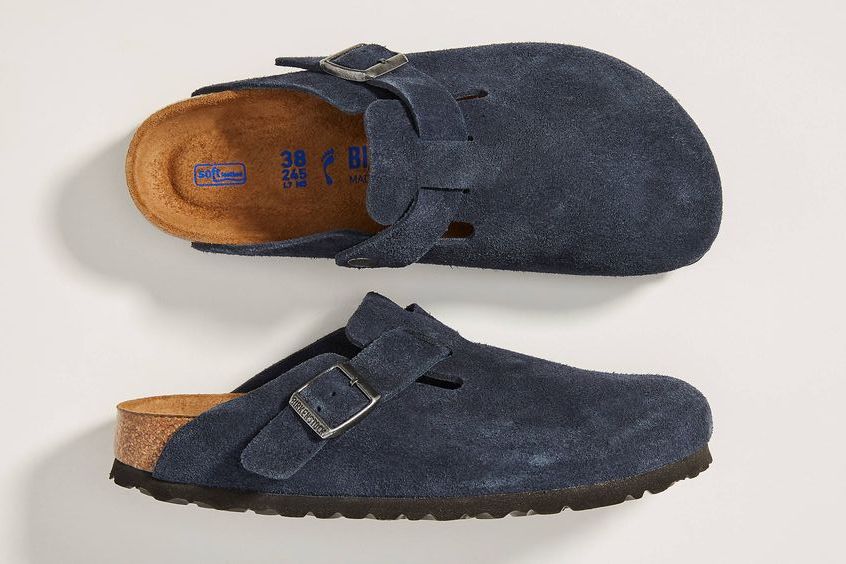
Suede and nubuck straps
- Brush straps gently with a suede brush to raise the nap.
- For stains, use a suede eraser or a damp cloth with a bit of white vinegar, rubbing gently.
- Let straps dry naturally, then brush again to restore texture.
Do not use soap or water directly on suede. Suede reacts poorly to soaking and can stiffen or discolor.
Smooth leather straps
- Wipe leather with a damp cloth to remove dirt.
- Apply a small amount of leather cleaner or mild soap, then wipe off.
- Condition leather with a suitable leather conditioner to keep it supple.
Leather benefits from periodic conditioning to prevent cracking. Never use heavy oils that can stain or weaken adhesives.
EVA, rubber, and cork-latex blends (e.g., Arizona EVA or Boston clog)
- Wipe with soap and water or a gentle disinfectant wipe.
- For scuffs, a soft brush or melamine sponge can help.
- Air dry thoroughly.
These materials tolerate a bit more moisture, but avoid prolonged soaking and high heat drying.
Fabric straps and liners
- Spot-clean with mild soap and water.
- Use a soft brush for embedded grime.
- Allow to air dry fully before wearing.
Fabric straps are forgiving but can hold odors. For smell issues, a light spray of diluted vinegar can help; rinse and dry after.

Deep cleaning and stubborn stains
Sometimes stains and odors need a stronger but safe approach. Here’s how to handle common messes without harming your shoes.
- Oil and grease stains
- Blot fresh oil immediately with paper towels. Sprinkle cornstarch or baking soda to absorb oil, leave for a few hours, then brush off. Repeat if needed.
- Ink or dye marks
- Dab a cotton swab with rubbing alcohol and test a hidden area first. Gently lift the ink; do not soak.
- Salt stains (winter wear)
- Mix equal parts water and white vinegar. Wipe the salt line gently, then rinse with a damp cloth and air dry.
- Mold or mildew
- Wipe affected areas with a 50/50 mix of water and white vinegar, then air out in fresh air. Repeat until visible mold fades.
For deep cork damage or delamination, re-gluing or applying a cork sealant restores function. If the footbed is heavily compressed or damaged, consider professional resoling or replacement.
Drying, maintenance, and storage
Dry and store Birkenstocks the right way to extend their life.
- Drying tips
- Air dry at room temperature. Do not use a dryer, direct sun, or heaters. These warp cork and shrink straps.
- Regular maintenance
- Clean lightly after every few wears. Reapply cork sealer annually if you wear them often.
- Storage
- Store in a cool, dry place. Use shoe bags or boxes to avoid dust. Keep buckles fastened to preserve strap shape.
Small habits prevent big problems. I learned this the hard way after leaving a pair in the trunk all summer and finding the cork brittle and cracked.

Troubleshooting common problems and real-life tips
Here are quick fixes and lessons from experience.
- Squeaky sandals
- A little talcum powder or cornstarch under straps often stops the noise.
- Stiff straps after cleaning
- Use a leather conditioner for smooth leather, or rub suede with a soft brush and a tiny bit of water to relax suede fibers.
- Bad odors
- Sprinkle baking soda on the footbed overnight, then brush off. For persistent odors, wipe inside with diluted vinegar and air dry.
- Delaminated cork or sole
- Use strong contact glue for small separations. For large damage, pro resoling is best.
Two quick questions people often type into search engines: How long does it take to clean Birkenstocks? A basic clean takes 10–20 minutes; deep cleaning and drying can take several hours. Can you put Birkenstocks in the washing machine? No—machine washing can ruin cork and adhesives.

Personal experience: mistakes I made and tips that helped
I once soaked a favorite pair overnight trying to remove dirt. The cork swelled and the straps peeled. From that mistake I learned:
- Always test cleaners on a hidden spot first.
- Less water is often better than more.
- Routine light cleaning prevents the need for heavy, risky treatments.
A small habit I recommend: wipe footbeds after sandy beach days. It keeps salt and sand from grinding down the cork.

PAA-style quick answers (concise)
- How often should I clean my Birkenstocks? Light cleaning every 2–4 weeks works for regular wear; deep clean as needed for stains and odors.
- Will vinegar ruin Birkenstocks? Diluted vinegar is safe for spot cleaning mold and salt but avoid prolonged soaking and always rinse afterward.
- Can I condition cork? Use a cork sealer, not typical leather conditioners, to preserve and protect the cork edges and prevent drying.

Frequently Asked Questions of how to clean birkenstock shoes
Are Birkenstocks waterproof and can I wash them with water?
Most Birkenstock styles are not fully waterproof. Wiping with a damp cloth is fine, but soaking or machine washing is not recommended because water can damage cork and adhesives.
How do I remove deep odors from Birkenstock footbeds?
Sprinkle baking soda on the footbed overnight, then brush off. For persistent smells, wipe with diluted white vinegar, rinse lightly, and air dry.
Can I use dish soap to clean Birkenstock footbeds?
Yes. Mild dish soap mixed with warm water works well for general cleaning. Use small amounts and avoid over-wetting the footbed.
How do I fix cracked or dried cork on Birkenstocks?
Clean the cork, then apply a cork sealer or cork glue along exposed edges. For large cracks or severe wear, professional resoling may be necessary.
Is it okay to use a shoe dryer or heater to speed drying?
No. Heat sources and direct sun can warp cork and shrink straps. Air drying at room temperature is safest and preserves fit and support.
How should I clean suede Birkenstock straps without ruining them?
Brush gently with a suede brush to remove surface dirt. For stains, use a suede eraser or very lightly dab with diluted vinegar, then brush when dry.
Do Birkenstock insoles need replacement and how often?
Insoles last a long time but may compress over years. Replace if you lose support or see heavy wear; frequency depends on use, typically several years for regular wear.
Conclusion
You now have a clear, practical roadmap for how to clean Birkenstock shoes safely and effectively. Use gentle tools, match methods to materials, avoid excess water, and make small maintenance habits part of your routine to keep sandals comfortable and reliable. Try these steps on a pair you wear often, and you’ll notice cleaner footbeds, fresher straps, and longer life for your shoes. If this guide helped you, try one cleaning tip today, share your results, or leave a comment with your questions.

Madison Clark is a footwear expert and the voice behind MyStyleGrid.com. She specializes in honest shoe reviews, style tips, and practical guides to help readers find the perfect pair for any occasion. With years of experience in blogging and content creation, Madison makes footwear knowledge simple, stylish, and easy to follow.