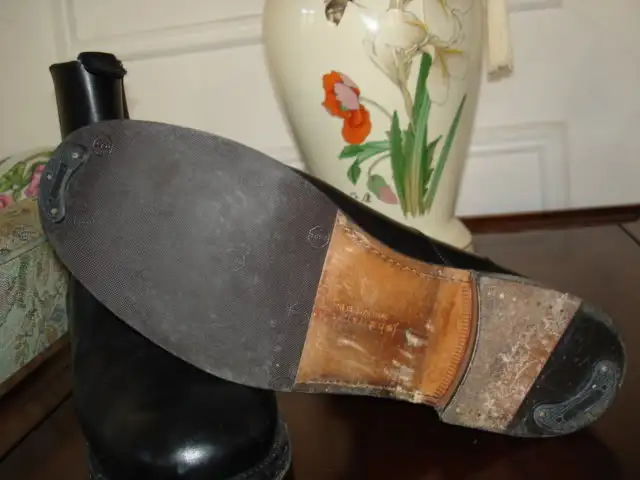
Yes, a skilled cobbler can add rubber soles to many boots, improving grip, comfort, and protection.
Can you add rubber soles to boots? In most cases, yes, but the best method depends on the boot’s current sole, welt, construction, and condition. This guide explains when rubber sole replacement works, how cobblers install it, what it costs, and which mistakes to avoid.

Can You Add Rubber Soles to Boots?
Yes, you can add rubber soles to boots in several ways. A cobbler may replace the full sole, attach a thin rubber sole over the existing one, or add rubber half soles to the front section.
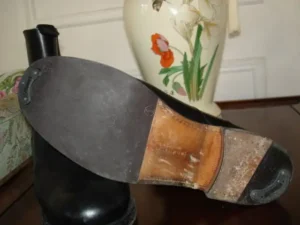
The right option depends on the boot design. Leather-soled boots are often good candidates for rubber sole additions. Boots with molded foam soles, damaged midsoles, or glued construction may need more careful treatment.
A professional will usually inspect:
• The condition of the current sole
• The boot’s welt or stitching
• The strength of the midsole
• The shape and flexibility of the boot
• The amount of wear near the heel
• Whether the upper leather is still sound
If the upper is cracked, badly stretched, or separating from the sole, new rubber may not solve the main problem. A good repair should restore the boot as a whole, not just cover visible wear.
Why Add Rubber Soles to Boots?
Rubber soles offer practical benefits for daily wear. They can make smooth leather soles safer on wet sidewalks, polished floors, and uneven paths.
Many people ask, “Can you add rubber soles to boots for better traction?” The answer is yes, especially when the boot has a flat leather sole with little grip. Rubber compounds can create a more secure connection with the ground.
Other benefits include:
• Better traction in rain and light snow
• More resistance to daily abrasion
• Extra protection from water and road salt
• Improved walking comfort
• Less wear on the original sole
• Longer boot life
• Reduced noise on hard floors
Rubber also acts like a shield. It takes the daily punishment that would otherwise wear down leather or soft sole material.
Still, rubber is not a cure for every problem. A very thick rubber sole may make a dress boot feel heavy. It can also change the boot’s flex, height, and appearance.

Which Boots Can Receive Rubber Soles?
Most well-built boots can receive some type of rubber sole repair. Welted boots are often the easiest because the sole can be removed and replaced with less risk to the upper.
Common boot types that may accept rubber soles include:
• Goodyear welted work boots
• Stitchdown hiking boots
• Blake-stitched boots
• Leather-soled dress boots
• Western boots with suitable sole construction
• Motorcycle boots
• Some cemented fashion boots
Can you add rubber soles to boots that already have rubber soles? Often, yes. A cobbler may replace the worn outsole or apply a new layer, but the old sole must be stable and clean.
Cemented boots require more care. Their soles are glued to the upper or midsole rather than stitched through a welt. If the original sole comes off cleanly, a new rubber outsole may work. If the foam or midsole crumbles, the repair may cost more or may not be practical.
Welted boots usually offer better long-term repair value. Their construction allows a cobbler to remove worn soles and install new ones while preserving the upper.
Rubber Sole Repair Options
There is no single way to add rubber soles to boots. A repair shop may recommend one of three main approaches.
Full rubber sole replacement
A full replacement removes the old outsole and installs a new rubber sole. This is the strongest option when the existing sole is badly worn, cracked, or separating.
The cobbler may also replace the heel, trim the edges, and restore the sole stitching. Full replacement gives the boot a fresh base and often provides the best long-term result.
Rubber half soles
Rubber half soles cover the front portion of the boot. They are often used on leather-soled dress shoes and boots.
This option costs less than a full sole replacement and keeps much of the original boot structure. However, the heel and rear sole still need inspection. If the heel is worn unevenly, it may need repair too.
Rubber sole protectors
A thin rubber protector can be glued to the bottom of a leather sole. This is a common choice for newer boots that need extra traction but do not need a full rebuild.
Protectors are light and discreet. They may wear out sooner than a thick replacement sole, but they are easy to replace.

How Cobblers Add Rubber Soles to Boots
The process varies by boot type, but professional sole work usually follows a clear set of steps.
-
The cobbler examines the boot and checks for structural damage.
-
The old sole is removed if a full replacement is needed.
-
The sole surface is cleaned, leveled, and prepared.
-
The new rubber sole is selected and shaped to match the boot.
-
Adhesive is applied where needed.
-
The sole is pressed, stitched, or both, depending on the construction.
-
The edges are trimmed and finished.
-
The heel is balanced and attached.
-
The repair is inspected for gaps, loose areas, and uneven edges.
For welted boots, stitching is often important. Glue helps bond the parts, but stitching can add strength and durability. For thin rubber protectors, high-quality adhesive may be enough.
A skilled cobbler also checks the boot’s balance. A sole that is too thick or uneven can cause foot strain, heel slipping, or an unnatural stride.
Can You Add Rubber Soles to Boots at Home?
You can attach thin rubber sole protectors at home, but a full replacement is best left to a professional. Sole work needs the right tools, strong adhesives, and careful shaping.
A home repair may work for a simple, low-cost boot. It is risky for expensive leather boots, welted boots, or boots with sentimental value.
If you try a small repair, use:
• A rubber sole protector made for footwear
• Flexible shoe adhesive
• Fine sandpaper
• A clean cloth
• Even pressure during curing
• A sharp trimming tool used with care
Clean and lightly roughen both surfaces before applying adhesive. Follow the adhesive maker’s cure time. Walking too soon can cause the rubber to shift or create weak spots.
Avoid household super glue. It becomes hard and brittle, while footwear needs a flexible bond. Do not use construction glue unless it is specifically suitable for shoes and leather.
One common mistake is adding rubber over a sole that is already warped. The new rubber may copy the defect and wear unevenly. Another mistake is using too much glue, which can create a stiff, messy edge.

How Much Does It Cost to Add Rubber Soles to Boots?
The cost depends on the sole type, boot construction, location, and amount of preparation required. A thin rubber protector is usually less expensive than a complete resole.
Typical price factors include:
• Full rubber outsole replacement
• Rubber half sole installation
• Heel replacement
• Welt or stitching repairs
• Midsole replacement
• Edge finishing
• Removal of old adhesive
• Specialty rubber materials
A basic protector may be affordable, while a full resole can cost a significant portion of the boot’s original price. Premium work boots and heritage boots often justify the expense because a proper resole can add years of use.
Ask the cobbler for a written estimate. Also ask whether the price includes heel work, stitching, edge dressing, and removal of the old sole.
A useful rule is to compare the repair cost with the boot’s quality and fit. If the boot fits well and the upper is healthy, repair often makes sense. If the leather is cracked and the lining is failing, replacement may be the wiser choice.
Rubber Soles Versus Leather Soles
Leather and rubber soles each have strengths. The better choice depends on where and how you wear the boots.
Rubber sole advantages
• Strong grip on many wet surfaces
• Good resistance to abrasion
• Better protection from puddles and rough ground
• Low maintenance
• Useful for work, travel, and outdoor wear
Leather sole advantages
• Traditional appearance
• Light weight
• Natural breathability
• Smooth flex after break-in
• Easy ability to resole on quality boots
Rubber is usually better for wet weather and hard daily use. Leather may feel more elegant and flexible in dry conditions.
Some boots use a combination of both materials. A leather midsole with a rubber outsole can provide structure, comfort, and traction. This hybrid design is popular because it balances classic style with practical performance.
Can you add rubber soles to boots without losing their original look? Often, yes. A thin, black, or brown rubber sole can blend well with the boot. A thick lug sole creates a more rugged appearance, so discuss the style before work begins.

Choosing the Right Rubber Sole
Rubber soles vary in thickness, tread, softness, and purpose. Choosing the right one matters as much as the installation.
Smooth rubber soles
Smooth rubber works well for city boots and dress styles. It gives some traction while keeping a clean appearance.
Lug soles
Lug soles have deep raised patterns. They suit work boots, hiking boots, and outdoor footwear. Their deep tread performs well on dirt and loose ground but may feel bulky indoors.
Crepe-style rubber
Crepe rubber feels soft and comfortable. It can absorb some impact, but it may collect dirt and wear faster on rough pavement.
Thin rubber protectors
Thin protectors preserve the original boot shape. They work well when you want added grip without a major change in weight or height.
Oil-resistant rubber
Oil-resistant compounds are useful for workshops, garages, kitchens, and industrial settings. They still require caution because no sole is slip-proof on every surface.
Ask about the rubber compound, not just the brand. A soft rubber may grip well but wear quickly. A harder compound may last longer but feel less secure on wet surfaces.
How Long Do Rubber Soles Last?
Rubber sole life depends on walking habits, body weight, terrain, climate, and rubber quality. A daily work boot may wear faster than a weekend boot.
You can extend sole life by:
• Rotating between two pairs
• Keeping boots away from strong heat
• Cleaning grit from the tread
• Drying wet boots at room temperature
• Replacing worn heels early
• Using shoe trees when suitable
• Checking for loose edges each month
Do not wait until the tread is completely gone. When the sole becomes smooth, grip drops. When the outsole wears through, the midsole and upper may suffer damage.
In my repair experience, one of the most preventable failures is delayed heel repair. A worn heel changes the boot’s angle and puts uneven pressure on the sole. Replacing a small heel section early can prevent a much larger repair later.