
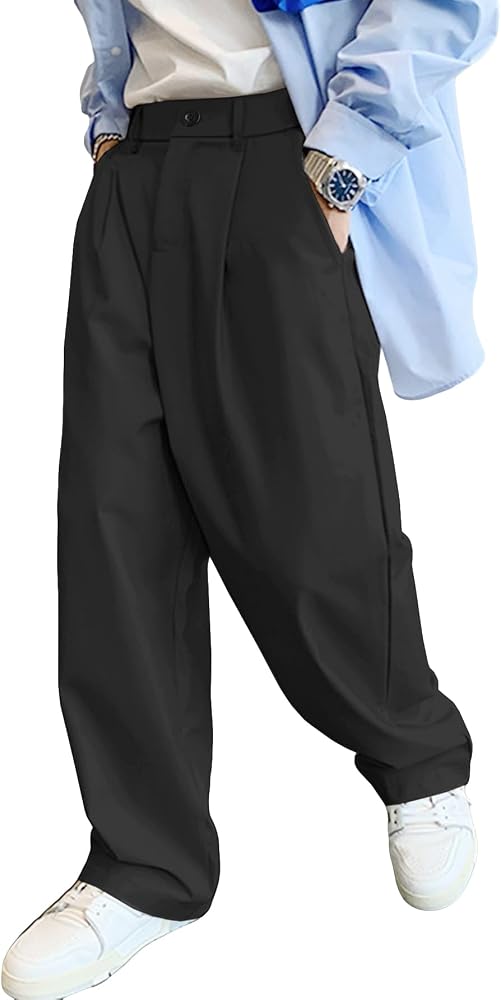
Men’s dress pants now favor a clean, tailored fit with a higher rise, roomier legs, pleats, and versatile neutral colors.
If you are wondering what is the current style for men's dress pants, the answer is more relaxed than it was a few years ago. Modern trousers still look polished, but they no longer need to feel tight, low-rise, or overly formal. This guide explains the best fits, fabrics, colors, rises, breaks, and styling choices for today’s wardrobe.
The Current Style for Men’s Dress Pants
The current style for men's dress pants combines classic tailoring with modern comfort. The most popular trousers have a clean shape, room through the seat and thigh, and a leg that falls straight or gently tapers toward the ankle.
Very slim pants are losing ground. They can still work on a narrow frame, but a tight fit often looks dated and restricts movement. Today’s best dress pants create a smooth line without clinging to the legs.
The main features of current men’s dress pants include:
• Mid-rise or high-rise waists
• Flat-front or single-pleat designs
• Straight, tailored, or softly tapered legs
• A little more room in the thigh
• Medium-weight wool, cotton, linen, or performance blends
• Neutral colors such as charcoal, navy, taupe, brown, and olive
• Minimal details and clean waistband construction
This shift reflects a wider change in menswear. Men want clothing that works at the office, at dinner, and during travel. A good pair of dress pants should feel like a well-built bridge between formal trousers and smart casual chinos.

The Best Fit for Modern Dress Pants
Fit is the most important part of the current style for men's dress pants. Expensive fabric cannot rescue trousers that pull, sag, or bunch in the wrong places.


Modern dress pants should follow the body without copying its exact shape. The waist should sit securely, the seat should lie flat, and the legs should create one clean line from the hip to the shoe.
Waist and rise
A mid-rise trouser usually sits near the natural waist or slightly below it. A high-rise style sits closer to the navel and gives the body a longer, cleaner appearance.
A higher rise also works well with tucked-in shirts. It keeps the shirt from constantly coming untucked and creates better balance between the jacket and trousers.
Check these points when trying on pants:
• The waistband should stay in place without a belt.
• You should fit one or two fingers between your waist and the band.
• The fabric should not wrinkle into horizontal lines across the front.
• The pockets should lie flat when you stand.
Seat and thigh
The seat should feel secure without pulling across the rear. Extra fabric can look sloppy, but a tight seat creates obvious stress lines and feels uncomfortable when you sit.
The thigh should allow easy movement. You should be able to sit, climb stairs, and place your hands in your pockets without the fabric stretching sharply.
A useful fitting test is simple: sit down in the pants for a minute. If the waistband cuts into your stomach or the pockets open wide, try a larger size or a different cut.
Leg shape
The current style for men's dress pants usually falls into three useful categories:
• Straight leg: The leg keeps a similar width from the knee to the hem. It offers a classic, balanced look.
• Tailored leg: The leg is shaped but not tight. This is the safest choice for most offices and formal events.
• Soft taper: The leg narrows slightly toward the ankle. It looks modern with loafers, derbies, and clean sneakers.


Avoid an extreme taper. A very narrow ankle can make the upper body look too large and can create an unbalanced silhouette.
Hem and break
The break is the small fold where the trouser hem meets the shoe. Current styles often use a no-break or slight-break hem.
A no-break hem ends just above the shoe with little or no fold. It looks sharp and modern, especially with slim shoes.
A slight break creates one small fold. It is more traditional and works well for business suits, wider trousers, and classic dress shoes.
A full break creates several folds around the shoe. It can look relaxed, but too much fabric often appears untidy.
For most men, a slight break is the easiest option. It looks current without becoming too fashion-driven.
Flat-Front Versus Pleated Dress Pants
Both flat-front and pleated trousers are current. The right choice depends on your body, style, and the look you want.
Flat-front pants
Flat-front trousers have a smooth front with no folds below the waistband. They create a simple, streamlined shape.
They work well for:
• Lean or athletic builds
• Business offices
• Semi-formal events
• Slim jackets
• Minimal, modern outfits


Flat-front pants should not be skin-tight. A little room through the thigh makes them look more refined and helps prevent pulling near the pockets.
Pleated pants
Pleated trousers have one or two folds at the front. They offer more room and add visual depth to an outfit.
Single pleats are the most versatile choice. Double pleats give a fuller, more traditional shape and suit men who prefer a relaxed silhouette.
Pleats look best when the pants fit correctly. If the waist is too large, the pleats may open and create extra bulk. If the trousers fit cleanly, pleats can make an outfit look elegant rather than old-fashioned.
The current style for men's dress pants includes pleats because modern tailoring has become less restrictive. Many men now prefer trousers that drape over the body instead of gripping it.
Popular Fabrics for Men’s Dress Pants
Fabric affects comfort, appearance, durability, and seasonality. The best choice depends on where and when you plan to wear the pants.
Wool
Wool remains the standard for high-quality dress pants. It drapes well, resists wrinkles, and regulates temperature better than many synthetic materials.
Look for:
• Worsted wool for a smooth business finish
• Flannel wool for a soft, warm winter texture
• Tropical wool for lightweight summer wear
• Stretch wool blends for extra movement
A wool blend with a small amount of stretch can be practical. Too much synthetic fiber, however, may make the pants look shiny or reduce breathability.
Cotton
Cotton dress pants are less formal than wool trousers. They work well for business casual outfits, spring events, and warm climates.


Cotton twill, brushed cotton, and cotton-sateen pants can look polished when they have a clean crease and tailored fit. They are more relaxed than traditional suit trousers but more refined than ordinary jeans.
Linen and linen blends
Linen is ideal for hot weather. It feels light and breathable, but it wrinkles easily.
That natural wrinkle is part of linen’s charm. Still, a linen blend with cotton or wool may hold its shape better for weddings, travel, and outdoor events.
Performance fabrics
Performance dress pants often use nylon, polyester, elastane, or blended fibers. They may resist wrinkles, dry quickly, and stretch during travel.
They are useful for commuting and long workdays. Choose a matte finish and a structured waistband so the pants still look like dress trousers rather than athletic wear.
Current Colors for Men’s Dress Pants
Color is another major part of the current style for men's dress pants. Navy and charcoal remain essential, but modern wardrobes now include warmer and softer shades.
The most useful colors
• Charcoal: A strong choice for offices, interviews, and formal events
• Navy: Easy to pair with white, blue, gray, tan, and burgundy
• Medium gray: More relaxed than charcoal and useful for everyday wear
• Taupe: A warm neutral that works well in spring and fall
• Brown: Adds depth and looks excellent with blue shirts and brown shoes
• Olive: A modern option for smart casual outfits
• Cream or stone: Useful in warm weather and resort settings
Black dress pants are still appropriate for evening events, funerals, and formal uniforms. However, black can look severe during the day if paired with a black jacket or very dark shirt.
For a first purchase, start with charcoal or navy. These colors offer the most combinations and make it easier to build a useful wardrobe.
How to Style Modern Dress Pants
Knowing what is the current style for men's dress pants is only useful if you know how to wear them. The same trousers can look formal, relaxed, or fashion-forward depending on the shirt, jacket, and shoes.
For the office
Pair charcoal or navy trousers with:
• A white or light blue dress shirt
• A navy, gray, or brown blazer
• Leather loafers, derbies, or oxford shoes
• A simple leather belt that matches the shoes
Keep the shirt tucked in and the trousers pressed. A small amount of texture, such as a knit tie or brushed wool jacket, can make the outfit feel less stiff.
For a wedding
Choose wool or wool-blend trousers with a structured jacket. Navy, medium gray, and taupe are strong choices.
A white shirt and leather dress shoes create a reliable base. Add a muted tie or pocket square if the event calls for a more formal look.
Do not wear casual performance pants to a formal wedding unless the invitation clearly supports relaxed clothing.
For smart casual outfits
Wear tailored trousers with:
• A knit polo
• An Oxford shirt
• A fine-gauge sweater
• A relaxed blazer
• Leather loafers or clean minimalist sneakers
This combination works because the trousers provide structure while the top adds ease. Avoid pairing very formal trousers with worn athletic shoes. The contrast can look accidental rather than intentional.
For evening events
Dark brown, charcoal, navy, and black trousers work well at night. Try a fine merino sweater, a dark shirt, or a velvet or textured jacket.
Keep accessories simple. A clean watch, leather shoes, and a well-fitted jacket usually make a stronger impression than many bold details.
Dress Pants for Different Body Types
There is no single best cut for every man. The current style for men's dress pants should support your proportions rather than force you into a trend.
For slim builds
Choose a tailored or softly tapered leg. Avoid extremely wide trousers unless you are comfortable with a more fashion-forward look.
A mid-rise waist and moderate trouser break can add balance. Pleats may also work if the pants remain clean through the hip.
For athletic builds
Men with larger thighs often benefit from single-pleat pants or athletic cuts. These styles provide room without requiring a larger waist size.
Avoid sizing up in regular pants just to fit the thigh. That often creates a loose waistband and excess fabric at the seat. A proper athletic cut or tailor can solve the problem more cleanly.
For larger builds
A mid-rise or high-rise trouser can create a smoother line than a low-rise style. Choose a straight or gently tapered leg rather than an aggressive slim cut.
Dark, matte fabrics can look refined, but fit matters more than color. The waistband should sit securely, and the front should lie flat without strain.
For shorter men
A moderate rise and clean hem can make the legs appear longer. Avoid excessive fabric at the ankle and very wide cuffs.
A monochromatic outfit can also help. For example, charcoal pants with dark gray shoes create a continuous visual line.
For taller men
A slight break, pleat, or cuff can add balance. Medium and lighter colors may also work well because they reduce the visual length of the legs.
The goal is proportion. Very short hems or extremely narrow trousers can make a tall frame look even longer.
Common Mistakes to Avoid
Many problems with dress pants come from small fit errors. These mistakes can make even high-quality trousers look cheap.
Choosing pants that are too tight
Tight pants show stress lines around the pockets, fly, and seat. They also make sitting uncomfortable.
A modern fit should look neat, not painted on. If you cannot pinch a small amount of fabric at the thigh, the trousers may be too slim.
Wearing a low rise with a tucked shirt
Low-rise pants can cause shirts to come untucked and may shorten the appearance of the legs. A mid-rise waist usually gives a more stable and polished result.
Ignoring the hem
Long trousers bunch around the ankle. Short trousers can look unplanned unless the outfit is intentionally cropped.
Have a tailor adjust the hem while wearing the shoes you plan to use. The correct length can change with different shoe shapes.
Overmatching the suit
Dress pants do not always need to match a suit jacket. Separate trousers and jackets can create more useful outfits.
Still, pay attention to formality. A shiny suit trouser may not pair well with a textured casual blazer.
Wearing the wrong belt
A thin, formal belt may look weak with heavier trousers. A wide casual belt may look out of place with fine wool pants.
Match the belt’s formality to the trousers and shoes. The colors do not need to be identical, but they should look intentional.
Skipping alterations
Ready-to-wear pants often need minor changes. Hemming is common, and a tailor may also adjust the waist or taper the leg.
A small alteration can make a mid-priced pair look better than an expensive pair with a poor fit.
How to Buy the Right Dress Pants
Use this simple process when shopping for modern dress pants.
-
Decide where you will wear them. Office trousers, wedding trousers, and travel trousers may need different fabrics and levels of formality.
-
Start with the waist. The waistband should stay in place without depending on a belt.
-
Check the seat and pockets. The seat should lie flat, and the pockets should not flare open.
-
Sit and walk. Comfort is part of proper fit, not a luxury.
-
Inspect the leg line. Look for a smooth line from the hip to the hem.
-
Choose the shoes before hemming. The trouser break depends on the height and shape of the shoes.
-
Consider alterations. Ask a tailor to correct the hem or waist if the rest of the fit is strong.
When comparing two pairs, choose the one with the better fit through the waist, seat, and thigh. A tailor can usually adjust the hem more easily than the entire upper block.
Building a Practical Dress Pants Wardrobe
A small collection can cover most situations. You do not need ten pairs of nearly identical trousers.
A useful starting wardrobe includes:
• One charcoal wool pair for formal and business wear
• One navy pair for daily office outfits
• One medium gray pair for flexible styling
• One taupe, brown, or olive pair for smart casual wear
• One lightweight cotton or linen-blend pair for warm weather
Choose different textures to create variety. Smooth worsted wool looks formal, while flannel, cotton, linen, and textured blends feel more relaxed.
Care also affects how long dress pants last. Follow the care label, use a proper hanger, and allow wool trousers to rest between wears. Press them carefully, and use professional cleaning only when needed.
Frequent dry cleaning may wear down fibers over time. Spot clean small marks and air the pants out when possible.
What Menswear Experts Are Saying About the Trend
The current style for men's dress pants reflects a broad move toward comfort, ease, and personal expression. Runway collections, tailoring houses, and mainstream retailers are showing more room in the leg, higher waists, and softer construction.
This does not mean every man should wear very wide trousers. Fashion images often use exaggerated proportions for visual effect. In everyday life, a straight or softly tapered leg is easier to wear and more appropriate for many workplaces.
Traditional tailoring principles still matter. Balance, clean drape, suitable fabric, and correct length remain more important than chasing a seasonal trend.
One practical lesson appears again and again in fittings: comfort improves confidence. When trousers pinch at the waist or thighs, the wearer tends to adjust them all day. When the fit is right, the clothing becomes quiet, and the person becomes the focus.
Frequently Asked Questions About the Current Style for Men’s Dress Pants
Are slim dress pants still in style?
Slim dress pants are still acceptable, but extremely tight styles are less popular than before. A tailored or softly tapered fit usually looks more current and gives you better comfort.
Should men wear pleated dress pants?
Yes, pleated dress pants are stylish when they fit properly. Single pleats are especially versatile because they add comfort and room without creating excessive fullness.
Should dress pants be high rise or low rise?
Mid-rise and high-rise pants are generally more current than low-rise styles. They support a tucked shirt, create better proportions, and stay in place more easily.
What color dress pants should every man own?
Every man should consider charcoal and navy first. These colors work for business, weddings, dinners, and many jacket combinations.
Should dress pants have a cuff?
Cuffs are optional. They can add weight and balance to wider or pleated trousers, while uncuffed hems often look cleaner with slim or modern tailored pants.
How long should men’s dress pants be?
Most men can wear a no-break or slight-break hem. The ideal length depends on the trouser cut, shoe style, height, and personal preference.
Can men wear dress pants with sneakers?
Yes, but the pants should have a slightly relaxed, modern shape and a clean hem. Minimal leather or low-profile sneakers usually work better than bulky athletic shoes.
Conclusion
The current style for men's dress pants is polished, comfortable, and less restrictive than older slim-cut trends. Mid-rise and high-rise waists, tailored or straight legs, subtle pleats, natural fabrics, and versatile neutral colors are the strongest choices now.
Start with charcoal or navy trousers in a comfortable tailored fit. Then adjust the hem, pair them with suitable shoes, and add relaxed pieces such as knit polos, sweaters, or textured jackets. Choose fit and proportion over short-lived trends, and your dress pants will remain useful for years.
Try on a few different rises and leg shapes, note what feels best, and share your favorite fit or styling tip in the comments.
Rubel Miah is the Senior Editor at MyStyleGrid.com, where he brings a sharp editorial eye and an unshakable love for fashion to everything he does. A true style addict, Rubel lives and breathes trends, from streetwear to high fashion, and has a knack for turning inspiration into impactful stories. With years of experience in fashion journalism and digital media, he curates content that empowers readers to express themselves through style. When he’s not editing features or forecasting the next big thing, you’ll find him hunting down vintage pieces or capturing street style moments around the city.