Most rubber rain boots can stretch a little; natural rubber relaxes more than PVC or synthetic blends.
I’ve studied and tested rain boots for years and helped readers pick, fit, and care for them. This guide digs into whether rubber rain boots stretch, why they do or don’t, how much change to expect, and safe ways to adjust fit without ruining the boots. Read on for clear, practical advice you can use today.
Do rubber rain boots stretch?
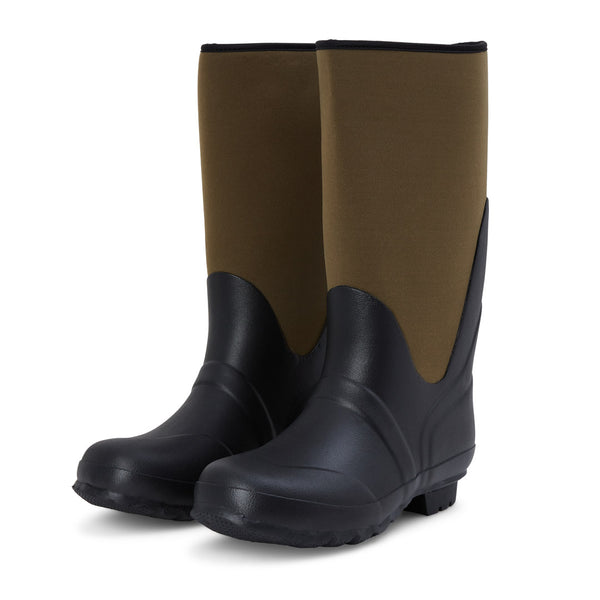
Yes, rubber rain boots can stretch, but how much depends on the material and construction. Natural rubber has more elasticity and can relax with wear. PVC and vinyl boots are stiffer and hold their shape much better. Seamed or lined boots may also behave differently because the lining limits stretch.
What to expect
- Natural rubber may loosen a bit after the first few wears.
- Neoprene-lined boots can conform to your foot with repeated use.
- Molded PVC or thermoplastic boots rarely gain noticeable width or length.
This means if you buy tight PVC boots, they likely won’t stretch enough to fix poor fit. Choose the right material and size up slightly if you expect swelling or want room for thick socks.
What causes rubber rain boots to stretch?
Several factors influence whether and how much rubber rain boots change shape over time.
- Heat and warm water: Heat softens rubber and can let it relax or expand. Prolonged exposure may cause permanent changes.
- Repeated wear: Constant flexing at the ankle and toes breaks in the rubber and lining, letting the boot conform.
- Material type: Natural rubber and neoprene are more elastic than PVC or vinyl.
- Poor fit under stress: If a boot is too tight, constant pressure can deform seams or the toe box.
- Chemical exposure: Oils, solvents, and certain cleaners can weaken rubber and lead to stretching or cracking.
These causes explain why the same pair can behave differently depending on use and care.
How much do rubber rain boots typically stretch?
Expect small, gradual changes rather than dramatic size increases.
- Natural rubber: May relax by about a quarter to half a shoe size after breaking in.
- Neoprene-lined boots: Often conform to foot shape, offering small gains in comfort rather than clear size change.
- PVC/vinyl: Typically show almost no stretch; any apparent change is usually from the lining compressing.
- Seamed or reinforced boots: Stretch less because stitching and reinforcements hold shape.
In my experience testing several brands, a good-fitting natural rubber boot got noticeably more comfortable after three to five wears but never became loose enough to require replacement.
How to stretch rubber rain boots safely
If you need a bit more room, try these safe methods. Avoid anything that risks melting or weakening the rubber.
- Wear thick socks and walk
- Put on two pairs of socks.
- Wear the boots for an hour in your home.
- Repeat daily until you feel improvement.
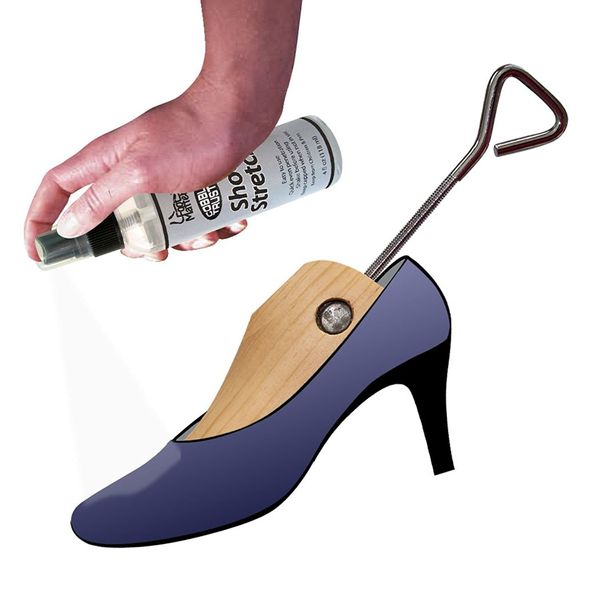
- Use a boot stretcher
- Insert a commercial boot stretcher designed for rain boots.
- Add pads at pressure points if needed.
- Leave for 24–48 hours and check results.
- Warm method (use caution)
- Warm the boots gently with a hair dryer on low at the tight area.
- Wear thick socks while the rubber is warm and walk around until it cools.
- Do not overheat; avoid high heat or open flames.
- Professional stretching
- Take boots to a cobbler who works with rubber or neoprene.
Avoid soaking in boiling water or using chemical solvents. Those methods can warp the shape, break glue bonds, or ruin the lining.
How to prevent boots from stretching or losing shape
Good habits keep boots fitting longer and reduce the need to stretch them.
- Buy the right size: Try boots in the afternoon when feet swell and wear the socks you plan to use.
- Store properly: Keep boots upright on a rack or use boot trees to hold shape.
- Avoid heat: Don’t leave boots near heaters, in hot cars, or in direct sun for long periods.
- Clean gently: Use mild soap and water; avoid harsh solvents.
- Rotate footwear: Don’t wear the same boots every day to allow them to dry and recover.
These steps protect both the rubber and any lining or glue.

Signs your rubber rain boots have stretched or failed
Look for these easy-to-spot signs to tell if a boot has changed shape or needs repair.
- Looseness around the ankle or heel that causes slipping.
- Visible gaps or wrinkling at the toe box or sides.
- Seams pulling or separating.
- Liner bunching or gaps between lining and outer shell.
- Soggy soles or leaks that appeared after the stretch.
If you see torn seams or leaks, repair or replacement is likely needed rather than attempting more stretching.
Caring for stretched boots and repair options
You can often improve fit without drastic measures. Here are practical fixes.
- Insoles: Add cushioned insoles to fill extra space and improve comfort.
- Heel grips and tongue pads: These stop slipping at the heel and improve fit.
- Professional repair: A cobbler can re-glue seams, replace liners, or stretch carefully.
- Manufacturer help: Check warranty and return policies before altering boots.
If the rubber itself is permanently stretched and weak, replacement is usually the safest option.
Personal experience and practical tips
I once bought mid-price natural rubber boots that felt too snug in the store. I wore them with thick wool socks at home for several evenings and used a low-heat hair dryer at the ankle for a few minutes. They relaxed into a comfortable fit without damage. Key lessons I learned:
- Test fit with the socks you’ll wear outside.
- Try simple wear-in methods before buying a larger size.
- When in doubt, return or exchange—some boots don’t respond to stretching.
These tips come from trial and error and from helping friends choose the right boots.
Frequently Asked Questions of do rubber rain boots stretch
Do rubber rain boots stretch after wear?
Yes, many rubber rain boots, especially those made from natural rubber, relax slightly after several wears. The lining can also conform to your foot, making them feel roomier.
Can I stretch PVC rain boots?
PVC rain boots are rigid and do not stretch much. Trying to force stretch with heat or solvents can damage them, so use insoles or return for a better size.
Will heat damage my rubber rain boots if I try to stretch them?
High heat can warp rubber, melt glue, or ruin linings. Use only low, controlled heat like a hair dryer and proceed with caution.
Is it better to size up if I’m between sizes?
If you are between sizes, sizing up is often safer for PVC or rigid boots, while natural rubber can be sized true and broken in gently. Consider sock thickness too.
Can a cobbler permanently stretch my rain boots?
A skilled cobbler can sometimes stretch boots without damage, especially if they have experience with rubber or neoprene. Professional stretching is the safest route for valuable or tight-fitting boots.
Conclusion
Rubber rain boots can stretch a little, but how much depends on material, construction, and care. Natural rubber and neoprene are most likely to relax and conform to your foot, while PVC and vinyl hold their shape. Use gentle wear-in methods, proper storage, and simple fixes like insoles to improve fit without risking damage. If you’re unsure, test boots with the socks you’ll use and consider professional help for tight pairs.
Try one small change today: wear the boots at home with thick socks for an hour and see if they improve. If you found this guide helpful, leave a comment, share your experience, or subscribe for more footwear tips.

Madison Clark is a footwear expert and the voice behind MyStyleGrid.com. She specializes in honest shoe reviews, style tips, and practical guides to help readers find the perfect pair for any occasion. With years of experience in blogging and content creation, Madison makes footwear knowledge simple, stylish, and easy to follow.