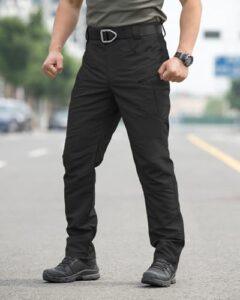
Yes. Wear socks with deck boots for comfort, moisture control, and to prevent blisters.
I’ve spent years sailing, testing footwear, and helping crew choose gear that lasts. This guide answers do you wear socks with deck boots in practical detail. You’ll learn which socks to pick, when to skip them, and how to keep both socks and deck boots in top shape.

Why socks matter when you wear deck boots
Socks add a layer that protects your feet from friction and sweat. Deck boots are made for wet, rough work and can rub the skin without a proper sock. Socks also help manage moisture, cut down on odor, and keep your toes warmer on cool decks. If you ask do you wear socks with deck boots, the short technical answer is yes — for health and comfort reasons.

Types of socks that best pair with deck boots
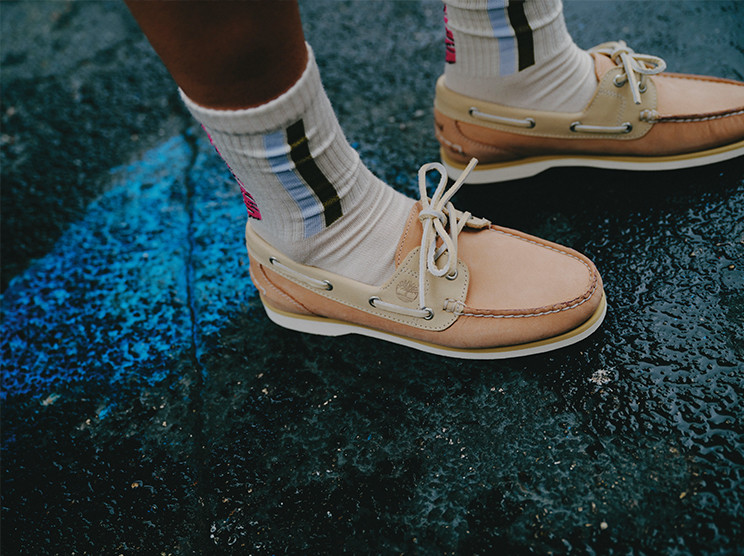
Choose socks by material and thickness. Merino wool blends wick moisture, resist odor, and stay comfy when wet. Synthetic blends dry fast and give good cushion for long shifts. Avoid pure cotton for long time on deck; it holds water and slows drying. For style and fit, pick mid-calf or crew length to keep chafing away from the top of the boot.

When to wear socks and when you might skip them
Most of the time, wear socks with deck boots for safety and comfort. On quick, dry trips or short tasks, some people go sockless for convenience, but few pros recommend that for long or wet days. If you must skip socks, keep feet clean and dry, and use liners or low-profile no-show liners that still protect the skin.

How to choose the right sock fit and thickness
Fit matters more than brand. Socks should fit snugly without bunching or slipping in the heel. Match the sock thickness to the boot fit: thin socks with tighter boots, thicker socks with boots that have more room. Look for seamless toes and light cushioning under the ball and heel to reduce hotspots and blisters.
Care tips for socks and deck boots
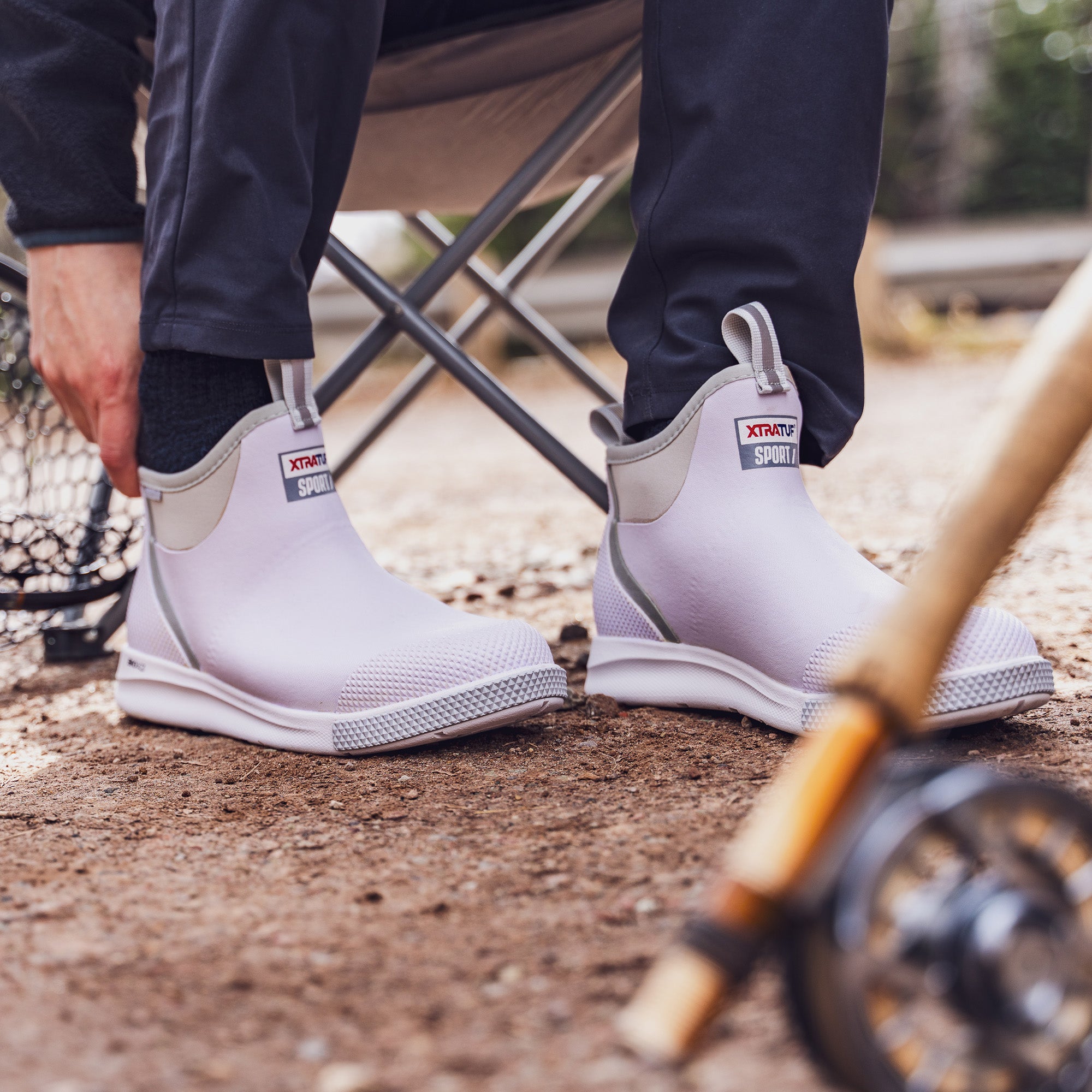
Wash socks after every heavy use to cut bacteria and odor. Use a gentle detergent and air-dry when possible to keep fibers intact. For deck boots, rinse salt and dirt, let them dry naturally, and condition leather boots periodically. Store socks in a dry place and rotate pairs so each pair fully airs between uses.
Personal experience and tested tips
I once wore thin cotton socks on a long sail and paid for it with raw blisters. Switching to merino-blend crew socks solved the problem in two trips. My top practical tips:
- Replace socks at the first sign of wear to avoid hotspots.
- Bring spare socks on long trips to change into dry pairs.
- Test combinations at home to find the best sock thickness for your boot.
Simple troubleshooting: common problems and fixes
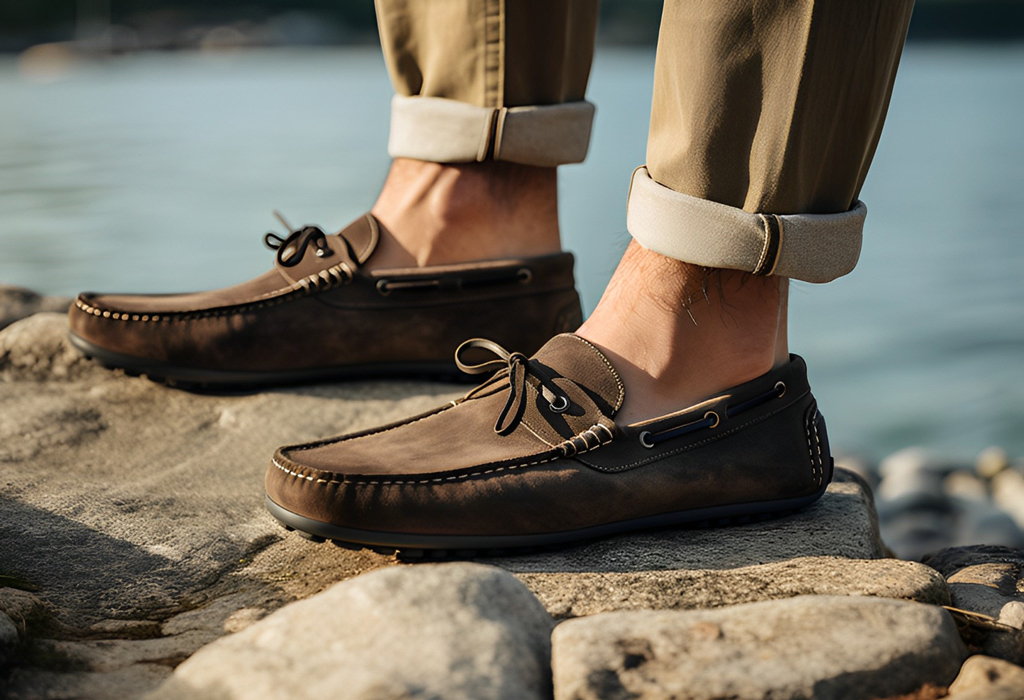
Hot spots and blisters are the most common issues with deck boots. If you get rubbing, try a different sock thickness, a liner sock, or an anti-blister balm. For slipping soles inside the boot, add a thin insole or switch to socks with more grip at the heel. If feet smell, use wool blends and wash often; odor rarely comes from the boot alone.
Quick questions people ask (PAA-style)
Will socks make my deck boots less waterproof?
Socks don’t change the boot’s waterproof ability. They manage moisture inside the boot and protect skin, but the boot membrane still controls external water.
Are wool socks okay if they get wet?
Yes, merino wool still insulates when damp and dries faster than cotton. Wool also fights odor more effectively than cotton.
Can I use no-show liners under deck boots?
Yes, thin liners can reduce friction while staying low-profile, but they offer less padding than crew socks.

Frequently Asked Questions of do you wear socks with deck boots
Are socks necessary when wearing deck boots?
Socks are strongly recommended for comfort, blister prevention, and moisture control. They protect the skin and keep feet healthier on long or wet days.
What is the best sock material for deck boots?
Merino wool blends and high-quality synthetics are best. They wick moisture, dry fast, and resist odor far better than cotton.
How often should I change socks on a long sail?
Change socks whenever they become damp or after several hours of heavy activity. Carry at least one spare pair per day on long trips.
Can socks damage leather deck boots?
Good-quality socks do not damage leather. Damage often comes from salt, water, and lack of boot care rather than from socks.
Should socks be thin or thick with deck boots?
Match sock thickness to boot fit: choose thin socks for tight boots and medium-to-thick socks for roomier boots. The right thickness prevents slippage and hotspots.
How do I prevent blisters with deck boots?
Use properly fitted socks, avoid cotton on long wet days, and address friction points with liners or cushioned socks. Treat early hotspots to stop blisters from forming.
Conclusion
Wearing socks with deck boots is a smart, practical habit. The right socks protect skin, manage moisture, and extend the life of your boots. Try merino or synthetic blends, match thickness to boot fit, and keep spare socks handy. Take action: test a few sock and boot combos on dry land, pick a reliable pair for your next trip, and share your results or questions below to help others.

Rubel Miah is the Senior Editor at MyStyleGrid.com, where he brings a sharp editorial eye and an unshakable love for fashion to everything he does. A true style addict, Rubel lives and breathes trends, from streetwear to high fashion, and has a knack for turning inspiration into impactful stories. With years of experience in fashion journalism and digital media, he curates content that empowers readers to express themselves through style. When he’s not editing features or forecasting the next big thing, you’ll find him hunting down vintage pieces or capturing street style moments around the city.