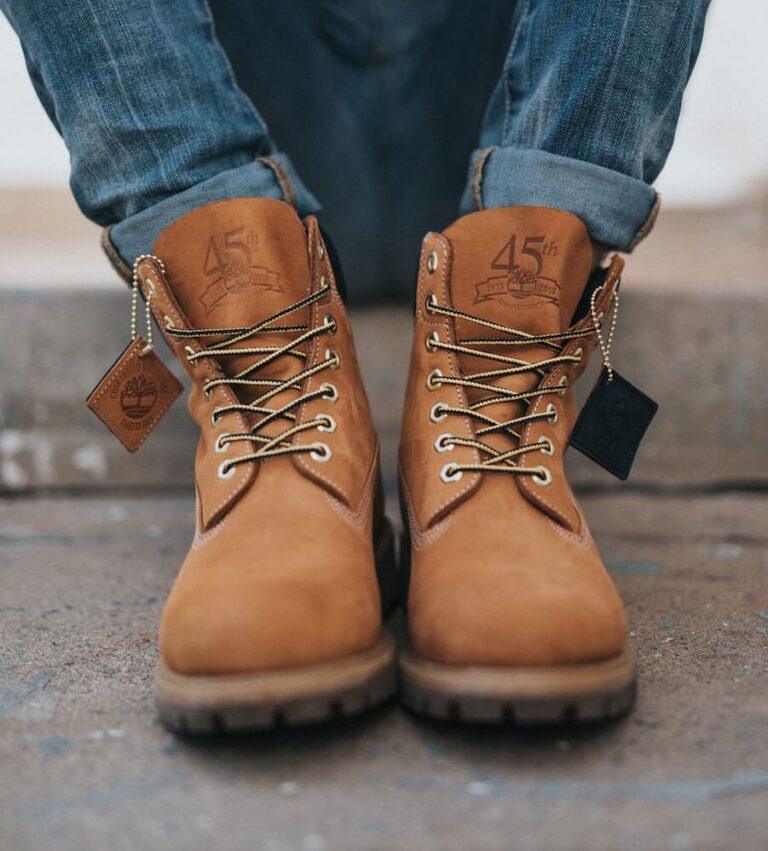
Timberland shoes generally fit true to size but can run slightly roomy—measure and try before you buy.
I’ve tested Timberland boots and shoes for years, and I’ll guide you through exactly how do Timberland shoes fit. This article covers sizing, models, materials, break-in tips, and fixes for common fit problems. Read on for clear advice you can use when buying or fitting Timberland footwear.

How Timberland Shoes Typically Fit
Timberland shoes tend to fit true to size for many people. The brand favors a sturdy build and slightly wider last, so some models feel roomier than fashion sneakers. If you have narrow feet, you may notice a bit more space across the toe box. When wondering how do Timberland shoes fit, think stable, supportive, and often a touch roomy up front.
I recommend checking the specific model’s fit notes. Work boots, hiking shoes, and casual shoes can have different lasts and lining. Always compare your foot measurements to the brand size chart before you buy.

Sizing Guide and How to Measure Your Feet
Measure your feet at the end of the day when they are slightly swollen. Stand on a sheet of paper, mark heel and longest toe, then measure length and width in inches or centimeters. Use the measurement against Timberland’s size chart for best results.
Consider these tips when deciding how do Timberland shoes fit:
- If you wear socks with the shoes, measure with similar socks on.
- For boots, add about a half size if you plan to wear thick socks or insert insoles.
- If between sizes, choose the larger size for long hikes or heavy work.
Try shoes on both feet. Many people have a larger dominant foot. If buying online, read user reviews for the exact model’s fit notes.
Fit by Timberland Model and Material
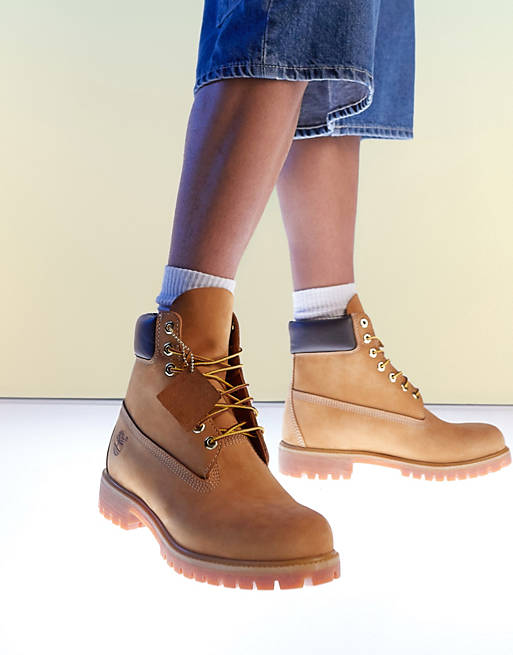
Different Timberland models fit differently. Classic 6-inch boots are built on a robust last. They feel roomy in the toe and snug around the ankle. Chukka and casual shoes often use slimmer lasts and can feel truer to standard sneaker fits.
Material changes the feel and fit too. Full-grain leather stretches and shapes to your foot over time. Waterproof membranes and insulated linings limit stretch, so those models usually require a closer initial fit. When asking how do Timberland shoes fit, remember to factor in model type and material.

Breaking In and Comfort Tips
Timberland shoes often need a short break-in, especially leather boots. Wear them for short walks first. Use thick socks and try indoor sessions to speed up softening.
Other practical tips:
- Use leather conditioner on raw leather to speed break-in.
- Insert cushioning insoles if you need more arch support.
- Loosen laces on top for better ankle flex during the break-in period.
If you feel pressure points after a few wears, stop and reassess sizing. A small break-in stretch is normal, but persistent pain means the fit isn’t right.
:max_bytes(150000):strip_icc()/GettyImages-2171272264-1-3f11b8487f264071acdb177fa58bab63.jpg)
Common Fit Issues and Fixes
Here are frequent fit complaints and quick solutions when you wonder how do Timberland shoes fit:
- Tight toe box: Try a half size up or use a shoe stretcher for leather models.
- Heel slip: Add a heel pad or try thicker socks to reduce movement.
- Narrow midfoot: Use a supportive insole to fill space and improve lock-down.
- Too roomy overall: Add a cushioned insole or wear thicker socks for a snugger fit.
If a shoe causes numbness or intense pain, it’s the wrong fit. Return or exchange for another size or model. Honest assessment early prevents blisters and long-term discomfort.
Frequently Asked Questions of how do timberland shoes fit
Are Timberland boots true to size?
Most Timberland boots are true to size, but fit can vary by model and material. Measure your feet and consult the size chart to be safe.
Should I size up or down for Timberland shoes?
Size up if you wear thick socks or want room for insoles; size true if you prefer a snug fit. Narrow feet may choose their usual size.
Do Timberlands stretch over time?
Full-grain leather Timberlands do stretch and mold to your foot with wear. Waterproof or insulated models stretch less due to liners.
How much space should I leave in Timberland boots?
Leave about a thumb’s width (half inch) from your longest toe to the front of the shoe for walking comfort. This prevents toe bumping on descents.
Can I use insoles to improve Timberland fit?
Yes. Insoles can fix heel slip, add arch support, and reduce overall roominess. Choose a quality insole that matches your activity.
Conclusion
Timberland shoes generally offer reliable, stable fits that lean slightly roomy, with variation across models and materials. Measure your feet, read model notes, and use insoles or heel pads to fine-tune fit. If you follow the steps here, you’ll find a Timberland fit that is comfortable and durable.
Take action now: measure your feet, check the exact Timberland model’s sizing notes, and try a short break-in routine when your new pair arrives. Share your experience or questions in the comments below — I’ll respond with practical advice.

Rubel Miah is the Senior Editor at MyStyleGrid.com, where he brings a sharp editorial eye and an unshakable love for fashion to everything he does. A true style addict, Rubel lives and breathes trends, from streetwear to high fashion, and has a knack for turning inspiration into impactful stories. With years of experience in fashion journalism and digital media, he curates content that empowers readers to express themselves through style. When he’s not editing features or forecasting the next big thing, you’ll find him hunting down vintage pieces or capturing street style moments around the city.