Most men need three to five pairs of boots to cover work, casual wear, bad weather, and formal events.
The right number depends on your job, climate, lifestyle, and budget. After years of comparing boot types, leather quality, comfort, and real-world wear, I have found that a small, useful collection beats a crowded closet. This guide explains how many pairs of boots should a man own and which styles earn their place.
The Ideal Number of Boots for Most Men
For most men, four pairs of boots create a practical and flexible wardrobe. This number gives you options without turning boot shopping into a collecting habit.
A balanced boot collection may include:
• One pair of everyday casual boots
• One pair of work or outdoor boots
• One pair of waterproof boots for rain and snow
• One pair of dress boots for smart outfits
You may need fewer or more pairs. A man who lives in Arizona and works from home may need only two or three pairs. Someone in Chicago, Seattle, or Buffalo may need five or six because winter weather demands better protection.
When asking how many pairs of boots should a man own, think about use rather than number. Every pair should solve a clear problem or support a regular type of outfit.

A Simple Boot Collection by Lifestyle
Your daily routine is the best guide. The right boot collection for a city worker may look very different from one for a ranch worker or frequent traveler.
The minimalist collection: Two pairs
Two pairs can work well if you want to keep your wardrobe simple.
• Everyday leather boots for jeans, chinos, and casual office wear
• Waterproof or rugged boots for rain, snow, yard work, and outdoor use
Choose versatile colors such as dark brown, medium brown, or black. A clean service boot in brown leather can handle many outfits and may become your most-used pair.
The practical collection: Four pairs
Four pairs suit most men. You get comfort, weather protection, and style without much waste.
• Brown casual boots
• Black or dark brown dress boots
• Waterproof winter boots
• Rugged work or hiking boots
This setup covers office commutes, weekend plans, cold weather, travel, and light outdoor work. It also allows each pair to rest between wears, which can help leather dry and recover.
The complete collection: Five to seven pairs
A larger collection makes sense if boots are part of your work, hobbies, or personal style.
You might add:
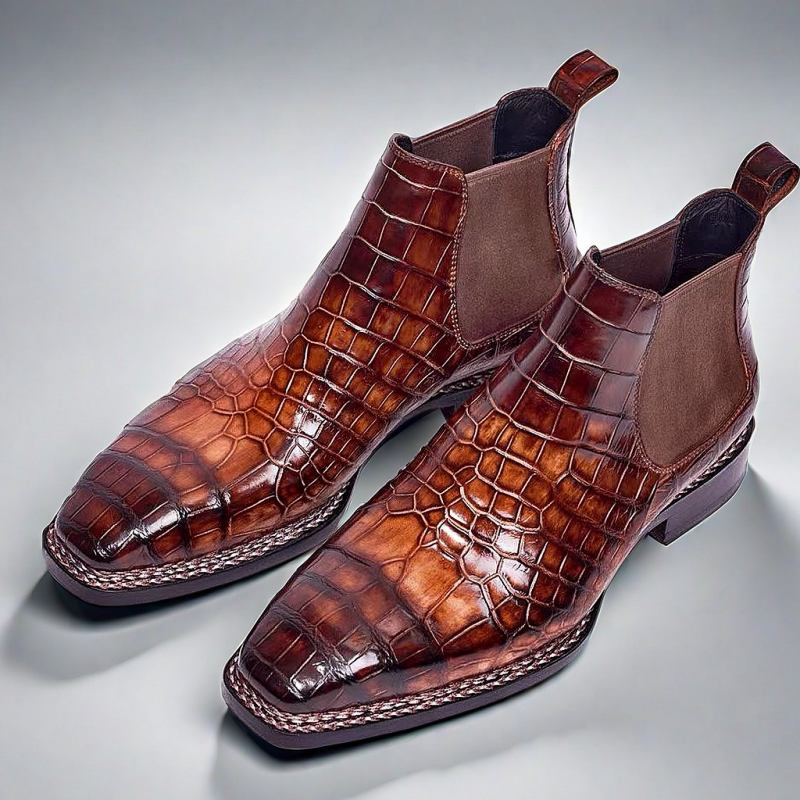
• Chelsea boots for a sleek look
• Chukka boots for smart-casual outfits
• Insulated snow boots
• Hiking boots
• Steel-toe work boots
• Cowboy boots
• A lightweight summer boot
The key is not to buy several pairs that serve the same purpose. Three nearly identical brown boots may look appealing, but they do not provide the value of boots with different functions.

The Five Boot Types Most Men Should Consider
The answer to how many pairs of boots should a man own becomes easier when you understand the main boot categories.
1. Everyday casual boots
Everyday boots are the foundation of a useful collection. Look for a comfortable sole, strong stitching, and leather or quality synthetic material that can handle frequent wear.
Good examples include service boots, moc-toe boots, desert boots, and plain-toe lace-up boots. Brown leather is often the most flexible choice because it works with denim, khakis, olive pants, and many casual jackets.
2. Work boots
Work boots protect your feet and should match the demands of your job. Construction workers may need ASTM-rated safety toes, slip resistance, electrical hazard protection, or puncture-resistant soles.
Do not treat fashion boots as safety boots. A stylish leather boot may look tough but lack the protection required on a job site. Check your employer’s safety rules and the boot’s official rating before buying.
3. Waterproof boots
Waterproof boots are useful for wet commutes, storms, muddy trails, and winter conditions. They should keep water out while allowing enough airflow for comfort.
Water-resistant leather may be enough for light rain. Full waterproof construction is better for puddles, heavy rain, and wet snow. In cold regions, insulation and outsole grip matter as much as waterproofing.
4. Dress boots
Dress boots provide a sharper option than sneakers or heavy work boots. Chelsea boots, sleek lace-up boots, and zip boots can work with wool trousers, dark denim, and suits, depending on their shape and finish.
Choose a smooth upper, a slim profile, and a clean sole. Black works well with gray, navy, and formal clothing. Dark brown offers a softer look and pairs well with blue suits and business-casual outfits.
5. Hiking and outdoor boots
Hiking boots support the foot on uneven ground. They often include deeper tread, ankle support, and water protection.
You do not need hiking boots simply because they look rugged. Buy them if you hike, camp, travel off-road, or spend time on rough trails. For casual city wear, they can feel too stiff and heavy.
How Climate Changes the Number of Boots You Need
Climate is one of the biggest factors in deciding how many pairs of boots should a man own.
A dry and warm climate may require only casual and dress boots. A wet climate calls for waterproof footwear and a pair that can handle frequent rain. A snowy climate may require insulated boots with strong traction, plus an indoor-friendly pair for daily wear.
Consider these needs:
• Rain: Choose water-resistant or waterproof boots with sealed construction.
• Snow: Look for insulation, a tall shaft, and a lugged rubber outsole.
• Heat: Select unlined leather or lightweight boots with breathable materials.
• Ice: Prioritize traction and avoid smooth leather soles.
• Mud: Choose boots that clean easily and have deeper tread.
Many men make the mistake of wearing one pair in every season. This can shorten the boot’s life and leave feet cold, wet, or uncomfortable. Seasonal rotation is often more practical than buying the most expensive boot available.

How Work and Hobbies Affect Your Boot Count
Your work may determine how many pairs of boots should a man own more than fashion does.
A tradesman may need separate boots for the job, daily wear, and formal events. Work boots collect dust, oil, water, and sweat. Wearing them to dinner or the office can damage the look of an outfit and spread dirt indoors.
Outdoor hobbies also add useful categories. Hiking, hunting, horseback riding, skiing, and motorcycling each place different demands on boots. A motorcycle boot, for example, may offer ankle protection and abrasion resistance that a normal fashion boot does not.
Keep function separate when possible:
• Use safety boots for work sites.
• Use hiking boots for trails.
• Use waterproof boots for storms and snow.
• Use dress boots for offices and events.
• Use casual boots for normal daily wear.
This approach protects your feet, extends the life of each pair, and keeps your wardrobe more organized.

How Often Should You Wear and Rotate Boots?
Leather boots usually benefit from rest between wears. Feet produce moisture, and leather needs time to dry. Wearing the same pair every day can increase odor, creasing, and material wear.
A simple rotation works well:
-
Wear one pair for a full day.
-
Remove the insoles if they are damp.
-
Let the boots dry in a cool, ventilated space.
-
Use cedar shoe trees in leather boots.
-
Wear another pair the next day.
Do not place wet leather boots beside a heater or use a hair dryer. High heat can dry the leather too fast and cause cracking or shrinkage.
In my experience, shoe trees made a larger difference than many owners expect. They help reduce deep creases, absorb some moisture, and keep the boot’s shape. They are especially useful for dress boots and higher-quality leather footwear.

When Should You Buy Another Pair?
You do not need another pair just because a new style looks attractive. Buy when your current collection has a clear gap.
Consider another pair if:
• Your only boots are not suitable for rain or snow.
• You wear work boots to formal events because you lack a dress option.
• Your feet remain wet or uncomfortable during your commute.
• One pair receives daily wear and cannot dry between uses.
• Your job requires safety features that your current boots lack.
• Your current boots no longer provide support or traction.
A useful test is the “three-outfit rule.” Before buying, identify at least three outfits and three situations where you will wear the new boots. If you cannot do that, the pair may become an expensive closet decoration.
Another practical test is cost per wear. A $250 pair worn twice a week for three years may offer better value than a $100 pair worn only a few times.

How Much Should a Man Spend on Boots?
The best boot budget depends on use, construction, and how well you care for the pair. Price alone does not guarantee comfort or quality.
Look for these signs of value:
• Strong stitching and clean seams
• A supportive insole or replaceable footbed
• Durable outsole material
• Full-grain or well-finished leather when leather is desired
• Reliable hardware, such as eyelets and hooks
• A shape that fits your foot without pressure points
For work boots, safety certification and comfort should come before appearance. For dress boots, construction and fit matter more than a famous logo.
A moderate collection of three well-made pairs can be more economical than seven cheap pairs. Poor fit can also lead to blisters, pain, and less use, so always check the return policy and try boots with the socks you normally wear.
Common Mistakes Men Make When Building a Boot Collection
Understanding how many pairs of boots should a man own also means knowing what not to buy.
Buying for appearance alone
A boot may look excellent online but feel stiff, narrow, or heavy in person. Read the fit details and walk indoors before removing tags.
Ignoring the outsole
A smooth leather sole may look elegant but perform poorly in rain. A deep lug sole may offer great grip but look too casual for a formal office.
Choosing the wrong size
Boot sizing varies by brand and model. Your toes should have room to move, while your heel should stay mostly secure. Some heel movement is normal in new boots, but excessive slipping can cause blisters.
Wearing work boots everywhere
Work boots are built for protection, not every social setting. Their bulk, dirt, and aggressive tread can clash with smart clothing.
Skipping maintenance
Clean leather with a suitable brush or cleaner, condition it when needed, and replace worn laces. Suede requires different care, so avoid using standard leather products on it.
Buying too many similar pairs
A closet full of nearly identical boots limits your options. Build around different needs, colors, materials, and levels of formality.
A Practical Buying Plan
If you are starting from zero, build your collection in stages. This keeps spending under control and helps you learn what you actually wear.
Stage one: Buy the daily pair
Start with comfortable brown or dark leather boots. Choose a style that works with your most common pants and daily routine.
Stage two: Add weather protection
Buy waterproof or insulated boots if your local weather requires them. Do not wait for the first major storm, when sizes and popular styles may be harder to find.
Stage three: Add a dress option
Choose black or dark brown dress boots when your work or social life calls for sharper clothing.
Stage four: Add specialized boots
Only then consider hiking, work, cowboy, motorcycle, or snow boots. These should serve a real need.
This staged plan is a reliable answer to how many pairs of boots should a man own because it focuses on usefulness first. It also prevents impulse purchases from taking over your closet.
Frequently Asked Questions About How Many Pairs of Boots Should a Man Own
Is four pairs of boots enough for a man?
Yes, four pairs are enough for most men. A casual pair, work pair, waterproof pair, and dress pair can cover most daily needs.
How many pairs of boots should a minimalist own?
A minimalist can usually manage with two or three pairs. Choose one versatile everyday boot, one weatherproof pair, and one dress pair if your lifestyle requires it.
Should a man own black and brown boots?
Black and brown boots provide different styling options, so owning both can be useful. Brown looks relaxed and versatile, while black usually appears sharper and more formal.
How many pairs of boots should a man own for winter?
Men in cold, snowy areas often need two winter-capable pairs. One insulated waterproof pair can handle severe weather, while a less bulky pair works for normal cold days.
Can one pair of boots work for every occasion?
One pair can work for many casual occasions, but it rarely suits every setting. Work sites, formal events, heavy snow, and hiking trails often require different features.
How long should a good pair of boots last?
Quality boots can last several years with proper care, but lifespan depends on materials, use, weather, and construction. Work boots may wear faster than dress boots because they face more stress.
Conclusion
For most men, three to five pairs of boots offer the best balance of comfort, style, protection, and cost. Start with a versatile everyday pair, then add boots for work, weather, and formal wear as your life requires.
The answer to how many pairs of boots should a man own is personal, but every pair should earn its space. Check your climate, daily routine, and wardrobe gaps before your next purchase, then choose fit and function over hype. Share your favorite boot setup or explore more footwear guides to build a collection that works in real life.

Rubel Miah is the Senior Editor at MyStyleGrid.com, where he brings a sharp editorial eye and an unshakable love for fashion to everything he does. A true style addict, Rubel lives and breathes trends, from streetwear to high fashion, and has a knack for turning inspiration into impactful stories. With years of experience in fashion journalism and digital media, he curates content that empowers readers to express themselves through style. When he’s not editing features or forecasting the next big thing, you’ll find him hunting down vintage pieces or capturing street style moments around the city.