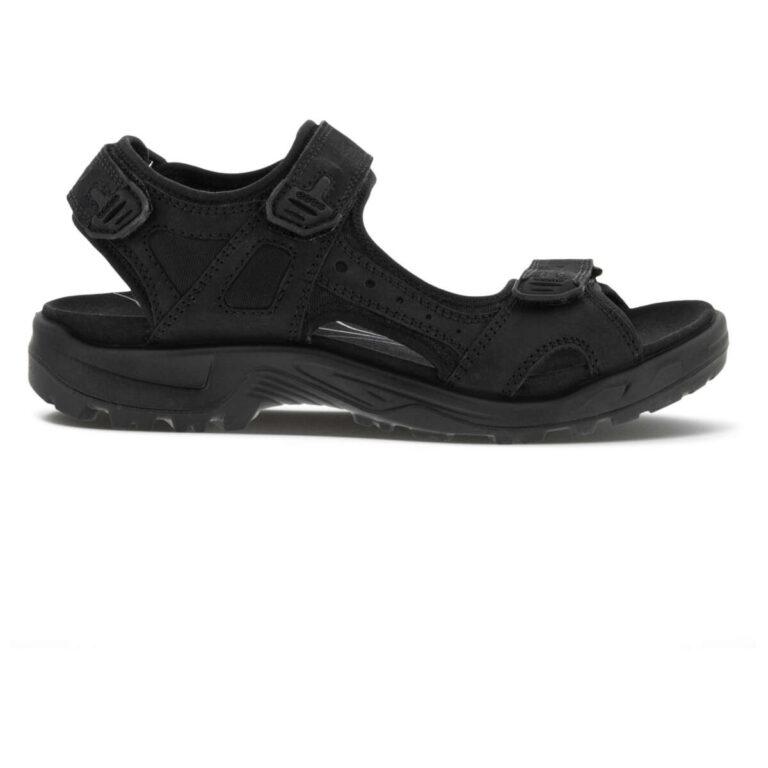
The safest way to clean ECCO sandals is to remove dirt gently, use mild soap, and dry them slowly.
ECCO sandals often combine leather, nubuck, suede, textile, rubber, and soft footbeds. Each material needs a slightly different touch. This guide explains how to clean ECCO sandals without causing stains, stiffness, color loss, or damage to the straps and soles.

Check the sandal material first
Before learning how to clean ECCO sandals, check what they are made of. The material usually appears on the product page, inside the sandal, or on the care label. If you cannot find the details, treat the sandal as delicate leather and avoid strong cleaners.
Common ECCO sandal materials include:
• Smooth leather, which has a flat, even surface and may have a light protective finish.
• Nubuck, which has a soft, brushed surface with a fine texture.
• Suede, which feels fuzzy and can mark easily when wet.
• Textile, which may include mesh, canvas, or woven fabric.
• Synthetic materials, which are often easier to wipe clean.
• Rubber or synthetic soles, which can usually handle more water than the upper part.
A material check matters because a cleaner made for smooth leather may flatten nubuck or leave suede looking shiny. When in doubt, test any product on a hidden area first.

What you need to clean ECCO sandals
You do not need a large kit. Simple tools are usually safer than strong household products.
Gather these items:


• A soft shoe brush or clean toothbrush
• Two soft microfiber cloths
• Lukewarm water
• A small bowl
• Mild soap or a cleaner made for the sandal’s material
• A suede or nubuck brush, if needed
• Leather conditioner for smooth leather only
• Baking soda for odor control
• A dry towel
Avoid bleach, alcohol, acetone, dishwashing detergent, abrasive powders, and strong disinfectants. These products may strip color, dry leather, weaken glue, or damage the finish.
ECCO care guidance generally favors gentle cleaning, limited moisture, and natural air drying. That approach is wise because sandals can hold moisture in the footbed and under the straps.

How to clean ECCO sandals step by step
This method works well for light dirt, dust, sweat marks, and everyday use. Clean your sandals in a cool room away from direct sunlight.
1. Remove loose dirt
Take out removable insoles if the design allows it. Tap the sandals together gently over a trash can or outdoors.
Use a dry, soft brush to lift sand and dust from the straps, seams, footbed, and sole. Do not scrub hard. Tiny grains can act like sandpaper and leave fine marks on leather.


2. Prepare a mild cleaning solution
Add a few drops of mild soap to a bowl of lukewarm water. The water should feel slightly soapy, not heavily foamy.
Dip a microfiber cloth into the mixture, then wring it out well. The cloth should be damp, never dripping. Excess water is one of the most common causes of stains and slow drying.
3. Clean the upper
Wipe the straps and upper in small sections. Follow the natural direction of the material rather than rubbing in random circles.
For smooth leather, use light pressure. For textile sections, gently dab rather than scrub. Keep water away from buckles, deep seams, and areas where the sole joins the upper.
4. Clean the footbed
The footbed often holds sweat, skin oils, dust, and sunscreen. Wipe it with the same damp cloth and mild solution.
Do not soak the footbed. A wet footbed can take a long time to dry and may develop a sour smell. For stubborn marks, use several light passes instead of one aggressive scrub.
5. Wipe away soap
Use a second cloth dampened with clean water. Wipe the sandal to remove soap residue.
Leftover soap can make leather feel stiff and may attract more dirt. This rinse should be light, not a full wash.
6. Dry the sandals correctly
Blot the sandals with a dry towel. Then place them in a well-ventilated room at normal indoor temperature.
Keep them away from:
• Radiators
• Hair dryers
• Clothes dryers
• Heaters
• Hot car interiors


• Strong, direct sunlight
Heat can shrink leather, crack finishes, loosen adhesives, and warp sandal parts. Let the sandals dry fully before wearing them again. Depending on moisture and airflow, this may take several hours or overnight.

How to clean ECCO leather sandals
Smooth leather needs cleaning and conditioning. Without care, repeated exposure to sweat and water can make leather dry and dull.
First, remove surface dirt with a dry cloth. Then use a barely damp cloth with a leather-safe cleaner. Apply the cleaner to the cloth rather than pouring it directly onto the sandal.
After the leather dries, apply a very small amount of leather conditioner. Spread it in a thin layer and allow it to absorb. Wipe away any excess with a clean cloth.
Keep these points in mind:
• Use conditioner only on smooth leather unless the product label says otherwise.
• Do not condition suede or nubuck with regular leather cream.
• Test the conditioner on a hidden spot first.
• Avoid over-conditioning, which can make leather greasy and attract dirt.
A common mistake is conditioning leather while it is still wet. This can trap moisture and create uneven patches. Let the sandal dry naturally before applying any product.

How to clean ECCO suede and nubuck sandals
Suede and nubuck require a dry-first approach. Water can create dark rings or flatten the soft surface.
Start with a suede or nubuck brush. Brush gently in one direction to remove dust and lift the nap. For a small dry mark, use a suede cleaning eraser with light pressure.


If a mark remains, use a cleaner made specifically for suede or nubuck. Follow its label carefully and apply it to the whole affected panel when possible. Cleaning only one tiny area may create a visible color difference.
Do not use:
• Leather conditioner
• Shoe polish
• Oily creams
• A soaking wet cloth
• A stiff household brush
If the suede becomes wet, blot it with a towel and allow it to dry naturally. Do not rub the wet surface. Once dry, brush it gently to restore its texture.

How to clean ECCO textile and synthetic sandals
Textile straps can collect dust, sweat, and food spills. Synthetic uppers are often more forgiving, but they still need gentle care.
Brush away loose dirt first. Then dab the fabric with a damp cloth and a small amount of mild soap. Work from the outside of a stain toward the center to help prevent the mark from spreading.
For synthetic straps, you can usually wipe more firmly than you would with leather. Still, avoid soaking the sandal or forcing water into the seams.
After cleaning, use a dry towel to press out moisture. Let the sandals air-dry fully before use. If the textile remains stained, repeat the process once rather than using a harsh chemical.

How to remove odors from ECCO sandals
Odor usually comes from sweat, bacteria, damp footbeds, and poor airflow. Cleaning helps, but drying habits matter just as much.
Try these safe steps:
-
Let the sandals air out after each wear.
-
Wipe the footbed with a lightly damp cloth and mild soap.
-
Dry the sandals completely before wearing them again.
-
Sprinkle a small amount of baking soda on the footbed overnight.
-
Shake or brush away the baking soda before wearing the sandals.
Do not leave baking soda on damp leather for long periods. It may pull moisture from the surface and leave a pale residue. Also avoid spraying perfume inside the sandals, since fragrance oils can stain leather and only mask the odor.
If the odor continues, rotate between two pairs of sandals. Giving footwear a full day to dry can make a noticeable difference.

How to clean the soles and footbeds
The outsole can usually handle more cleaning than the upper. Use a soft brush and mild soapy water to remove dirt from the tread.
For white or light-colored rubber, a damp melamine sponge may remove marks, but use it carefully. Melamine foam is mildly abrasive and can dull colored surfaces. Test it on a hidden part of the sole first.
For the footbed, use a damp cloth rather than a soaking brush. Pay close attention to the area under the toes and heel because these spots often collect oils and fine dirt.
Never put ECCO sandals in a washing machine unless the specific care instructions clearly allow it. Machine washing can twist straps, damage footbeds, weaken adhesives, and change the shape of the sandal.

How to clean difficult stains
Different stains need different treatments. The safest rule is to act early and avoid aggressive scrubbing.
Mud
Let mud dry first. Brush it away, then wipe the remaining mark with a damp cloth. Cleaning wet mud at once can push it deeper into the material.
Salt marks
Salt from sweat or winter surfaces may leave pale edges on leather. Wipe the area with a cloth lightly dampened with clean water, then dry it slowly. Do not flood the leather.
Grease or oil
Blot fresh grease with a clean cloth. Do not rub. On suede or nubuck, use a product designed for oily stains, since home remedies can spread the mark.
Sunscreen
Sunscreen can leave oily patches on straps and footbeds. Blot the area, then use a mild cleaner suitable for the material. Several gentle treatments are safer than one strong treatment.
Ink
Ink can spread quickly, especially on pale leather. Avoid alcohol unless the manufacturer or a professional leather cleaner recommends it. For valuable or light-colored sandals, professional cleaning is the safer choice.
Mistakes to avoid when cleaning ECCO sandals
Many damaged sandals are not ruined by dirt. They are damaged by too much water, heat, or pressure.
Avoid these common mistakes:
• Do not soak the entire sandal in a sink.
• Do not scrub leather with a rough brush.
• Do not use bleach or household disinfectant.
• Do not apply suede products to smooth leather.
• Do not use smooth-leather polish on suede or nubuck.
• Do not dry sandals on a heater or in direct sun.
• Do not wear them while the footbed is still damp.
• Do not test a new cleaner on a visible area first.
In my experience, the biggest improvement comes from cleaning small marks early. Waiting until dirt builds up often leads people to scrub harder, and hard scrubbing causes more harm than the original stain.
How to keep ECCO sandals clean longer
Regular care takes less time than deep cleaning. A few small habits can protect the material and improve comfort.
• Brush off dust after outdoor use.
• Wipe sweat from the footbed every few wears.
• Let sandals air out before storing them.
• Keep them in a cool, dry place.
• Store them away from damp bathrooms and hot vehicles.
• Use a breathable shoe bag instead of a sealed plastic bag.
• Apply a material-appropriate protector when recommended by the product instructions.
• Rotate sandals so each pair has time to dry.
A simple weekly wipe can prevent dark buildup on the footbed. Think of it like brushing your teeth: small, regular care is easier than a major repair later.
When to use a professional cleaner
Home care is suitable for normal dust, light stains, and mild odor. Professional help is better when the sandal has serious discoloration, ink, oil, mold, deep water marks, or expensive delicate leather.
A professional cleaner can also help when:
• The color has transferred between materials.
• The leather has cracked or become very stiff.
• The sole is separating from the upper.
• A chemical has caused a burn or pale patch.
• You are unsure whether the sandal is suede, nubuck, or coated leather.
Cleaning cannot repair every problem. If the sole is loose or the straps are torn, a cobbler may be more useful than another cleaning product.
Frequently Asked Questions About How to Clean ECCO Sandals
Can I wash ECCO sandals in a washing machine?
It is usually best to avoid machine washing ECCO sandals. The movement, heat, and water pressure may damage leather, straps, footbeds, and adhesives.
Can I use dish soap to clean ECCO sandals?
Use only a tiny amount of mild soap if the material allows it. A dedicated shoe cleaner is safer because some dish soaps can remove natural oils from leather.
How often should I clean ECCO sandals?
Wipe the footbed and straps every few wears or whenever they look dirty. A deeper clean is usually needed only after heavy use, spills, mud, or strong odor.
Can I use vinegar to remove sandal odor?
Vinegar may affect color and finish, especially on leather, suede, and nubuck. Use gentle soap, proper drying, and a small amount of baking soda instead.
How do I dry ECCO sandals after cleaning?
Blot them with a towel and let them dry at room temperature in a well-ventilated place. Avoid heaters, hair dryers, clothes dryers, and direct sunlight.
Can I use leather conditioner on every ECCO sandal?
No. Leather conditioner is intended for suitable smooth leather and may stain or flatten suede, nubuck, textile, or some synthetic finishes. Always check the material and test the product first.
Conclusion
The best way to clean ECCO sandals is to start gently: remove dry dirt, use a damp cloth with mild soap, protect the material, and allow slow air drying. Smooth leather, suede, nubuck, textile, and synthetic uppers each need slightly different care, so always check the material before applying a product.
Clean small marks early, avoid harsh chemicals and heat, and give the footbed time to dry between wears. Use these steps the next time you clean ECCO sandals, then share your results or explore more footwear-care tips for longer-lasting comfort.

Rubel Miah is the Senior Editor at MyStyleGrid.com, where he brings a sharp editorial eye and an unshakable love for fashion to everything he does. A true style addict, Rubel lives and breathes trends, from streetwear to high fashion, and has a knack for turning inspiration into impactful stories. With years of experience in fashion journalism and digital media, he curates content that empowers readers to express themselves through style. When he’s not editing features or forecasting the next big thing, you’ll find him hunting down vintage pieces or capturing street style moments around the city.