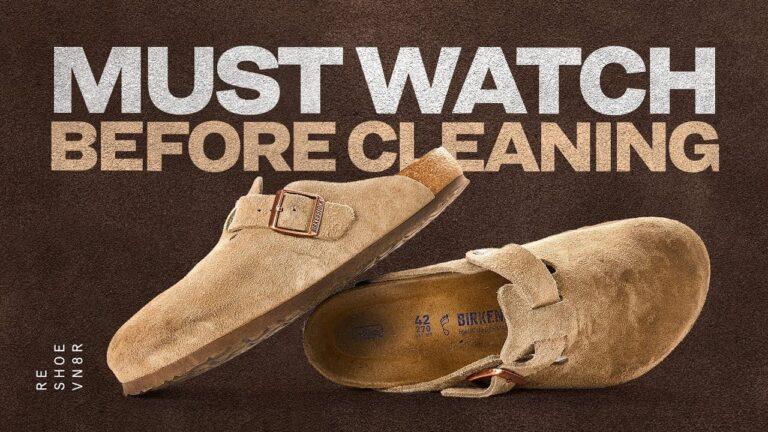
Are your favorite Birkenstock clogs looking dull because of stubborn stains? It’s frustrating when those spots won’t come off, especially on shoes you love to wear every day.
But don’t worry—you can bring your clogs back to life with simple steps you can do right at home. I’ve cleaned more Birkenstock Bostons and clogs than I can count, from oiled leather to suede and even EVA pairs. In this guide, I’ll show you the easy, effective ways I use to get stains out of Birkenstocks fast—without harming the cork, suede, or leather.
Keep reading, and you’ll learn exactly how to protect your shoes, remove stains by material and stain type, and keep them looking great for years to come.

<p class="wp-block-paragraph">Credit: www.reddit.com </p>
Quick Start: My 60‑Second Stain Rescue
Short on time? Here’s what I do first when I spot a fresh mark on my Birks:
- Blot, don’t rub. Lift liquids with a clean, white cloth or paper towel.
- Dry brush. Use a soft brush to remove loose dirt and grit.
- Spot test. Test any cleaner on a hidden area first (inside strap or under the buckle).
- Match method to material. Suede, leather, and cork each need a different approach.
- Air dry only. No heat, no direct sun.
These quick moves prevent stains from setting and protect the finish.
Common Stains On Birkenstock Clogs
Birkenstock clogs are popular for comfort and style. Many wear them every day. This frequent use exposes them to various stains. Knowing common stains helps in cleaning and care. Stains can come from many sources. They can affect the look and material of your clogs.
Types Of Stains
Birkenstock clogs often get dirt and mud stains. Grass stains appear after outdoor activities. Food and drink spills are common too. Coffee, wine, and sauce can leave marks. Oil and grease stains come from cooking or work. Ink stains may happen from pens or markers. Each stain type needs different care to remove.
- Sunscreen, lotion, and makeup can leave oily halos on leather and suede.
- Salt lines from winter streets can mark leather and suede.
- Water spots may show on suede, nubuck, and oiled leather.
- Dye transfer from jeans or dark socks can tint light leather or footbeds.
- Sweat and odor cause dark patches on the suede footbed lining.
How Stains Affect Material
Birkenstock clogs use cork, leather, and suede. Stains can damage these materials. Dirt can dry and cause rough spots. Oil stains can darken leather. Water spots leave marks on suede. Some stains may soak deep into cork. This can weaken the footbed. Quick cleaning helps keep clogs looking fresh.
Here’s what I see most in my own pairs:
- Suede/nubuck: Shows water rings and absorbs oil fast. Needs dry cleaning tools first (brush and eraser).
- Oiled/smooth leather: Handles light moisture but can darken with oil or salt. Benefits from gentle cleaners and conditioner.
- Cork footbed (with suede lining): Sensitive to soaking. Must be cleaned with minimal water and sealed after.
- EVA (full EVA clogs/outsoles): Tough and water-safe. Great for soap-and-water cleans.

<p class="wp-block-paragraph">Credit: www.reddit.com </p>
Preparation Before Cleaning
Before cleaning your Birkenstock clogs, preparation is key. Proper preparation helps protect the material and removes stains safely. Taking the right steps makes cleaning easier and more effective.
Gathering Supplies
Start by collecting all necessary supplies. You will need a soft brush, mild soap, a clean cloth, and water. Avoid harsh chemicals or bleach, which can damage the clogs. Having everything ready saves time and prevents mistakes.
- For suede/nubuck: Suede brush, crepe brush, suede eraser (gum eraser), white vinegar, microfiber cloth.
- For oiled/smooth leather: Mild dish soap, leather cleaner, leather conditioner, soft cloths.
- For cork footbeds: Mild soap, soft toothbrush, baking soda, 70% isopropyl alcohol (for light disinfecting), cork sealant.
- For EVA/outsoles: Dish soap, magic eraser sponge, soft brush.
Checking Care Instructions
Look for care labels or manufacturer guidelines. These instructions tell you what cleaning methods are safe. Different materials require different care. Following these tips protects the clogs from damage and keeps them looking good longer.
Always spot test any cleaner on a hidden area first. I test behind the strap or under the edge of the footbed. If color transfers or darkens, switch methods.
Cleaning Methods For Suede And Leather
Cleaning suede and leather Birkenstock clogs needs care. These materials are delicate. Using the right method keeps them looking good. Avoid harsh chemicals or rough scrubbing. Gentle cleaning protects the texture and color.
Using A Soft Brush
Start with a soft brush for suede. Lightly brush the stained area. This removes dirt and dust. Brush in one direction. Avoid scrubbing hard to prevent damage. For leather, use a soft cloth instead. Gently wipe the surface to clean dust. This helps prepare for deeper cleaning.
- Suede tip I swear by: After dry brushing, use a suede eraser to lift scuffs and dry marks. Work slowly and re-brush to restore the nap.
- Nubuck care: Treat like suede. Keep motions light and even to avoid shiny spots.
Applying Mild Cleaners
Choose a mild cleaner made for suede or leather. Dilute it with water before use. Dip a cloth or sponge in the solution. Squeeze out extra liquid to avoid soaking. Dab the stained area gently. Do not rub harshly. Let the clogs air dry after cleaning. Avoid direct sunlight or heat sources.
- For suede water rings: Lightly dampen the whole panel with a mist of water, then blot and brush as it dries. This evens out the shade.
- For oily spots on suede/nubuck: Sprinkle baking soda or cornstarch. Let sit 30–60 minutes, then brush off. Repeat if needed.
- For smooth/oiled leather: Use diluted dish soap (a drop in a cup of warm water). Wipe, then follow with a small amount of leather conditioner to prevent drying.
Nubuck And Oiled Leather: What Works On Birkenstock Boston
My Tobacco Brown oiled leather Bostons get water droplets and dark spots. Here’s my routine:
- Wipe dust with a dry microfiber cloth.
- For water spots, lightly dampen the area edge-to-edge. Let it dry evenly to avoid rings.
- For deeper grime, use a tiny bit of leather cleaner on a cloth. Wipe with the grain.
- Finish with a thin layer of leather conditioner or a balm made for oiled leather. Buff gently. This restores the rich, matte look.

<p class="wp-block-paragraph">Credit: www.reddit.com </p>
Removing Stains From Cork Footbed
Birkenstock clogs have a unique cork footbed that offers comfort and support. Over time, the cork can get stains from dirt, sweat, or spills. Cleaning these stains carefully keeps the footbed looking fresh and extends its life. The cork needs gentle care to avoid damage.
Gentle Scrubbing Techniques
Start by mixing mild soap with warm water. Use a soft brush or cloth to apply the solution to the stained areas. Scrub gently in small circles. Avoid using hard brushes that can scratch the cork. Rinse the cloth often and wipe away soap residue. Let the footbed dry in a cool place away from direct sunlight. Do not soak the cork; too much water can weaken it.
- Deodorize sweat stains: Sprinkle a light layer of baking soda on the dry footbed. Let sit overnight. Brush off the next day.
- Sanitize lightly: Dab a cloth with 70% isopropyl alcohol and water (1:1). Wipe, then let air dry. Do not saturate.
- Refresh the suede lining: Once dry, use a suede brush to lift the nap and even out dark patches.
Sealing And Protecting Cork
After cleaning, apply a cork sealant to protect the footbed. This sealant blocks moisture and prevents future stains. Use a small brush or cloth to spread a thin layer evenly. Allow it to dry completely before wearing the clogs. Regular sealing keeps the cork strong and helps maintain its natural look. Repeat this process every few months for best results.
I re-seal my pairs at the first sign of cork drying or tiny cracks along the edge. It takes minutes and adds months of life.
Cleaning EVA Uppers And Outsoles
Many clogs have EVA outsoles, and some models (like Super-Birki or EVA Boston) are full EVA. These are easy to clean:
- Mix warm water and a few drops of dish soap.
- Scrub with a soft brush or sponge.
- Use a magic eraser on scuffs and heel marks. Go light to avoid dull spots.
- Rinse and air dry. EVA can handle water, but avoid harsh chemicals that can yellow it.
Dealing With Tough Stains
Tough stains on Birkenstock clogs can be frustrating. These stains need careful attention to avoid damage. Some stains are stubborn and won’t come off with regular cleaning. This section explains how to treat these difficult stains safely and effectively. Follow these tips to keep your clogs looking fresh.
Spot Treatment Options
Start by identifying the stain type. Oil stains need a different approach than mud or ink. Use a soft brush to remove loose dirt first. For oil stains, sprinkle baking soda and let it sit for 15 minutes. Then gently brush it off.
For ink stains, try rubbing alcohol on a cotton ball. Dab gently to avoid spreading the stain. Mud stains can be cleaned with warm water and mild soap. Use a soft cloth to rub the area lightly. Avoid soaking your clogs in water.
Test all cleaning solutions on a small hidden area first. This prevents damage or discoloration. Repeat spot treatments if needed, but be patient. Tough stains often require several attempts.
- Coffee/tea/wine (tannins): Blot fast. For leather, use mild soap and water; for suede, use a suede eraser, then a light mist and brush.
- Sunscreen/lotion (oils): On suede, use cornstarch/baking soda first. On leather, wipe with diluted dish soap and follow with conditioner.
- Salt rings: Mix 1 part white vinegar with 2 parts water. Lightly wipe leather or suede (after brushing), then dry and re-brush.
- Dye transfer (jeans/socks): Leather only—very light use of leather cleaner. Avoid on suede; better to use a suede eraser and accept a slight patina.
- Gum/tar: Chill with an ice pack in a bag for a few minutes, then flake off carefully. Clean residue with mild soap (leather) or an eraser (suede).
When To Seek Professional Help
Some stains resist home treatments. Large or deep stains may need expert care. Professionals use special tools and cleaners. They can restore your clogs without harm.
If the stain covers a big area or affects the material deeply, visit a shoe repair shop. Professionals also help with structural damage caused by stains. Seeking help early can save your clogs from permanent damage.
Do not try harsh chemicals or scrubbing too hard. This can ruin the material. Leave tough cases to the experts. Your Birkenstocks will stay in good shape longer.
What Not To Do (Common Mistakes I See)
- Don’t use bleach or strong solvents on leather, suede, or cork.
- Don’t soak cork footbeds. Excess water weakens the latex-cork blend.
- Don’t dry with heaters, hairdryers, or in direct sun. Heat cracks cork and dries leather.
- Don’t scrub suede when wet. Let it dry, then brush.
- Don’t skip spot testing. Color shifts are hard to reverse.
Drying And Maintenance Tips
Keeping Birkenstock clogs clean and fresh takes more than just removing stains. Proper drying and regular maintenance help your shoes last longer. Drying them correctly stops damage and keeps the material strong. Routine care prevents stains and keeps your clogs looking good every day.
Proper Drying Methods
After cleaning, avoid direct sunlight to dry your clogs. Sun can fade colors and crack the material. Let your clogs air dry at room temperature. Remove insoles and straps if possible for faster drying. Never use a dryer or heater to speed up the process. Drying slowly keeps the shoes in better shape.
- Stuff the toe box with paper towels to wick moisture.
- Set on a rack for airflow. Flip once midway through drying.
- If they get soaked, dry in stages over 24–48 hours.
Regular Care To Prevent Stains
Clean your Birkenstocks often with a soft brush or cloth. Wipe off dirt before it sets into the material. Use a mild soap solution for regular cleaning. Apply a protective spray designed for your clog’s material. Avoid walking in muddy or wet places. Keep your clogs in a cool, dry place when not in use. These small steps stop stains and extend shoe life.
- Use a suede protector spray on suede/nubuck. Reapply every few weeks.
- Condition oiled/smooth leather lightly to prevent dry spots.
- Seal cork edges every 2–3 months or at first signs of drying.
- Rotate pairs to let footbeds air out and reduce odor build-up.
Storage And Odor Control
- Store in a cool, dry spot away from heat and sun.
- Slip cedar shoe trees or clean paper inside to help absorb moisture.
- For odor, dust the footbed with baking soda overnight, then brush off.
- A quick wipe with diluted alcohol (sparingly) helps keep bacteria down. Let dry fully.
Frequently Asked Questions
How Do I Remove Stains From Birkenstock Clogs?
Use a soft brush and mild soap mixed with water. Gently scrub the stained area. Rinse with clean water and air dry.
Can I Use Bleach On Birkenstock Clogs?
No, bleach can damage the material and color of Birkenstocks. Use mild soap instead for stain removal.
What Household Items Remove Birkenstock Clog Stains?
Baking soda mixed with water creates a gentle scrub. It lifts stains without harming the clog’s surface.
How Often Should I Clean Birkenstock Clogs?
Clean your clogs when stains appear or after heavy use. Regular cleaning maintains their look and extends lifespan.
What’s the best way to fix water spots on oiled leather Bostons?
Lightly dampen the whole panel so it dries evenly. After it dries, apply a thin layer of leather conditioner and buff.
Can I wash EVA Birkenstocks with water?
Yes. EVA models can be washed with soap and water. Avoid harsh chemicals that can cause yellowing.
How do I protect suede Birkenstocks from future stains?
Brush often and apply a suede protector spray. Keep them away from rain and salty sidewalks when you can.
How do I get rid of odor in the footbed?
Use baking soda overnight on a dry footbed, then brush. For light disinfecting, wipe with a diluted alcohol cloth and let dry.
Conclusion
Removing stains from Birkenstock clogs takes patience and care. Use gentle cleaning methods to protect the material. Act quickly to avoid permanent marks. Regular cleaning helps keep your clogs looking fresh. Small steps make a big difference. Clean shoes last longer and stay comfortable.
Take time to follow these simple tips. Your Birkenstocks will look better and feel great again. Keep them clean, and enjoy every step you take. With the right routine—brush, blot, clean, dry, and seal—you can restore even well-loved Bostons and keep them adventure-ready.

Madison Clark is a footwear expert and the voice behind MyStyleGrid.com. She specializes in honest shoe reviews, style tips, and practical guides to help readers find the perfect pair for any occasion. With years of experience in blogging and content creation, Madison makes footwear knowledge simple, stylish, and easy to follow.