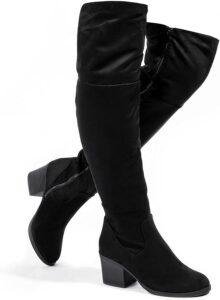
Wear men’s boots with the right trousers, balanced proportions, clean care, and confidence for each setting.
Learning how to wear men's boots is less about strict fashion rules and more about balance. The boot style, trouser cut, color, leather finish, and setting should work together as one outfit. This guide combines practical styling advice, fit knowledge, and simple care tips so you can wear boots with confidence, whether you are dressing for work, a weekend walk, or a formal event.
Choose the Right Men’s Boot Style
The first step in learning how to wear men's boots is knowing what each boot style does best. A rugged work boot sends a casual message, while a sleek Chelsea boot can look sharp enough for a business-casual outfit.
Your boots should match both the occasion and the rest of your clothing. Think of footwear as the foundation of an outfit. If the foundation feels too heavy, too shiny, or too casual, the whole look may feel out of balance.
Chelsea boots
Chelsea boots have elastic side panels and a clean, slip-on shape. Their simple design works well with:
- Dark jeans and a knit sweater
- Chinos and an Oxford shirt
- Tailored trousers and a sport coat
- A wool overcoat in cold weather
Black Chelsea boots look sleek and modern. Brown leather Chelsea boots feel warmer and more relaxed. Suede adds texture, but it needs more care in wet weather.
Chukka boots
Chukkas are ankle boots with open lacing and two or three pairs of eyelets. They often have suede or smooth leather uppers.
Wear chukka boots with:
- Cuffed jeans
- Straight-leg chinos
- Corduroy trousers
- Casual button-down shirts
Brown suede chukkas are among the easiest boots to style. They add interest without taking over the outfit.
Service and work boots
Service boots and work boots have sturdy soles, firm leather, and visible construction details. They look best with casual clothing that can match their visual weight.
Try them with:
- Raw or dark denim
- Canvas jackets
- Flannel shirts
- Heavy cotton overshirts
- Rugged field coats
Avoid pairing very bulky work boots with thin dress trousers. The contrast can make your feet look too large and your trousers look weak.
Dress boots
Dress boots have a slim shape, smooth leather, and a refined sole. Some resemble a formal leather shoe with a higher shaft.
They work well with:
- Wool trousers
- A navy suit
- Gray dress pants
- A tailored topcoat
- Smart business-casual outfits
Do not treat every boot as a dress boot. A thick lug sole, contrast stitching, or heavily distressed leather usually makes a boot more casual.


Hiking and outdoor boots
Hiking boots are built for support and traction. They belong with outdoor and casual clothing, not with a formal suit.
Wear them with:
- Technical outdoor pants
- Straight jeans
- Fleece jackets
- Quilted vests
- Utility trousers
The best outfit looks natural. A hiking boot should appear ready for movement, even if you are only walking through the city.

Get the Fit and Proportion Right
Good style begins with a good fit. Even the most expensive pair of men's boots will look poor if the heel slips, the toes feel cramped, or the shaft cuts into your leg.
Try boots on late in the day. Feet often swell after hours of walking, so an afternoon fitting gives you a more realistic sense of comfort. Wear the socks you expect to use with the boots.
Check these points before you buy:
- Your toes should move freely without touching the front.
- Your heel should lift slightly at first but should not slide hard with each step.
- The widest part of your foot should sit over the widest part of the boot.
- The instep should feel secure, not painfully tight.
- The boot shaft should not pinch your calf or ankle.
- Laces should close the boot without pulling the eyelets too far apart.
A small amount of heel movement is normal in new leather boots. The sole and upper need time to flex. Sharp pain, numbness, or pressure on the toes is not normal and will rarely disappear through “breaking in.”
Match boot height to your clothing
Ankle boots are easy to wear because they work with many trouser lengths. Taller boots can look strong, but they need enough trouser width to sit smoothly over the shaft.
Slim trousers may bunch above a tall boot. Straight or relaxed trousers usually create a cleaner line. If you wear skinny jeans, choose a narrow boot with a slim shaft rather than a wide work boot.
Consider the sole
The sole changes both comfort and style.
- Leather soles look refined and work well indoors.
- Rubber soles offer better grip in rain and cold.
- Lug soles look rugged and add visual weight.
- Crepe soles feel casual and suit chukkas or desert boots.
- Lugged dress soles can bridge the gap between smart and casual clothing.
A practical rule is simple: the thicker the sole, the more casual the rest of the outfit should be.
Pair Men’s Boots With the Right Pants
Trousers are the most important part of learning how to wear men's boots. The pants should fall cleanly over the boot or stop at a deliberate point above it.
Jeans
Jeans and boots are a classic combination. The best result depends on the cut.


Straight-leg jeans fit over most service boots, work boots, and casual leather boots. Slim jeans work with Chelsea boots, chukkas, and narrow lace-up boots. Relaxed jeans can support a larger boot, especially when the entire outfit has a workwear feel.
Choose the right break:
- A slight break creates a classic, easy look.
- A clean no-break hem looks modern and sharp.
- A cuff can show the boot and add a casual touch.
- Excess fabric that stacks heavily can make the outfit look untidy.
Do not force skinny jeans over a thick boot. If the denim catches on the shaft, the leg will bunch and lose its shape.
Chinos
Chinos are useful because they can look casual or polished. Tan chinos with brown chukka boots create a relaxed outfit. Navy chinos with dark brown Chelsea boots look more refined.
For a clean line, choose a medium or straight leg. A small cuff can work with casual boots, but avoid a very wide cuff with sleek dress boots.
Dress trousers
Dress trousers can work with men's boots if the boots have a refined shape. Black or dark brown dress boots pair well with wool trousers and tailored jackets.
Keep the trouser hem simple. A large cuff may overpower a slim boot. Also check the length when sitting, since boots can reveal more of the ankle than dress shoes.
Corduroy and casual trousers
Corduroy, moleskin, canvas, and fatigue pants work especially well with rugged boots. These fabrics have enough texture and weight to support the boot.
Try olive fatigue pants with brown service boots, or dark corduroy trousers with suede chukkas. Keep the upper half simple so the textures do not compete.
Coordinate Boot Color and Material
Color does not need to match perfectly, but it should feel connected. Brown boots are often the most flexible choice for everyday outfits. Black boots create a sharper contrast and suit urban, formal, and monochrome looks.
Use these simple guidelines:
- Black boots pair well with black, charcoal, navy, dark denim, and gray.
- Medium brown boots work with blue jeans, olive, cream, tan, and navy.
- Dark brown boots suit gray trousers, dark denim, burgundy, and forest green.
- Tan boots look best with lighter denim, khaki, cream, and casual layers.
- Burgundy or oxblood boots add color to neutral clothing.
- Suede boots create a softer, more relaxed impression than polished leather.
You do not need to match your boots to your belt in every casual outfit. Still, a similar color temperature helps. Dark brown boots usually look better with a dark brown belt than with a black belt.
Leather or suede?
Smooth leather is easier to dress up and often handles light rain better after proper protection. Suede offers a soft texture and a casual feel, but water, salt, and stains can mark it.
Use leather boots for:


- Office outfits
- Dressier dinners
- Travel
- Mixed-weather city wear
Use suede boots for:
- Dry fall days
- Weekend outfits
- Smart-casual clothing
- Soft fabrics such as knitwear and flannel
Avoid wearing pale suede during heavy rain or salty winter conditions. If you do, clean the boots soon after and let them dry naturally.
Build Outfits for Different Settings
How to wear men's boots changes with the setting. A boot that looks excellent at a concert may look wrong in a boardroom. Start with the dress level of the event, then choose the boot.
Casual weekend outfit
Try a pair of medium brown service boots with dark straight-leg jeans, a gray T-shirt, and a canvas jacket. This look is simple, practical, and easy to adjust.
In warmer weather, swap the jacket for an overshirt. In cold weather, add a wool coat or a knit cap. The boots anchor the outfit while the layers add comfort.
Business-casual outfit
Choose sleek Chelsea boots, refined chukkas, or leather lace-up boots. Pair them with navy chinos, a pale blue shirt, and an unstructured blazer.
Keep the boots clean and in good repair. Scuffed toes, loose laces, and muddy soles can weaken an otherwise polished outfit.
Office outfit
Office rules vary, so check your workplace standard. In a conservative office, choose smooth black or dark brown boots with a slim profile and a clean sole.
Wear them with wool trousers, a tucked shirt, and a simple belt. Avoid hiking boots, heavily distressed leather, and large lug soles unless your workplace has a very relaxed dress code.
Date-night outfit
Chelsea boots or sleek chukkas work well for a date. Pair dark brown boots with dark jeans, a merino sweater, and a structured jacket.
The goal is not to look overly formal. Clean lines, good fit, and well-kept boots show care without appearing forced.
Winter outfit
Winter boots should provide insulation, traction, and protection from moisture. Choose a sole with grip and enough room for warm socks.
Wear waterproof or treated boots with denim, corduroy, or wool trousers. Let the clothing reflect the season. A heavy boot with a thin summer shirt can look out of place.
Formal events
Not all boots belong with formalwear. A sleek black dress boot may work with a dark suit, especially in cold weather. The boot should have a narrow shape, minimal decoration, and a clean leather finish.


When the dress code is black tie, traditional formal shoes remain the safest choice. Boots can be stylish, but they should not ignore the event’s rules.
Wear Socks, Laces, and Cuffs With Purpose
Small details can change the entire look. Socks, laces, and trouser cuffs help connect your boots to the rest of your outfit.
Choose socks that match the season and the boot. Thin dress socks suit refined boots, while wool or thick cotton socks work better with roomy work boots. Avoid socks that slide down, since they can cause rubbing and blisters.
Your socks can match your trousers for a longer visual line. They can also repeat a small color from your shirt, jacket, or accessories. Bright socks are fine, but they should look intentional.
Lace your boots correctly
Lacing affects both comfort and appearance. Use a firm, even tension from the bottom eyelets upward. The boot should hold your heel without squeezing the front of your foot.
For long walks, tie a secure knot and tuck loose laces. For casual outfits, slightly relaxed laces can look natural, but do not let the boots appear neglected.
When to cuff your jeans
Cuffs work best with casual boots and sturdy denim. A one-inch cuff often gives enough contrast without drawing too much attention.
Avoid cuffs with formal trousers unless the style is clearly intentional. With Chelsea boots, a clean hem often looks better than a bulky roll.
Care for Men’s Boots
Boot care is part of how to wear men's boots well. Clean boots look better, last longer, and feel more comfortable as the leather flexes.
Follow a basic care routine:
- Remove dirt with a soft brush after wear.
- Let wet boots dry at room temperature.
- Use shoe trees to hold the shape and reduce moisture.
- Apply leather conditioner when the leather feels dry.
- Use polish to restore color and shine on smooth leather.
- Brush suede with a suede brush rather than ordinary shoe polish.
- Replace worn laces and repair damaged soles early.
Never place leather boots directly beside a heater or use a hair dryer. High heat can dry the leather, weaken adhesives, and distort the shape.
Rotate your boots when possible. Wearing the same pair every day gives the materials little time to dry and recover. A day of rest can help reduce odor and slow wear.
Protect boots before bad weather
Use a product made for the boot material. Leather, suede, nubuck, and synthetic materials need different treatments.
Test any conditioner, cream, or spray on a hidden area first. Some products darken leather or change the texture of suede. This small test can prevent a costly mistake.
Avoid Common Boot Styling Mistakes
Many boot problems come from poor proportion rather than poor taste. A few simple adjustments can improve your outfit at once.
Avoid these common errors:
- Wearing bulky work boots with very narrow dress trousers
- Pairing shiny black boots with heavily faded casual jeans
- Ignoring a painful fit because the boots look good
- Wearing suede in harsh rain without protection
- Letting trousers bunch heavily over the boot
- Mixing a black belt with brown boots in a polished outfit
- Wearing dirty boots with tailored clothing
- Choosing a tall boot that pinches the calf
- Treating every boot as suitable for formalwear
- Wearing thick socks that make the boot too tight
One useful lesson from fitting and styling is to change only one major element at a time. If your boots are bold, keep the shirt and jacket simple. If your trousers have a wide cut, choose a boot with enough substance to balance them.
Your outfit should look like a conversation, not an argument. Each piece needs room to speak, but no single piece should shout over the rest.
A Simple Method for Styling Any Pair
If you are unsure how to wear men's boots, use this five-step method.
- Identify the boot’s dress level. Decide whether it is rugged, casual, smart-casual, or formal.
- Match the trouser weight. Use heavier pants with thick boots and cleaner pants with slim boots.
- Choose a balanced color. Brown is flexible, while black is sharper and more formal.
- Check the hem. Make sure the trousers fall cleanly or stop above the boot on purpose.
- Finish the details. Clean the boots, choose suitable socks, and match the belt when the outfit is polished.
For example, imagine a pair of dark brown service boots. Their medium-heavy shape suggests dark denim, olive chinos, flannel, knitwear, or a waxed jacket. They would not be the best choice for a light gray suit with a fine dress shirt.
Now imagine black Chelsea boots. Their narrow shape supports dark jeans, tailored trousers, a leather jacket, or a simple wool coat. The same five-step method works because it starts with the boot rather than with a trend.
Frequently Asked Questions About How to Wear Men's Boots
Should men's boots be worn over or under jeans?
Most men's boots are worn under jeans, with the trouser leg falling over the shaft. Slim boots can work with a narrow jean opening, while larger work boots need straight or relaxed jeans.
Can you wear men's boots with a suit?
Yes, but choose a sleek dress boot with a slim profile, smooth leather, and a clean sole. Match the boot color to the suit and avoid rugged details with formal tailoring.
Should boots and belts match?
They do not need to match exactly in casual outfits, but similar colors create a more polished look. Black boots usually suit a black or very dark belt, while brown boots pair well with a brown belt.
How should men's boots fit?
Your toes should have room to move, your heel should stay mostly secure, and the boot should support your foot without painful pressure. Try boots with your usual socks and walk on a firm surface before deciding.
Can you wear suede boots in the rain?
Light rain may not ruin protected suede, but heavy rain and salt can stain or damage it. Use a suitable suede protector, avoid severe weather when possible, and dry wet boots naturally.
What pants look best with men's boots?
Straight-leg jeans, slim jeans, chinos, corduroy, and tailored trousers can all work. The best choice depends on the boot’s shape, sole, and level of formality.
How often should men's boots be cleaned?
Brush off dirt after each wear and give the boots a deeper clean when they look dusty, stained, or dry. Conditioning frequency depends on the leather, climate, and how often you wear the boots.
Conclusion
Knowing how to wear men's boots comes down to fit, proportion, color, and context. Choose a boot that suits the occasion, pair it with trousers that match its shape, and keep the leather or suede clean. Small details such as socks, cuffs, laces, and belt color can turn a basic outfit into a finished one.
Start with one versatile pair, such as brown chukkas, dark Chelsea boots, or sturdy service boots. Try them with clothes you already own, take note of what feels comfortable, and refine your style through practice. Explore more footwear guides, share your favorite boot outfit, or leave a comment with your own styling questions.
Rubel Miah is the Senior Editor at MyStyleGrid.com, where he brings a sharp editorial eye and an unshakable love for fashion to everything he does. A true style addict, Rubel lives and breathes trends, from streetwear to high fashion, and has a knack for turning inspiration into impactful stories. With years of experience in fashion journalism and digital media, he curates content that empowers readers to express themselves through style. When he’s not editing features or forecasting the next big thing, you’ll find him hunting down vintage pieces or capturing street style moments around the city.