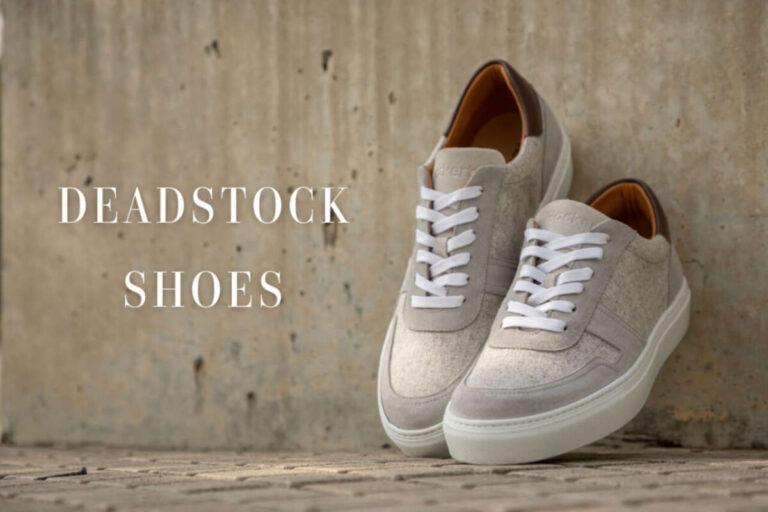
Deadstock shoes are new, unworn pairs that usually remain in original condition, often with their box and tags.
The meaning of deadstock in shoes is simple at first, but sneaker culture has made the term more complex. A pair can be old yet unworn, rare yet damaged, or labeled “deadstock” even when it does not meet every buyer’s standard. This guide explains what does deadstock mean in shoes, how to check a pair, and how to avoid costly mistakes.
What does deadstock mean in shoes?
Deadstock usually means a pair of shoes that has never been worn and is no longer part of normal retail inventory. The shoes may be several years old, but they should still look unused.
In sneaker collecting, deadstock often describes shoes that include:
• Original, unworn footwear
• The original box or packaging
• Factory laces and accessories
• No signs of outdoor use
• No major marks, stains, or sole wear
The phrase is not a strict legal grade. Different sellers and marketplaces may use it in slightly different ways. That is why you should inspect the shoes rather than trust the label alone.
Think of deadstock like a sealed trading card. Its age may add interest, but its condition matters just as much as its history. A 10-year-old pair can be deadstock, while a one-month-old pair worn once is not truly deadstock.

Where did the term deadstock come from?
The word deadstock began in retail and inventory management. It referred to products that had not sold and were no longer being restocked or actively offered by a store.
The term later became common in streetwear and sneaker collecting. Collectors used it to describe older shoes that had never been worn. In this setting, deadstock became a condition term as well as an inventory term.
Today, the phrase has two related meanings:
-
Retail deadstock: Unsold inventory that remains in storage.
-
Collector deadstock: An unworn pair that is often stored with its original packaging.
These meanings can overlap, but they are not always identical. A store may call old unsold stock deadstock even if the box is damaged. A collector may expect a much higher standard.
Some sneaker sellers now use terms such as “brand new,” “new in box,” or “never worn” instead. These terms can be clearer because deadstock has no single global grading rule.
Is deadstock the same as brand-new?
Deadstock and brand-new often mean nearly the same thing, but they are not perfect synonyms.
Brand-new usually means the shoes have not been worn. It does not always promise that the pair is old, rare, or stored with its original box. Deadstock often suggests all three: unworn condition, older inventory, and collector value.
For example, imagine two pairs of running shoes:
• Pair A was made last month and has never left the store. It is brand-new.
• Pair B was made eight years ago, has never been worn, and still has its box. It may be called deadstock.
Both pairs are unused. The second pair has a stronger connection to the collector meaning of the word.
When buying, ask the seller direct questions:
• Have the shoes ever been worn outdoors?
• Were they tried on indoors?
• Is the original box included?
• Are all accessories present?
• Has the material started to crack, peel, or yellow?
Clear answers are more useful than a single condition label.

Deadstock, VNDS, and other shoe condition terms
Shoe sellers use several terms to describe condition. Knowing the difference helps you compare listings fairly.
Deadstock or DS
Deadstock generally means unworn shoes in original condition. Many sneaker buyers expect the original box, but this is not universal.
New in box or NIB
New in box means the shoes are unused and come with a box. This term is often easier to understand than deadstock.
New without box or NWOB
These shoes are unused but do not include the original box. They may still be authentic and valuable, but collectors may pay less.
Very near deadstock or VNDS
VNDS means the shoes have been worn very lightly or tried on. They should have little to no visible wear, but they are not truly deadstock.
Excellent used condition
These shoes have been worn but remain clean and well maintained. Their soles, insoles, and creases may show use.
Beater condition
Beater shoes have clear wear and are mainly suitable for regular use. They may have stains, creases, sole wear, or repaired areas.
Condition terms are not always applied consistently. Photos, seller history, and marketplace inspection are important.

Why do people buy deadstock shoes?
Deadstock shoes attract buyers for practical, emotional, and financial reasons.
Collecting
Collectors may want a specific model, colorway, collaboration, or release from a certain year. An unworn pair can preserve a small piece of fashion history.
Rarity
Some models were produced in limited numbers. As worn pairs disappear, unworn examples may become harder to find.
Personal meaning
A shoe may connect with a favorite athlete, music era, team, or childhood memory. For many buyers, the emotional value matters more than resale value.
Resale potential
Some deadstock sneakers rise in price after release. However, no price increase is guaranteed. Trends change, and the market can move quickly.
Fit and replacement
A buyer may want a new pair of an older favorite model. This can be useful when the manufacturer has changed the shape, materials, or comfort of later versions.
The highest price does not always mean the best investment. A rare deadstock shoe can still lose value if demand falls or if the materials deteriorate.

Does deadstock mean the shoes are perfect?
No. Deadstock means unworn, not flawless.
Shoes can develop problems while sitting in storage. Common issues include:
• Yellowed midsoles
• Cracked foam
• Peeling synthetic leather
• Hardened rubber
• Glue separation
• Faded colors
• Mold or mildew odor
• Dry or brittle uppers
This problem is especially common with older sneakers made from polyurethane foam, adhesives, or synthetic coatings. Time can affect a shoe even when no one has worn it.
A deadstock pair is like an old car kept in a garage. It may have no road miles, but rubber, seals, and fluids can still age. The same idea applies to shoe materials.
Before buying older deadstock shoes, inspect the soles and midsoles closely. Flex the shoe gently, but do not force it. If the material cracks during light handling, wearing the pair may cause more damage.

How to check whether deadstock shoes are authentic
A deadstock label does not prove authenticity. Counterfeit shoes can also be unworn and packed in convincing boxes.
Use a complete inspection process:
-
Compare the shoe with trusted photos from the original release.
-
Check the size tag, date code, and manufacturing details.
-
Examine stitching, panels, logos, fonts, and color placement.
-
Compare the box label with the shoe’s size and model information.
-
Inspect the sole pattern and insole print.
-
Look for correct accessories, tissue paper, hangtags, and spare laces.
-
Review the seller’s feedback and return policy.
-
Use a reputable authentication service for expensive pairs.