DS shoes means deadstock shoes that are new, unworn, and usually complete with the original box.
If you have searched sneaker marketplaces, you have likely seen the term “DS” beside Nike, Jordan, adidas, New Balance, or other popular shoes. Understanding what does DS shoes mean can help you read listings, compare prices, spot unclear claims, and avoid costly mistakes. This guide explains the term in plain English, including its limits and the related sneaker conditions sellers often use.
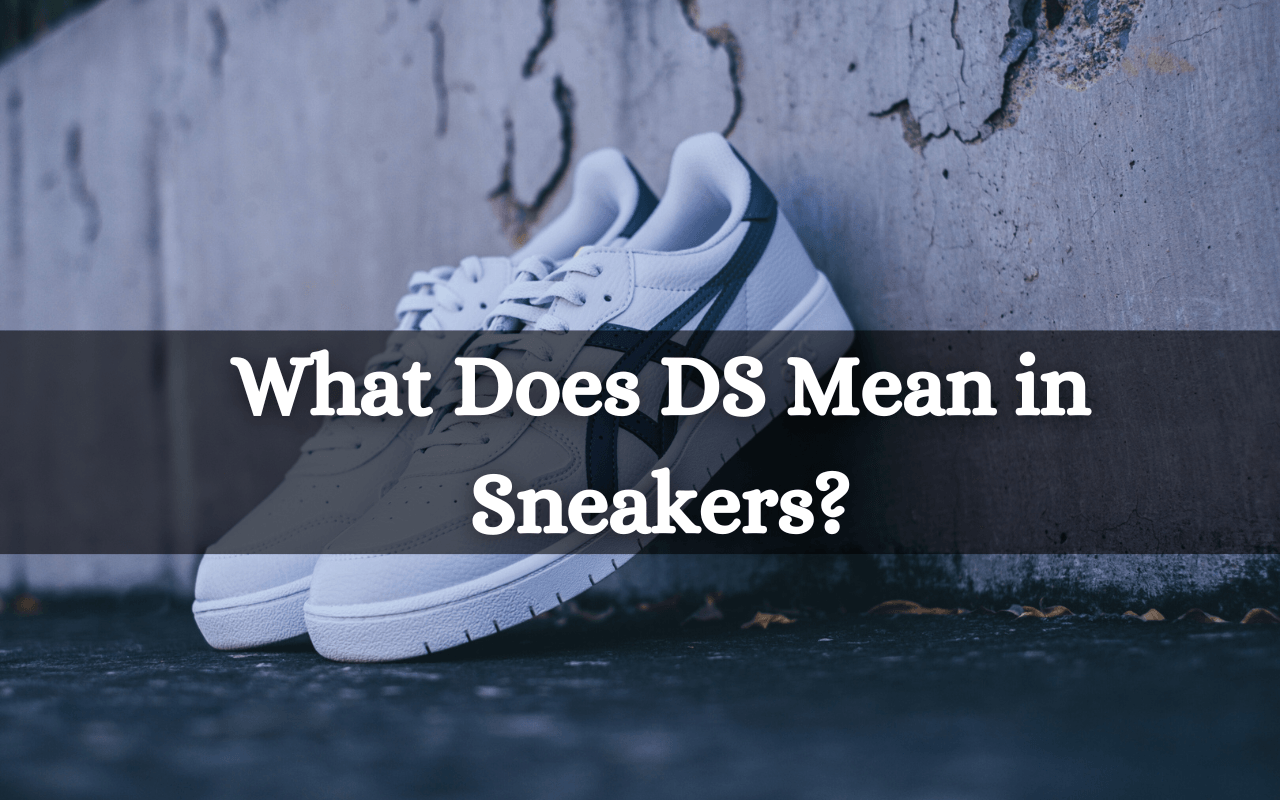
What Does DS Shoes Mean?
DS stands for “deadstock.” In sneaker culture, DS shoes are generally brand-new shoes that have not been worn outside. They should also include their original packaging when the seller says the pair is complete.
The word “deadstock” once described products that were no longer being made but were still sitting in store stock. In modern sneaker resale, the meaning has changed. It now usually refers to unworn shoes, even if the model is still available in stores.
When someone asks, “What does DS shoes mean?” the simplest answer is:
• The shoes have not been worn.
• The soles should show no signs of outdoor use.
• The upper should be clean and free from wear.
• The original box is usually expected.
• Laces, inserts, tags, and extra parts should normally be included.
Still, DS is not a universal legal grade. Sellers may use the word in different ways. One seller may mean “unworn with the box,” while another may mean only “tried on indoors.”

What Should DS Shoes Look Like?
A true DS pair should look much like it did when it left the store. The outsole should be clean, and the tread should not show dirt, flattening, or heavy contact with the ground.
The shoes should also have firm structure. A worn pair may show creases near the toe, soft fabric at the collar, or marks around the heel. These signs can appear even after only a short walk.


Check these parts before buying:
• Outsole: Look for dirt, scuffs, and flattened tread.
• Midsole: Check for stains, yellowing, cracks, or marks.
• Upper: Look for creases, scratches, fading, and loose stitching.
• Insole: Check for foot-shaped wear or faded branding.
• Laces: Look for signs that they have been tied or replaced.
• Box: Confirm that the label matches the shoe size and model.
• Accessories: Look for extra laces, hangtags, tissue paper, or special inserts.
A shoe can be unworn and still have flaws. Glue marks, small factory stains, uneven stitching, and mild box damage can occur before the pair reaches a buyer. That is why photos matter even when a listing says DS.

DS Shoes vs. Other Sneaker Conditions
Sneaker sellers use several condition terms. Knowing the differences helps you compare pairs fairly.
DS or Deadstock
DS shoes are normally unworn and in new condition. They may include the original box and all factory accessories.
NDS or Never Worn
NDS means “never worn” in most listings. It is close to DS, but the seller may not promise that the pair has every original accessory.
VNDS or Very Near Deadstock
VNDS means “very near deadstock.” These shoes may have been worn once or twice, often for a short time or indoors. They can look new in photos but are not truly unworn.
Used
Used shoes have been worn. The amount of wear can range from light creasing to heavy damage. Always ask for clear photos because “used” covers a wide range.


New Without Box
This phrase means the shoes are unworn but do not have the original box. The shoes may still be new, but collectors often value them less than a complete DS pair.
DSWT
DSWT usually means “deadstock with tags.” This term is more common with clothing, but sellers may use it for shoes that still have attached retail tags or factory labels.
The main lesson is simple: condition words describe a seller’s claim, not proof. Photos, purchase records, and platform authentication provide stronger evidence.
Does DS Always Mean the Shoes Are Authentic?
No. DS describes condition, not authenticity. A counterfeit pair can also be advertised as DS if it has never been worn.
This point is easy to miss. Buyers sometimes assume that “deadstock” means a shoe is genuine. It does not. The term only explains how much use the pair has received.
For expensive sneakers, review:
• Seller feedback and transaction history.
• Detailed photos of both shoes.
• The size tag and production details.
• Stitching, shape, materials, and logos.
• Box labels and style codes.
• Return and dispute policies.
• Authentication services offered by the marketplace.
A real style code on the box does not guarantee authenticity. Counterfeit shoes can copy labels and packaging. The whole pair needs to be examined, not just one small detail.


Professional authentication can help, but it also has limits. Some flaws are hard to judge from photos, and marketplace policies can change. Keep payment records, save the listing, and photograph the package when it arrives.

Why Do DS Shoes Cost More?
DS shoes often cost more because buyers want the cleanest possible condition. Collectors may also prefer a pair that has never been worn, especially for rare colors, limited releases, or older models.
Price can be affected by several factors:
• Rarity: Limited releases often have fewer pairs available.
• Demand: Popular collaborations and classic colorways can sell quickly.
• Size: Certain sizes may be harder to find.
• Age: Older unworn shoes can attract collectors.
• Completeness: The original box and accessories may increase value.
• Condition: Clean, unworn materials usually command a premium.
• Authenticity: Trusted proof of purchase can support buyer confidence.
However, DS does not always mean expensive. A common shoe may remain close to its retail price. Also, older unworn shoes can develop aging problems, such as yellowing foam, peeling coatings, dry rubber, or crumbling midsoles.
A high price is not proof of quality. Compare recent sales, inspect the condition, and consider whether you plan to wear or collect the shoes.

Can DS Shoes Have Problems?
Yes. DS shoes can have defects even if they have never touched the ground. Shoes are made from materials that can change with age, heat, moisture, and poor storage.


Common issues include:
• Yellowing on white rubber or translucent soles.
• Cracked foam or hardened midsoles.
• Peeling synthetic leather.
• Glue stains from factory production.
• Mold from damp storage.
• Faded colors from sunlight.
• Deformed shape from pressure or poor stacking.
• Damaged boxes from storage or shipping.
This is especially important with older basketball shoes and models that use foam or plastic parts. A pair may be DS in the strict sense but no longer be safe or comfortable to wear.
When buying older DS shoes, ask how they were stored. A cool, dry, dark room is usually better than a hot attic, damp basement, or car trunk. Request photos of the outsole, midsole, inner lining, and box corners.

How to Buy DS Shoes Safely
Buying DS shoes online can be rewarding, but a careful process protects your money.
1. Read the Full Listing
Do not rely only on the title. Look for details about wear, box condition, accessories, defects, and returns.
2. Ask Direct Questions
Useful questions include:
• Have the shoes ever been worn outdoors?
• Were they tried on indoors?
• Is the original box included?
• Are all laces and accessories present?
• Are there odors, stains, or signs of aging?
• How were the shoes stored?
• Can you provide photos of the soles and size tags?
3. Compare the Photos
Make sure the photos show both shoes, not just the best-looking side. The soles, heel, toe box, tongue, insole, box label, and size tag should all be visible.
4. Check the Seller
A long sales history and consistent feedback can reduce risk. Be cautious when a seller has no reviews, uses stolen photos, or pressures you to pay outside the platform.
5. Use Buyer Protection
Pay through a method that offers dispute support. Avoid direct transfers when you do not know the seller. Keep the receipt and all messages.
6. Inspect the Pair at Delivery
Do not remove tags or discard packaging until you are satisfied. Compare the shoes with the listing and report problems within the platform’s stated time limit.
In my experience reviewing sneaker listings, the biggest mistake is trusting the condition label without asking for sole photos. A clear outsole photo often tells you more than the word DS in the title.
Is It Better to Buy DS Shoes or Used Shoes?
The better choice depends on your goal, budget, and comfort level. DS shoes are best for buyers who want a clean pair, collect sneakers, or plan to preserve the original condition.
Used shoes may be better for people who want to save money or wear a rare model without worrying about the first crease. A lightly worn pair can offer much better value than a DS pair.
Choose DS when:
• You want a collector-grade pair.
• You care about factory packaging.
• You plan to resell later.
• You want to avoid previous owner wear.
Choose used when:
• You want a lower price.
• You plan to wear the shoes often.
• Minor creasing does not bother you.
• You can inspect the wear and comfort carefully.
There is no shame in buying used sneakers. Condition is personal. A clean, authentic used pair may be a smarter purchase than an overpriced DS pair with aging materials.

Common Mistakes Buyers Make With DS Shoes
Even experienced sneaker buyers can make errors. Avoiding these mistakes can save money and frustration.
• Assuming DS means authentic: It only describes use condition.
• Ignoring the box: A replacement box may affect collector value.
• Skipping sole photos: The outsole is one of the best signs of wear.
• Trusting stock images: They do not show the exact pair you will receive.
• Forgetting age-related damage: Unworn shoes can still deteriorate.
• Paying only because of rarity: Scarcity does not make every pair valuable.
• Ignoring return rules: A poor return policy increases your risk.
• Buying the wrong size: DS condition does not help if the shoe does not fit.
One lesson I often share with new collectors is to treat a DS label as a starting point, not a final verdict. Verify the claim, check the materials, and think about how you will use the shoes.
How to Store DS Shoes
Good storage can help preserve unworn sneakers. Keep them in a cool, dry place away from direct sunlight and sudden temperature changes.
Use these basic steps:
-
Keep the shoes in a clean, breathable area.
-
Avoid damp basements and hot vehicles.
-
Do not stack heavy items on the box.
-
Keep original tissue paper if it is clean and acid-free.
-
Allow shoes to air out if they develop an odor.
-
Inspect older pairs from time to time.
-
Do not assume that unworn means permanent storage safety.
Some collectors use clear containers, but plastic can trap moisture if the shoes enter the container while damp. For valuable pairs, storage conditions matter as much as the original purchase.
Frequently Asked Questions About What Does DS Shoes Mean
What does DS shoes mean in sneaker resale?
DS shoes means deadstock shoes. The term usually describes a new, unworn pair, often with its original box and accessories.
Does DS mean the shoes are brand new?
Usually, yes, but sellers may use the term differently. Ask whether the shoes were tried on indoors and whether the box and accessories are included.
Are DS shoes always authentic?
No. DS describes condition, not authenticity. A buyer should still check the seller, photos, style code, construction, and available authentication options.
What is the difference between DS and VNDS?
DS normally means the shoes have never been worn. VNDS means “very near deadstock,” so the shoes may have been worn once or twice but still look nearly new.
Do DS shoes come with the original box?
They often do, but not always. If the box is missing, the listing should say “new without box” or explain the packaging condition.
Can old DS shoes be damaged?
Yes. Unworn shoes can suffer from yellowing, cracking, mold, peeling materials, or hardened foam. Storage conditions and the shoe’s age are important.
Is it worth paying more for DS shoes?
It depends on your goals. DS shoes may be worth more to collectors, but a lightly used pair can offer better value if you plan to wear it.
Conclusion
DS shoes means deadstock shoes that are generally new and unworn, often with their original box. The term can help you understand a sneaker listing, but it does not prove authenticity, perfect condition, or long-term durability.
Before buying, inspect the soles, ask about indoor try-ons, confirm the packaging, review seller feedback, and check for age-related damage. Use this knowledge to compare DS, VNDS, and used pairs with confidence, then choose the option that fits your budget and purpose. If you have a sneaker listing in mind, examine it closely and share your questions in the comments.

Rubel Miah is the Senior Editor at MyStyleGrid.com, where he brings a sharp editorial eye and an unshakable love for fashion to everything he does. A true style addict, Rubel lives and breathes trends, from streetwear to high fashion, and has a knack for turning inspiration into impactful stories. With years of experience in fashion journalism and digital media, he curates content that empowers readers to express themselves through style. When he’s not editing features or forecasting the next big thing, you’ll find him hunting down vintage pieces or capturing street style moments around the city.