A recovery sandal is a cushioned, supportive shoe designed to ease foot comfort after activity, standing, or sport.
What is a recovery sandal beyond a soft pair of slides? It is footwear built to reduce pressure, add stable support, and help tired feet feel more comfortable after exercise or a long day. The best designs combine shock-absorbing foam, a shaped footbed, a wide fit, and a secure sole. This guide explains how recovery sandals work, who may benefit from them, their limits, and how to choose a pair wisely.
What Is a Recovery Sandal?
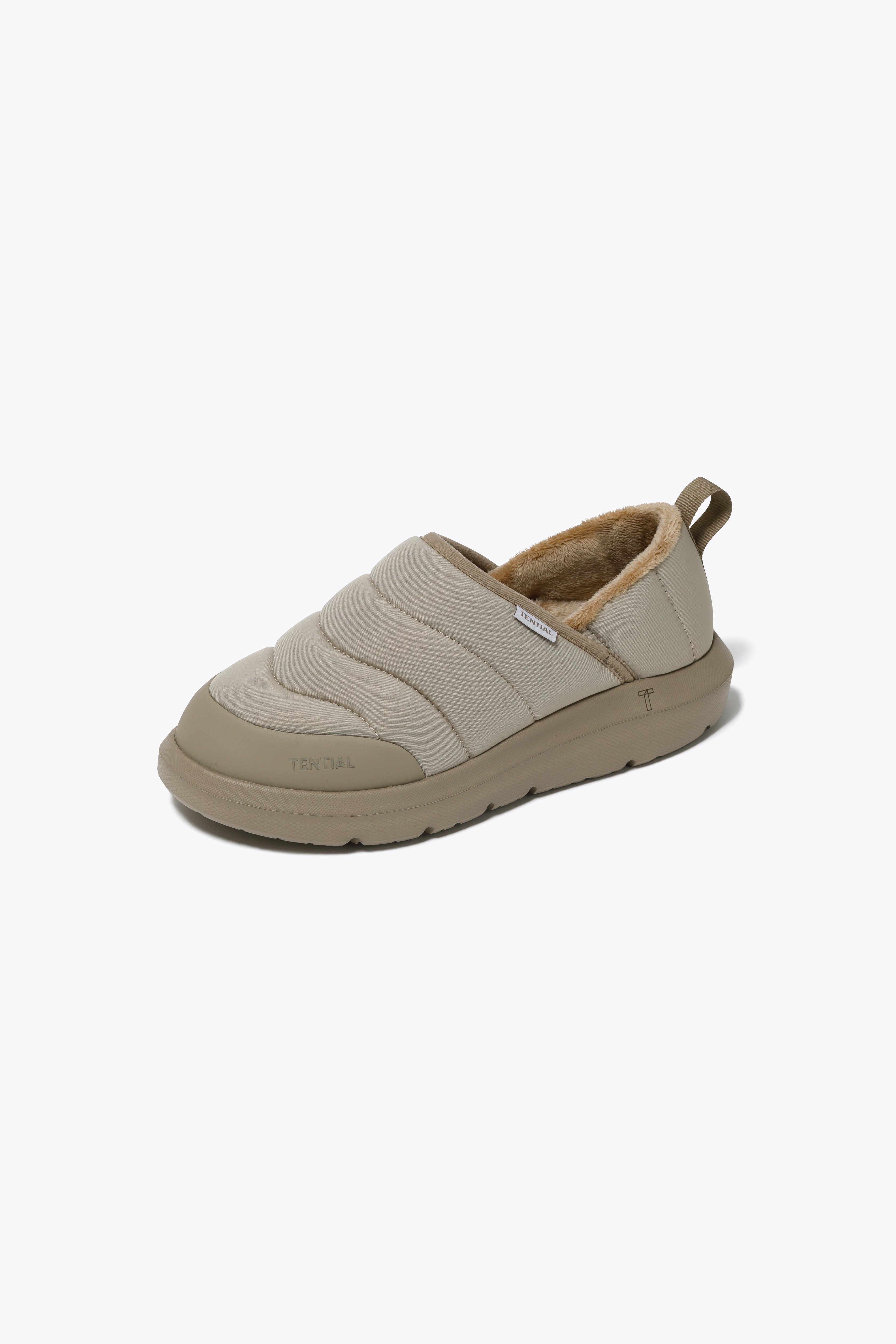
A recovery sandal is an open shoe made for comfort after physical activity. People often wear recovery sandals after running, hiking, walking, playing sports, or working on their feet. They may also be useful at home when regular shoes feel tight or tiring.
Unlike basic flip-flops, recovery sandals usually have more structure. They often include a thick midsole, a contoured footbed, a roomy toe area, and a soft upper. These features can help spread pressure across the foot instead of placing most of it under the heel or ball of the foot.
A recovery sandal does not “heal” an injury by itself. The word recovery refers to comfort and support during rest after activity. It does not replace medical care, physical therapy, stretching, strength work, or a proper return-to-sport plan.

How Do Recovery Sandals Work?
The main goal of a recovery sandal is to make walking and standing feel easier when your feet are tired. It does this through several design features that work together.
Cushioning
Soft foam absorbs some impact as your foot touches the ground. This may reduce the harsh feeling that comes from walking on concrete or other hard surfaces.
However, softer is not always better. A sandal that feels like a pillow may allow too much foot movement. Good cushioning should feel comfortable while still offering control.
Arch support
Many recovery sandals have a raised area under the arch. This shape can support the foot and help distribute weight more evenly.
Arch height is personal. A high arch support may feel helpful to one person and irritating to another. Your foot should feel supported, not pushed sharply in one small spot.
A stable footbed
A wide, stable base can help the foot feel less likely to roll from side to side. Some sandals also use a rocker-shaped sole. This design can help the foot move forward with less bending through the toes.
A secure fit
A strap holds the sandal to the foot. This matters because a loose sandal can make your toes grip the footbed with every step. That extra gripping may lead to fatigue or discomfort.
A roomy toe area
Your toes should have enough space to spread naturally. A narrow front can press on the toes and may worsen problems such as bunions or irritation.


Recovery Sandal Benefits
The benefits of a recovery sandal depend on the shoe, your feet, and how you use it. Here are the most common reasons people choose one.
Comfort after exercise
After a long run or hard workout, your feet may feel hot, sore, or compressed. A recovery sandal gives them more room than many training shoes. The soft footbed can also feel pleasant during low-demand walking.
Relief from tight footwear
Running shoes and work shoes must hold the foot firmly. That support is useful during activity, but wearing tight footwear for many hours can feel tiring. A recovery sandal offers a more open option when you do not need a performance shoe.
Reduced pressure on hard floors
A thick sole can make standing on tile, concrete, or wood feel less harsh. This can help people who work in kitchens, stores, hospitals, or other places where they stand for long periods.
Easy use at home
Recovery sandals are simple to put on and remove. They can be useful after a shower, during travel, or while moving around the house.
Support during light movement
A supportive sandal may feel better than walking barefoot when your feet are sensitive. Still, it should not be treated as a cure for plantar fasciitis, tendon problems, arthritis, or other medical conditions.
Research on cushioning and foot comfort suggests that footwear can affect pressure and perceived comfort. Yet results vary widely by person and shoe design. A recovery sandal may improve comfort, but it cannot guarantee faster muscle or tissue repair.
Recovery Sandals vs. Flip-Flops and Slides
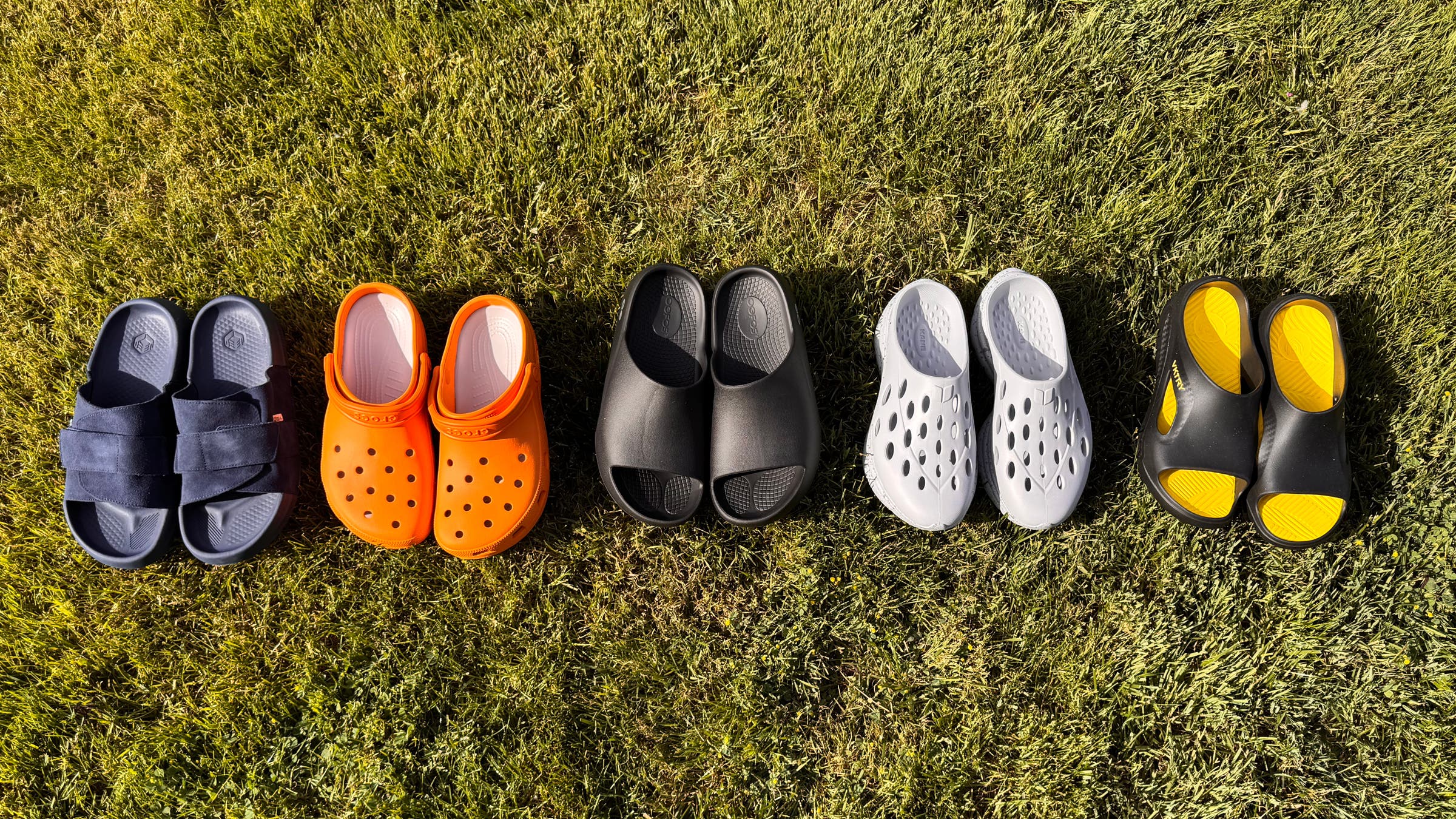
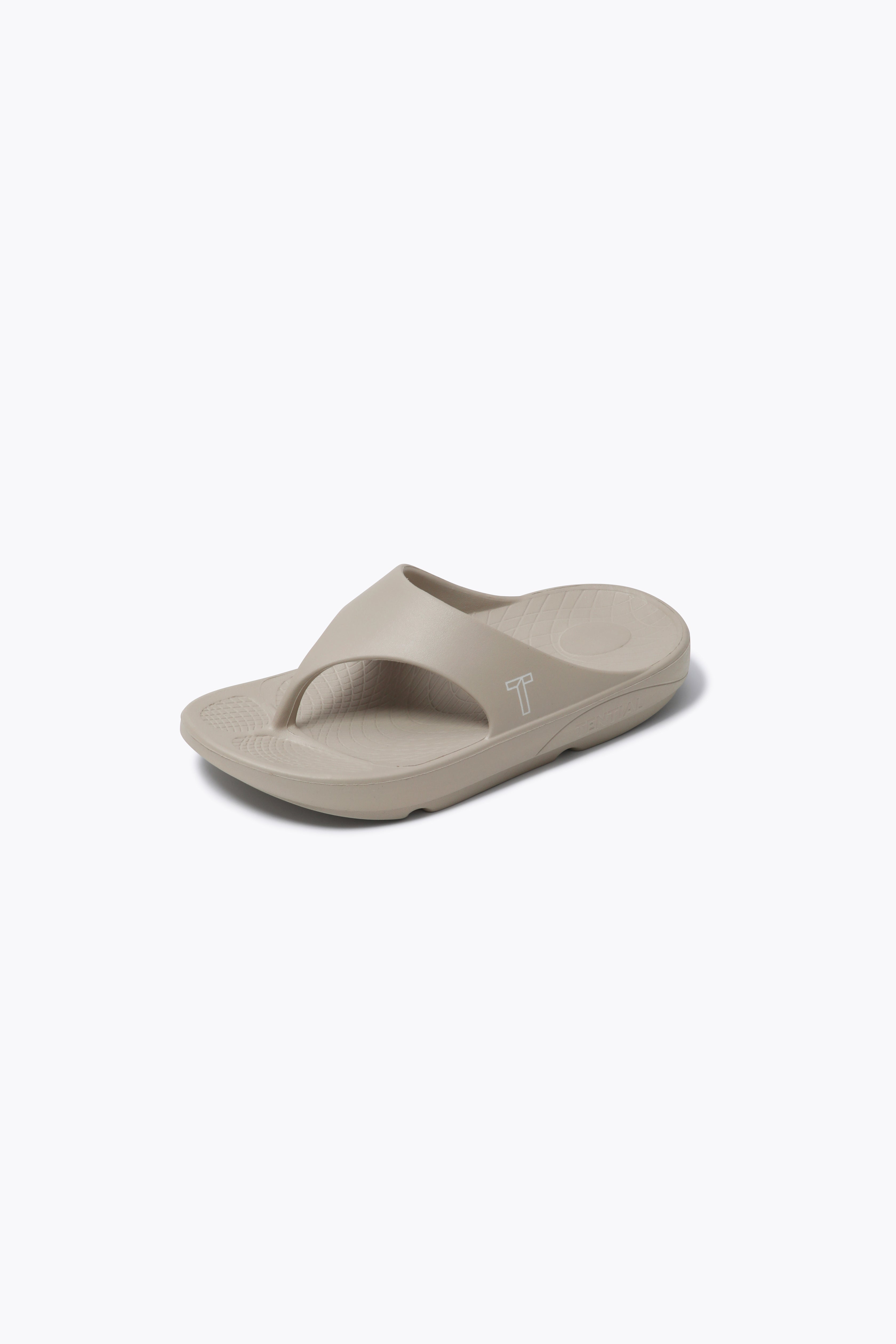
A recovery sandal is not the same as a thin flip-flop. A basic flip-flop often has a flat sole, little cushioning, and only a toe post to keep it attached. Your toes may need to grip the sandal as you walk.
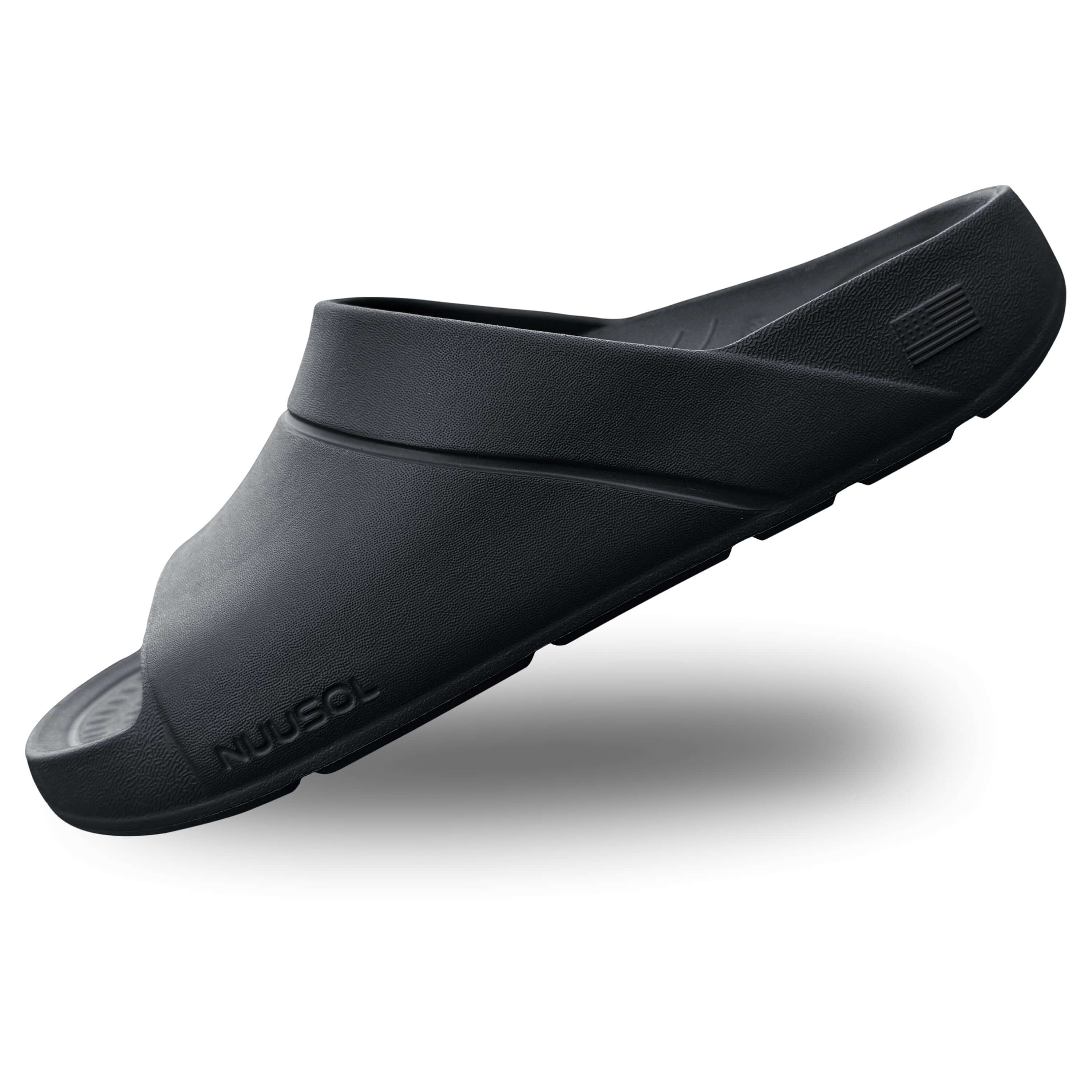
Slides can be more comfortable than flip-flops, but many have little support. Some recovery slides are designed with a deeper footbed, thicker foam, and better heel stability.
Here is a simple comparison:
| Feature | Recovery sandal | Basic flip-flop | Regular slide |
|---|---|---|---|
| Cushioning | Usually high | Usually low | Low to moderate |
| Footbed shape | Often contoured | Usually flat | May be flat |
| Foot security | Strap or shaped upper | Toe post | One broad strap |
| Long-walk comfort | Often better | Often limited | Depends on design |
| Best use | Rest and light walking | Short casual use | Casual use |
This does not mean every recovery sandal is better than every flip-flop. Fit and construction matter more than the label. A well-made casual sandal may work better for you than a poorly designed recovery shoe.
Who Should Wear a Recovery Sandal?
Many active adults use recovery sandals after exercise. Runners, hikers, cyclists, gym users, and team-sport athletes often like the open fit and cushioning.
They may also suit people who:


• Stand for long hours
• Want an easy shoe for travel
• Feel uncomfortable in tight shoes after activity
• Need a supportive option around the house
• Prefer a wide toe area
• Want a sandal for warm weather and light walking
People with diabetes, reduced feeling in the feet, circulation problems, or a history of foot ulcers should ask a medical professional before choosing footwear. A sandal may expose the foot to heat, sharp objects, or skin damage.
If you have a new injury, severe pain, swelling, numbness, or trouble bearing weight, do not rely on a recovery sandal as treatment. Get an evaluation from a qualified health professional.

Are Recovery Sandals Good for Plantar Fasciitis?
A recovery sandal may feel comfortable for someone with plantar fasciitis, especially if it has cushioning, arch support, and a firm base. It may also feel better than walking barefoot on a hard floor.
Still, comfort does not prove that the sandal is treating the condition. Plantar fasciitis can have several contributing factors, including training changes, calf tightness, foot structure, body weight, and poor load management.
Look for these features if heel pain is a concern:
• A supportive, shaped footbed
• Moderate cushioning
• A stable sole that does not twist too easily


• A secure strap
• Enough room for the toes
Avoid walking long distances in a new pair right away. Start with short periods and watch how your feet respond. Persistent heel pain deserves professional advice.

Can You Wear Recovery Sandals All Day?
You can wear a recovery sandal all day if it fits well and causes no pain, rubbing, or unusual fatigue. Some people find them comfortable for errands, travel, and light work.
They are not ideal for every task. Most recovery sandals lack the heel hold, traction, and side-to-side support needed for running, hiking on rough ground, lifting weights, or fast court sports.
Use them for the activity they were designed to handle. A useful rule is simple: wear a performance shoe for demanding movement and a recovery sandal for comfort, rest, and easy walking.
How to Choose the Best Recovery Sandal
Choosing a recovery sandal is less about finding the most expensive model and more about finding the right match for your feet.
Check the fit
Your heel should sit comfortably on the footbed. Your toes should not hang over the front, and they should not press against the strap.
Walk on a hard surface for several minutes. Notice whether your foot slides, your toes grip, or the arch support feels too sharp.
Consider the cushioning
Thick foam may feel comfortable, but too much softness can make the sandal unstable. If you feel wobbly, look for a firmer base.
Look for a useful strap
The strap should hold the foot without squeezing it. Adjustable straps can help if your feet swell during the day.
Inspect the sole
The outsole should provide traction for the places where you plan to wear the sandal. A smooth sole may be risky on wet floors.
Think about your foot shape
Wide feet may need a broad footbed. High arches may prefer more structure, while flatter feet may favor a less aggressive arch shape.


Test the sandal slowly
Follow these steps:
-
Wear the sandal indoors for 15 to 30 minutes.
-
Check for redness, hot spots, or pressure.
-
Try a short walk on a familiar surface.
-
Increase wear time only if your feet feel normal.
-
Stop if pain grows or changes your walking pattern.
A common mistake is choosing a sandal because it feels extremely soft for five minutes. The better test is how your feet feel after an hour of normal use.
Common Mistakes to Avoid
Even a well-designed recovery sandal can cause problems when used incorrectly.
• Wearing a loose sandal that makes the toes grip
• Choosing arch support that feels sharp or painful
• Using a recovery sandal for running or sports
• Walking long distances before breaking it in
• Ignoring blisters, numbness, or swelling
• Wearing an old pair after the sole has become uneven
• Assuming a high price guarantees a good fit
I have found that fit problems are often noticed only after several minutes of walking. A sandal can feel fine while standing still but become irritating when the foot repeatedly slides forward. Always test it with movement, not just in a store mirror.
How Long Do Recovery Sandals Last?
The lifespan of a recovery sandal depends on its materials, use, body weight, walking surface, and care. A pair worn indoors may last much longer than one used daily on pavement.
Replace the sandal when:
• The tread is worn smooth
• The footbed has a deep permanent dent
• The sole leans to one side
• The strap stretches or breaks
• Cushioning no longer feels even
• You develop new discomfort while wearing it
Foam can lose its spring before the sandal looks damaged. Rotating between two pairs may help each pair dry and recover between uses.
Keep sandals away from high heat, such as a car dashboard or clothes dryer. Heat can damage foam, glue, and synthetic materials.
What Does the Research Say?
Footwear research supports the idea that cushioning, fit, and pressure distribution affect comfort. It does not show that one type of recovery sandal works for everyone or that these sandals speed up biological recovery after exercise.
Post-exercise recovery depends on sleep, food, hydration, training load, rest, and injury care. A sandal can improve the comfort part of that process. It cannot replace the habits that help the body repair itself.
Experts also stress the value of gradual change. Moving from structured shoes to very soft or minimal footwear too quickly may place new demands on the feet and lower legs. Comfort should guide your choice, but pain should guide your next step.
Frequently Asked Questions About What Is a Recovery Sandal
What is a recovery sandal used for?
A recovery sandal is used for comfortable walking and standing after exercise or a long day. It may reduce the feeling of pressure and foot fatigue, but it is not a medical treatment.
Are recovery sandals worth it?
They may be worth it if you want cushioning, a roomy fit, and an easy shoe for light activity. Their value depends on comfort, fit, durability, and how often you use them.
Can you wear recovery sandals for walking?
You can wear many recovery sandals for short or moderate walks on smooth surfaces. For long walks, uneven trails, or fast movement, choose footwear with stronger heel hold and better stability.
Do recovery sandals help sore feet?
A recovery sandal may make sore feet feel more comfortable by adding cushioning and reducing pressure from hard floors. If soreness is severe, persistent, or linked to an injury, seek professional care.
Can recovery sandals help plantar fasciitis?
Some people with plantar fasciitis find a supportive recovery sandal more comfortable than flat flip-flops or barefoot walking. It does not cure plantar fasciitis, so ongoing pain should be assessed by a qualified clinician.
Should recovery sandals be tight?
Recovery sandals should feel secure but not tight. Your foot should not slide around, and the straps should not leave deep marks or cause numbness.
Are recovery sandals good for running?
No. Most recovery sandals are made for rest and light walking, not running. Running requires more secure fastening, traction, and protection from impact and side-to-side movement.
Conclusion
A recovery sandal is a cushioned, supportive option for tired feet after exercise, work, travel, or long periods of standing. Its main strengths are comfort, pressure distribution, a roomy fit, and easy use. The right pair should feel stable and secure, not just soft.
Use a recovery sandal for light activity and rest, while relying on sport-specific shoes for demanding movement. Start slowly, check the fit, and stop using the sandal if it causes pain or changes the way you walk. Compare supportive designs carefully, and share your experience or questions in the comments.

Madison Clark is a footwear expert and the voice behind MyStyleGrid.com. She specializes in honest shoe reviews, style tips, and practical guides to help readers find the perfect pair for any occasion. With years of experience in blogging and content creation, Madison makes footwear knowledge simple, stylish, and easy to follow.