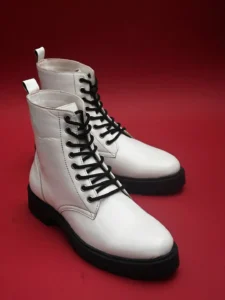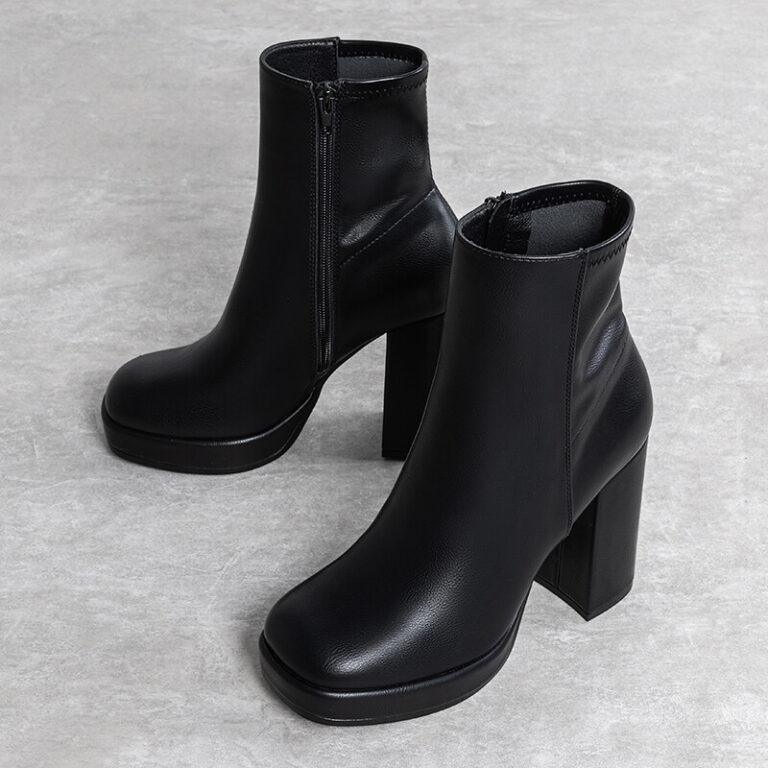
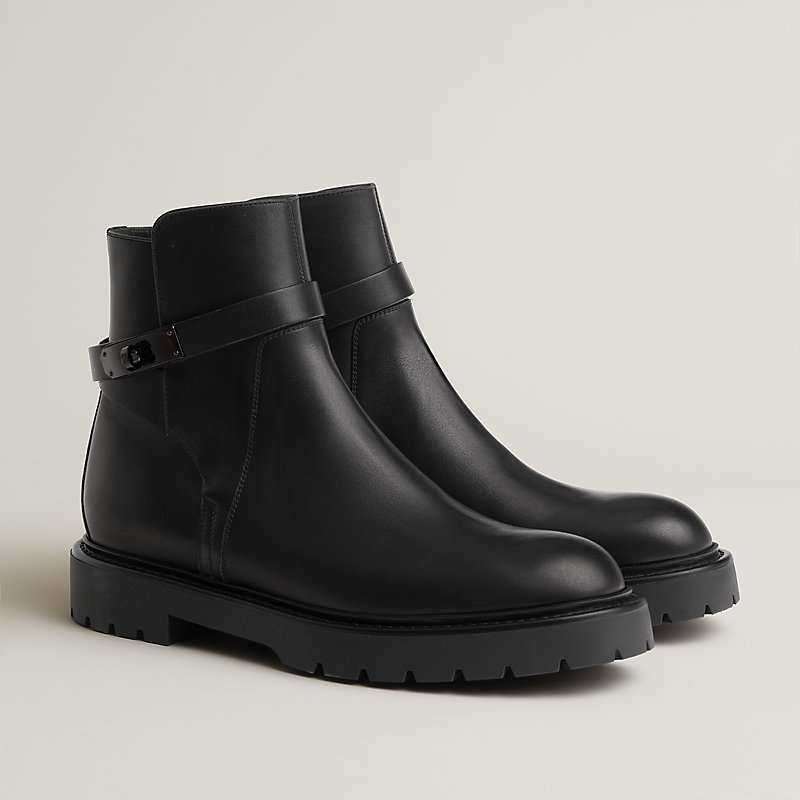
An ankle boot is a short boot that covers the foot and reaches the ankle or slightly above it.
If you have ever wanted the support of a boot without the height of a tall shaft, an ankle boot is the ideal middle ground. This guide explains what is an ankle boot, how it differs from other footwear, which styles suit different needs, and how to choose a pair that feels good and lasts.
What Is an Ankle Boot?
An ankle boot is footwear that covers the foot and ends at, or just above, the ankle. It usually has a closed toe, a firm heel counter, and a sole made for more support than a typical shoe.
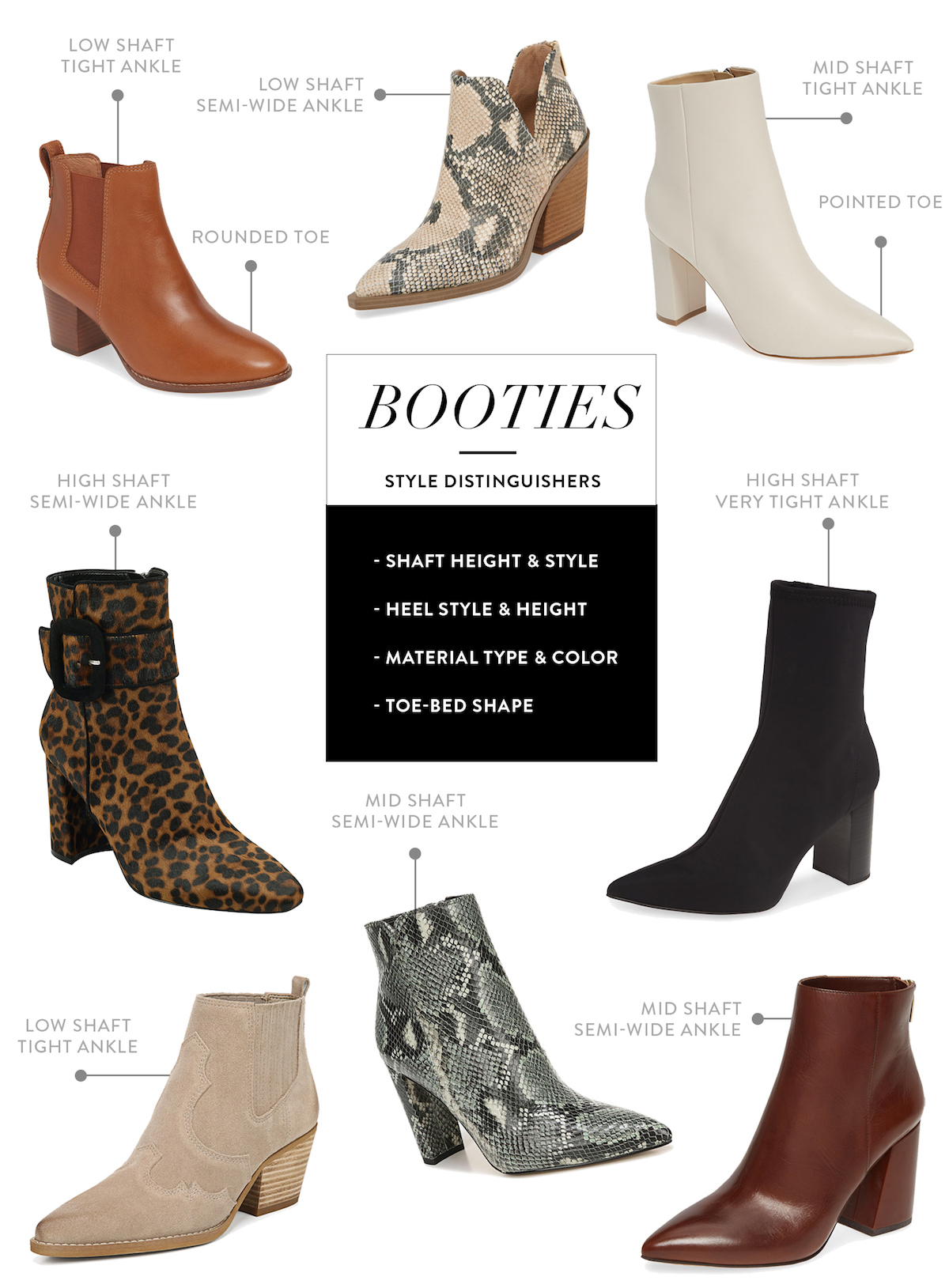
The shaft is the part that rises around the ankle. In most ankle boots, the shaft is about 3 to 8 inches high, though the exact height varies by brand and design. Some pairs sit right below the ankle bone, while others reach several inches up the lower leg.
The simplest answer to what is an ankle boot is this: it is a boot with a short shaft. It gives you more coverage than a sneaker or loafer, but less height than a knee-high or mid-calf boot.
Ankle boots may be made from:
- Leather
- Suede
- Synthetic leather
- Rubber
- Textile materials
- Waterproof treated fabrics
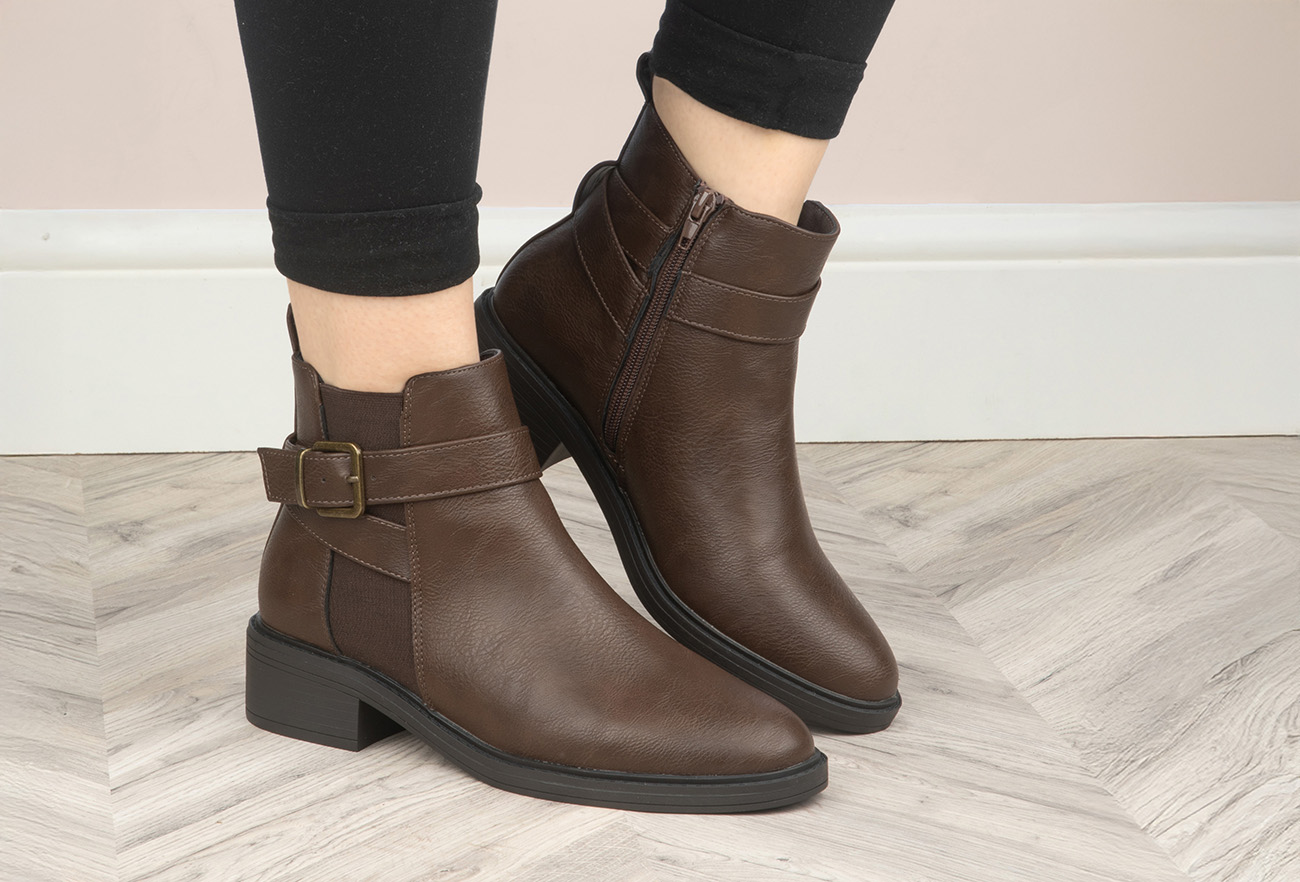
They may also have laces, side zippers, elastic panels, buckles, or a pull-on design. The wide range of shapes makes ankle boots useful for work, travel, casual outfits, and outdoor activities.

Key Features of Ankle Boots
Understanding the parts of an ankle boot makes shopping much easier. A stylish pair should also provide a secure fit, stable walking surface, and enough room for natural foot movement.
Shaft
The shaft is the upper section that wraps around the ankle. It controls how much support and coverage the boot provides.
A close-fitting shaft can make the ankle look neat and polished. A wider shaft may feel better if you have thicker ankles or want to wear the boots with jeans or thick socks.
Toe Shape
Ankle boots come with several toe shapes:
- Round toe: Offers the most traditional and roomy shape.
- Almond toe: Looks refined while giving more space than a pointed toe.
- Pointed toe: Creates a sharp, dressy appearance.
- Square toe: Provides a modern look and can give the toes extra width.
Your toes should not press against the front of the boot. A little space is helpful, especially when walking downhill or wearing socks.
Heel
Heel height affects both style and comfort. Flat ankle boots are often easy to wear for long walks. Low block heels offer a little lift with good stability. High heels look formal but may cause more pressure on the ball of the foot.
A broad heel is usually more stable than a thin stiletto heel. The American Podiatric Medical Association advises choosing footwear that fits well and supports the foot, especially when shoes are worn for long periods.
Sole
The sole affects grip, comfort, and durability. A rubber sole often provides better traction than a smooth leather sole, especially on wet sidewalks.
Look for a sole with a clear tread pattern if you plan to walk outdoors. A cushioned insole may also reduce fatigue during long days.
Fastening System
Ankle boots may use:
- Side zippers for quick entry
- Laces for an adjustable fit
- Elastic panels for easy movement
- Buckles for decoration or extra adjustment
- Pull tabs for easier handling
A zipper is convenient, but laces often offer better control over fit. Elastic panels can make the boot more flexible around the ankle.
Types of Ankle Boots
Now that you know what is an ankle boot, it helps to explore the main styles. Each type has a different purpose, shape, and level of protection.
Chelsea Boots
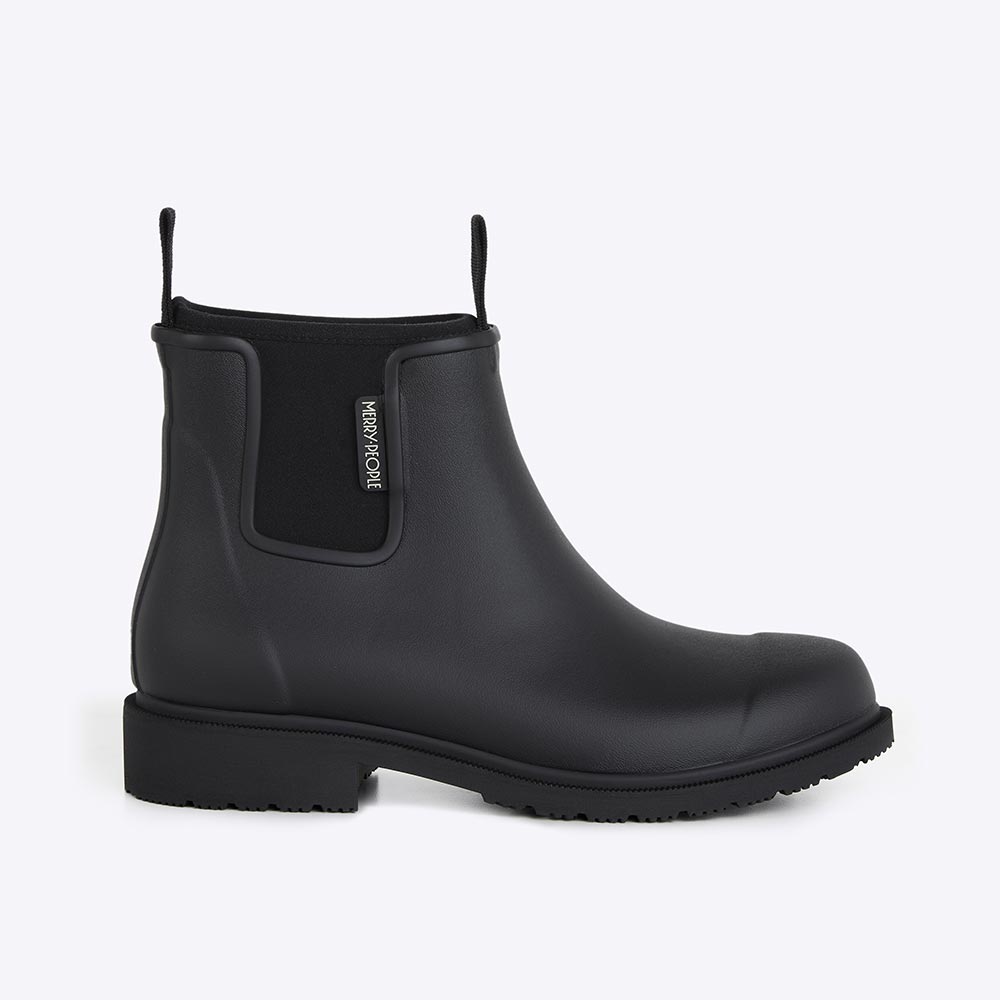
Chelsea boots have elastic side panels and usually include pull tabs. They have a clean shape and are easy to put on.
They work well with jeans, trousers, skirts, and casual dresses. A leather Chelsea boot can look professional, while a rubber version is useful in wet weather.
Chukka Boots
Chukka boots usually have a low shaft, open lacing, and two or three pairs of eyelets. They often use suede or leather and have a simple, relaxed shape.
They are a good choice for smart casual outfits. They are less formal than dress shoes but more polished than sneakers.
Lace-Up Ankle Boots
Lace-up ankle boots give you strong control over the fit. Many hiking boots and work boots use this design.
They can provide useful ankle support, but support depends on the boot’s structure. A tall shaft alone does not guarantee injury prevention or better stability.
Combat Boots
Combat-style ankle boots often have thick soles, sturdy laces, and a strong upper. They are designed for a bold look and may offer good protection from rough surfaces.
Some fashion versions look rugged but lack the cushioning and construction of true work or outdoor boots. Check the sole, stitching, and insole before assuming a pair is built for demanding use.
Western Ankle Boots
Western ankle boots usually have a pointed or almond toe, a slanted heel, and decorative stitching. They bring a cowboy-inspired style without the height of traditional Western boots.
They pair well with denim, relaxed dresses, and casual jackets. A roomy toe box is especially important because pointed shapes can feel tight.
Dress Ankle Boots
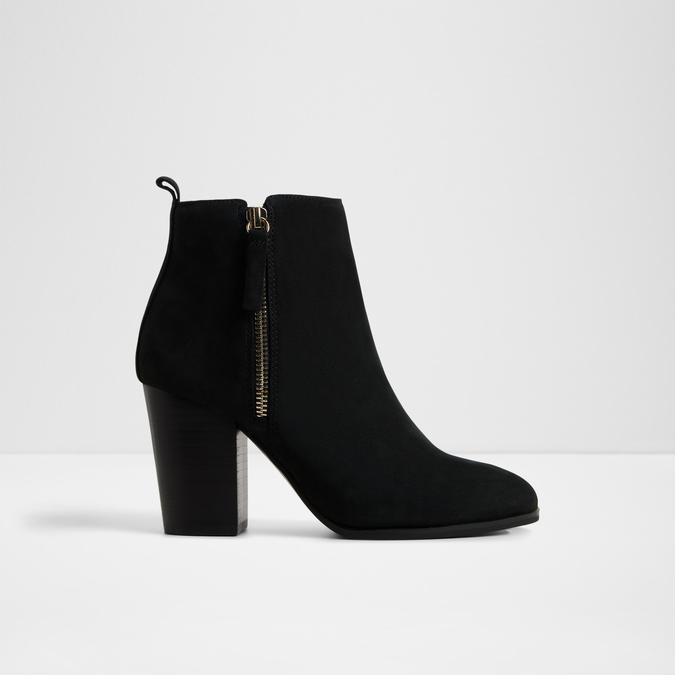
Dress ankle boots have a slim shape and a neat finish. They may feature leather uppers, narrow heels, or sleek side zippers.
These boots are useful for offices, dinners, and events. Comfort still matters, so test the heel and walk on a firm surface before wearing them for several hours.
Work and Safety Ankle Boots
Work ankle boots are made for protection and durability. Some include steel toes, composite toes, slip-resistant soles, waterproof membranes, or electrical hazard protection.
Safety features vary by model. If your job requires protective footwear, check the specific workplace standard rather than relying on appearance alone.

Ankle Boots Compared With Other Footwear
Many people ask what is an ankle boot because the term overlaps with several other boot styles. The main difference is the height of the shaft.
| Footwear type | Typical coverage | Common use |
|---|---|---|
| Shoe | Covers the foot only | Everyday wear and formal outfits |
| Ankle boot | Reaches the ankle or slightly above | Casual, work, dress, and outdoor use |
| Mid-calf boot | Reaches the middle of the lower leg | Fashion and cold-weather wear |
| Knee-high boot | Reaches near the knee | Fashion, riding, and cold weather |
| Rain boot | Often reaches above the ankle | Wet-weather protection |
| Hiking boot | Usually covers the ankle | Trails and outdoor activity |
Ankle boots are often more versatile than taller boots because they work across more seasons. They also fit more easily under many pants and may feel less restrictive around the calf.
However, they may not offer enough warmth in deep winter. They also may not provide the protection needed for snow, mud, heavy rain, or technical trails unless they are specifically designed for those conditions.
:max_bytes(150000):strip_icc()/ins-ankle-boots-jan-25-margaux-agnes-jjuliao-2148-f70d9d9a22f34e96bc8a49ecc9063cef.jpeg)
Benefits of Wearing Ankle Boots
Ankle boots have remained popular because they balance style, coverage, and practical use.
Versatility
A single pair can work with jeans, chinos, trousers, skirts, and dresses. Black leather ankle boots often suit polished outfits, while brown suede styles create a softer casual look.
Seasonal Use
Ankle boots can work in fall, winter, and spring. In warmer areas, lightweight leather or textile boots may also work in summer.
Their shorter shaft allows more airflow than a tall boot. Still, insulation and material matter more than the name alone.
Easy Styling
Ankle boots can make a simple outfit look more finished. For example, jeans and a sweater may look casual with flat boots and more refined with a low block heel.
The boot’s color also changes the effect:
- Black creates a sharp, versatile look.
- Brown feels warm and relaxed.
- Tan works well with light denim and neutral clothing.
- White or cream makes an outfit look modern.
- Dark green or burgundy adds color without becoming too loud.
Better Coverage Than Shoes
Ankle boots help shield the feet and ankles from light rain, cool air, dirt, and rough surfaces. They also tend to have stronger soles than many everyday shoes.
This does not mean every ankle boot is waterproof or protective. Always check the materials and product details.
Strong Wardrobe Value
Because ankle boots suit many outfits, they can offer good value when chosen carefully. A durable, comfortable pair may serve for years with proper care.
Limitations of Ankle Boots
Knowing what is an ankle boot also means understanding what it cannot do. No single style works well for every activity or climate.
Ankle boots may have these limitations:
- They can rub against the ankle bone.
- Narrow designs may squeeze the toes.
- High heels can increase foot pressure.
- Smooth soles may slip on wet ground.
- Fashion boots may lack cushioning.
- Short shafts may let in snow or deep water.
- Heavy boots can make walking tiring.
A common fitting mistake is buying a pair that feels tight because the leather may “stretch.” Leather can soften and give slightly, but it will not reliably fix a painful toe box or a severely narrow fit.
Try boots at the end of the day, when feet are often slightly larger. Wear the socks you expect to use, and walk for several minutes before deciding.
How to Choose the Right Ankle Boots
Use these steps to find a pair that matches your feet, lifestyle, and wardrobe.
-
Decide where you will wear them. Choose casual boots for daily use, dress boots for formal settings, and protective boots for work or outdoor activity.
-
Check the fit. Your heel should stay fairly secure without lifting excessively. Your toes should have room to move, and the sides of your feet should not feel squeezed.
-
Examine the ankle opening. Make sure it does not press hard against the ankle bone or leave a large gap that causes rubbing.
-
Test the sole. Bend the boot near the toe, not through the middle. A stable sole should provide support without feeling like a rigid block.
-
Walk on different surfaces. Try carpet, tile, and a firm floor if the store allows it. Notice pressure, slipping, and heel movement.
-
Consider the socks. Thick socks need more room. Thin dress socks may work with a closer fit.
-
Review the materials. Full-grain leather can develop a natural patina. Suede feels soft but needs protection from moisture. Synthetic materials vary widely in breathability and durability.
-
Match the heel to your routine. A low or block heel is usually easier for long periods than a tall, narrow heel.
-
Check return terms. Even a boot that feels good for five minutes may cause discomfort after an hour.
A practical lesson from helping people choose footwear is simple: comfort should be tested through movement, not judged by appearance. Many attractive boots fail because the wearer notices the fit only after a full day.
How to Wear Ankle Boots
Ankle boots are easy to style, but small details can change the overall shape of an outfit.
With Jeans
Straight-leg jeans can sit just above the boot or rest lightly on its shaft. Skinny jeans may tuck inside the boot, while cropped jeans show more of the ankle area.
Avoid a large bunch of fabric around the top of the boot. It can make the lower leg look crowded.
With Trousers
Slim trousers often look neat over sleek ankle boots. For wide-leg trousers, choose a boot with enough height and a firm toe shape so the hem does not drag.
Match the boot color to the trousers for a longer visual line. For example, black boots with black pants create a smooth transition.
With Skirts and Dresses
Ankle boots can make dresses look casual, modern, or slightly edgy. A low heel feels relaxed, while a pointed toe and narrow heel look more formal.
In cold weather, tights can connect the boot to the rest of the outfit. In warm weather, a bare ankle can create a lighter look.