Most 10-month-olds wear US infant shoe sizes 3 to 4, but foot length matters more than age.
Parents often ask, “What size does a 10 month old wear in shoes?” The best answer depends on your baby’s foot length, width, and the brand’s sizing chart. In this guide, you’ll learn how to measure tiny feet, choose safe first shoes, avoid common sizing mistakes, and check the fit as your baby grows.
What size does a 10 month old wear in shoes?
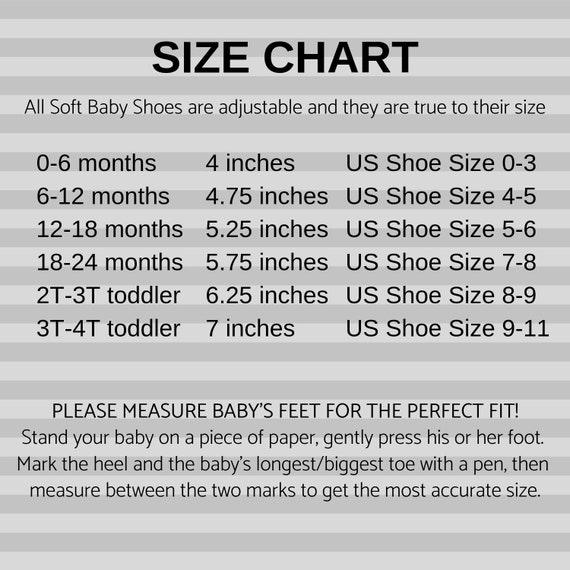
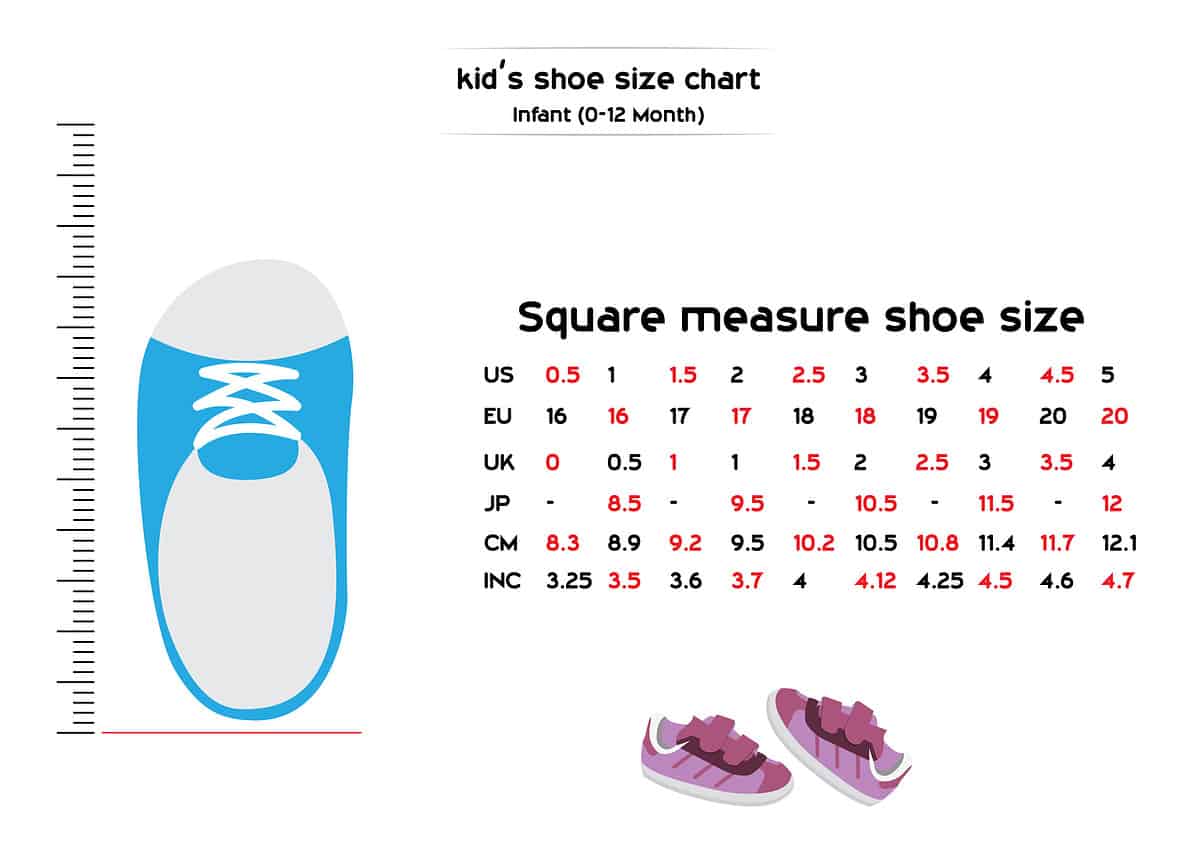
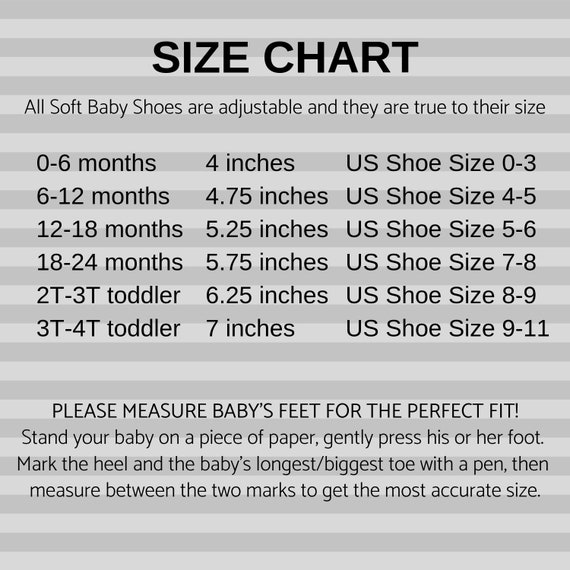
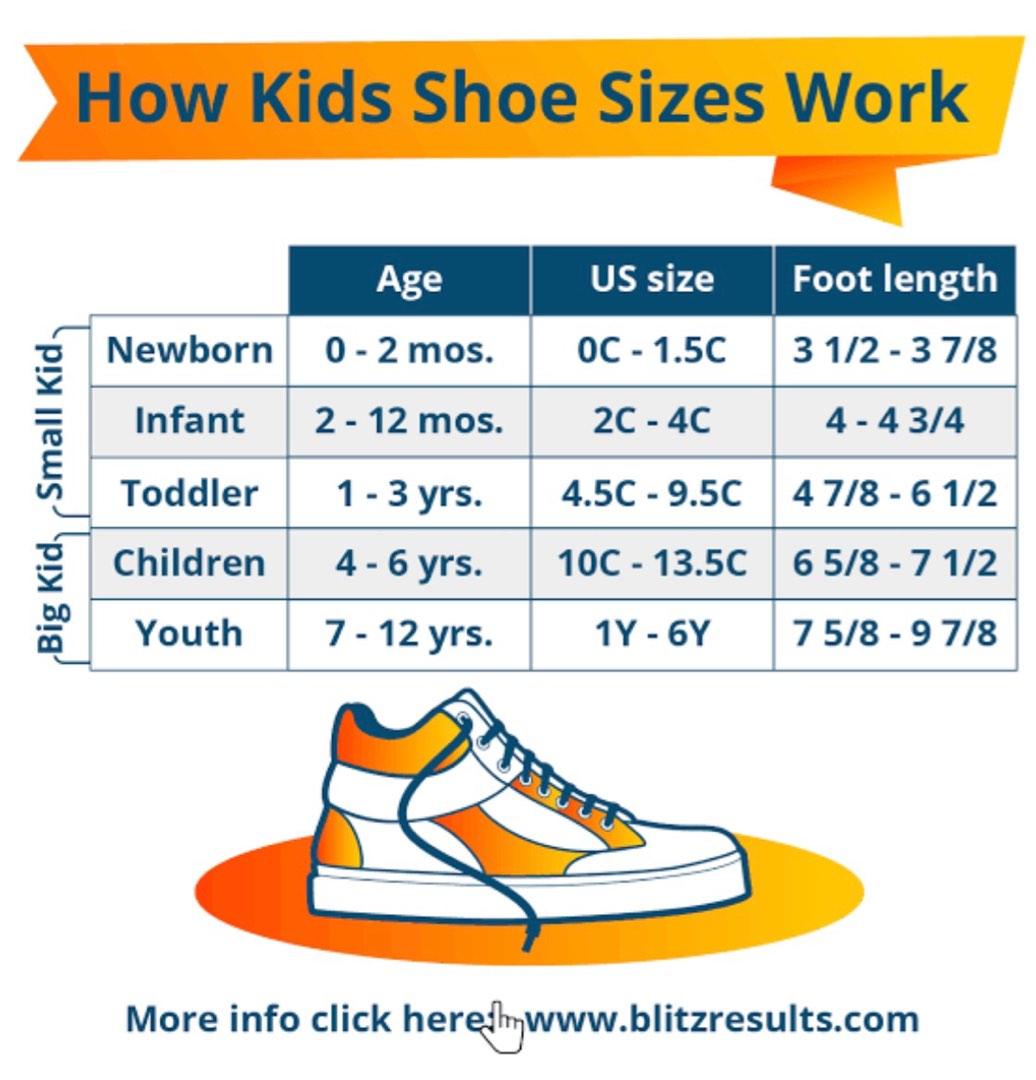
A 10-month-old commonly wears a US infant shoe size 3, 4, or sometimes 5. Most babies in this age range have feet about 4.5 to 5 inches long, but growth can vary a great deal.
Age-based size charts are only starting points. One 10-month-old may have a narrow size 3 foot, while another may need a wide size 5. Always compare your baby’s foot measurement with the brand’s chart before buying.
| Approximate US infant size | Approximate foot length |
|---|---|
| Size 2 | 4.25 inches |
| Size 3 | 4.5 inches |
| Size 4 | 4.75 inches |
| Size 5 | 5 inches |
| Size 6 | 5.25 inches |
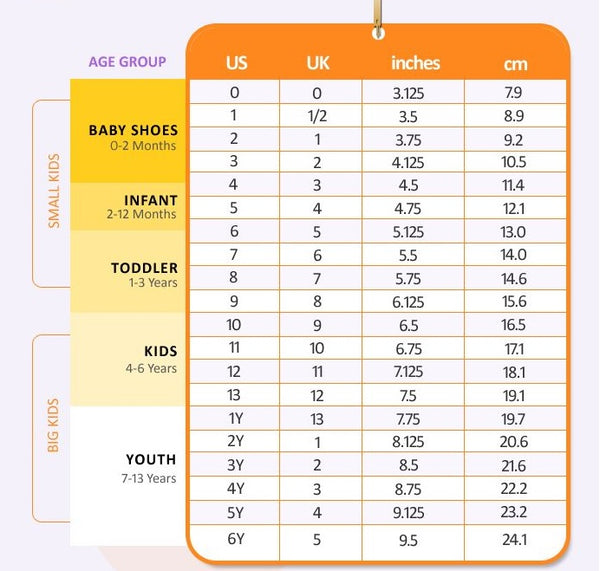
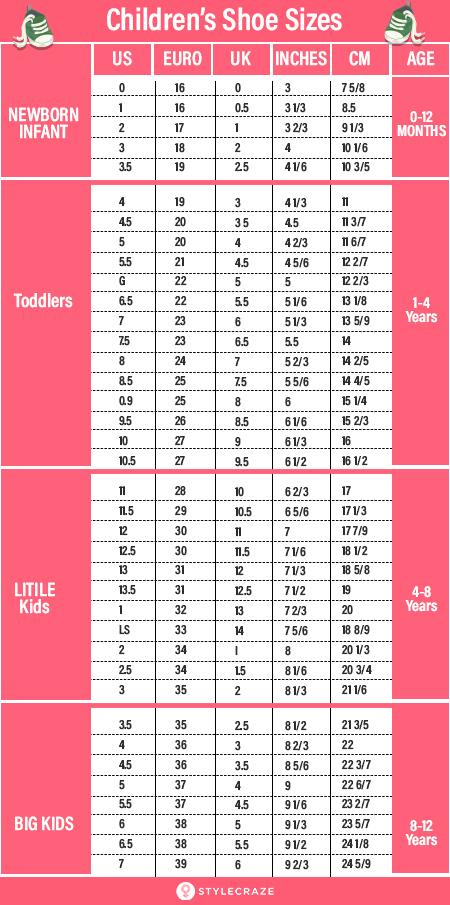
These measurements are general. Brand charts may differ by a quarter inch or more. Shoe size labels are not fully standardized, so the printed number should never replace an actual foot measurement.
For many families, the answer to “What size does a 10 month old wear in shoes?” is size 3 or 4. Still, your child’s foot may fall outside that range and remain perfectly normal.
How to measure your baby’s feet at home
Measuring your baby’s feet takes only a few minutes. It can also prevent the most common problem: buying shoes that look cute but do not fit well.
Measure both feet because one foot may be slightly longer than the other. Use the larger measurement when choosing a size.
What you need
• A sheet of paper
• A pencil
• A ruler or measuring tape
• The socks your baby will wear with the shoes
• A calm moment when your baby is relaxed
Follow these steps
-
Place the paper on a hard floor. Avoid carpet because it can make the measurement less accurate.
-
Put your baby in a standing position if possible. A supported stand gives a more realistic length because the foot spreads under body weight.
-
Trace around the foot with the pencil held straight up. Do not angle the pencil outward.
-
Measure from the back of the heel to the tip of the longest toe. The longest toe may be the big toe or the second toe.
-
Measure both feet and write down the longer result.
-
Add about three-eighths to one-half inch for movement and growth. Do not add a full inch, since too much space can make walking harder.
If your baby cannot stand yet, measure the foot while gently placing it flat on the paper. This method is less precise, so recheck the fit when the shoes arrive.
The answer to “What size does a 10 month old wear in shoes?” becomes much easier once you know the foot length in inches or centimeters.
 reliable shoe-size guide”
style=”max-width: 100%; height: auto; border: 2px solid black; border-radius: 10px; display: block; margin: 0 auto;”
loading=”lazy”
/>
Why age is not a reliable shoe-size guide
Babies grow at different rates. Genetics, height, weight, and family traits can all affect foot length. Some babies have short, wide feet, while others have long, narrow feet.
Shoe brands also use different lasts, materials, and size systems. A size 4 from one brand may fit like a size 3.5 or 4.5 from another. Soft crib shoes may stretch, while structured sneakers may fit more closely.
Age charts can help you shop, but they should not make the final decision. This is why the answer to “What size does a 10 month old wear in shoes?” should always include the words “measure first.”
A useful way to think about baby shoe sizing is like buying a winter coat. Age may suggest the general range, but body measurements determine the proper fit.
Should a 10-month-old wear shoes?
Many 10-month-olds do not need shoes indoors, especially if they are crawling or learning to walk. Bare feet help babies feel the floor and may support natural foot movement during early walking.
The American Academy of Pediatrics and pediatric foot specialists generally support barefoot time in safe indoor areas. Shoes become more useful when your baby needs protection from cold, rough ground, sharp objects, or hot surfaces.
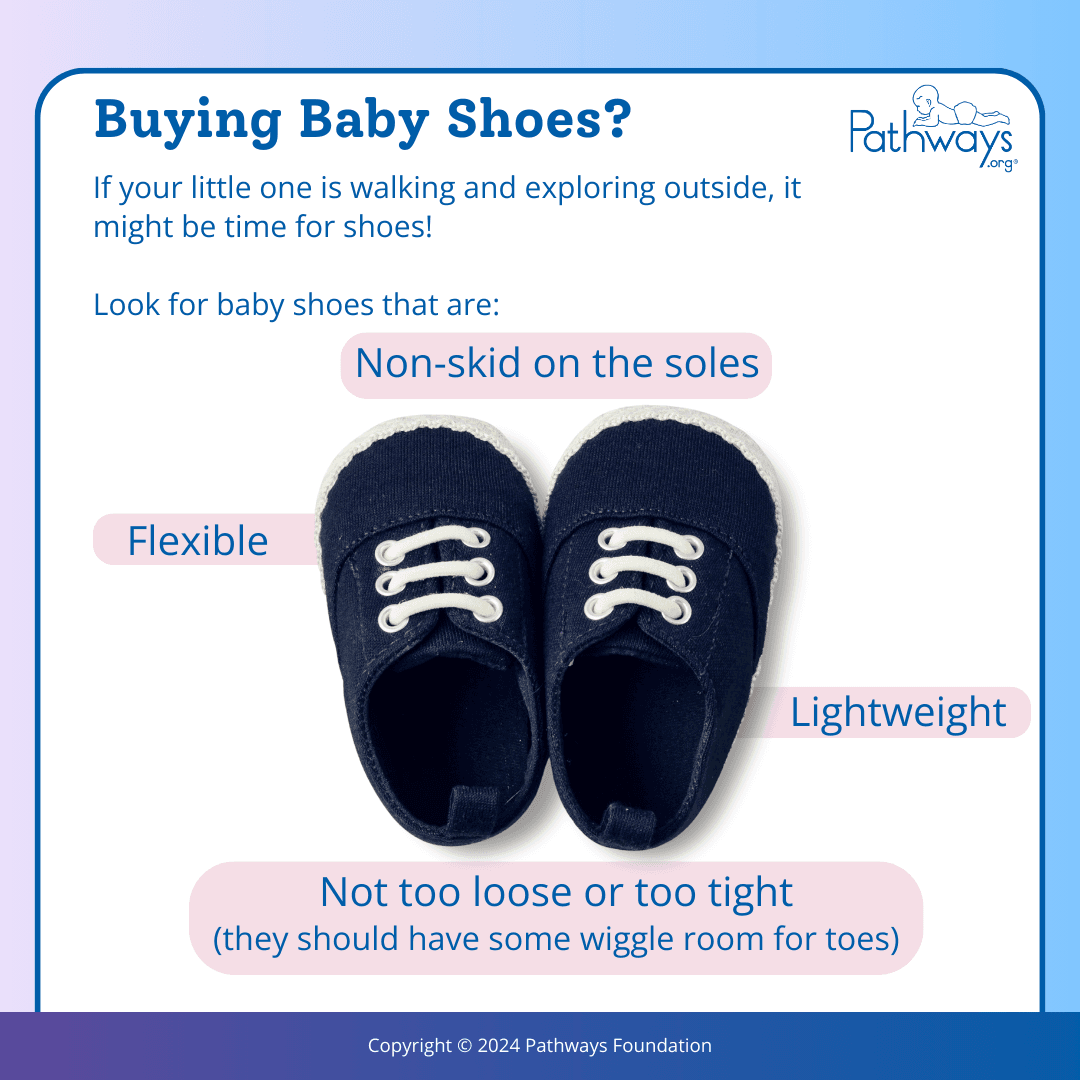
Use shoes for protection, not to force walking. A good first shoe should allow the toes to move and the foot to bend naturally near the ball.
Choose shoes with these features
• A wide toe box that lets the toes spread
• A flexible sole that bends near the front
• A lightweight design
• A secure strap, elastic opening, or adjustable closure
• Breathable material
• A flat, stable sole without a raised heel
• Enough room for the toes and instep
Avoid stiff boots, narrow toe shapes, heavy soles, and shoes that squeeze the sides of the foot. A hard sole can feel protective, but it may make early steps more difficult.
For a baby who is cruising along furniture, a soft-soled prewalker may be enough indoors. For outdoor use, choose a flexible walking shoe with more protection.

How much room should baby shoes have?
Baby shoes should fit snugly without pressure. Your child needs space to move the toes, but the foot should not slide around inside the shoe.
Aim for about three-eighths to one-half inch of space between the longest toe and the front of the shoe. This gives room for movement and normal growth. Too little space can cause rubbing, while too much can increase tripping.
Check more than the length. Look at these areas:
• Toes: They should wiggle freely and not touch the front.
• Width: The sides should not bulge over the sole.
• Heel: The heel should stay in place without a deep red mark.
• Instep: The upper should not leave strong pressure lines.
• Ankle: The shoe should not pinch or rub.
• Sole: The foot should bend naturally near the toes.
Remove the shoe after several minutes and inspect the skin. Red marks that fade quickly may come from normal contact. Deep marks, blisters, swelling, or persistent redness suggest the shoe is too tight.
This fit check matters more than the label when deciding what size does a 10 month old wear in shoes.
Common baby shoe-sizing mistakes to avoid
Parents often size up because babies grow quickly. This seems practical, but oversized shoes can slip and make a new walker less stable.
Here are common mistakes to avoid:
• Buying only by age: Age ranges are estimates, not measurements.
• Choosing the larger foot size without checking width: A longer shoe may still be too narrow.
• Measuring while the foot is lifted: Feet spread when standing.
• Measuring one foot only: The other foot may be longer.
• Forgetting socks: Thick socks can change the fit.
• Keeping shoes that leave marks: Skin pressure is an early warning sign.
• Assuming shoes should last many months: Babies may outgrow them quickly.
• Buying stiff shoes for early walking: Heavy, rigid shoes can limit movement.
• Using hand-me-downs without inspection: Worn soles may affect balance and traction.
One practical lesson is worth remembering: a shoe that is slightly roomy is safer than one that is tight, but a shoe that is very large is not a good bargain. Fit comes before future growth.

How often should you check your baby’s shoe size?
Check your baby’s feet about once a month during the first years. You should also check whenever your child begins wearing a new type of shoe.
Babies may not say that shoes hurt. Instead, they may pull at the shoes, refuse to walk, become fussy, or develop red areas. Some children show no clear signs at all, so regular checks are important.
Use this simple routine:
- Measure both feet once a month.
- Check the toe room inside each shoe.
- Look for marks after walking or play.
- Compare the measurement with the current brand chart.
- Replace the shoes when the toes reach the front or the shoe becomes tight.
Foot growth is not perfectly steady. A baby may stay in one size for a while and then move up quickly. Knowing what size does a 10 month old wear in shoes is helpful at the start, but ongoing checks keep the fit safe.

How brand sizing can change the answer
A US infant shoe size is not identical across every brand. Some companies list sizes by age, while others show foot length, inner length, or European size numbers.
Always look for the brand’s measurement guide. If the chart gives an insole length, remember that the insole may include some built-in space. Do not add a full growth allowance twice.
When shopping online, read reviews carefully. Look for comments about width, arch height, and whether the shoe runs small or large. Reviews cannot replace measurement, but they can reveal patterns.
For example, a baby with a wide foot may need:
• A wide or extra-wide version
• A soft leather or knit upper
• An adjustable strap
• A rounded toe shape
• A shoe with more room across the instep
A baby with a narrow foot may need a secure closure to prevent heel slipping. Elastic-only shoes can be loose on narrow feet.
The most accurate answer to what size does a 10 month old wear in shoes may be different for every brand, even when the foot measurement stays the same.
What type of shoe is best for a 10-month-old?
The right shoe depends on what your baby does. A crawler may need only socks or soft booties indoors. A cruiser may benefit from flexible prewalkers. A child walking outdoors needs a protective shoe with good traction.
For crawling
Choose soft, light footwear if protection is needed. A flexible sole and smooth seams can help prevent irritation.
For cruising
Look for a shoe that bends easily and stays secure during side steps. A nonslip sole can help on outdoor surfaces.
For early walking
Choose a lightweight walking shoe with a flexible sole, a wide toe box, and a secure closure. Avoid thick, heavy soles that make the shoe feel like a weight on the foot.
For cold weather
Warmth matters, but avoid shoes that compress the toes. Cold-weather footwear should have enough room for socks without squeezing the foot.
A shoe should support protection and comfort. It should not try to shape the foot or speed up development.
Personal fitting lessons parents can use
A common real-world fitting lesson is that visual size can be misleading. A shoe may look roomy from the outside but have a narrow toe box inside. Another shoe may look small yet offer a generous interior because of its shape.
It is also easy to trust a child’s reaction too much. Some babies happily wear shoes that are too tight, while others object to any new footwear. Always combine behavior with a physical check of the toes, heel, width, and skin.
One mistake many parents make is waiting until the shoe looks worn before replacing it. Babies can outgrow shoes while the soles still look new. Measuring the feet is more dependable than judging the shoe’s appearance.
When asking what size does a 10 month old wear in shoes, use the size number as a starting clue. Then confirm the fit by measuring, trying on, and checking the foot after movement.
When to ask a pediatrician or foot specialist
Most baby shoe questions can be solved with careful measurement and a good fit. Talk with your child’s pediatrician if you notice persistent pain, swelling, blisters, unusual walking patterns, or a strong difference between the feet.
You may also want professional advice if your baby’s toes curl tightly inside shoes, one foot turns sharply inward or outward, or your child consistently avoids using one foot. These signs do not always indicate a problem, but they deserve attention.
A qualified shoe fitter can also help with unusual width, high insteps, or difficulty keeping shoes on. Take the shoes and socks your child uses so the fit can be assessed in real conditions.
Frequently Asked Questions About What Size Does a 10 Month Old Wear in Shoes
What shoe size is typical for a 10-month-old?
Most 10-month-olds wear a US infant size 3 or 4, though some need size 2 or 5. Measure the foot and compare it with the brand’s chart because age alone cannot predict shoe size.
How many inches is a baby’s foot at 10 months?
A 10-month-old’s foot is often about 4.5 to 5 inches long. This is only an average range, and normal foot lengths can vary.
Should a 10-month-old wear shoes indoors?
Not usually, unless the floor is cold or unsafe. Bare feet or nonslip socks allow natural movement while a baby learns to crawl, stand, cruise, and walk.
How much extra room should baby shoes have?
Leave about three-eighths to one-half inch between the longest toe and the front of the shoe. More room can cause slipping and tripping, while less room may cause pressure and rubbing.
How do I know if my baby’s shoes are too small?
Look for toes touching the front, red marks, blisters, swelling, or side bulges. Take the shoes off after play and inspect the skin for signs of pressure.
How often should I measure a 10-month-old’s feet?
Measure both feet about once a month and whenever you buy a new brand or style. Baby feet can grow quickly, even when the shoes still look almost new.
Are soft-soled shoes better for a 10-month-old?
Soft, flexible shoes are often a good choice for crawling, cruising, and early walking. They should still provide enough protection for the surface where your baby will use them.
Conclusion
Most 10-month-olds wear US infant shoe sizes 3 to 4, but the best fit comes from measuring both feet and checking the brand’s chart. Look for a flexible sole, a wide toe box, secure fastening, and about three-eighths to one-half inch of toe room.
Remember that shoes are mainly for protection at this age. Give your baby safe barefoot time indoors, check the fit each month, and replace shoes as soon as they become tight. Measure your child’s feet before your next purchase, then share this guide with another parent who is wondering what size does a 10 month old wear in shoes.

Rubel Miah is the Senior Editor at MyStyleGrid.com, where he brings a sharp editorial eye and an unshakable love for fashion to everything he does. A true style addict, Rubel lives and breathes trends, from streetwear to high fashion, and has a knack for turning inspiration into impactful stories. With years of experience in fashion journalism and digital media, he curates content that empowers readers to express themselves through style. When he’s not editing features or forecasting the next big thing, you’ll find him hunting down vintage pieces or capturing street style moments around the city.