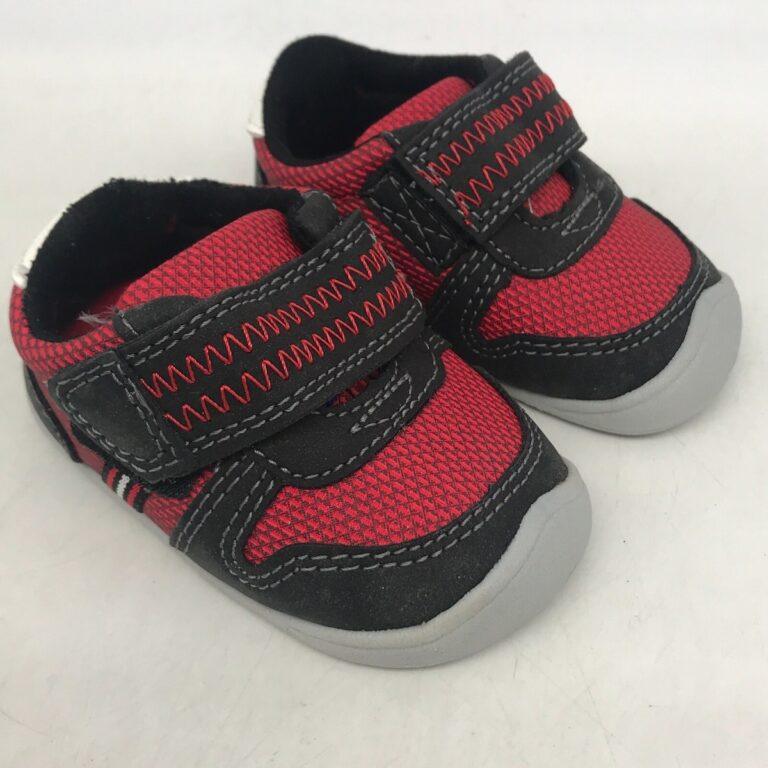
Most 7-month-old babies wear US infant shoe size 2 or 3, but foot length matters more than age.
Knowing what size shoe does 7 month old wear can make shopping easier, but baby feet grow at different rates. A careful measurement, a flexible design, and enough room to move are more important than choosing a size based only on age. This guide explains how to measure your baby’s feet, choose safe shoes, and avoid common sizing mistakes.
What shoe size does a 7-month-old wear?
Most 7-month-old babies wear a US infant shoe size 2 or 3. Some babies may fit size 1 or size 4, depending on foot length, width, brand, and growth rate.
Age-based charts are useful for a starting point, but they are not exact. A 7-month-old who has not started walking usually needs soft baby shoes, crib shoes, or socks rather than firm walking shoes.
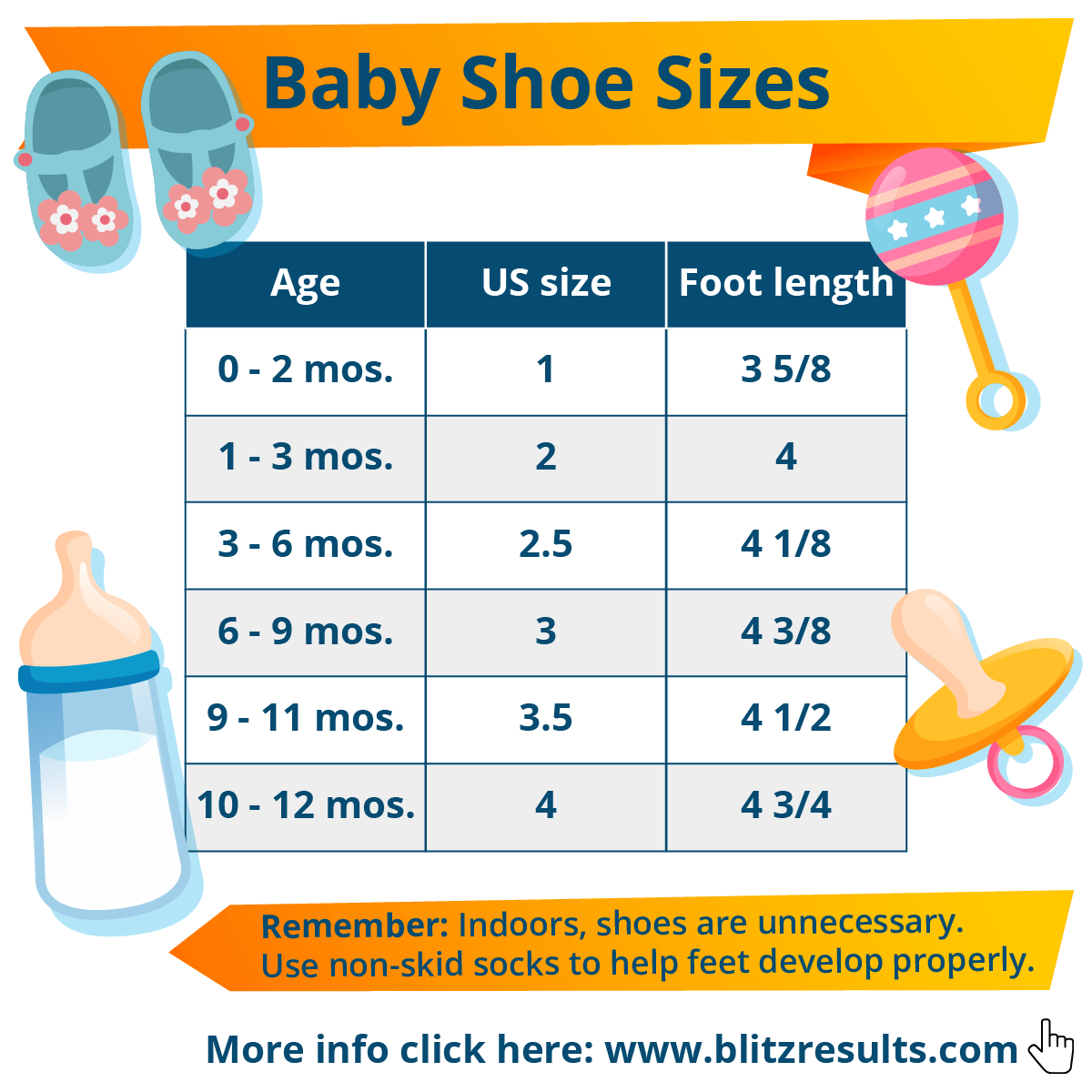
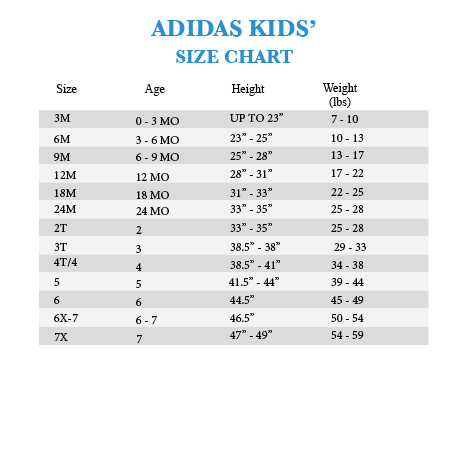
A typical guide looks like this:
| Baby age | Common US infant size | Approximate foot length |
|---|---|---|
| Newborn to 3 months | 0 to 1 | About 3.5 to 4 inches |
| 3 to 6 months | 1 to 2 | About 4 to 4.5 inches |
| 6 to 9 months | 2 to 3 | About 4.5 to 4.75 inches |
| 9 to 12 months | 3 to 4 | About 4.75 to 5 inches |
These measurements are estimates. Shoe brands use different size charts, so always compare your baby’s measurement with the brand’s chart before buying.
A good rule is simple: measure both feet, then choose the size that fits the longer foot. Leave about ⅜ to ½ inch of extra space at the toe for movement and growth.
Do 7-month-old babies need shoes?
Most 7-month-old babies do not need shoes for walking. Many babies this age are crawling, rolling, pulling up, or sitting. Bare feet help them feel the floor and move their toes naturally.
The American Academy of Pediatrics generally supports barefoot movement indoors for babies who are learning balance. Shoes become more useful when a baby walks outdoors and needs protection from heat, cold, rough ground, or sharp objects.
For indoor use, consider:
• Bare feet on a safe, warm floor
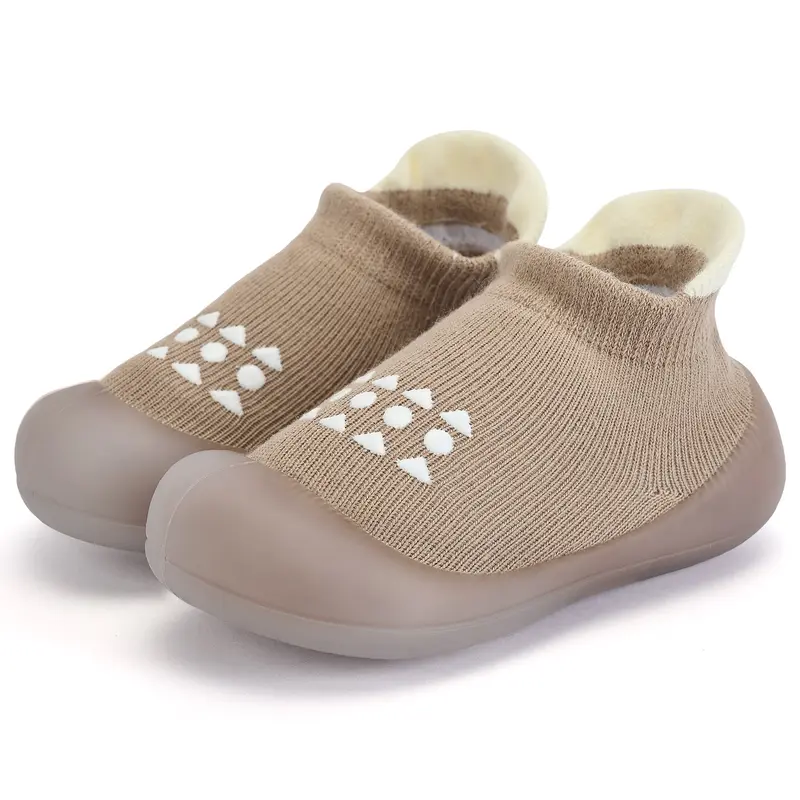
• Soft socks with grips
• Flexible crib shoes
• Lightweight pre-walker shoes
For outdoor use, choose shoes with a soft, flexible sole. Avoid heavy boots and stiff soles unless a medical professional recommends them.
Think of a baby’s foot like a small hand. It needs room to bend, spread, and feel. A stiff shoe can limit that natural movement.
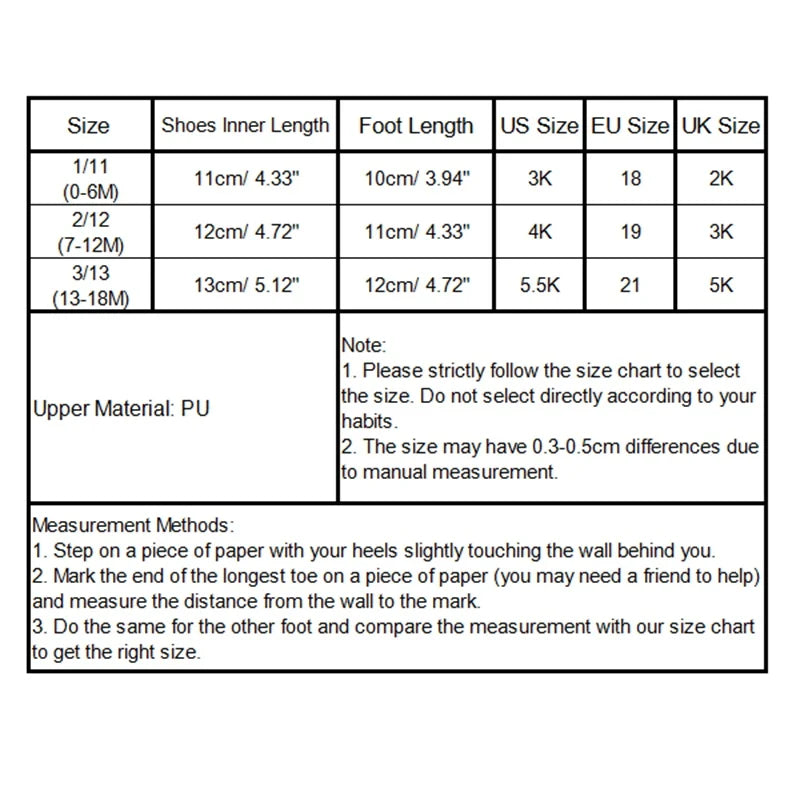
How to measure a 7-month-old’s feet at home
Measuring your baby’s feet at home is often more accurate than guessing from age. Babies wiggle, so try to measure when your baby is calm or distracted.
Follow these steps:
-
Place a sheet of paper on a hard floor.
-
Put your baby’s foot flat on the paper. Support the ankle gently.
-
Mark the back of the heel and the tip of the longest toe.
-
Measure the distance between the two marks.
-
Repeat the process with the other foot.
-
Use the larger measurement to choose a shoe size.
Do not measure while your baby is standing unless your baby can stand safely with support. At 7 months, lying down or sitting with the foot gently placed on paper is usually easier.
Measure later in the day if possible. Feet can swell slightly during the day, just as adult feet do. Also measure while your baby wears the type of sock you plan to use with the shoes.
What if the feet are different sizes?
It is normal for one foot to be slightly longer than the other. Choose shoes that fit the larger foot, and check that the smaller foot does not slide inside the shoe.
If the difference looks large or one foot turns inward or outward often, ask your pediatrician for advice. A small difference is usually not a concern, but a health professional can check your baby’s foot development.
How should a baby shoe fit?
A well-fitting baby shoe should feel secure without squeezing the foot. Your baby’s toes should be able to move, and the heel should stay in place during gentle movement.
Check these areas:
• Toe room: Leave about ⅜ to ½ inch in front of the longest toe.
• Width: The shoe should not leave deep red marks on the sides.
• Heel: The heel should not slip out with every movement.
• Fastening: Velcro, soft straps, or elastic should hold the shoe gently.
• Sole: The sole should bend easily near the toes.
• Material: Choose soft, breathable materials that do not trap heat.
Press the top of the shoe gently to feel for toe space. Do not rely only on pressing the front while the shoe is on. Your baby may curl the toes, which can make the shoe seem longer than it is.
Check the fit every few weeks. Baby feet can grow quickly, and a shoe that fit well last month may now be tight.
Best shoe types for a 7-month-old
The best shoe depends on what your baby does each day. Since most 7-month-olds are not independent walkers, comfort and flexibility should come first.
Soft-soled crib shoes
Soft-soled shoes are light and flexible. They can protect the feet during short trips while allowing natural movement.
Pre-walker shoes
Pre-walker shoes often have a flexible sole and a wide toe area. They may work well for babies who pull up or take supported steps.
Grip socks
Grip socks can help prevent slipping on smooth floors. Make sure the elastic is not too tight around the ankle or calf.
Hard-soled shoes
Hard-soled shoes are usually not needed for a 7-month-old. They can be heavy and may restrict foot movement, especially before independent walking begins.
When shopping, look for:
• A wide and rounded toe area
• A flat, flexible sole
• A light design
• Smooth seams
• Breathable fabric
• A secure but gentle closure
Avoid shoes with sharp edges, loose decorations, or small pieces that could become choking hazards.

Common mistakes when buying baby shoes
Parents often buy baby shoes as gifts or for special outfits. That is understandable, but style should not replace fit and comfort.
Here are common mistakes to avoid:
• Choosing a size only by age: Age ranges are estimates, not measurements.
• Buying shoes too large: Extra room is helpful, but very loose shoes can slip and affect balance.
• Choosing stiff soles: Firm soles may limit natural foot movement.
• Ignoring width: A shoe can be long enough but still too narrow.
• Buying several pairs at once: Your baby may outgrow them before wearing them.
• Forgetting socks: Thick socks can make a correct shoe size feel tight.
• Using worn shoes: Used shoes may have compressed padding or a shape formed by another child’s foot.
A practical lesson many parents learn is that one well-fitting pair is more useful than several cute pairs that do not stay on. Before buying, check the foot length, width, sole, and closure.

How much growing room should baby shoes have?
Baby shoes should have some extra space, but too much room can cause problems. Aim for about ⅜ to ½ inch between the longest toe and the front of the shoe.
This space allows the toes to move and leaves room for normal growth. More than ½ inch may make the shoe slip, bunch, or trip your baby when standing with support.
Check the space once a month by removing the insole, if possible. Place your baby’s foot on the insole and compare the heel position with the toe area. This can be easier than feeling inside a small shoe.
Do not “size up” several sizes to save money. A loose shoe is not a safer shoe.
How often should you check a 7-month-old’s shoe size?
Check your baby’s shoe fit every two to four weeks. You should also check sooner if your baby wears the shoes often or shows signs of discomfort.
Look for these warning signs:
• Red marks that remain after removing the shoes
• Blisters or rubbed skin
• Toes that curl tightly
• Shoes that fall off often
• New fussiness when putting shoes on
• A heel that slips with each step
• Toes pressing against the front
Babies cannot explain that a shoe hurts. Their behavior may be the only clue. Remove the shoes and inspect the feet after each longer period of wear.
What is the difference between infant, toddler, and youth shoe sizes?
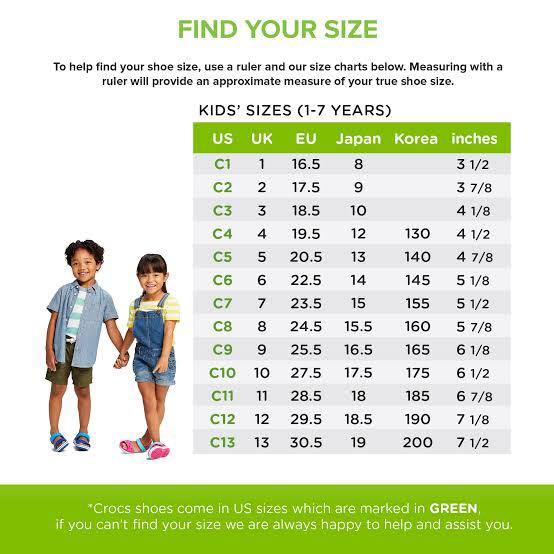
US infant shoe sizes are made for babies and usually run from about size 0 or 1 through size 4. Toddler sizes often begin around size 4 and continue upward, but the exact system varies by brand.
Some brands label baby shoes by months, such as 6 to 9 months. Others use a US number, foot length, or European size. These labels are not identical.
Always use the brand’s own chart. A size 3 in one brand may fit like a size 2 or 4 in another. Foot length in inches or centimeters gives you the clearest comparison.
When should you ask a pediatrician about baby feet?
Most differences in baby foot shape are normal. Babies often have soft, rounded feet, and their legs may look curved during early development.
Ask your pediatrician if you notice:
• Ongoing swelling, redness, or pain
• One foot that looks very different from the other
• A foot that seems unusually stiff
• Frequent sores from normal shoes
• A baby who avoids using one foot
• Toes that remain tightly curled
• A strong concern about walking or standing
A pediatrician can decide whether your baby needs an evaluation by a pediatric podiatrist or another specialist. Do not use corrective shoes or inserts without medical advice.
Frequently Asked Questions About What Size Shoe Does 7 Month Old Wear
What size shoe does a 7 month old wear in US sizes?
Most 7-month-old babies wear US infant size 2 or 3. The correct size depends on foot length and width, so measure both feet before buying.
Can a 7-month-old wear size 4 baby shoes?
Some 7-month-olds may fit size 4, especially if they have larger feet. Check the brand’s foot-length chart and make sure the shoe does not slip or leave too much extra space.
Should a 7-month-old wear shoes indoors?
Usually, no. Bare feet or soft socks help babies feel the floor and move their toes, while shoes are mainly useful for warmth and outdoor protection.
How much room should be in a 7-month-old’s shoe?
Leave about ⅜ to ½ inch of space in front of the longest toe. Too little room can press the toes, while too much can make the shoe unstable.
Are soft-soled shoes better for a 7-month-old?
Soft-soled shoes are often a good choice because they are light and flexible. They allow natural foot movement and are suitable for babies who are crawling, pulling up, or taking supported steps.
How often do 7-month-old babies need new shoes?
Check the fit every two to four weeks, but replace shoes as soon as they become tight or damaged. Baby feet can grow quickly, so age alone should not determine when to buy a new pair.
Conclusion
Most 7-month-old babies wear US infant shoe size 2 or 3, but the best answer comes from measuring both feet. Choose a light, flexible shoe with a wide toe area, secure fastening, and about ⅜ to ½ inch of growing room.
For babies who are not walking, barefoot time is often best indoors. Use shoes for warmth or outdoor protection, and check the fit often for red marks, curled toes, or slipping heels. Measure your baby’s feet today, compare the result with the brand’s chart, and share your experience or questions in the comments.

Rubel Miah is the Senior Editor at MyStyleGrid.com, where he brings a sharp editorial eye and an unshakable love for fashion to everything he does. A true style addict, Rubel lives and breathes trends, from streetwear to high fashion, and has a knack for turning inspiration into impactful stories. With years of experience in fashion journalism and digital media, he curates content that empowers readers to express themselves through style. When he’s not editing features or forecasting the next big thing, you’ll find him hunting down vintage pieces or capturing street style moments around the city.