How To Stretch Sandals For Wide Feet

How To Stretch Sandals For Wide Feet: Easy Comfort Tips

The safest way to stretch sandals for wide feet is gradual pressure with gentle heat.

Tight sandals can cause sore toes, blisters, and pressure across the ball of your foot. After testing many types of footwear, I have found that the best method depends on the sandal material, strap design, and where the shoe feels tight. This guide explains how to stretch sandals for wide feet safely, while also showing when stretching will not solve the problem.

Why sandals feel too narrow
Source: tetco-group.com

Why sandals feel too narrow

Sandals may feel tight for several reasons. The foot can swell during the day, especially in hot weather or after long periods of standing. A sandal that feels fine in the morning may press against your toes by evening.

Some sandals are also built on a narrow last. A last is the foot-shaped form used to make a shoe. If the last is narrow, stretching may offer only a little extra room.

Common causes of tight sandals include:

• Narrow footbeds that squeeze the ball of the foot

• Rigid leather or synthetic straps

• Straps placed over the widest part of the foot

• Poor arch support that pushes the foot outward

• Swelling caused by heat, exercise, pregnancy, or medical conditions

• Thick socks or insoles used with closed-toe sandals

A sandal should feel secure, but it should not leave deep red marks, numbness, tingling, or sharp pain. These signs suggest that the sandal is not simply “breaking in.” It may be the wrong size or shape for your foot.
Can you stretch sandals for wide feet?
Source: tetco-group.com

Can you stretch sandals for wide feet?

Yes, many sandals can be stretched slightly. Leather, suede, and some flexible fabrics usually respond best. Stretching works by softening or relaxing the material and then applying gentle, even pressure.

However, stretching cannot turn a narrow sandal into a truly wide sandal. Most shoes can gain a small amount of width, but they cannot gain much length. A sandal that is too short, has fixed narrow straps, or has a rigid plastic footbed may need to be replaced.

The most reliable approach is to stretch sandals for wide feet in small steps. Wear them briefly, check your skin, and repeat the process only if the material remains comfortable and undamaged.
Check the sandal before stretching
Source: terceirenseracoes.com

Check the sandal before stretching

Before you try to stretch sandals for wide feet, inspect the areas that cause pressure. This helps you choose the right method and avoid damaging the shoe.

Look for:

• Tightness across the toes

• Pressure over the ball of the foot

• Straps that dig into the top or sides of your foot

• A heel strap that rubs when you walk

• Buckles, seams, or edges that create a hot spot

• A footbed that feels too short or too narrow

Put on the sandals with clean, dry feet and stand for a few minutes. Then walk indoors on a clean floor. If your toes hang over the edge or your heel sits outside the footbed, stretching will not fix the fit.

In my experience, people often focus on the strap while ignoring the footbed. A soft strap may stretch, but a firm footbed still limits the space available to your foot.

Method 1: Wear thick socks with gentle heat
Source: walmart.com

Method 1: Wear thick socks with gentle heat

This method works well for leather sandals and some sturdy fabric styles. It uses your foot as a natural mold while heat helps relax the material.

  1. Put on one pair of thick socks. Avoid socks so thick that they cause pain or cut off circulation.

  2. Wear the sandals over the socks.

  3. Use a hair dryer on a low or warm setting.

  4. Move the dryer over the tight area for about 15 to 20 seconds.

  5. Flex and move your feet while the material is warm.

  6. Keep the sandals on until they cool.

  7. Remove the sandals and check the width.

Keep the dryer several inches away from the sandal. Constant heat can dry out leather, weaken glue, melt synthetic materials, or change the finish.

Repeat the process once a day if needed. Two or three gentle sessions are safer than one long, hot session. This is one of the simplest ways to stretch sandals for wide feet at home.
Method 2: Use a sandal stretcher
Source: bamert.ch

Method 2: Use a sandal stretcher

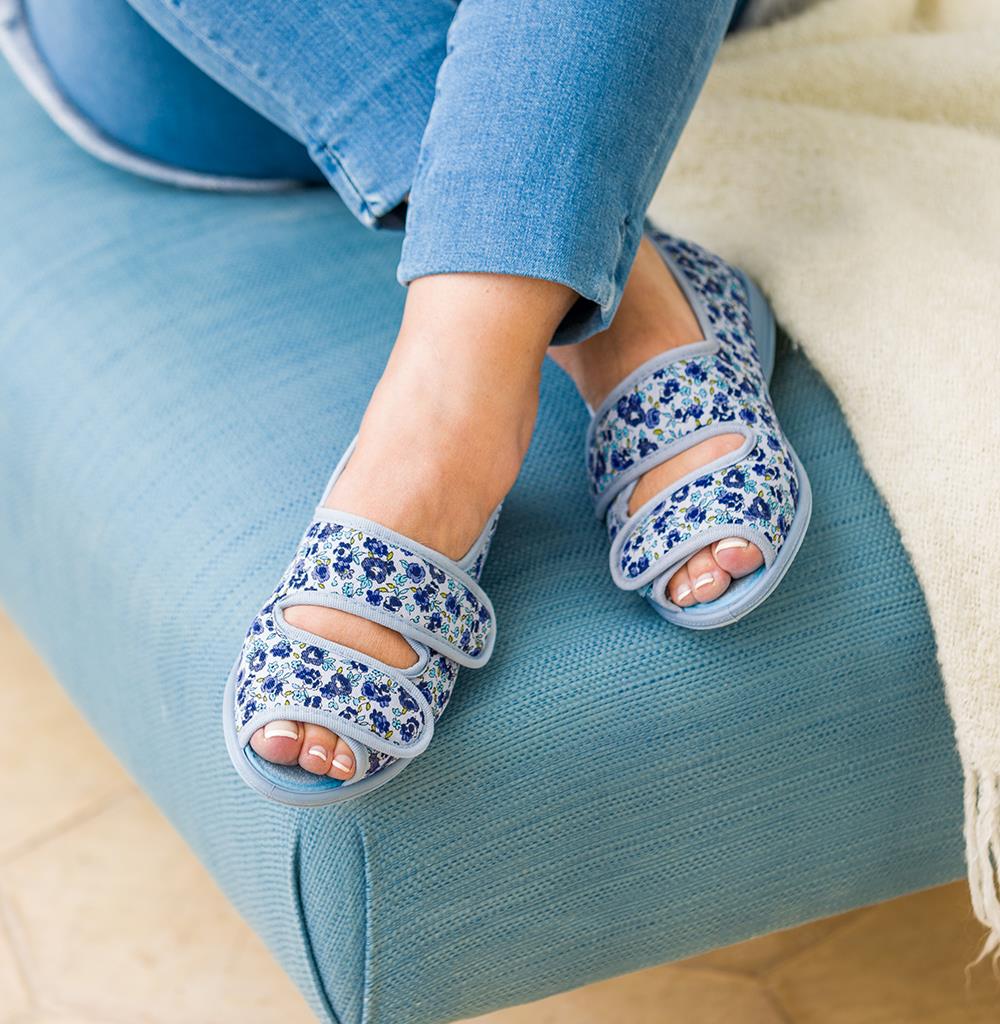
A shoe stretcher can provide more even pressure than socks. Choose a stretcher made for width, not length. Some models include small plugs that target pressure points near the toes or bunions.

To use one:

  1. Insert the stretcher into the sandal.

  2. Position it under the tight strap or across the narrow part of the footbed.

  3. Turn the handle slowly until you feel light resistance.

  4. Leave it in place for several hours or overnight.

  5. Remove it and test the sandal indoors.

Do not force the stretcher. The goal is to relax the material, not to pull apart the seams. A stretcher may not work well on sandals with open sides, molded plastic footbeds, or straps that cannot move.

For best results, apply a material-safe stretching spray first. Test any spray on a hidden spot. Some products can darken leather or stain fabric.

Method 3: Stretch leather sandals by hand
Source: suministrossalvaterra.com

Method 3: Stretch leather sandals by hand

Leather often becomes more flexible with careful handling. You can stretch sandals for wide feet by gently working the tight areas with your fingers.

Start by identifying the pressure point. Then:

• Apply a small amount of leather conditioner if the manufacturer allows it

• Massage the strap with your fingers

• Bend the strap gently from side to side

• Press outward from the inside of the sandal

• Wear the sandal for short periods after conditioning

Avoid soaking leather. Water can cause stains, stiffness, shrinking, or uneven drying. Oils and conditioners can also weaken some finishes, so always check the care instructions first.

A common mistake is bending a strap sharply near the buckle. That can create a crease or crack instead of useful width. Slow, even movement gives better results.

Method 4: Use a professional shoe repair shop
Source: healthline.com

Method 4: Use a professional shoe repair shop

A shoe repair professional can stretch some sandals with a machine or specialized tools. This is a good option for expensive leather sandals, dress sandals, and shoes with delicate details.

Professional stretching may help with:

• Leather straps

• Suede uppers

• Stiff areas near the toes

• Mild bunion pressure

• Uneven pressure on one side

Tell the repair specialist exactly where the sandal hurts. You can even mark the pressure spot with removable tape before taking it in.

Professional stretching still has limits. A repair shop cannot safely create a large amount of extra room if the footbed is too narrow. In that case, a wide-fit sandal is the better choice.

How to stretch different sandal materials
Source: bamert.ch

How to stretch different sandal materials

The material makes a major difference. Before you stretch sandals for wide feet, identify what they are made of.

Leather

Leather is usually the easiest material to stretch. Use gentle heat, a width stretcher, or controlled wear. Conditioner may help, but use only a product suitable for the leather finish.

Suede

Suede can stretch well, but it marks easily. Use a suede-safe stretching spray and avoid water or high heat. Brush the nap gently after stretching.

Fabric

Canvas and woven fabric may loosen with wear. Use thick socks and gentle pressure, but do not pull hard on decorative stitching.

Synthetic leather

Synthetic materials vary. Some soften slightly, while others crack or split under heat. Use low heat and test a hidden area first.

Rubber and plastic

Rubber straps may become more flexible, but molded plastic usually does not stretch much. Heat can distort these materials, so replacement is often safer.

How to stretch sandal straps

Straps are often the main source of discomfort. A strap that is too tight across the top of the foot can cause rubbing and swelling.

Try these steps:

  1. Loosen every adjustable buckle or hook.

  2. Move the buckle to the next setting if the design allows it.

  3. Warm the strap with low heat for a few seconds.

  4. Place a rounded object under the strap to create light outward pressure.

  5. Leave the object in place while the strap cools.

  6. Test the sandal with short indoor walks.

Use a smooth object with rounded edges. A small bottle, wooden dowel, or strap-stretching tool may work. Avoid sharp objects that can crease or puncture the material.

If the strap is sewn into the footbed, do not pull it forcefully. You may loosen the stitching or separate the sole.

How to stretch sandals with a toe box

Some sandals have a closed or partly closed toe box. This area can squeeze wide toes, bunions, or hammertoes.

A toe-box stretcher can target this space. Insert it carefully and expand it by small turns. Leave it in place for several hours, then check the shape.

You can also wear the sandals with thin socks and walk indoors. Thin socks provide less pressure than thick socks but may be safer for delicate materials.

Never use a frozen water bag inside sandals. As water freezes, it expands and can distort glued soles, split seams, and damage linings. This popular home trick is difficult to control and can harm the shoe.

How to stretch sandals without damaging them

Safe stretching is slow. Rushing is the main reason sandals become warped or damaged.

Follow these rules:

• Stretch one area at a time

• Use low heat only

• Test products on a hidden area

• Avoid soaking the sandal

• Stop if the material cracks or changes color

• Do not stretch sandals while wearing wet feet

• Keep pressure even across the tight area

• Test the sandals indoors before wearing them outside

After stretching, inspect the sole and straps. Look for lifted edges, loose stitching, cracks, or new pressure points. If you see damage, stop wearing the sandals until they are repaired.

The safest goal is a small comfort adjustment. You should not try to force a dramatic change in shape.

How long does it take to stretch sandals?

The time depends on the material and method. Leather may feel more comfortable after one or two short sessions. Synthetic sandals may need several days of brief wear, while rigid molded sandals may not stretch at all.

Try this gradual schedule:

• Day one: Wear the sandals for 10 to 15 minutes indoors

• Day two: Wear them for 20 to 30 minutes

• Day three: Wear them for up to one hour if there is no pain

• Later: Increase wear time in small steps

Check your feet after each session. Redness that fades quickly may be normal, but blisters, numbness, swelling, or lasting pain are warning signs.

When I first began helping people with tight footwear, I learned that comfort often improves more from pacing than from force. Feet need time to adjust, and materials need time to relax.

What to do if stretching does not work

Sometimes the best answer is not to stretch sandals for wide feet. If the sandal remains painful after careful attempts, look for a better design.

Choose sandals with:

• Wide or extra-wide sizing

• Adjustable straps

• A broad toe area

• Soft, flexible upper materials

• A flat, stable footbed

• Contoured arch support

• A cushioned sole

• A footbed that matches the shape of your foot

Measure both feet near the end of the day, when swelling is more likely. Use the larger foot when choosing a size. Width is just as important as length.

If you have diabetes, poor circulation, neuropathy, bunions, or ongoing foot pain, ask a podiatrist before changing your footwear. Reduced sensation can make it hard to notice harmful pressure.

Common mistakes to avoid

Many online stretching tips sound simple but can cause permanent damage. Avoid methods that use uncontrolled force or heat.

Do not:

• Pour boiling water on the sandal

• Put leather sandals in a clothes dryer

• Use a heat gun

• Soak sandals overnight

• Freeze water inside the shoe

• Stretch glued sandals aggressively

• Wear painful sandals for hours

• Ignore numbness or skin color changes

• Apply oil without checking the material

A shoe is not successful just because it looks wider. The sandal must also hold your foot securely and let your toes move naturally.

Benefits and limits of stretching sandals

Stretching can make a good sandal more comfortable. It may reduce mild pressure, soften stiff straps, and create room across the forefoot.

The main benefits include:

• Less rubbing

• Fewer hot spots

Better comfort during short walks

• More flexibility in leather straps

• A closer fit around mild width issues

There are also clear limits. Stretching does not repair poor arch support, fix a short footbed, or replace a wide shoe. It may also change the sandal’s appearance or reduce its ability to hold the foot in place.

Think of stretching as a small adjustment, like loosening a belt one notch. It is not a complete redesign.

Frequently Asked Questions About How to Stretch Sandals for Wide Feet

Can you stretch sandals a full size wider?

Usually, no. Most sandals can gain only a small amount of width, especially when the material is leather or flexible fabric. If you need a full size wider, choose a wide-fit or extra-wide sandal instead.

What is the fastest way to stretch sandals for wide feet?

Gentle heat combined with thick socks is often the fastest home method for leather sandals. Use low heat for short periods and stop if the material becomes hot, shiny, cracked, or misshapen.

Can you stretch synthetic sandals?

Some synthetic sandals may loosen slightly with careful wear. However, many synthetic materials do not stretch well and may crack or melt when heated, so test a hidden area first.

How can I stretch sandal straps that are too tight?

Loosen the buckle, warm the strap gently, and place a rounded object beneath it while it cools. A shoe repair professional can also stretch leather straps with less risk of uneven pressure.

Will wearing thick socks stretch sandals?

Thick socks can help stretch flexible leather or fabric sandals when worn for short periods. They are not suitable if they cause pain or if the sandal has rigid plastic parts.

Should sandals hurt while they stretch?

No. Mild pressure may occur, but sharp pain, numbness, blisters, or lasting redness means the sandal is too tight. Stop wearing it and consider a wider style.

Can a cobbler stretch sandals?

Yes, a cobbler or shoe repair specialist can stretch many leather sandals. The result depends on the material, construction, strap placement, and amount of extra room needed.

Conclusion

The best way to stretch sandals for wide feet is to work slowly and match the method to the material. Try short periods of wear, low heat, a width stretcher, or professional help for valuable leather sandals. Avoid boiling water, strong heat, soaking, and any method that causes pain or damages the shoe.

If the sandal is too short, too rigid, or much too narrow, replace it with a wide-fit design. Your feet should feel supported and free, not trapped. Try one gentle method indoors, check your feet often, and share your experience or explore more footwear guides for a better fit.

Leave a Reply

Your email address will not be published. Required fields are marked *