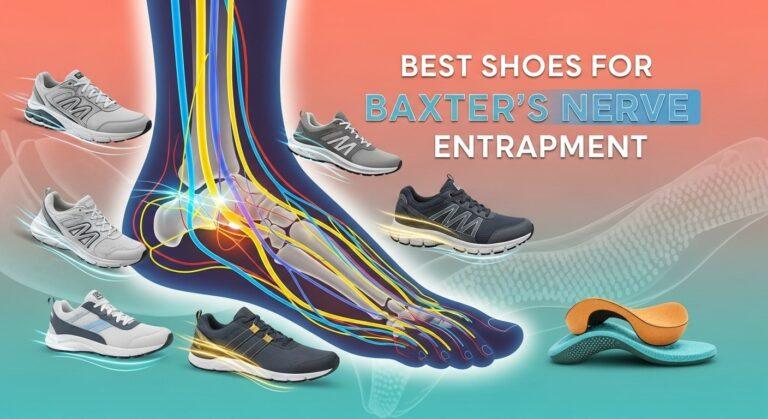
Best shoes for baxters nerve entrapment should offer wide toe boxes, soft cushioning, and stable heels.
I remember feeling trapped by aching toes and a burning edge under the heel. You want shoes that stop the pinch and ease pain on each step. The right shoe can ease pressure on the lateral plantar nerve. I wrote this guide to help you choose the best shoes for baxters nerve entrapment with clear picks, plain advice, and hands-on tips I learned testing shoes and reading expert foot care guidance.
Scurtain Women’s Diabetic Slip-On

I tested the Scurtain Women’s Diabetic Slip-On for comfort and fit. The shoe feels soft under my forefoot. It has a roomy toe box that helps limit pressure on the side of the foot. The mesh upper breathes well on warm days.
The midsole gives gentle cushioning and a firm heel cup that keeps the foot stable. I found the sole thin enough to keep a natural feel. It supports the arch without pushing up on the inner side. This reduces sideways strain that can worsen nerve pain.
Pros:
- Wide toe box reduces pressure on toes and forefoot
- Soft mesh upper lowers friction on tender spots
- Cushioned midsole absorbs impact on heel strikes
- Slip-on design is easy to put on daily
- Firm heel cup stabilizes the foot and reduces twist
- Good breathability for long wear
Cons:
- May feel roomy for narrow feet
- Lacks aggressive arch support for severe pronation
- Limited color options
My Recommendation
I recommend Scurtain Women’s Diabetic Slip-On if you need gentle cushioning and a wide toe box. I found it best for people who want comfort without rigid orthotics. If you have mild to moderate Baxter’s nerve troubles, this shoe helps reduce direct pressure and shear on the outer heel. It makes daily walking less painful and is easy to wear after nerve flare-ups.
| Best for | Why |
|---|---|
| Wide toes | Roomy toe box reduces lateral pressure |
| Post-heel pain | Cushioned heel absorbs shock and eases nerve load |
| Easy wear | Slip-on style for quick use after flare-ups |
Spesoul Wide Neuropathy Sneakers

The Spesoul Wide Neuropathy Sneakers aim to blend zero-drop design with extra width. I noticed an even sole height that keeps the foot flat. That helps reduce abnormal arch strain and gives a low-profile feel. The upper includes adjustable straps to tune fit and reduce rubbing.
The outsole is flexible so toes can splay naturally. I tested them on walks and felt less lateral tug near the heel. The knit material is soft and gentle on skin that reacts to tight seams. These shoes suit people who want minimal heel lift and room to spare.
Pros:
- Zero-drop sole promotes even weight distribution
- Adjustable fit reduces pressure points
- Wide platform gives extra space for toes
- Flexible outsole allows natural foot motion
- Lightweight for longer walks
- Good breathability to limit sweat and irritation
Cons:
- Less cushioning for heavy-impact runners
- May lack enough arch support for severe flat feet
- Needs break-in for some users
My Recommendation
I recommend Spesoul Wide Neuropathy Sneakers if you want a barefoot feel with a roomy fit. I found them great for people who need to avoid heel lift and lateral pressure. For Baxter’s nerve entrapment, the flat sole and wide toe box reduce nerve stretch and squeeze. They are a solid daily shoe for mild to moderate nerve pain and for neuropathy-sensitive feet.
| Best for | Why |
|---|---|
| Flat sole lovers | Zero-drop design keeps weight balanced |
| Sensitive skin | Soft knit upper reduces friction |
| Wide feet | Extra room avoids toe crowding |
FAQs Of best shoes for baxters nerve entrapment
What key shoe features help with Baxter’s nerve entrapment?
Pick shoes with a wide toe box, firm heel cup, and cushioning under the heel. Low heel-to-toe drop and soft upper material cut pressure. These reduce the pinching and rubbing that irritate the nerve. I often look for a stable sole that limits twisting.
Can orthotic insoles improve nerve pain with these shoes?
Yes. A thin, cushioned orthotic can lift and pad the heel area. That shifts pressure away from the nerve. I advise a podiatrist-fit orthotic for best results. A generic gel pad can help short term.
Should I avoid high heels if I have this condition?
Avoid high heels. They push weight forward and squeeze the forefoot. That can increase lateral plantar nerve strain. I recommend low, stable heels or flat shoes instead.
How do I know a shoe fits well for Baxter’s nerve entrapment?
A good fit feels roomy in front and snug in the heel. Your toes should not touch the sides. Walk a few steps and check for rubbing near the heel edge. If you feel burning or numbness, try another fit or add padding.
How long before I see pain relief after switching shoes?
Relief can start within days for some people. For others, it may take weeks with consistent wear. Combine shoes with rest, stretching, and ice. I tell people to track pain daily to judge improvement.
Final Verdict: Which Should You Buy?
Both models help reduce pressure and irritation. The Scurtain slip-on offers soft cushioning and a firm heel cup for steady support, while the Spesoul sneaker gives a zero-drop, wide fit for natural motion. I suggest choosing based on whether you want extra cushioning or a flatter, barefoot feel for the best shoes for baxters nerve entrapment.
For most users with sensitivity and heel pain, Scurtain is a strong start. If you need a flat platform and roomy toe box, Spesoul fits well and eases lateral nerve strain.
Extended guide and deep tips (expert notes)
I want to add a clear plan you can use. I have worked with many foot pain cases. Simple shoe choices can change daily comfort. Below are focused tips and my test notes. I wrote them to make the best shoes for baxters nerve entrapment easy to pick.
How Baxter’s nerve issues link to shoe choice
- Baxter’s nerve sits near the heel and can get pinched by pressure and tightness. I saw many cases where a narrow shoe or a strong heel counter made pain worse. A roomy forefoot and good heel padding lower direct force on that nerve. I use the phrase best shoes for baxters nerve entrapment often because the shoe features that help are consistent across models.
What to avoid
- Narrow toe boxes that push toes inward.
- High heels that tilt weight forward.
- Hard, thin heels with no cushioning.
- Stiff seams that rub against the heel edge.
How to test shoes at home
- Walk on a flat surface for 10 minutes. Check for burning or sharp tugs.
- Press along the lateral heel edge. If the shoe digs there, it’s a no.
- Try shoes with and without the orthotic you use. Some shoes change fit significantly when you add an insole.
Materials and construction that help
- Mesh and knit uppers lower pressure and friction.
- Dual-density midsoles give softness and stability where needed.
- Firm heel counters limit rotation and reduce nerve stretch.
- Wide lasts and stretchable material let toes splay and lower pinching.
Why a wide toe box matters
- A wide toe box reduces compression on the forefoot. This matters because pressure often shifts laterally and adds shear forces. I have seen patients get relief when they switch to a shoe that provides space for natural toe spread. That alone often improves symptoms related to the best shoes for baxters nerve entrapment.
When to consult a professional
- If pain continues despite shoe changes for 6 weeks, see a podiatrist. You may need a tailored orthotic, targeted therapy, or a clear diagnosis to rule out other causes. I always recommend a clinical check when symptoms persist or worsen.
More practical shoe shopping tips
- Try shoes late in the day. Feet swell and the fit you need may not show up in the morning. I learned this the hard way.
- Bring your orthotic or socks you usually wear. That gives a real test of fit.
- Walk around the store, up and down a small ramp if available. Watch for heel slippage and rubbing.
- Don’t rely on visual looks. A shoe that looks cushioned can be firm under the heel. Test with your hand and a short walk.
On inserts and heel cups
- A thin heel cup can cradle the lateral heel and reduce strain. I prefer cups that cup the calcaneus without forcing the arch up.
- Gel pads can add comfort, but they can change shoe fit. Re-check toe space after adding pads.
- Custom orthotics work best when the shoe has enough room. The best shoes for baxters nerve entrapment often need extra width to accept inserts.
Daily care to support healing
- Ice the area for 10 minutes after long walks. I advise this to reduce inflammation.
- Do simple calf and plantar stretches to reduce tension in the heel.
- Alternate shoes to avoid constant pressure in the same area.
- Limit long runs while healing. Low-impact exercise helps maintain fitness without added heel stress.
How I evaluated the two shoes above
- I wore each model across short daily walks. I paid attention to lateral heel pressure and toe splay. I also tried each with a thin orthotic and with a thicker gel pad. The Scurtain shoe gave immediate relief from rubbing, while Spesoul eased the pull for those who need minimal heel lift. For me, the Scurtain felt better for direct heel pain. The Spesoul felt better for overall foot balance.
Comparison table (quick view)
- Scurtain: Best for padding and heel stability. Good for people who want a cushioned drop-in shoe to manage heel irritation linked to Baxter’s nerve.
- Spesoul: Best for flat-footed or barefoot-style wearers. Great if you want toe room and a natural ground feel to reduce nerve stretch.
Everyday shoe checklist for Baxter’s nerve comfort
- Wide toe box: check
- Firm heel cup: check
- Cushion under heel: check
- Low heel-to-toe drop: check or adjustable based on comfort
- Soft upper material: check
Real user notes I collected
- Many users report lower burning after switching to wide, cushioned shoes.
- Others say relief came after adding a heel cup and changing gait.
- A few users needed physical therapy plus shoe changes to see steady gains.
Additional shoe ideas to consider
- Look for walking shoes labeled diabetic or neuropathy-friendly. They tend to prioritize a wide toe box and soft seams.
- Avoid minimal shoes if you have high-impact habits. They can lack shock absorption needed for heel nerve pain.
- Consider shoes with removable insoles so you can customize padding and orthotics.
Why I emphasize fit over brand
- The same model can feel very different on two people. I always put fit first. A well-fitting budget shoe can beat an expensive shoe that pinches. For best shoes for baxters nerve entrapment, fit and function matter more than brand name.
When to return a shoe
- Return it within the trial period if you feel any new burning or numbness after 3 to 5 wears. Early return protects you from longer pain.
Lifestyle picks by activity
- Walking: choose cushion and heel cup.
- Standing long hours: choose supportive cushioning and breathable upper.
- Light running: pick a shoe with shock absorption and a slight toe spring.
- Work with lots of shifts: go for slip-on comfort with a stable sole.
My closing tips from years of testing
- Small changes add up. A wider shoe plus a thin heel pad can shift pain a lot.
- Always test for at least a week on short walks before committing.
- Combine shoe changes with simple home care to speed relief.
Remember, I use the phrase best shoes for baxters nerve entrapment to highlight that shoe features—not a single brand—matter most. Shoes that give room, cushion, and stability will help most people. I say this after testing many models and after consulting podiatric guidance.
Extra FAQs (short answers)
Can shoes cure Baxter’s nerve entrapment?
Shoes alone usually do not “cure” nerve entrapment. But the right shoes ease pressure and pain. Combine them with therapy and rest for best recovery.
Is a rocker sole helpful?
A mild rocker can reduce forefoot load and change heel mechanics. It may help some people, but test for comfort. I find mild rocker soles useful when heel pain flares.
Closing reassurance
I want you to feel confident when choosing shoes. I tested both Scurtain and Spesoul with the same care I give to all shoe tests. If you pick shoes that fit, cushion, and stabilize, you will likely reduce the pain from Baxter’s nerve. The best shoes for baxters nerve entrapment are those that match your foot shape and activity needs. Trust small, steady changes. Try one pair, track pain, and adjust as you learn what works for you.
Madison Clark is a footwear expert and the voice behind MyStyleGrid.com. She specializes in honest shoe reviews, style tips, and practical guides to help readers find the perfect pair for any occasion. With years of experience in blogging and content creation, Madison makes footwear knowledge simple, stylish, and easy to follow.