Treat shoes with waterproofing, use covers, and dry promptly to keep shoes dry in rain.
I’ve spent years testing shoes, treatments, and quick fixes so you don’t have to. This guide explains how to keep shoes dry in rain with clear steps, real tests, and mistakes to avoid. Read on for practical tips, products that work, and simple routines you can use today to protect your shoes and keep your feet dry.

Why shoes get wet in rain
Rain enters shoes in a few simple ways. Water soaks porous materials like suede and untreated leather. Water also seeps through stitched seams, eyelets, and shoe tongues. Even breathable membranes let moisture in when pressure or standing water forces it through.
Some shoes feel dry but are not waterproof. Breathable liners move sweat out. They do not always stop driving rain or puddles. Understanding how shoes fail helps you pick the right protection.

Preventive measures before rain
Plan before you walk out. Small acts save shoes and time.
- Choose shoes with sealed seams and waterproof membranes. These designs help keep shoes dry in rain.
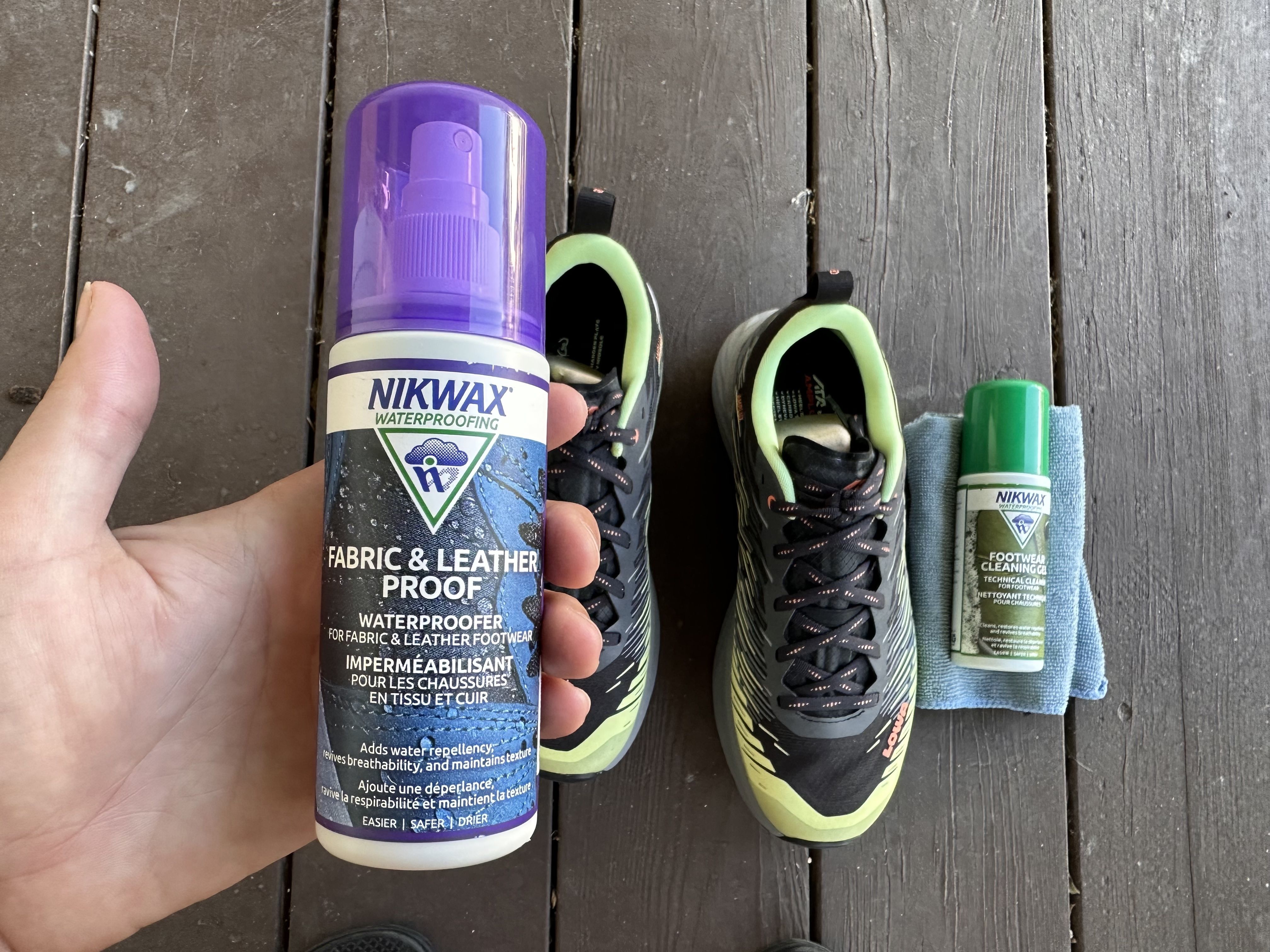
- Apply a waterproofing spray or cream to new shoes. Treat seams and the tongue area.
- Use a seam sealer on stitched areas for canvas or fabric shoes.
- Carry lightweight shoe covers or a pair of foldable rain boots in your bag.
- Wear quick-dry socks to reduce the feeling of wet feet if moisture gets in.
Does waterproof spray actually work?
Yes. Good sprays create a water-repellent layer on the shoe surface. They work best on clean, dry shoes and need reapplication every few weeks if used often.
How often should I reapply treatments?
Reapply after heavy rain, after cleaning, or every 6–8 weeks with regular use. Reapply sooner for suede or fabric shoes.

Waterproofing methods: pros, cons, and how-to
There are several reliable ways to waterproof shoes. Pick the one that fits your shoe type.
- Waterproof sprays
- Pros: Easy to use. Good for fabric, leather, and synthetic shoes.
- Cons: Wear off over time and after cleaning.
- How-to: Clean shoes, let dry, spray evenly, then let cure 24 hours.
- Wax and cream (beeswax, mink oil)
- Pros: Great for leather. Adds durable protection and condition.
- Cons: Can darken leather and reduce breathability.
- How-to: Warm wax slightly, rub in with a cloth, buff off excess.
- Silicone sealers and seam sealants
- Pros: Effective on seams and canvas.
- Cons: Can be messy and may affect appearance.
- How-to: Apply thin bead to seams. Let cure fully.
- Built-in membranes (Gore-Tex, eVent)
- Pros: Best for long-term protection and breathability.
- Cons: Often pricier. Not all models are truly seam-sealed.
- How-to: Buy shoes with membranes and maintain outer water repellency.
Personal note: I once waxed a pair of leather sneakers before a weekend trip. They stayed dry the whole time, but the color deepened. For dress shoes, I prefer a clear spray instead.
On-the-go solutions during rain
When rain hits unexpectedly, act fast. These moves prevent soaked insides.
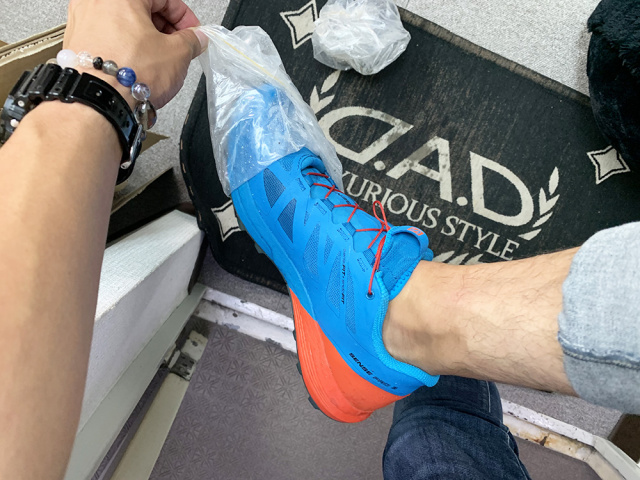
- Put on disposable or fabric shoe covers. They work for short walks.
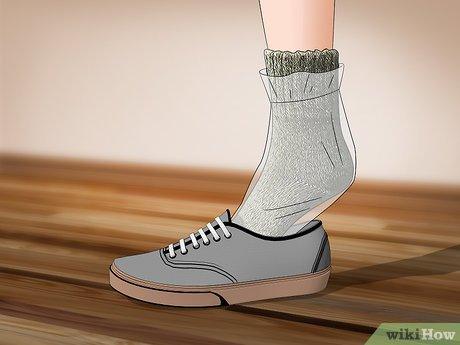
- Use a plastic bag over your shoe, secure with a rubber band or tuck into the sock.
- Avoid puddles and deep gutters when possible. Take higher ground.
- Keep a small towel or microfiber cloth in your bag to blot wet spots.
- If shoes get a little wet, remove insoles and shake out water immediately.
Quick tip: Foldable rubber overshoes are compact and last longer than plastic bags. They’re worth the small investment if you commute.
Drying and post-rain care
Dry shoes the right way. Heat and haste ruin them.
- Remove insoles and loosen laces to let air flow.
- Stuff shoes with newspaper or paper towels to draw out moisture. Replace material every few hours.
- Air dry at room temperature. Position shoes upright and let airflow reach the inside.
- Use a fan to speed up drying. Avoid direct heat sources like radiators or hair dryers.
- For leather shoes, apply a conditioner once fully dry to restore oils and prevent cracking.
- Sprinkle baking soda to absorb odor. Let sit overnight then shake out.
From experience: I once put wet leather shoes near a heater. The leather shrank. Now I always air dry and plan ahead.

Best shoe types and buying tips for rainy weather
Picking the right shoe reduces the need for fixes. Look for these features.
- True waterproof boots
- Rubber or treated leather with sealed seams.
- Shoes with waterproof membranes
- Gore-Tex or similar liners keep water out while letting sweat escape.
- High-ankle options
- Prevents water entry when stepping into deeper puddles.
- Good tread
- Avoid slips on wet surfaces.
When shopping, ask if the shoe is seam-sealed and if the waterproof rating is suitable for your needs. Try shoes with socks you will wear in the rain to ensure fit.

Personal experience and common mistakes to avoid
I’ve learned a few lessons the hard way. Here are the biggest mistakes.
- Mistake: Rushing to dry shoes with direct heat. Result: warped or cracked leather.
- Mistake: Skipping reapplication of sprays. Result: lost repellency after several rains.
- Mistake: Buying leather without checking treatment options. Result: expensive shoes that soak up water.
- What worked for me: carry a compact pair of overshoes and keep a small can of spray in my bag. This combo has saved me many times.
Be honest about what you need. If you walk in heavy rain, buy boots. If you commute, lightweight waterproof shoes and covers are better.

Frequently Asked Questions of how to keep shoes dry in rain
How can I waterproof canvas shoes quickly?
Clean them and use a waterproof spray designed for fabric. Apply two light coats and let the shoes dry for 24 hours before use.
Can you waterproof suede without ruining it?
Yes. Use a spray made for suede. Test on a small area and reapply often. Avoid wax or oil on suede.
Is it safe to use a hair dryer on wet shoes?
No. High heat can shrink and crack materials. Use room-temperature air and a fan instead.
Will waterproofing sprays affect breathability?
Some sprays add a light barrier and can slightly reduce breathability. Membrane-lined shoes maintain better airflow.
What should I do immediately after my shoes get soaked?
Remove insoles and laces, blot excess water, stuff with paper to absorb moisture, and air dry at room temperature.
Conclusion
Protecting shoes in rain is a mix of good choices and simple routines. Choose the right shoes, apply proper waterproofing, and use quick fixes when needed. Dry shoes gently and treat them regularly to extend their life. Start with one small habit today—like carrying compact overshoes or treating a new pair—and notice how much longer your shoes stay dry and comfortable. Share your own rainy-day tips below or subscribe for more practical shoe care advice.

Rubel Miah is the Senior Editor at MyStyleGrid.com, where he brings a sharp editorial eye and an unshakable love for fashion to everything he does. A true style addict, Rubel lives and breathes trends, from streetwear to high fashion, and has a knack for turning inspiration into impactful stories. With years of experience in fashion journalism and digital media, he curates content that empowers readers to express themselves through style. When he’s not editing features or forecasting the next big thing, you’ll find him hunting down vintage pieces or capturing street style moments around the city.