No — cross country ski boots are not universally compatible with all bindings and systems.
I write about skis and gear for a living and have fitted hundreds of skiers. If you’re asking "are cross country ski boots universal," you’re asking the right question. This guide breaks down how boots and bindings work, why compatibility matters, and how to pick the right boot for your skiing style. Expect clear comparisons, practical tips from hands-on experience, and the trade-offs to watch for so you buy boots that actually fit your skis and your goals.
How boots and bindings work: basics you must know
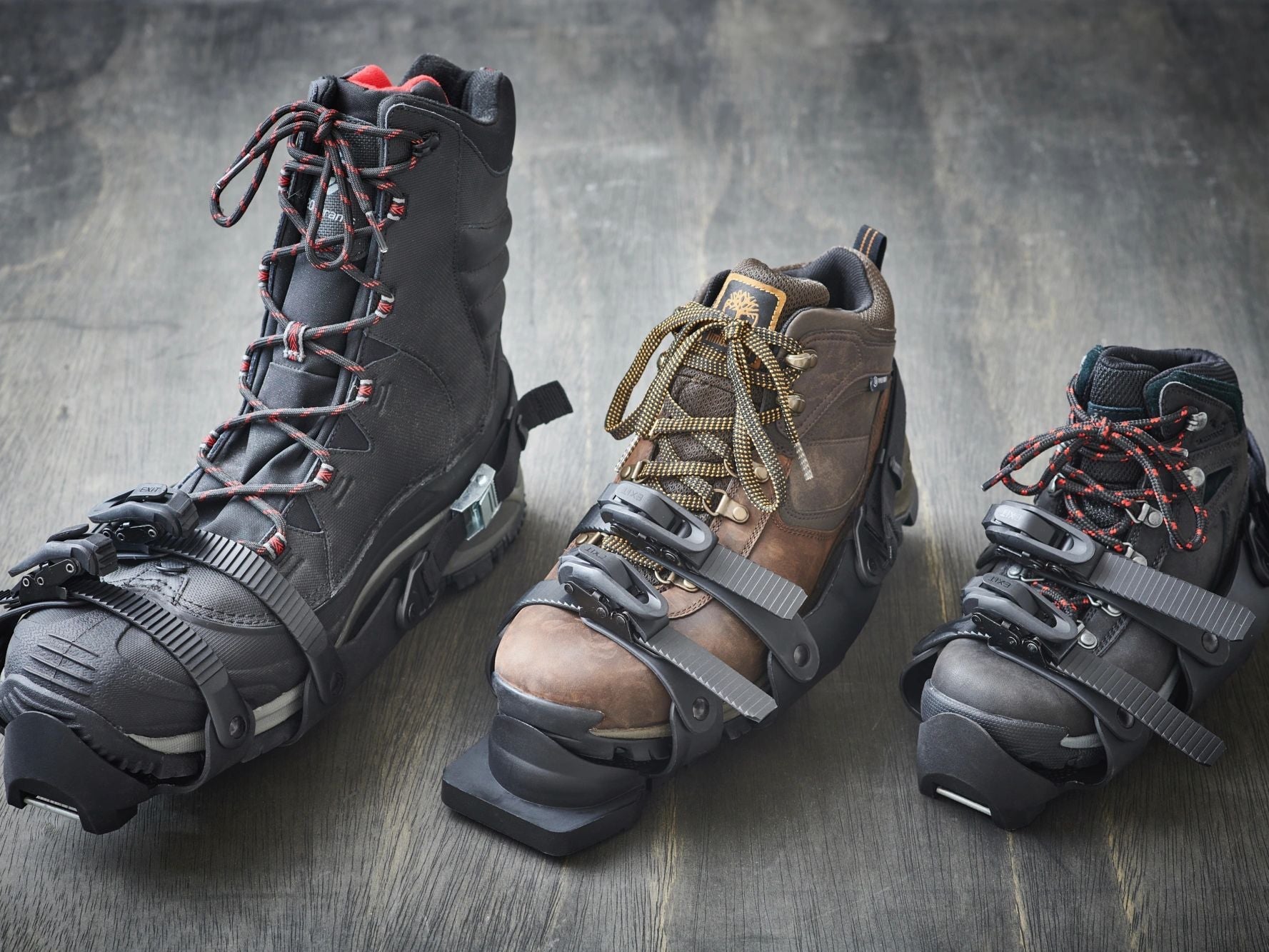
Bindings and boot soles form the link between your foot and the ski. The connection affects control, power transfer, and safety. Different systems use distinct sole shapes and attachment points. That is why the question are cross country ski boots universal matters to every skier.
Key concepts:
- Sole standard: the exact shape and fittings on the boot sole that match a binding.
- Binding toe and latch design: how the binding locks the boot toe and allows heel lift.
- Skiing style: classic, skate, or backcountry each prefer different boots and soles.
When you ask are cross country ski boots universal, the short reality is that the answer depends on binding standards, skiing style, and the boot’s sole type. These parts are engineered to work together. Mismatches reduce performance and can damage gear.
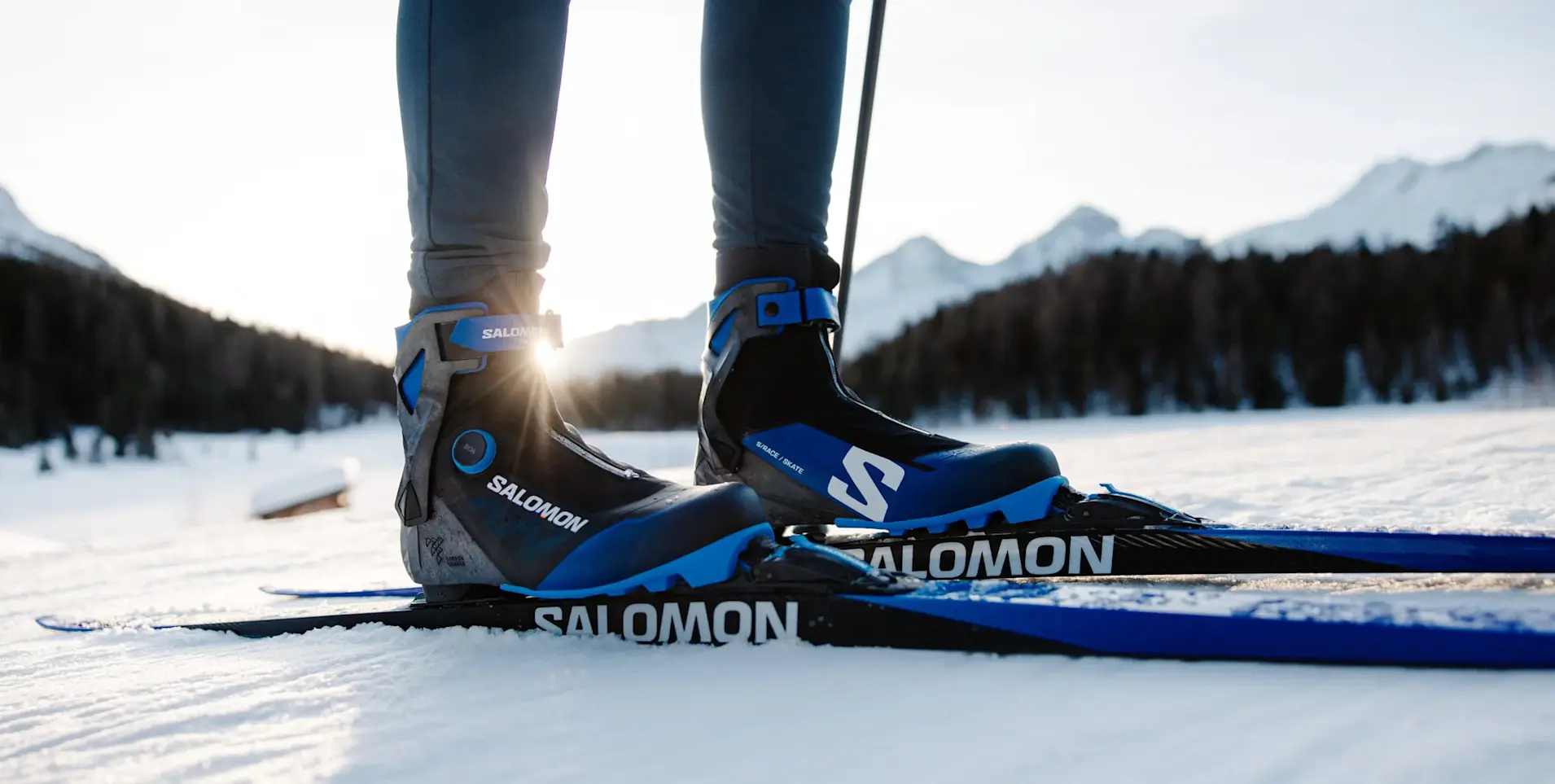
Are cross country ski boots universal? A clear explanation
No single boot fits all binding systems. Brands created multiple standards over decades. Each standard solves specific needs: weight, control, walkability, or touring durability. When you read product pages, you’ll see labels like NNN, SNS, Prolink, or ISO. Those labels define which bindings a boot will clip into.
Why boots aren’t universal:
- Different toe-piece designs require different sole features.
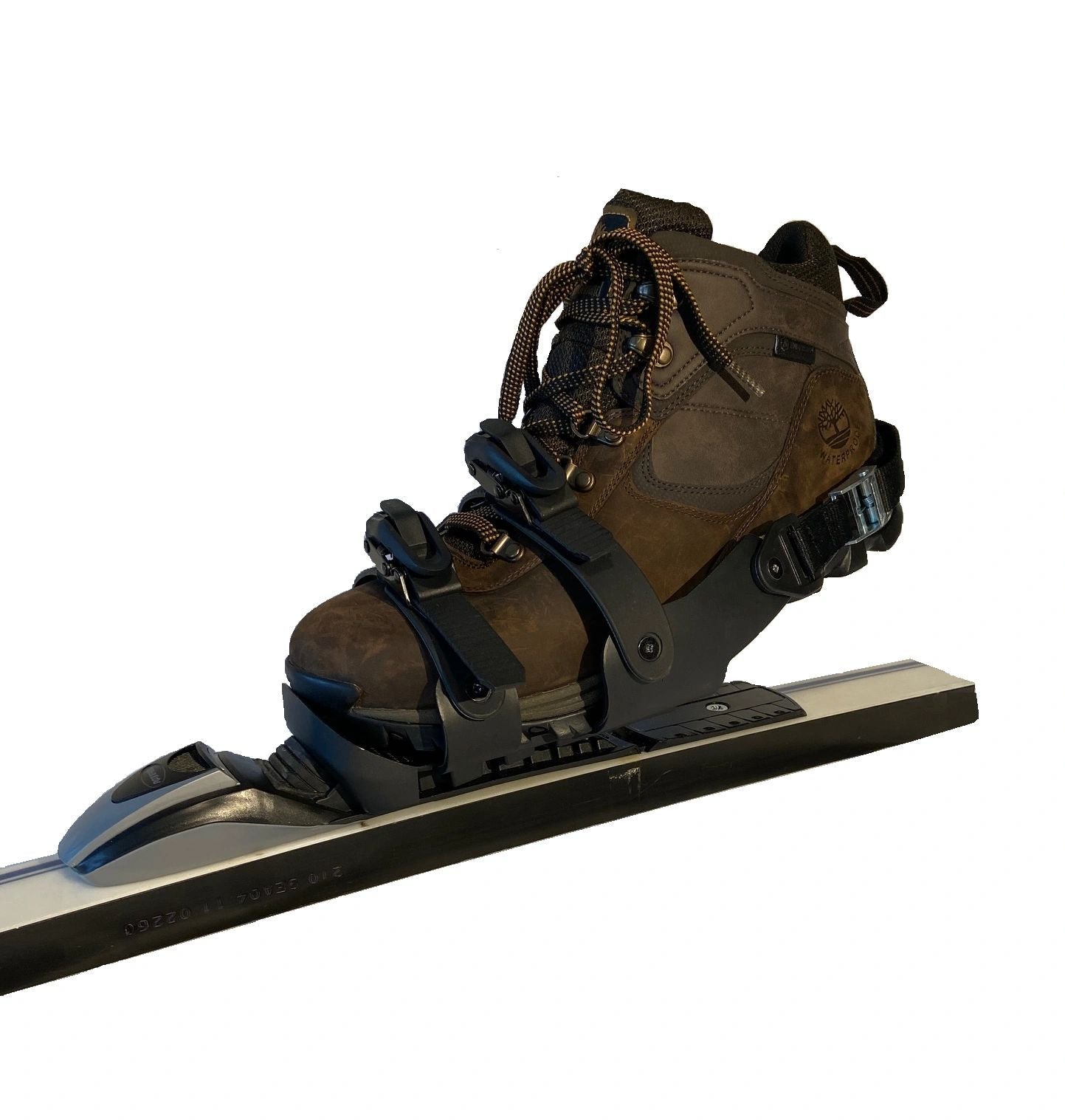
- Touring or backcountry boots often have tech fittings or lugged soles that won’t accept race bindings.
- Manufacturers make trade-offs between stiffness and comfort, so soles and bindings pair to match performance.
If you still wonder are cross country ski boots universal after this, remember: even within a single brand there are soles designed for classic, skate, or hybrid use. That makes buying the wrong boot an easy mistake.
Common binding standards and boot compatibility
Knowing main standards solves most confusion. Below are the standards you’ll see most often.
Major standards:
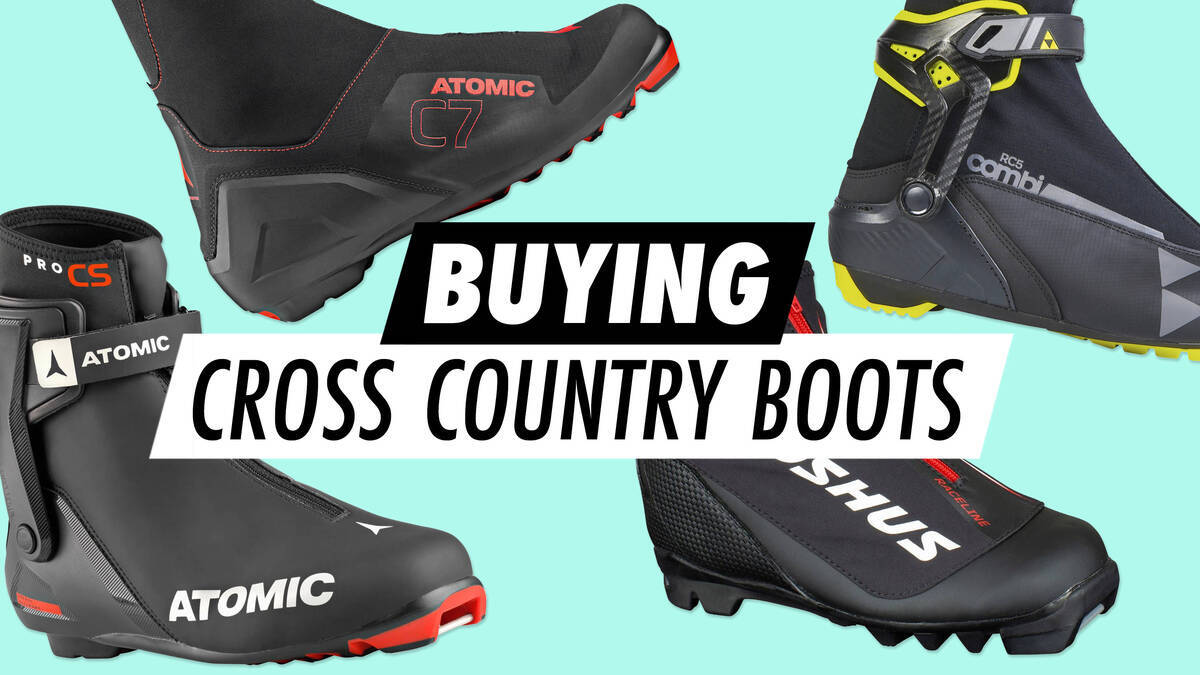
- NNN (New Nordic Norm): Very common in recreational and race gear. Boots have two thin rails on the sole and a bar at the toe.
- NNN-BC / BC Backcountry: Similar to NNN but with a wider, lugged sole for grip and walking in soft snow.
- SNS (Salomon Nordic System): Older system with a single rail at the toe. Comes in two versions: SNS Profil and SNS Pilot.
- Prolink: A low-profile standard compatible with many NNN bindings but made to offer skate control.
- Tech/Pin bindings (Dynafit-style for touring): Use toe pins in metal fittings on the boot sole. Rare for true classic skiing but used in ski mountaineering and telemark touring.
Compatibility notes:
- NNN bindings will accept NNN and many Prolink boots, but not SNS.
- SNS bindings do not accept NNN soles.
- Tech-pin boots only work with tech bindings designed for pins.
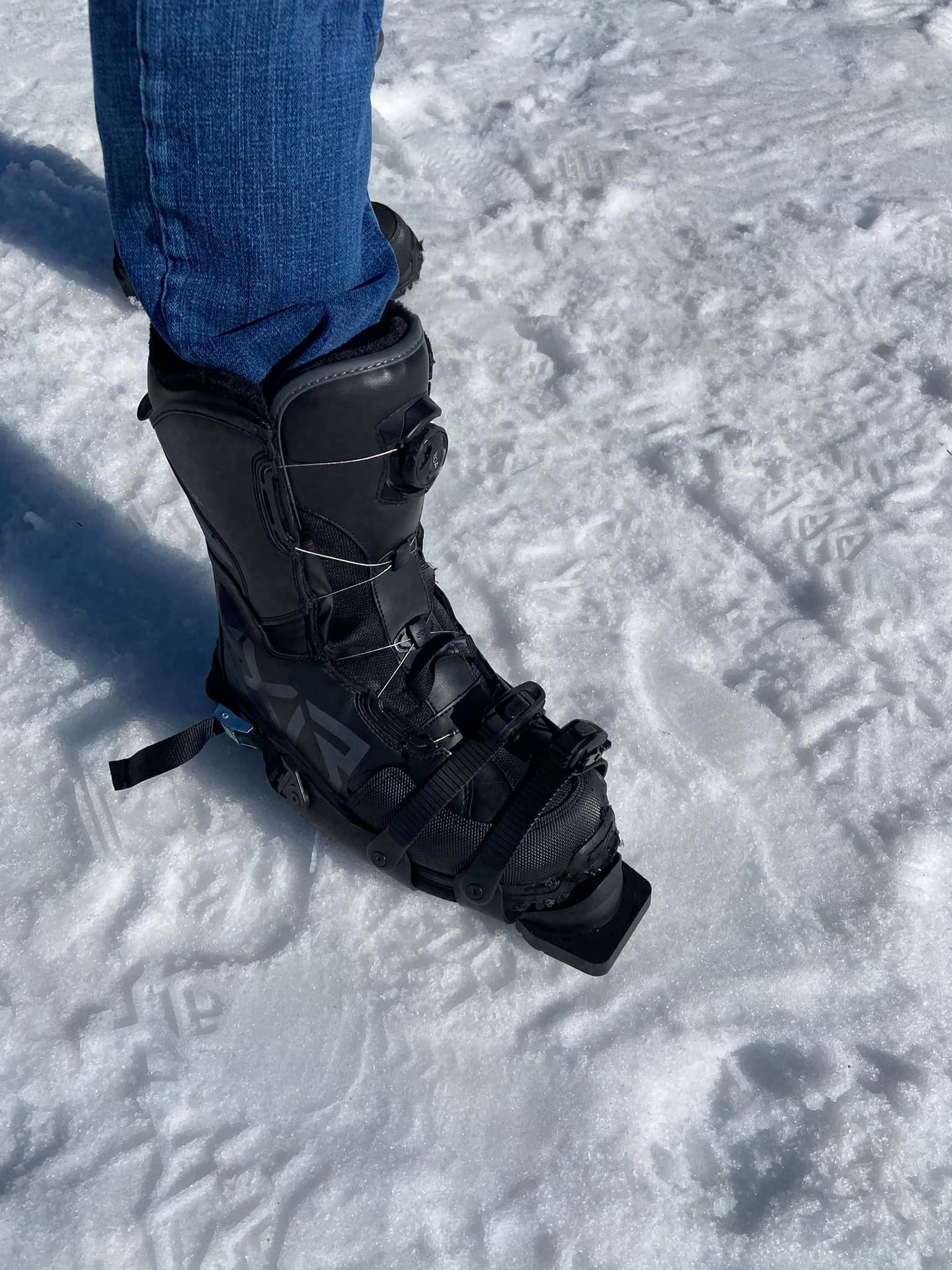
- Lugged winter boots or Alpine touring boots rarely fit cross country bindings.
When you search are cross country ski boots universal, focus on the boot sole label. That label decides compatibility.
Which boot to choose for your skiing style
Match boot type to how you ski. This keeps performance and comfort in balance.
Classic skiing:
- Choose softer, flexible boots that allow toe lift.
- Look for NNN or SNS soles that match classic bindings.
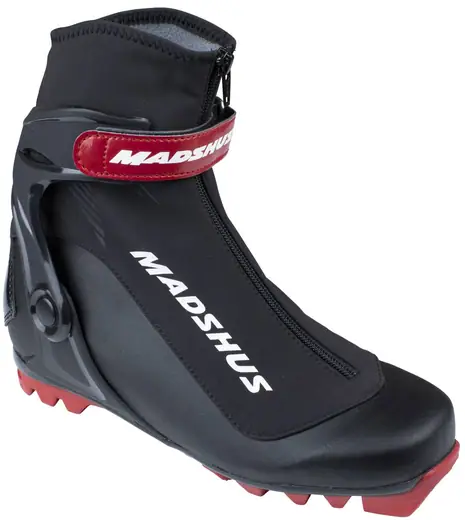
Skate skiing:
- Choose stiffer boots for power transfer.
- Often use NNN or Prolink with stiffer construction.
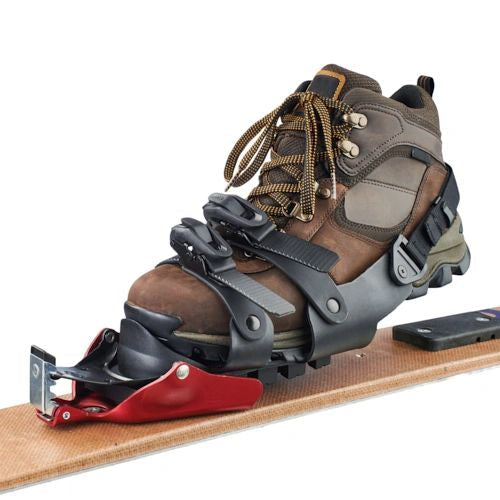
Backcountry/touring:
- Choose boots with insulated, lugged soles or tech fittings.
- Use touring bindings made for walking and varied terrain.
Recreational or rental:
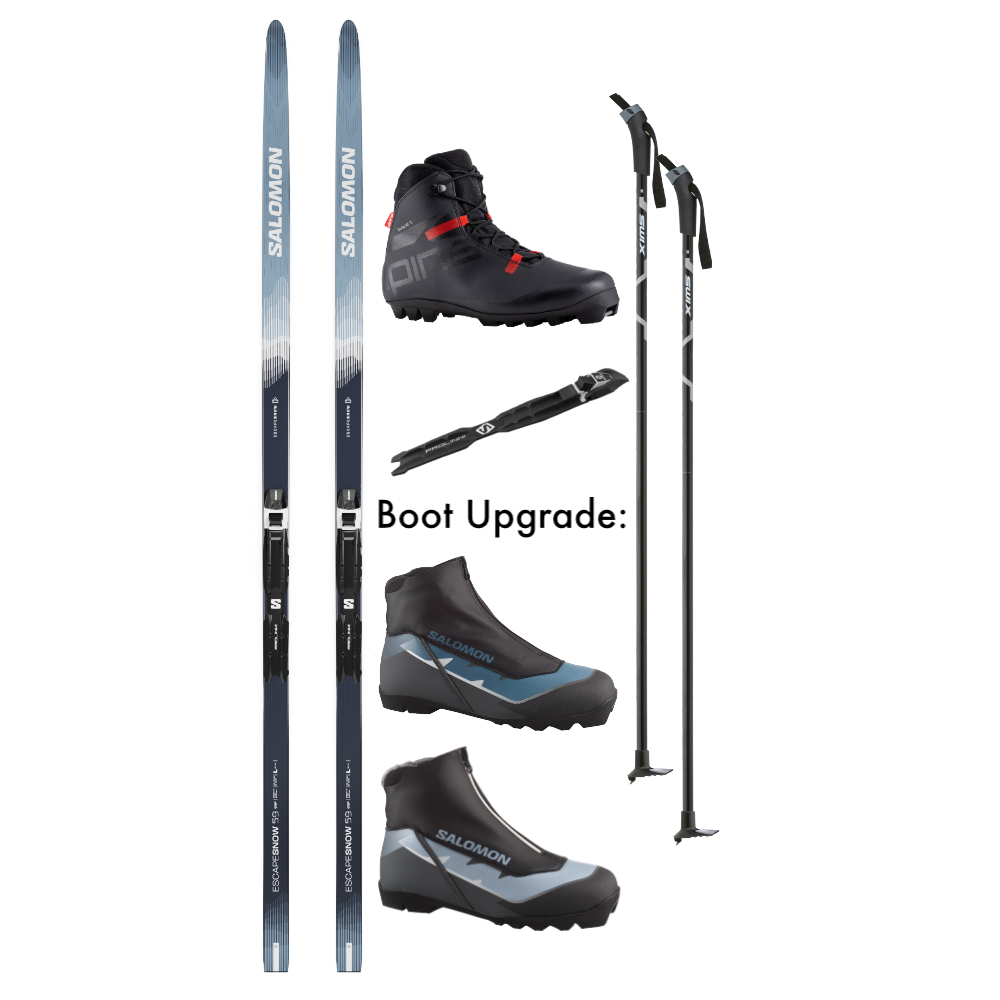
- Comfort and warmth matter. Look for boots labeled for "recreational" use and ensure binding compatibility before you buy.
When asking are cross country ski boots universal, include your skiing style in the question. The right style narrows choices fast.
Sizing, fit, and practical buying tips
Fit is as important as compatibility. A correctly paired boot and binding still fails if the fit is wrong.
Fit checklist:
- Length: Try boots with the socks you will wear. Sizing can differ by brand.
- Width: Foot volume varies. Look for models with different lasts.
- Flex: Stiffer boots for skate; softer for classic.
- Heel hold: Good heel lock improves control and prevents blisters.
- Walk mode: Some boots offer a walk mode or flexible cuff for touring.
Buying tips:
- Test boots with your bindings before purchase or buy from a shop that mounts and tests.
- If buying used, check sole wear and ensure no missing fittings.
- When you see the question are cross country ski boots universal in a forum, include your binding type and ski model to get better advice.
From my experience fitting boots, people underestimate heel hold. A snug heel often makes more difference than a half size smaller across the toes.
Common mistakes and how to avoid them
Avoid these pitfalls to save time and money.
Common errors:
- Buying a boot without checking the binding standard.
- Choosing race boots for long tours because they look fast.
- Ignoring sole wear on used boots, which can change compatibility.
- Relying on "universal" claims from sellers without seeing the sole up close.
How to avoid:
- Inspect the sole for the rail or pin fittings.
- Ask the seller which bindings the boot was used with.
- If in doubt, mount bindings to the ski only after you confirm compatibility.
These mistakes explain why the simple question are cross country ski boots universal gets mixed answers online.
Maintenance and travel tips for boots and bindings
Good care extends life and prevents fit issues. It also helps when you travel.
Care tips:
- Dry boots fully after use. Remove insoles and open liners.
- Check soles and fittings for wear before each season.
- Keep screws tight on bindings, but don’t over-torque them.
- Carry a small multi-tool and spare screws when traveling.
Travel tips:
- Bring the right tools to remount or adjust bindings if needed.
- Photograph the sole and binding interface before travel for peace of mind.
- If you rent abroad, check that rental bindings match your boots to avoid surprises.
From my trips, a small screw kit saved a weekend after a loose binding screw showed up mid-ride.
Quick PAA-style questions (short answers)
Can I use an SNS boot in an NNN binding?
No. SNS and NNN use different rail designs, so they are not compatible.
Are Prolink and NNN interchangeable?
Many Prolink boots fit NNN bindings, but check specific models for fit and sole profile.
Do touring lug soles fit normal cross country bindings?
Usually no. Lugged soles change the profile and often won't lock into standard cross country bindings.
Can a ski shop change a boot sole to fit another binding?
Not easily. Some shops can retrofit certain soles, but it is rare and often not recommended.
Does binding conversion exist to make boots universal?
There are adapters in niche cases, but they are uncommon and can hurt performance or safety.

Personal experience: what I learned on the trail
I once fitted a friend with new boots without checking his rental bindings. We arrived at the trail and the boots would not lock in. We learned to always verify the system before heading out. Since then, I always:
- Check sole standards at purchase.
- Keep labeled photos of gear.
- Test gear on a short loop before committing to a long day.
Those small steps avoid a lot of wasted time and money. They also prove the practical side of asking are cross country ski boots universal.
Frequently Asked Questions of are cross country ski boots universal
What does NNN mean and is it universal?
NNN stands for New Nordic Norm. It’s common but not universal. NNN fits NNN-compatible bindings and many Prolink models, but not SNS.
Can I convert SNS to NNN bindings on my skis?
Conversion is usually not simple. It may require new bindings and sometimes re-drilling skis; consult a shop.
Are race boots compatible with all bindings?
No. Race boots use specific soles and stiffness. They must match the binding standard for proper fit.
How do I identify my boot's sole system?
Look at the toe area for rails or pins. The sole often has printed or molded labels like NNN, SNS, or ISO.
Is there a one-boot-fits-all option for casual skiers?
Not really. Some recreational boots aim for broad compatibility, but you still must match the boot to the binding system on your skis.
Conclusion
Cross country ski boots are not universal. Compatibility comes down to sole standards, binding types, and skiing style. Check the boot sole label, match it to your binding, and prioritize fit and function. Take action by inspecting your current gear, asking your shop to verify standards before you buy, and testing boots with your bindings on a short loop. If you want help choosing boots for your skis or style, leave a comment with your binding type and skiing goals and I’ll help you pick a match.

Rubel Miah is the Senior Editor at MyStyleGrid.com, where he brings a sharp editorial eye and an unshakable love for fashion to everything he does. A true style addict, Rubel lives and breathes trends, from streetwear to high fashion, and has a knack for turning inspiration into impactful stories. With years of experience in fashion journalism and digital media, he curates content that empowers readers to express themselves through style. When he’s not editing features or forecasting the next big thing, you’ll find him hunting down vintage pieces or capturing street style moments around the city.