Wearing clean, professional sneakers shows comfort, practicality, and respect for workplace standards.
I have spent years advising professionals on workplace image and policies. In this guide I explain how to convince employer sneakers are appropriate by using clear evidence, polite communication, and smart compromises. You will get step-by-step tactics, scripts to use, and real-life lessons that help you make a strong case while keeping trust with your manager. Read on to build a respectful, practical argument that fits your workplace culture.

Why sneakers can be appropriate at work
Many workplaces have changed. Dress codes are more flexible now. Sneakers can match a professional look when they are clean and low-key. Showing how sneakers meet safety, comfort, and client-facing needs helps you make a solid case for change. The phrase how to convince employer sneakers are appropriate guides the tactics below and keeps your request focused on outcomes.

Understand your workplace and policy
Start by reviewing the written dress code. Note any language about footwear, safety, or client meetings. Ask colleagues about unwritten norms. Knowing policy and social cues helps when you explain how to convince employer sneakers are appropriate.
Steps to assess your workplace
- Check the employee handbook for footwear rules.
- Observe what managers and client-facing staff wear.
- Note times when sneakers are already accepted, like casual Fridays.
- Record any safety or uniform exceptions that exist.

Source: bloomberg.com
How to prepare your case
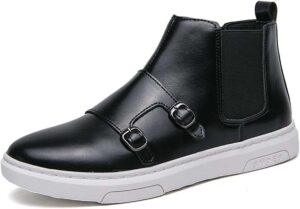
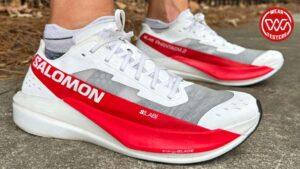
Preparation builds credibility. Gather evidence that sneakers will not harm image or safety. Use data on footwear comfort, productivity, and industry trends. Prepare visuals or photos of appropriate sneaker styles to show you mean smart choices, not gym shoes.
Key points to collect
- Photos of clean, minimalist sneakers that pair with business attire.
- Notes on foot health and comfort benefits for long shifts.
- Examples of competitor or peer companies allowing similar shoes.
- A short plan for maintaining a professional look (cleaning, color choices).
Make a clear one-page summary. This will answer the manager’s main questions fast. Practicing your pitch helps you stay calm and concise when you explain how to convince employer sneakers are appropriate.

How to present to your employer
Pick the right moment. Ask for a short meeting or send a polite email. Lead with benefits to the team. Keep the tone respectful and solution-focused.
A simple meeting outline
- Open with gratitude and a quick reason for the request.
- Share your one-page summary and images.
- Emphasize how sneakers support comfort, attendance, or productivity.
- Offer a trial period or limited policy update to test results.
Use data and real examples. Say things like, "I believe clean, neutral sneakers can meet our standards and help my comfort on long days." Repeating how to convince employer sneakers are appropriate in context helps keep the discussion purposeful.
Addressing objections and offering compromises
Expect questions about professionalism and safety. Answer calmly and with solutions. Offer compromises that reduce perceived risk.
Common objections and responses
- Objection: Sneakers look casual. Response: Propose specific colors and styles that read more formal.
- Objection: Safety hazard. Response: Offer sneakers with non-slip soles or keep safety shoes for specific tasks.
- Objection: Client perception. Response: Suggest using sneakers only during non-client work or seek client-facing guidelines.
Propose a trial or dress code addendum. A 30-day test with feedback shows you are open and practical. This approach makes how to convince employer sneakers are appropriate a collaborative process.

Practical examples and scripts
Use real words that sound natural. Below are short scripts for different scenarios.
Email script
- "Hi [Manager], I’d like to discuss a small footwear change. I can wear clean, neutral sneakers that match our dress standards. I propose a 30-day trial and feedback meeting. Can we chat for 10 minutes?"
In-person script
- "Thanks for the time. I’ve prepared a one-page note and photos. I believe these sneakers keep a professional look and help with long shifts. Can we try them for a short period and review results?"
Trial agreement
- State start and end date.
- List permitted sneaker styles and colors.
- Include cleaning and presentation guidelines.
- Add feedback check-ins at two weeks and four weeks.
Using these practical examples will make the process of how to convince employer sneakers are appropriate clear and low-risk.

Personal experience and lessons learned
I once helped a team update footwear rules for staff on long shifts. We started with photos and a one-page plan. We agreed to a 60-day trial and logged staff comfort and client feedback. The trial reduced foot complaints and did not harm client impressions.
Lessons I learned
- Be specific about style and color. Vague requests fail.
- Offer measurable tests. Data calms worries.
- Be ready to reverse or refine the policy. Flexibility builds trust.
These simple steps show that how to convince employer sneakers are appropriate works best when you pair proof with humility and a willingness to adapt.

Frequently Asked Questions of how to convince employer sneakers are appropriate
Will sneakers ever look professional enough for client meetings?
Yes. Clean, minimalist sneakers in neutral colors can look polished. Reserve dress shoes for formal client events if needed.
What if my workplace has strict safety rules?
Follow safety rules first. Ask if sneakers that meet safety specs are allowed or if you can use them outside high-risk tasks.
How long should a trial period be?
A 30 to 60 day trial is common. It gives enough time to collect feedback and adjust policy.
How do I prove sneakers improve productivity or comfort?
Track metrics like sick days, foot pain reports, or staff feedback during the trial. Use short surveys to collect data.
What if the manager says no?
Ask for the exact concern and offer a revised plan. Propose a narrower test or alternate styles to reduce risk.
Conclusion
You can make a clear, respectful case for sneakers at work. Start by learning your rules, gather simple evidence, propose a low-risk trial, and offer compromises. Use concise visuals and a one-page plan to keep the discussion focused. Try the steps in this guide and record results. If it works, you gain comfort without sacrificing professionalism. Share your experience, subscribe for more workplace tips, or leave a comment about your trial.

Rubel Miah is the Senior Editor at MyStyleGrid.com, where he brings a sharp editorial eye and an unshakable love for fashion to everything he does. A true style addict, Rubel lives and breathes trends, from streetwear to high fashion, and has a knack for turning inspiration into impactful stories. With years of experience in fashion journalism and digital media, he curates content that empowers readers to express themselves through style. When he’s not editing features or forecasting the next big thing, you’ll find him hunting down vintage pieces or capturing street style moments around the city.