Soften and condition them gently, use heat or stretchers, and break them in with socks.
I’ve worked on footwear fixes for years, fitting hikers and commuters, and I know exactly how to make boots more flexible for walking without ruining them. This guide walks you through safe methods, tools, and real-world tips to loosen stiff boots made of leather, suede, rubber, or synthetic materials so they feel broken-in and comfortable for long walks.
Why boots feel stiff and what affects flexibility
Boot stiffness comes from material, construction, and storage. Leather is firm when new. Rubber and synthetics can be rigid from cold or manufacturing treatments.
Common causes of stiff boots
- New leather with tight fibers and oils removed.
- Waterproof membranes and adhesives that limit bend.
- Cold weather tightening rubber and synthetic uppers.
- Long storage that dries leather or compresses foam.
How this matters for walking
- Stiff boots cause hot spots and blisters.
- Limited ankle flex changes your gait and tires legs.
- Flexible boots improve stride and comfort.
Understanding these basics helps you choose the right method for how to make boots more flexible for walking. Use the right technique for the material and avoid quick fixes that cause damage.
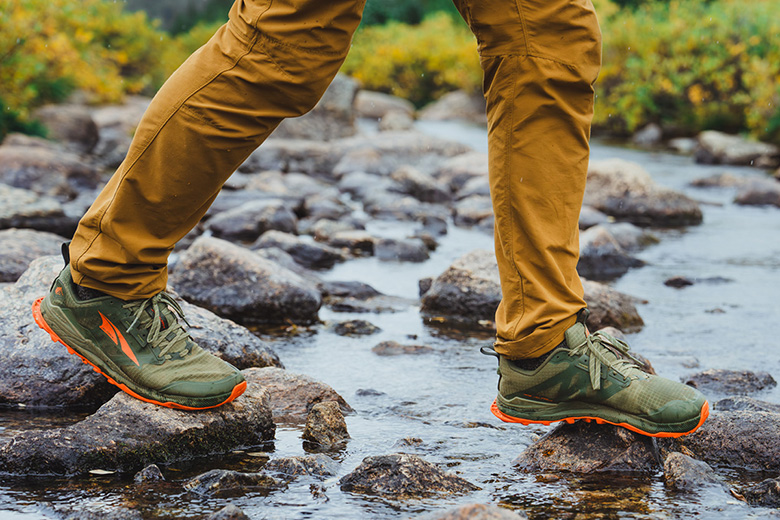
Safe step-by-step methods to make boots more flexible for walking
Below are proven techniques. Pick methods that match your boot type. Repeat gently and test comfort often.
Leather boots — slow break-in and conditioning
- Clean the boots with a soft brush and damp cloth.
- Apply a small amount of leather conditioner or mink oil once the leather is dry.
- Wear thick socks and walk around the house for 30–60 minutes. Repeat daily.
- Use a boot stretcher or visit a cobbler for targeted stretching for tight toes or instep.
Suede and nubuck — steam and brush
- Use steam from a kettle or a clothing steamer held at arm’s length. Don’t soak the suede.
- Put on thick socks and wear until cool and dry.
- Brush nap gently to restore texture.
Rubber and synthetic boots — warmth and movement
- Warm them with a hairdryer on low for short bursts while moving the boot by hand.
- Wear them with socks and walk until they cool, which sets the shape.
- Avoid boiling water or extreme heat that can warp soles.
Mechanical stretching for any material
- Shoe stretchers expand width and sometimes length. Use for pressure points.
- Foam or toe inserts can reshape the toe box gradually.
- A cobbler has professional stretchers and can add flexible panels or alter soles.
Insoles, lacing, and orthotics
- Swap thick, rigid insoles for thin, flexible ones to increase bend.
- Adjust lacing to allow more ankle flex. Use a heel-lock knot to keep heel secure when you loosen the forefoot.
- Custom orthotics can improve comfort without forcing the boot to over-flex.
Progressive break-in plan
- Do short walks the first days, increasing time by 15–30 minutes.
- Reapply conditioner or waterproofing as needed.
- Stop if you feel sharp pain or notice material damage.
The right approach to how to make boots more flexible for walking combines heat, conditioning, mechanical stretch, and gradual wear for best results.
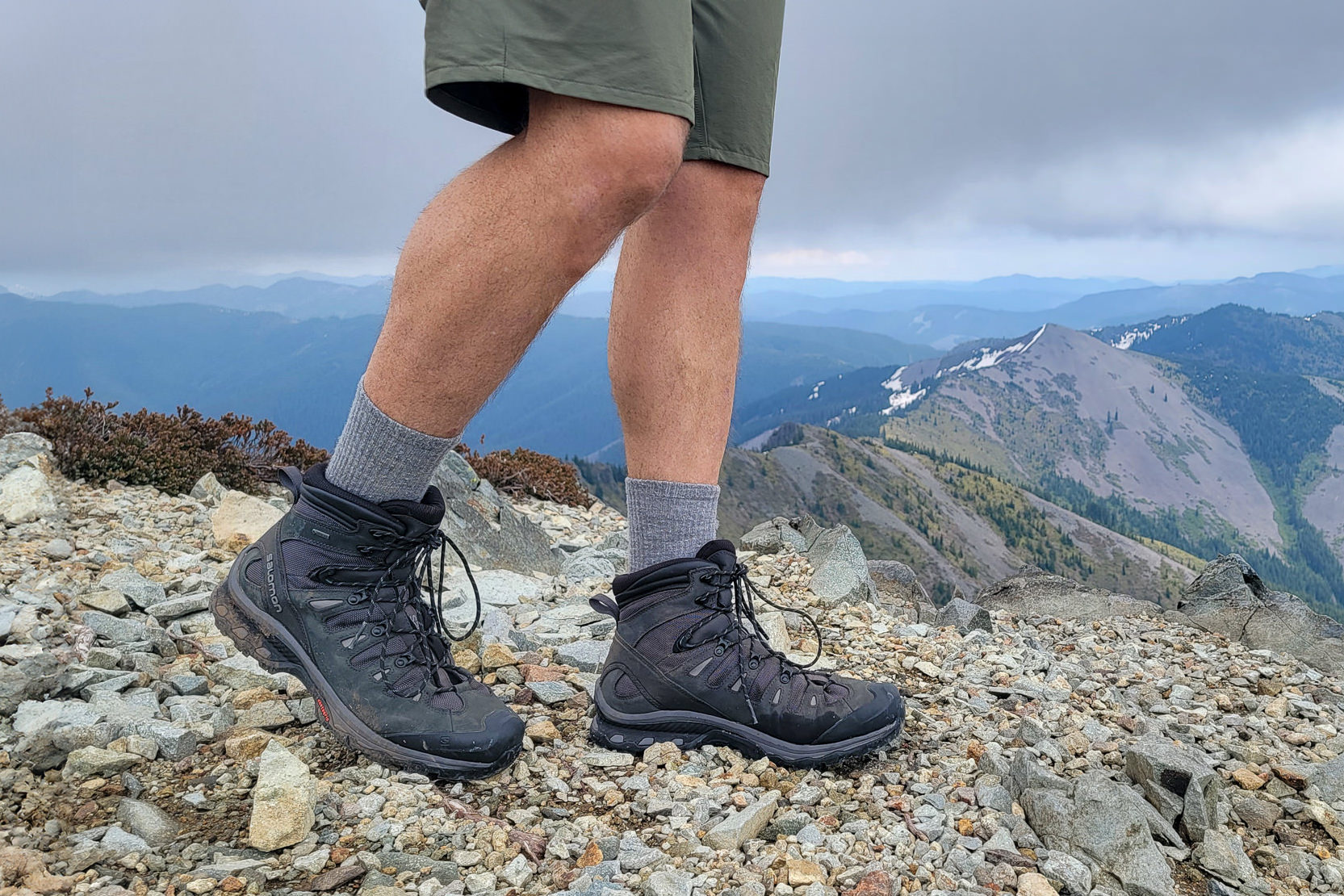 products you'll need”
style=”max-width: 100%; height: auto; border: 2px solid black; border-radius: 10px; display: block; margin: 0 auto;”
loading=”lazy”
/>
Materials, tools, and products you'll need
Assemble tools before you start. These items cover most boot types.
Essential items
- Soft brush and damp cloth for cleaning.
- Leather conditioner or mink oil in small amounts.
- Suede brush and eraser for suede boots.
- Shoe/boot stretcher with attachments.
- Thick socks and comfortable indoor space for walking.
- Hairdryer or clothing steamer on low setting.
- Thin replacement insoles or flexible insoles.
- Waterproofing spray for finished care.
Optional professional tools
- Cobbler services for lasting stretch and sole work.
- Heat gun only for pros (high risk of damage).
- Boot trees to maintain shape after treatment.
Having the right tools makes how to make boots more flexible for walking safer and faster. Don’t improvise with harsh chemicals or extreme heat.
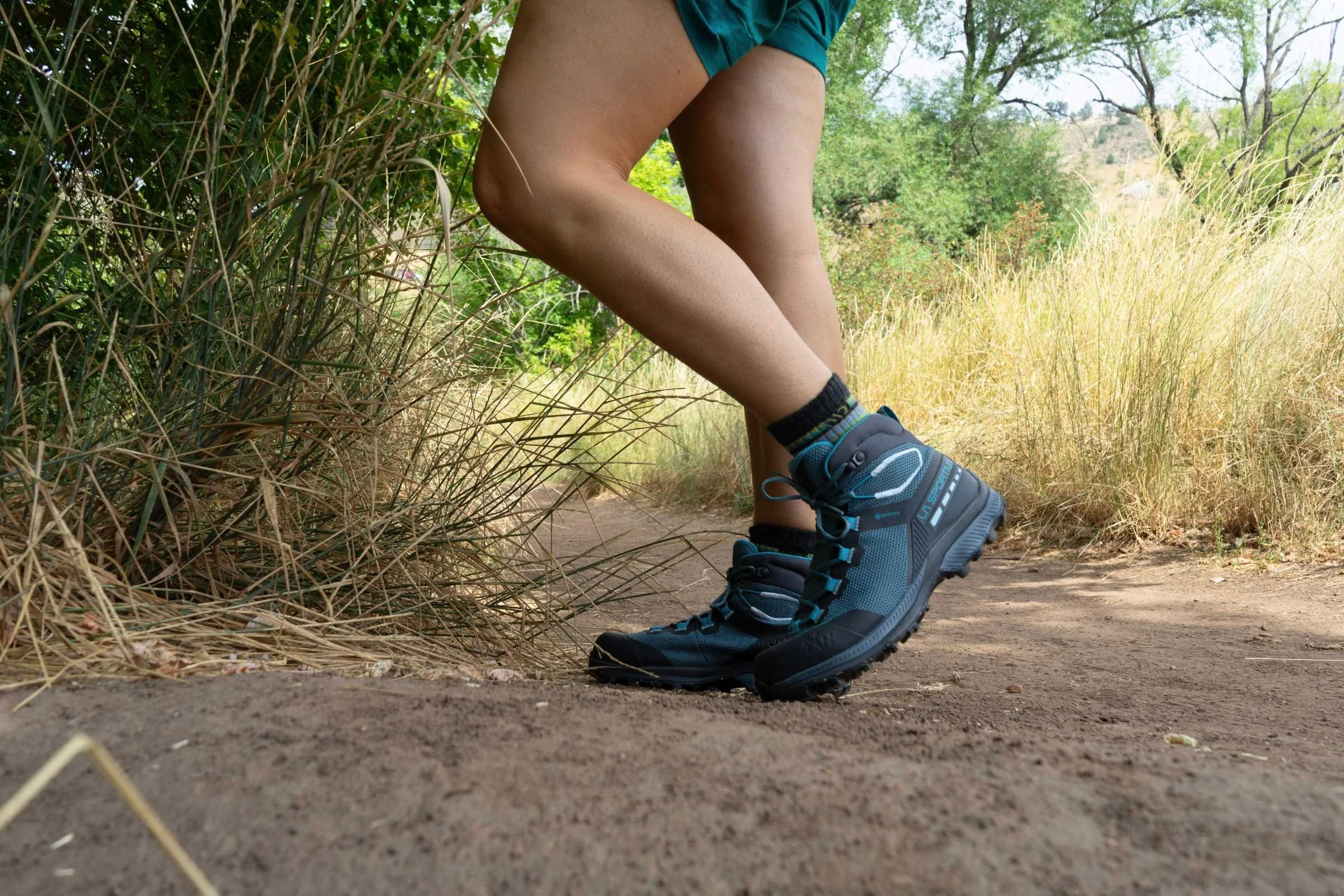
Safety, risks, and limitations
Softening boots helps comfort, but there are risks to avoid.
Common risks
- Over-oiling leather can darken it, weaken seams, and shorten life.
- Excess heat can delaminate soles or melt adhesives.
- Aggressive stretching can tear lining or break stitching.
- Waterproof membranes may lose function if over-conditioned or punctured.
When methods won’t work
- Some stiff soles are designed for support and shouldn’t be softened.
- Boots with glued construction may separate if heated too much.
- Vintage or delicate leather needs professional care.
Best practices to reduce risk
- Test products on an inconspicuous spot.
- Use low heat and short bursts.
- Stretch gradually and inspect seams often.
- Keep manufacturer warranty in mind before making modifications.
Understanding these limits keeps your efforts to make boots more flexible for walking effective and safe.

Maintenance habits to keep boots flexible and walk-ready
Regular care prevents boots from stiffening again.
Routine care
- Clean dirt off after each use with a brush or cloth.
- Condition leather every 3–6 months, more in dry climates.
- Use waterproofing sprays as recommended for the boot type.
- Store boots on boot trees or loosely stuffed to keep shape.
Seasonal care
- In winter, dry wet boots slowly away from direct heat.
- Recondition after salt exposure and deep cleaning.
- Rotate boots to let materials rest and recover.
These easy habits make it much easier to maintain flexibility and comfort when walking.

Personal experience: lessons learned and realistic expectations
I’ve fitted hikers, fixed work boots, and tested dozens of methods over the years. From my work:
- Conditioning new leather with a light oil then wearing them short periods worked best for hiking boots.
- Using a boot stretcher saved a client’s boots that pinched at the toes without harming the upper.
- Overdoing heat once caused a sole to separate — I now avoid heat guns for consumer use.
Common mistakes I’ve seen
- Slathering too much oil, which darkened and softened leather too much.
- Trying to force rigid soles to bend — sometimes replacement is the only fix.
- Ignoring lacing and insoles, which often solve comfort without altering the boot.
Be patient. The best results come from slow, repeated steps when you want to know how to make boots more flexible for walking.
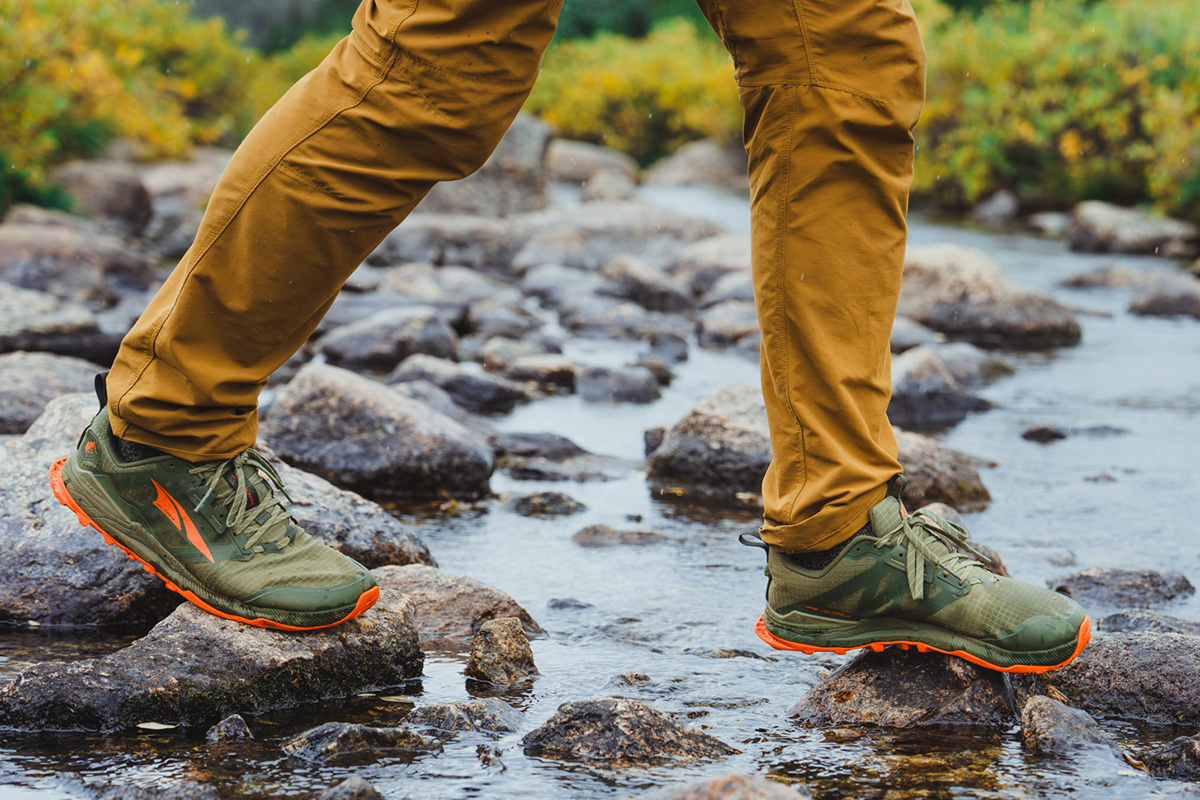
When to see a professional or replace the boots
Professional help makes sense when DIY risks are high.
See a cobbler if
- You need significant length or width stretch.
- Soles or seams are damaged after treatments.
- The boot has a waterproof membrane needing careful repair.
Replace the boots if
- Soles are worn through, causing foot pain.
- The structure is irreversibly rigid and limits your gait.
- Repairs cost more than a good-quality new pair.
A cobbler can often make boots walk-ready without damaging the build. When in doubt, professional advice prevents costly mistakes.
Frequently Asked Questions of how to make boots more flexible for walking
How long does it take to break in leather boots?
Most leather boots need 1–2 weeks of gradual wear to become comfortable. Conditioning and short daily walks speed the process safely.
Can I use a hairdryer on my boots to soften them?
You can use a hairdryer on low for short bursts while bending the boot by hand. Avoid high heat and keep the dryer moving to prevent damage.
Will oiling my boots ruin the waterproofing?
Excess oil can reduce breathability and alter waterproof membranes. Use recommended conditioners sparingly and re-apply waterproofing afterward if needed.
Are boot stretchers safe for expensive boots?
Yes, professional-grade stretchers are safe when used correctly and are often recommended for costly boots. Start with small adjustments and inspect the boot as you go.
What if the sole needs to bend more for walking?
If the sole is too stiff, consult a cobbler. They can replace or resole with a more flexible option or modify the sole to improve flex.
Can I stretch boots at home without tools?
You can wear thick socks and walk, or use warm steam and hand-flexing for mild stretches. For targeted or large stretches, tools or a cobbler are better.
Conclusion
Making boots more flexible for walking is a mix of the right tools, gentle heat or conditioning, and gradual wear. Follow safe methods for your boot material, test products on small areas, and increase your walking time slowly. If you run into stubborn stiffness or structural limits, seek a cobbler rather than pushing the boot beyond its design.
Try one careful method this week: clean, condition lightly, wear with thick socks for short walks, and note the change. Share your results or ask a question below, and consider subscribing for more practical footwear tips.

Rubel Miah is the Senior Editor at MyStyleGrid.com, where he brings a sharp editorial eye and an unshakable love for fashion to everything he does. A true style addict, Rubel lives and breathes trends, from streetwear to high fashion, and has a knack for turning inspiration into impactful stories. With years of experience in fashion journalism and digital media, he curates content that empowers readers to express themselves through style. When he’s not editing features or forecasting the next big thing, you’ll find him hunting down vintage pieces or capturing street style moments around the city.