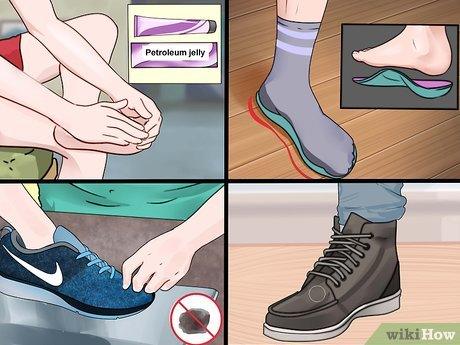
Wear well-fitting socks, break new sneakers in slowly, and protect hot spots with tape.
I’ve helped hundreds of people avoid sore feet, and I know exactly how to prevent blisters when wearing new sneakers. This guide combines clear science, tested tricks, and real-world experience so you can wear new shoes confidently — whether you’re running, hiking, or just walking around town. Read on for step-by-step tips, quick fixes, and mistakes to avoid.

Why new sneakers cause blisters
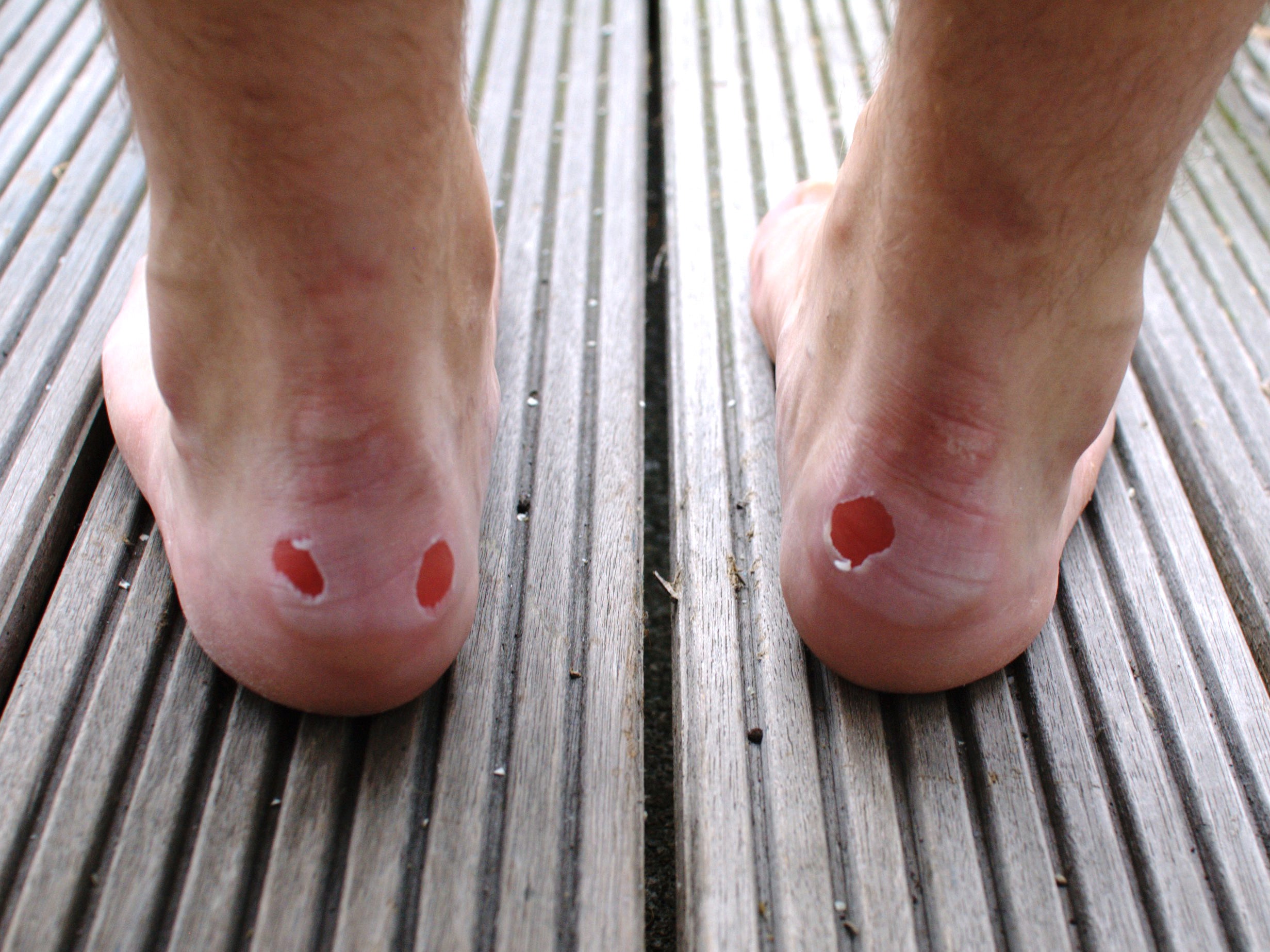
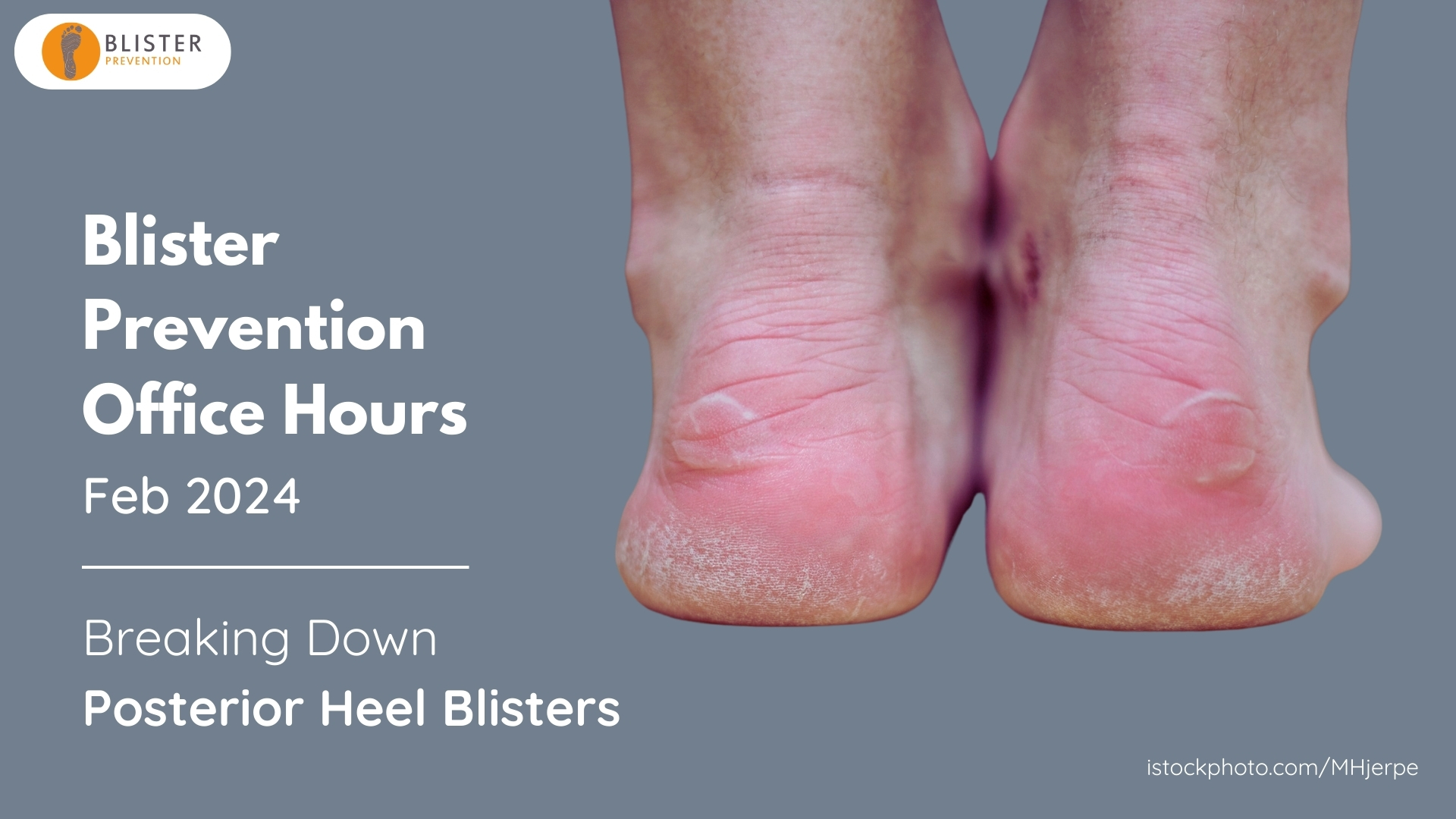
Blisters form when skin repeatedly rubs against a surface. Friction plus heat and moisture weakens the top skin layer, creating a fluid pocket. New sneakers often have stiff materials, unbroken seams, or poor fit that increase rubbing.
Common causes:
- Too-tight or too-loose fit that moves the foot back and forth.
- Stiff heel counters or seams that press on the same spot.
- Sweaty feet that soften skin and increase friction.
- Wrong socks that bunch or slide inside shoes.
Understanding these causes helps you prevent blisters when wearing new sneakers by targeting fit, friction, and moisture from day one.
Before you buy: fit, materials, and quick checks
Choosing the right pair can prevent blisters before they start. Try shoes in the late afternoon when feet are slightly swollen. Walk for 10 minutes in the store or around your house to feel any hotspots.
What to check:
- Toe space: one thumb’s width from longest toe to front.
- Heel hold: firm but not pinching; no slipping when walking.
- Width: shoe should hug the midfoot without squishing.
- Materials: soft fabrics and seamless linings reduce friction.
I once ignored a small seam and wore a new pair for a full day. I ended with a painful blister and a lesson: test everything before committing.
Sock choices and foot prep
Socks matter as much as shoes. The best socks wick moisture and reduce friction. Avoid cotton for active use because it holds sweat.
Best sock options:
- Synthetic blends or merino wool for wicking and cushioning.
- Thin liner socks under thicker socks to reduce shear.
- Padded socks for areas that need extra cushion.
Foot prep tips:
- Keep nails trimmed to avoid pressure points.
- Use antiperspirant on the feet when you expect heavy sweating.
- Apply a thin layer of foot powder to reduce moisture.
These steps make a big difference in how to prevent blisters when wearing new sneakers by reducing the two key causes: friction and moisture.

Break-in strategies that work
Breaking in new sneakers slowly helps the materials soften and conform to your foot. Don’t try to break them in on a long hike or race day.
Safe break-in plan:
- Wear 1–2 hours the first day, then add 30–60 minutes each day.
- Use thicker socks for early sessions to lower friction.
- Walk on flat ground before trying hills or long distances.
- Consider in-store heat molding or professional stretching for tight spots.
From my experience, gradual wear plus attention to hotspots prevents most painful surprises and teaches you how to prevent blisters when wearing new sneakers.
Lacing and fitting tricks to stop slipping
Small tweaks to lacing can lock the foot in place and stop rubbing. A secure foot reduces movement that causes blisters.
Useful lacing methods:
- Heel-lock (runner’s loop): keeps heel from slipping without tightening the whole shoe.
- Wide-toe-lacing: slightly looser across the toe box to avoid pressure.
- Skip-lacing: omit one eyelet where a seam presses on the foot.
Try different lacing patterns during short wear sessions. These simple changes often solve blister problems without changing shoes.

On-the-day measures and quick fixes
If you must wear new sneakers for a long day, use quick prevention tools. These work when you don’t have time for a full break-in.
Carry these with you:
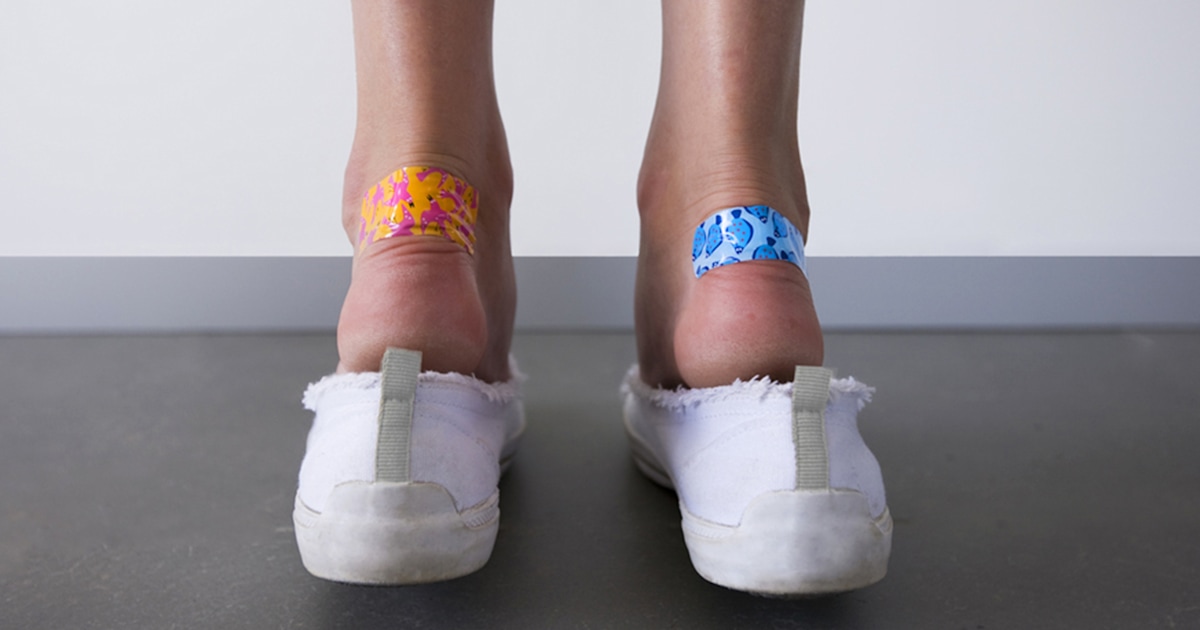
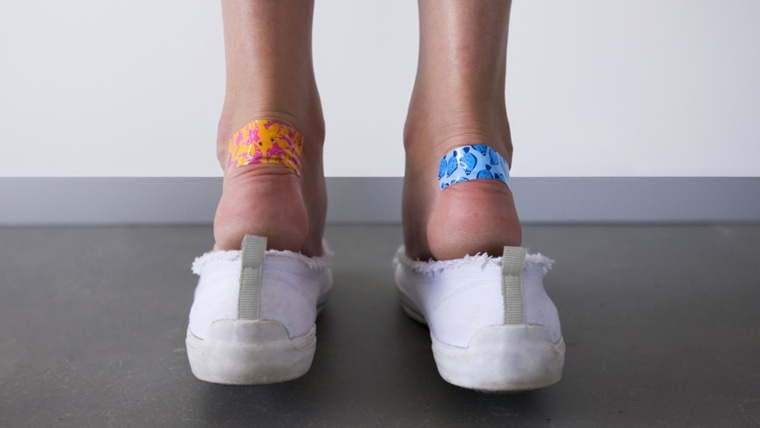
- Moleskin or blister tape to pre-cover known hotspots.
- Hydrocolloid blister patches for protection if a blister starts.
- Lubricant balms to reduce friction on problem zones.
- Double-layer socks to minimize shear.
Apply tape or patches before you feel pain. That proactive step is one of the best ways to prevent blisters when wearing new sneakers.
Treating a blister safely and when to seek help
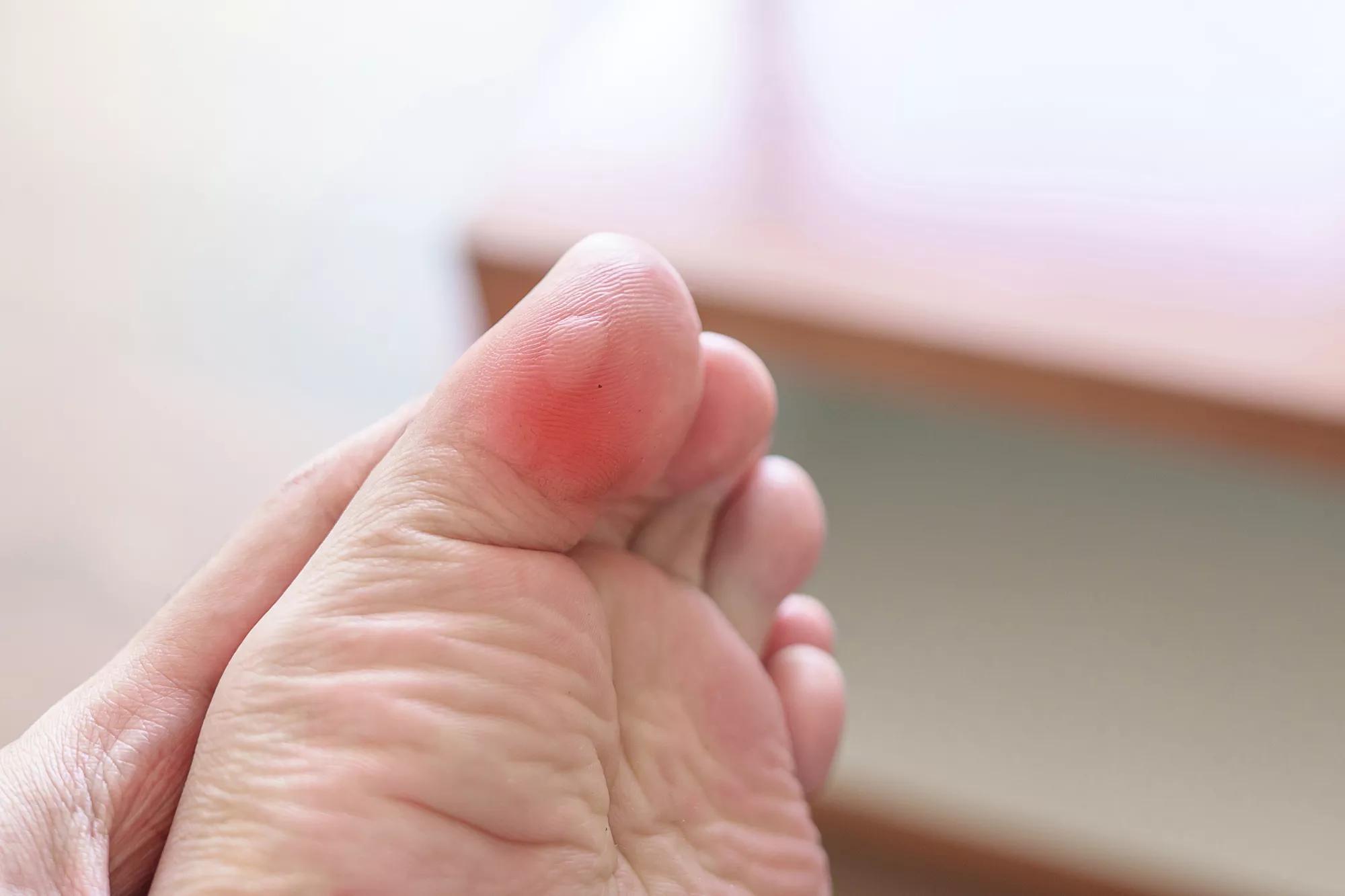
If a blister forms, treat it carefully to avoid infection and speed healing.
Treatment steps:
- Clean the area gently and cover with a sterile patch or bandage.
- For painful large blisters, drain with a sterilized needle and cover with a sterile dressing.
- Keep pressure off the area and avoid popping small blisters.
Seek medical help if you see redness, warmth, pus, or if you have diabetes or circulation problems. Proper care stops a small blister from becoming a serious issue.
Activity-specific tips: running, hiking, and everyday wear
Different activities create different blister risks. Tailor prevention to what you do.
Running:
- Use snug-fitting running shoes with good heel lock.
- Wear moisture-wicking socks and test them on short runs.
- Apply lubricant on common hotspots before runs.
Hiking:
- Break in boots and sneakers on light hikes before multi-day trips.
- Use thicker, cushioned socks and consider gaiters to keep out debris.
- Reapply powdered antiperspirant at camp if feet sweat heavily.
Everyday wear:
- Alternate shoes daily to let liners dry out.
- Use cushioned insoles for hard surfaces.
- Address hotspots immediately with tape or patches.
These targeted steps teach you how to prevent blisters when wearing new sneakers in the situations that matter most.
Personal lessons and common mistakes
I’ve tested shoes in stores, on runs, and on long trips. A few lessons I learned:
- Mistake: assuming new sneakers will fit like old ones. Shoe shape can change between models.
- Mistake: ignoring small friction spots. They grow into big problems fast.
- Best tip: always carry a tiny blister kit. It saved me during a full-day event.
Be proactive. Simple actions early prevent looming pain and ruined plans.