Leave shoe stretchers in shoes for 4–24 hours, with brief checks and longer holds for stubborn leather.
I’ve spent years working with shoemaking tools and testing stretchers on leather, suede, canvas, and synthetics. In this guide I’ll explain exactly how long to leave shoe stretchers in shoes, why times vary, and safe step-by-step methods to get a perfect fit without damage. Read on to learn practical tips, real-world lessons, and clear timing rules you can trust.
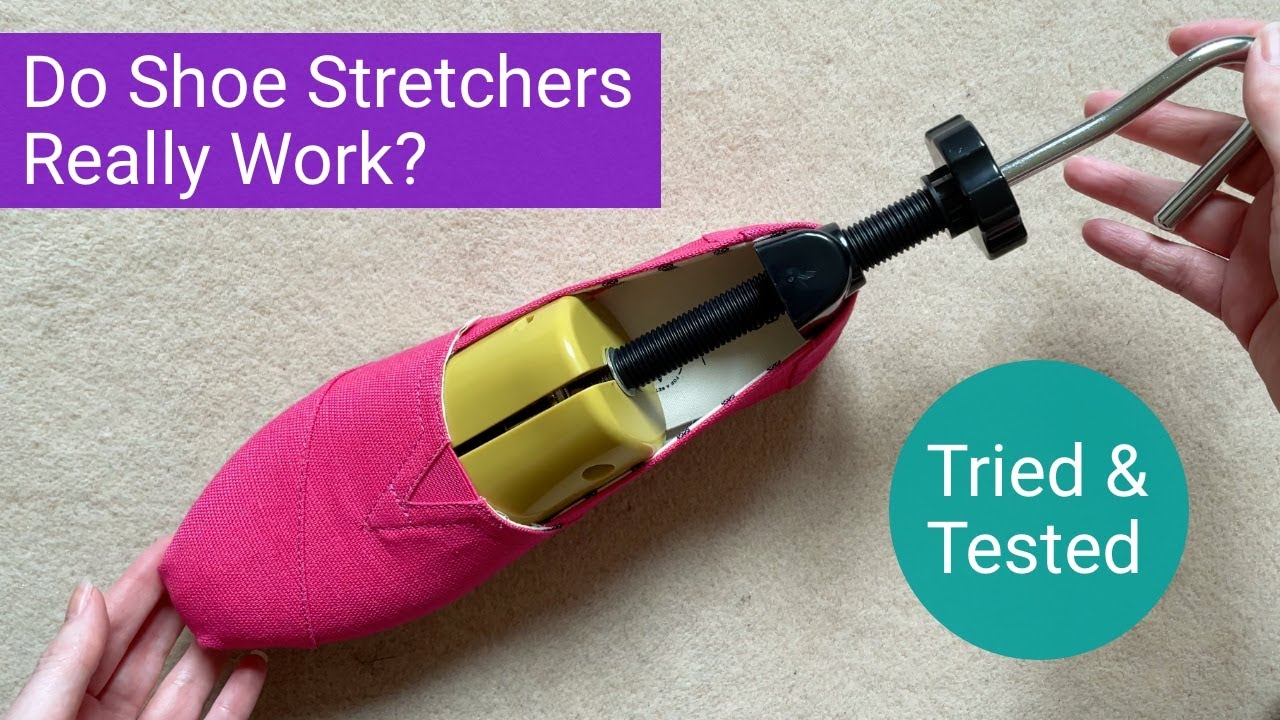
How shoe stretchers work and why timing matters
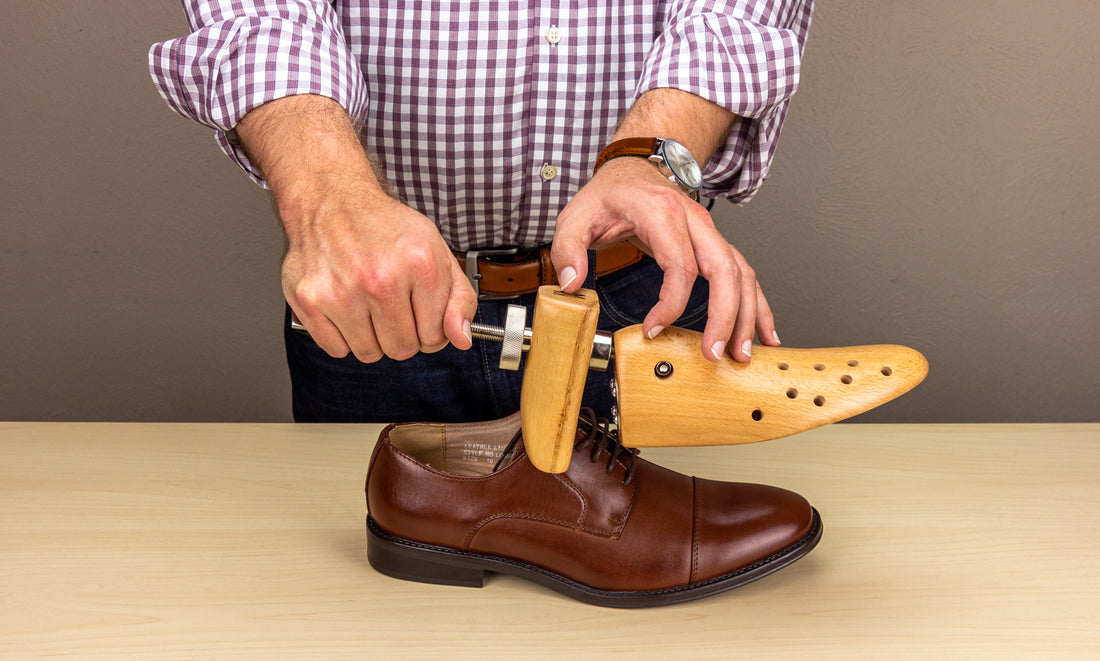
A shoe stretcher pushes against the inside of a shoe to widen or lengthen key areas. Stretchers act slowly. Materials relax and reshape over time. Heat, moisture, and pressure speed the process. Leather and suede respond differently than canvas or synthetics.
Knowing how long to leave shoe stretchers in shoes matters because over-stretching can warp shape, while under-stretching leaves discomfort. A good timing plan lets you change fit in safe stages. I’ll walk you through ranges, checks, and recovery methods so you avoid costly mistakes.
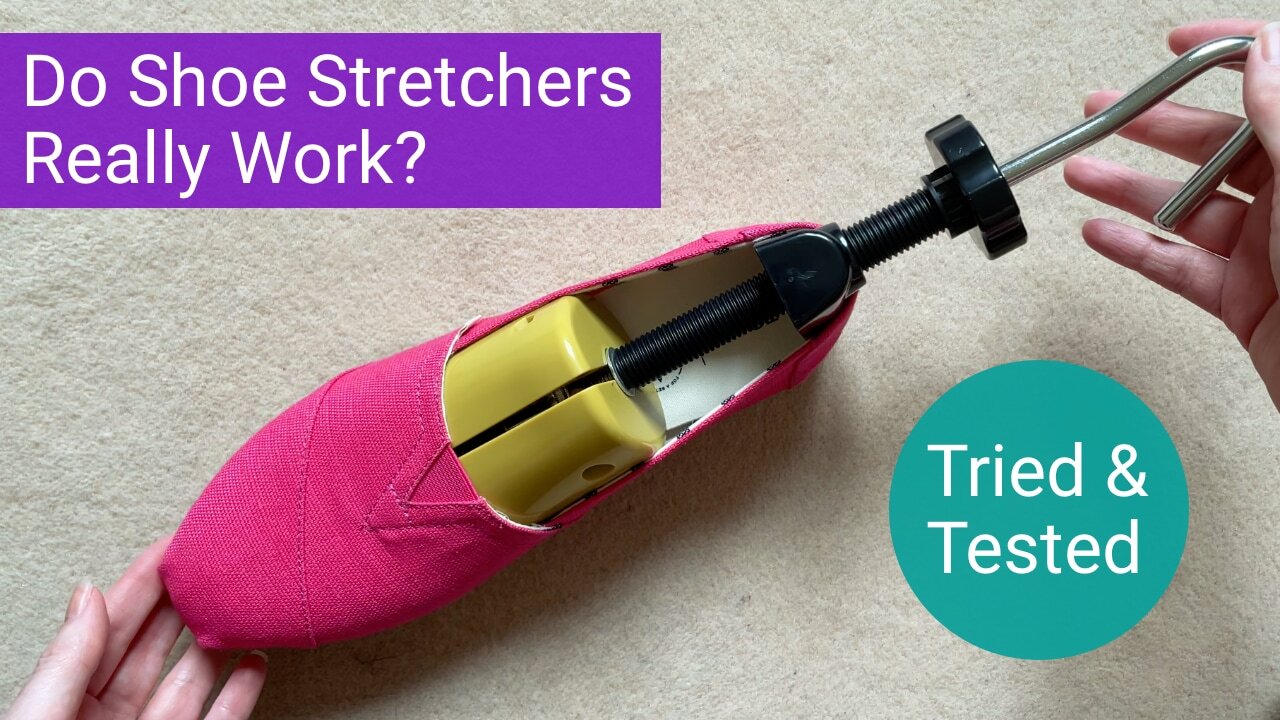
How long to leave shoe stretchers in shoes: a practical timing guide
These ranges are safe starting points. They work for most shoes and most stretchers. Always test gently first.
-
Short boost: 1 to 3 hours
- Use this when you need a small width fix or to break in a snug area.
- Good for canvas or light synthetics.
-
Moderate stretch: 6 to 12 hours
- Typical overnight period for most leather dress shoes and many casual shoes.
- Most people leave stretchers overnight for a comfortable result.
-
Deep stretch: 24 to 48 hours
- Use for stubborn leather, boots, or when adding half-size width.
- Check every 12 hours to avoid over-stretching.
-
Maximum safe hold: up to 72 hours (rare)
- Reserved for very stiff materials or specialized boot stretchers.
- Only try with slow, incremental increases and professional guidance.
How long to leave shoe stretchers in shoes depends on material, the extent of stretch needed, and whether you use heat or spray. Leather will often need at least one overnight session. Canvas may soften much faster. Synthetic materials sometimes resist and can be damaged by overlong pressure.

Factors that change stretching time
Material type
- Leather — slow, responds well to moisture and heat; needs longer holds.
- Suede — gentle and porous; shorter holds and careful handling.
- Canvas — quick to stretch; short sessions often suffice.
- Synthetic — variable; test cautiously to avoid damage.
Stretch goal
- Slight width increase — short sessions.
- Significant width or length change — multiple long sessions.
Tool type
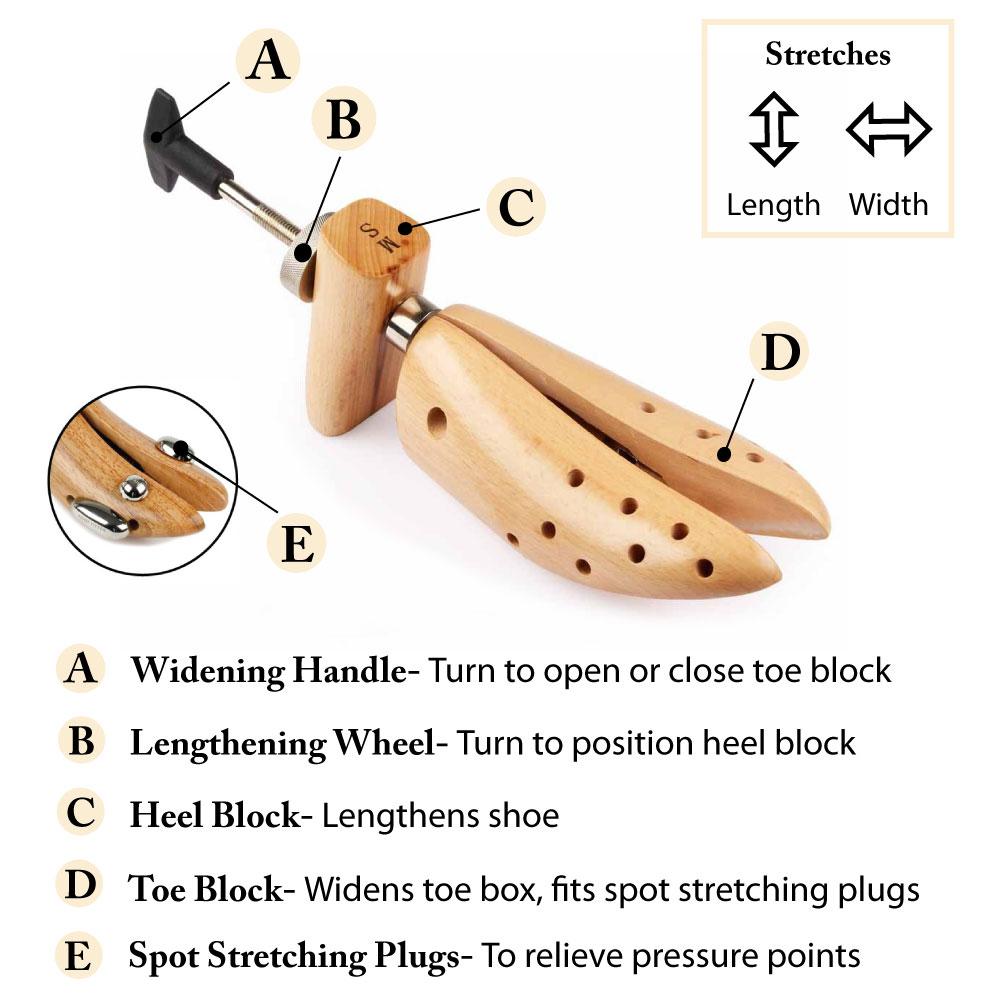
- Single-axis stretchers widen the ball and waist.
- Toe or bunion plugs target pressure points and often need shorter holds.
- Boot stretchers apply more force and need slower increases.
Environmental aids
- Heat from a hair dryer or a warm room helps leather relax.
- Stretching sprays or leather conditioners speed and soften stretching.
- Always use low heat and small amounts of spray.
User checks
- Check shoes every 1–3 hours for short sessions.
- For overnight or longer holds, inspect at 12-hour intervals.
- Look for visible warping, creases, or weakened stitching.
How long to leave shoe stretchers in shoes will change when these factors change. Your checks are the most reliable safety net.
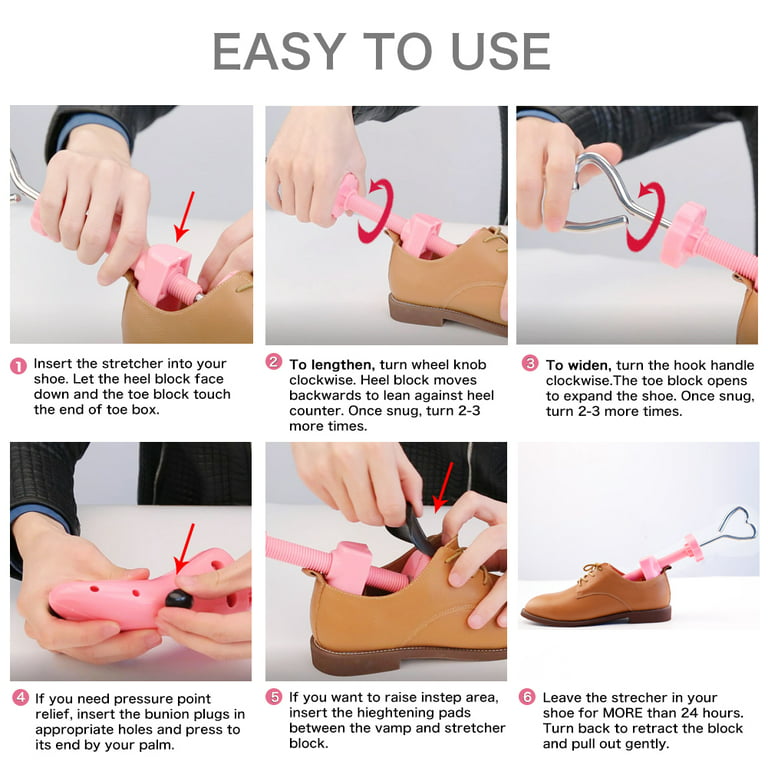
Step-by-step: safe stretching routine
Follow these steps to stretch smartly.
-
Inspect shoes and stretcher.
- Look for weak seams or cracks.
- Choose the right stretcher size.
-
Prep the shoe.
- Clean the interior lightly.
- Apply a small amount of leather conditioner or stretching spray where needed.
-
Insert the stretcher and set increments.
- Start small — a quarter turn or 1 click on the adjuster.
- Note the time you set it.
-
First session: short check.
- Leave for 1–3 hours for the first pass.
- Remove and try the shoe on with a sock.
-
Follow-up sessions.
- Repeat with longer holds: 6–12 hours, then 24 hours if needed.
- Small gains add up. Stop when fit is comfortable.
-
Final care.
- Condition leather after stretching to restore oils.
- Let shoes rest off the stretcher for 24 hours before heavy use.
I often use two short sessions and then an overnight hold. In my tests this approach reduces risk and yields consistent comfort. It also lets you avoid the temptation to leave a stretcher in too long.
Type-specific timing and tips
Leather dress shoes
- Typical time: 8–12 hours for moderate changes.
- Tip: Use a bit of heat and leather conditioner. Check every 6–8 hours.
Suede shoes
- Typical time: 4–8 hours for light stretches.
- Tip: Avoid over-wetting. Brush nap after stretching.
Canvas trainers
- Typical time: 1–3 hours for slight width increases; up to 6 hours for larger changes.
- Tip: Canvas stretches quickly; test early.
Synthetic shoes
- Typical time: 1–24 hours depending on quality.
- Tip: Test a single hour first. Some synthetics won’t hold shape well.
Boots and work shoes
- Typical time: 24–48 hours for meaningful width gains.
- Tip: Stretch slowly. Boots can warp more easily than shoes.
Bunion or toe plugs
- Typical time: 1–8 hours per session.
- Tip: Use short, frequent sessions and check comfort.
How long to leave shoe stretchers in shoes varies by type. Always adjust by material and check often.
Common mistakes and how to avoid them
-
Leaving stretchers in too long
- Risk: warped shape, loose stitching, flattened toe box.
- Fix: Use staged sessions and check every few hours.
-
Over-tightening in one pass
- Risk: sudden stress, cracks in leather.
- Fix: Increase in small increments across multiple sessions.
-
Using water excessively
- Risk: leather shrinkage or damage, color runs.
- Fix: Use specialized sprays sparingly and condition afterward.
-
Skipping conditioning
- Risk: dry leather that cracks later.
- Fix: Always apply a light conditioner after significant stretching.
From experience, the biggest error is impatience. Stretch a little. Wait. Stretch again. That keeps shoes healthy and fit.

When to stop stretching and when to see a pro
Stop stretching when:
- The shoe feels comfortable with movement.
- You reach the planned width or length.
- The structure shows signs of stress.
See a cobbler when:
- You need a half-size or more change.
- The shoe has delicate or ornate work.
- You're unsure about the material or all-home methods failed.
A pro can use tools or techniques that are safer for costly or vintage shoes. If in doubt, pause and ask for help.

Quick PAA-style questions
What is the safest single session length?
- For most shoes, 6–12 hours is safe for a noticeable change without damage.
Can you leave a shoe stretcher in overnight?
- Yes. Overnight holds of 8–12 hours are common for leather and casual shoes.
Will stretching ruin leather?
- Not if you use staged increments, heat or spray cautiously, and condition the leather afterward.
Does stretching change shoe length?
- Some stretchers can add small length gains, but most widen the shoe more than they lengthen it.
Are wooden stretchers better than plastic?
- Wooden stretchers hold shape and absorb moisture, making them ideal for leather. Plastic is lighter and cheaper.

Frequently Asked Questions of how long to leave shoe stretchers in shoes
How long should I leave a shoe stretcher in leather dress shoes?
Leave most leather dress shoes for 8–12 hours for moderate stretching. Check at 6–8 hours and repeat if needed.
Can I leave a stretcher in shoes overnight every night?
No. Repeated overnight holds without checks can distort shape. Use staged sessions and rest periods between stretches.
Is 24 hours too long to leave a shoe stretcher in shoes?
24 hours is safe for stubborn leather or boots when done slowly, but check at 12 hours to avoid damage. Avoid repeating long holds without inspection.
How often should I check shoes while stretching?
Check every 1–3 hours during short sessions and at least every 12 hours for long holds. Frequent checks prevent over-stretching.
Will stretching make my shoes wider permanently?
Stretching can make shoes wider long-term, especially leather if you condition it after. Some shoes may return slightly over time, so monitor fit.
Can I use heat to speed up stretching?
Yes, mild heat helps leather relax, but keep it low and move the heat around. High heat can dry or crack leather.
Should I use stretching spray and leave the stretcher longer?
Stretching spray shortens the time needed, but you should still follow staged holds and check the shoe periodically. Use spray sparingly.
Conclusion
You can get reliable, lasting comfort by following simple timing rules and checking often. Start small, use staged sessions of 1–3 hours, progress to overnight holds of 8–12 hours, and reserve 24–48 hours only for tough, stiff shoes. Protect leather with conditioner and avoid rushing the process. Try the steps here on a safe pair first, then move to your favorite shoes. If you found this useful, leave a comment with the shoe type you’re working on or subscribe for more hands-on shoe care tips.

Rubel Miah is the Senior Editor at MyStyleGrid.com, where he brings a sharp editorial eye and an unshakable love for fashion to everything he does. A true style addict, Rubel lives and breathes trends, from streetwear to high fashion, and has a knack for turning inspiration into impactful stories. With years of experience in fashion journalism and digital media, he curates content that empowers readers to express themselves through style. When he’s not editing features or forecasting the next big thing, you’ll find him hunting down vintage pieces or capturing street style moments around the city.