Barefoot shoes can help some people with neuropathy, but benefits vary and require care.
I’ve worked with patients and tried minimalist footwear myself, so I know why people ask, are barefoot shoes good for neuropathy. This article breaks the question into plain facts, real-world tips, and safe steps you can take right now. You’ll get clear guidance on benefits, risks, how to choose, and how to test barefoot shoes safely if you have neuropathy.

Are barefoot shoes good for neuropathy?
Short answer: many people with neuropathy see relief from better foot mechanics, but results depend on the cause and severity of nerve damage. If you ask “are barefoot shoes good for neuropathy,” the honest reply is: they can help, but they are not a cure.
People with mild sensory loss or early neuropathy may benefit most. People with severe numbness, foot deformities, or active ulcers may need more protection than barefoot shoes provide. The key is matching shoe choice to your specific needs, and working with a clinician.
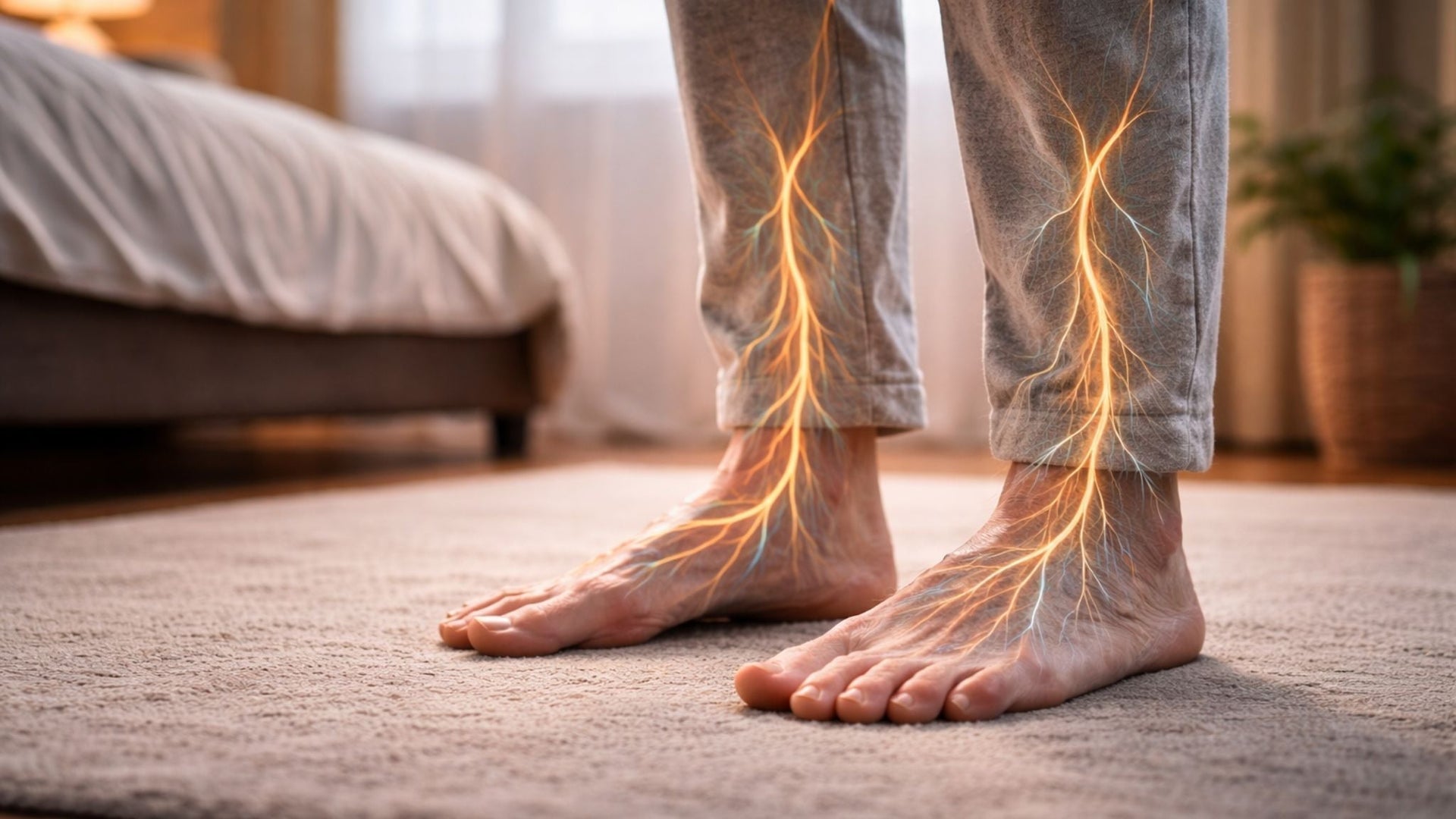
How barefoot shoes affect neuropathy
Barefoot shoes change how your foot hits the ground and how muscles and nerves fire. They usually have a thin, flexible sole, no heel lift, and a wide toe box. These features can:
- Improve foot muscle activation and balance by letting toes spread and ground feel return.
- Reduce joint strain by encouraging a more natural gait.
- Increase sensory input to the foot, which can help re-train nerves in some cases.
However, more sensory input can feel odd or painful if nerves are very sensitive. That’s why a careful, gradual approach matters when testing whether barefoot shoes are good for neuropathy for you.

Benefits of barefoot shoes for neuropathy
Many people report concrete improvements when switching to minimalist footwear. Key benefits include:
- Better foot strength and balance from natural motion.
- Improved posture and gait when heel-to-toe drop is reduced.
- Greater toe splay reduces pressure on certain foot areas.
- Enhanced proprioception because the foot senses the ground more.
These benefits can help people with mild to moderate neuropathy reduce falls and improve walking comfort. Still, the outcome depends on your health, foot shape, and neuropathy type.

Risks and limitations
Barefoot shoes are not risk-free. Know the downsides so you don’t make common mistakes.
- Higher risk of skin damage or ulcer if you have severe numbness and can’t feel cuts or pressure.
- Soreness or tendon strain if you switch too fast without strengthening.
- Not suitable for people with active foot ulcers, severe deformity, or poor circulation.
- May not offer enough shock protection for long walks on hard surfaces.
If you wonder “are barefoot shoes good for neuropathy” and your neuropathy is advanced, talk with your doctor or podiatrist first.

How to choose barefoot shoes for neuropathy
Choosing the right pair reduces risk and increases benefit. Look for these features:
- Wide toe box so toes can move and spread comfortably.
- Thin but protective sole that still gives a sense of ground.
- Flexible midsole and no elevated heel to encourage natural gait.
- Secure, adjustable closure to prevent slippage and friction.
- Removable insole to check fit and add a thin orthotic if needed.
Avoid ultra-minimal models with zero protective sole if you have any numb spots or thin skin. Also, choose sizes that leave room for swelling and socks.

How to transition safely
A slow and structured plan prevents injury and boosts success. Try this plan:
- Start by wearing barefoot shoes for 15–30 minutes at home for a few days.
- Add 10–15 minutes each day, move to short walks on soft surfaces.
- Include foot-strengthening exercises like toe curls and short barefoot standing.
- Monitor skin daily for redness, blisters, or pressure spots.
- Stop and seek care if you notice pain, new numb patches, or sores.
This stepwise plan helps you test whether barefoot shoes are good for neuropathy in your case without risking harm.

Evidence and research
Clinical studies and small trials show mixed results. Research suggests that increased sensory feedback and improved foot mechanics can help balance and gait. Other studies show no benefit, or risk if used without supervision in people with severe neuropathy.
That mixed picture is why healthcare pros emphasize personalized plans. If you are asking “are barefoot shoes good for neuropathy,” use evidence as a guide, but pair it with clinical advice and close monitoring.

Personal experience and practical tips
From working with clients and testing barefoot shoes myself, I learned a few things fast.
- Start slow. One client with early neuropathy regained steadier balance in six weeks using a gradual plan.
- Strength matters. Short foot exercises and calf stretches made the transition easier.
- Keep checking your feet. One small blister ignored can become a big problem if feeling is reduced.
- Use socks as a buffer at first. Thin, moisture-wicking socks reduce friction and help detect pressure.
If you try barefoot shoes, log how you feel each day. Note walking distance, soreness, and any skin change. That log helps you and your clinician decide if barefoot shoes are good for neuropathy in your situation.

Practical exercises to pair with barefoot shoes
Simple exercises boost benefits and protect your feet.
- Toe spreads: spread toes apart and hold 5 seconds, repeat 10 times.
- Short foot: lift arch without curling toes, hold 5 seconds, repeat 10 times.
- Single-leg stands: hold for 20–30 seconds, use support if needed.
- Ankle circles: 10 each direction to keep joints mobile.
Perform exercises three times a week as part of a gradual transition plan.
Frequently Asked Questions of are barefoot shoes good for neuropathy
Are barefoot shoes good for neuropathy for everyone?
No. Barefoot shoes can help people with mild neuropathy, but they can be unsafe for those with severe numbness, ulcers, or poor blood flow.
How long does it take to see benefits?
Some people notice better balance in 4–8 weeks with gradual use and exercises, while others may not see change or may need different footwear.
Can barefoot shoes cause more pain?
Yes. If the nerves are sensitive or if you transition too fast, barefoot shoes can increase pain or strain tendons and muscles.
Should I use orthotics with barefoot shoes?
You can use thin orthotics if you need extra support. Thicker orthotics may reduce the natural benefits of barefoot shoes.
When should I see a clinician before trying barefoot shoes?
See a clinician if you have severe numbness, foot ulcers, poor circulation, diabetes complications, or a history of foot wounds.
Conclusion
Barefoot shoes can be a helpful tool for some people with neuropathy by improving balance, foot strength, and sensory feedback. They are not a universal fix and can be risky for people with severe numbness or foot wounds. Start slowly, pair shoes with foot exercises, and work with a clinician to protect your feet. If you’re curious, try a cautious trial, track your results, and adjust based on how your feet respond. Share your experience or questions below, and consider subscribing for more guides on foot health and safe footwear choices.

Rubel Miah is the Senior Editor at MyStyleGrid.com, where he brings a sharp editorial eye and an unshakable love for fashion to everything he does. A true style addict, Rubel lives and breathes trends, from streetwear to high fashion, and has a knack for turning inspiration into impactful stories. With years of experience in fashion journalism and digital media, he curates content that empowers readers to express themselves through style. When he’s not editing features or forecasting the next big thing, you’ll find him hunting down vintage pieces or capturing street style moments around the city.