Trail running shoes can be good for hiking in many situations, but it depends on terrain and needs.
I’ve tested trail running shoes on long day hikes, fastpack trips, and steep ridgelines. I’ll explain when trail running shoes shine and when you should choose hiking boots instead. This guide draws on field experience, gear testing, and plain common sense to help you decide if are trail running shoes good for hiking fits your next adventure. Read on for clear rules, real tips, and practical shoe picks that make sense on the trail.
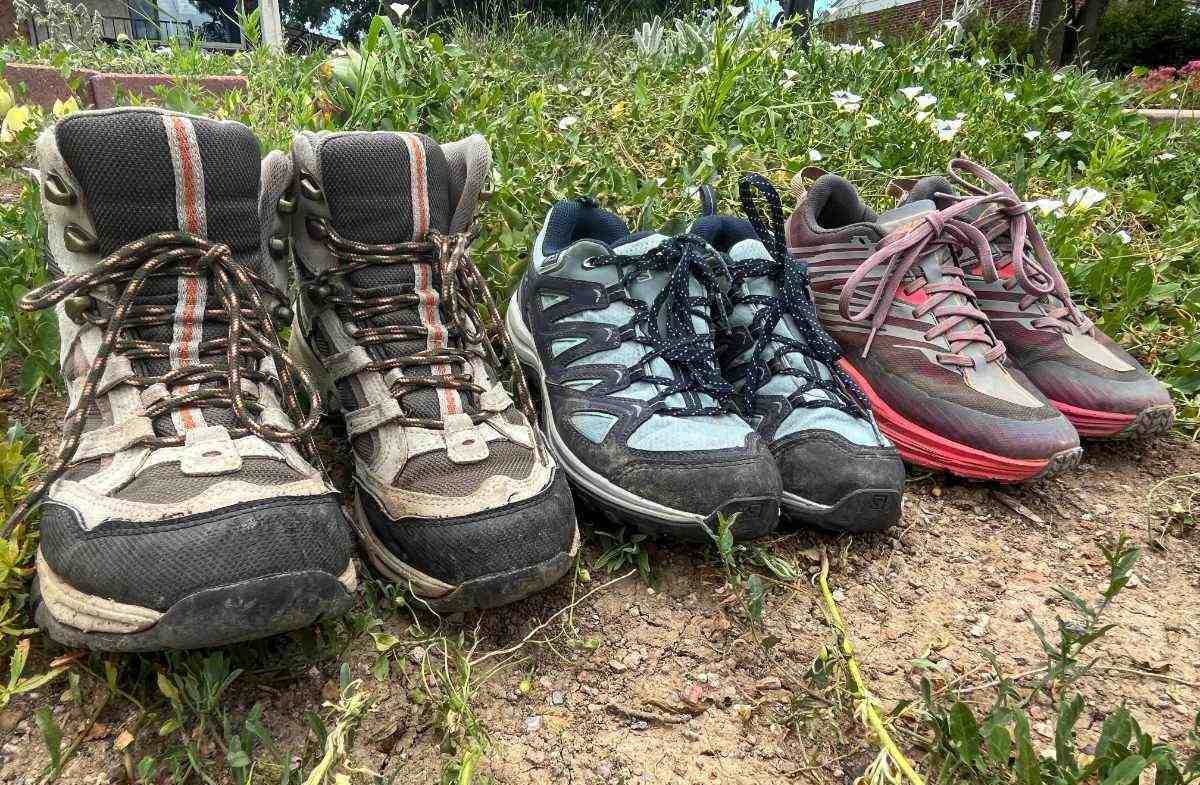
Why people ask "are trail running shoes good for hiking?"
The question shows up a lot. Hikers want comfort, grip, and safety. Trail running shoes promise light weight and speed. Hiking boots promise protection and support. Saying whether are trail running shoes good for hiking requires comparing the two. I’ll break that down by use, terrain, and load.
Trail running shoes blend features from road runners and hiking shoes. They have sticky rubber, lower weight, and quicker drying uppers. That makes them suitable for fast hikes and technical trails when you travel light. But they trade off ankle support and heavy-duty protection. This tradeoff is the heart of whether are trail running shoes good for hiking for you.

Pros of using trail running shoes for hiking
Trail running shoes offer many clear benefits. These strengths explain why are trail running shoes good for hiking for a lot of hikers.
- Lightweight and fast. You move less weight with every step. This reduces fatigue on long miles.
- Better breathability. Mesh uppers dry fast and keep feet cooler in warm weather.
- Superior traction on many surfaces. Aggressive lugs and sticky rubber work well on rock, dirt, and roots.
- Nimble fit. A snug fit reduces blisters and gives quick foot placement on technical sections.
- Versatile for mixed activities. Good for hikes that include running, scrambling, or quick summit pushes.
- Easier to pack. They take less room and weight in a backpack for multi-day treks.
These pros show why many hikers ask whether are trail running shoes good for hiking and often choose them for speed and comfort.
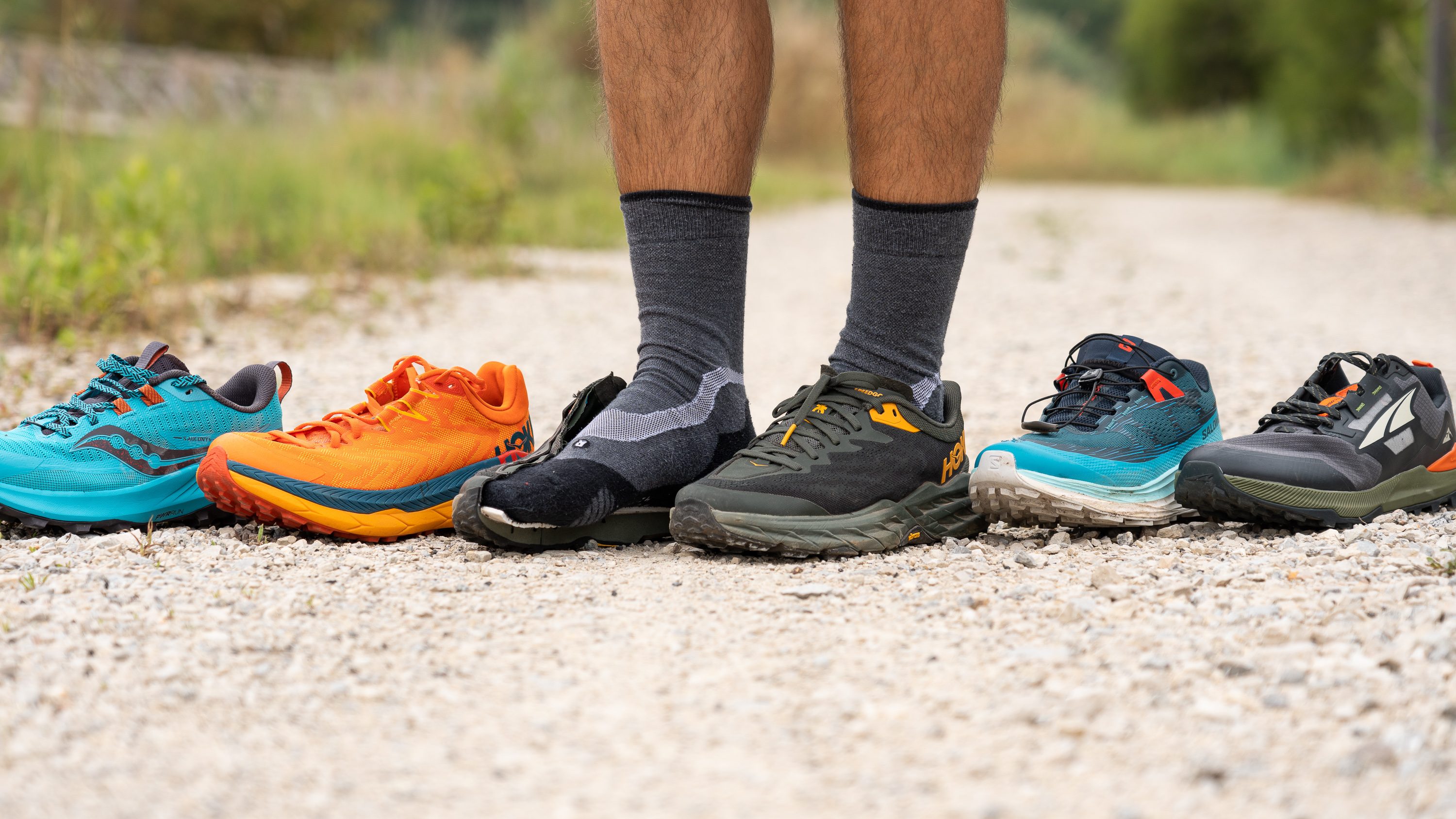
Limitations and risks of trail running shoes
Trail running shoes also have limits you must know. These explain when are trail running shoes good for hiking — and when they are not.
- Limited ankle support. They offer minimal cuff protection on steep or loose slopes.
- Less rock protection. Thin midsoles transmit impacts on sharp rock and scree.
- Durability varies. Some models wear faster under heavy loads or rough use.
- Less warmth and waterproofing. Breathable mesh can let water and cold in on wet hikes.
- Load capacity. Heavier packs and long carries stress the shoe and your feet more.
Know these limits before you decide are trail running shoes good for hiking for a particular trip.
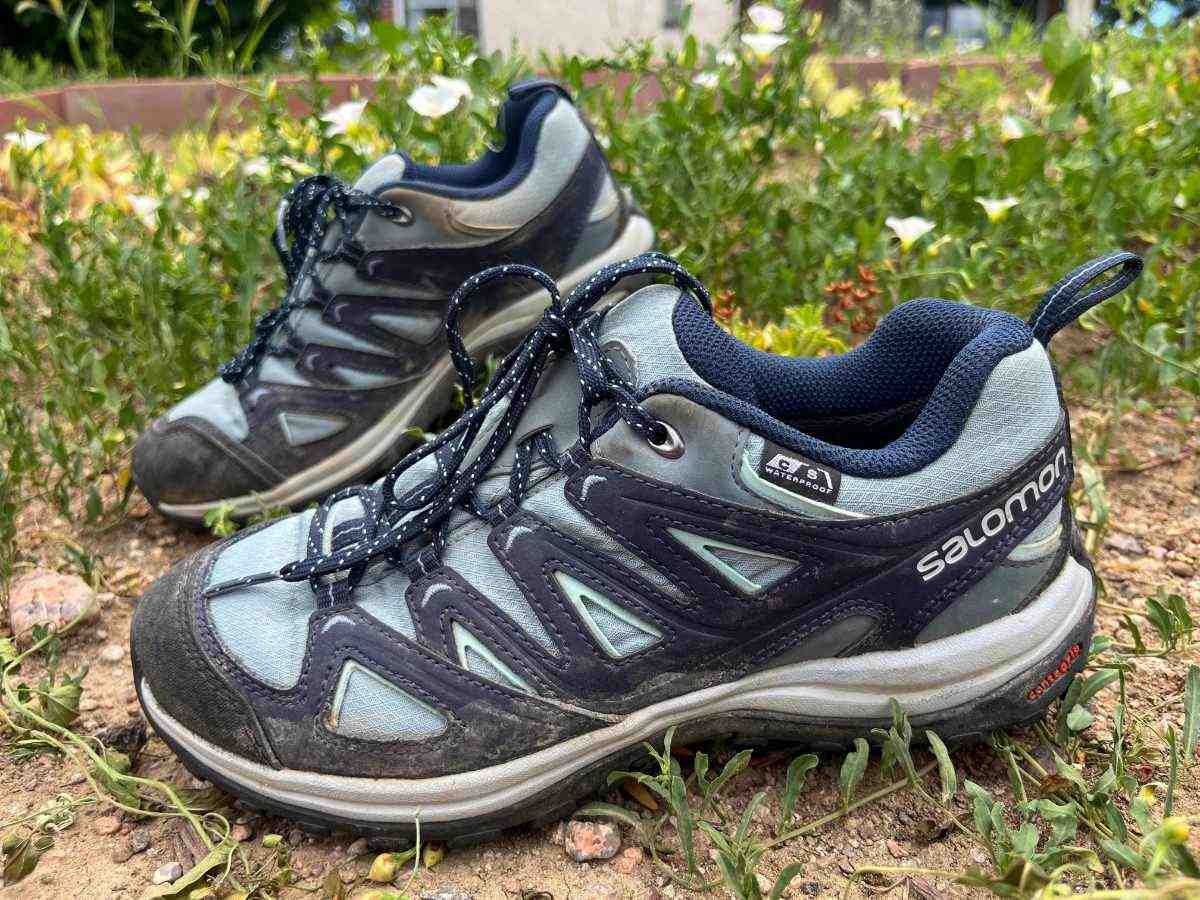
When are trail running shoes good for hiking? Best use cases
Trail running shoes excel in specific situations. These are places where are trail running shoes good for hiking in practical, real-world terms.
- Short to medium day hikes on well-formed trails. Light shoes speed you up and keep feet comfy.
- Fastpacking and ultralight trips. Weight savings add miles and reduce fatigue.
- Warm-weather hikes where breathability matters. Quick-drying uppers beat sweaty boots.
- Technical singletrack with moderate exposure. Sticky rubber helps with grip and balance.
- Hikes with river crossings. They drain and dry faster than boots.
If your route matches these points, are trail running shoes good for hiking and might be your best choice.

When are they not a good choice?
There are clear red flags. Avoid trail running shoes when these conditions apply.
- Long treks with heavy packs. You need ankle support and load-bearing midsoles.
- Very rocky, alpine talus, or steep scree. Rock protection and stiffness matter more.
- Cold, wet, or snowy conditions. Waterproof boots and insulation keep you safe.
- Remote places where foot injury is critical. Extra protection lowers risk.
- Extended off-trail travel through thick brush. Uppers may tear and let debris in.
If you face these hazards, the answer to are trail running shoes good for hiking is usually no.

How to choose trail running shoes for hiking
If you decide are trail running shoes good for hiking on your route, pick the right shoe. Use this checklist.
- Fit and toe room. Ensure a thumb’s width at the toe for downhill. Try with hiking socks.
- Midsole stiffness. Look for firmer midsoles for rocky terrain. Softer midsoles suit smoother trails.
- Outsole rubber and lug pattern. Deeper lugs and sticky rubber improve grip on wet rock.
- Rock plate. A built-in plate helps against sharp stones and increases protection.
- Heel drop. Lower drop helps quick footwork; moderate drop helps with comfort on long miles.
- Waterproof vs. breathability. Choose non-waterproof for hot, wet-friendly shoes; pick Gore-Tex or similar if you need dry feet.
- Durability and upper material. Reinforced toes and overlays extend life for trail use.
- Weight and packability. Lighter shoes speed you up but may cut protection.
- Lacing system. A secure, adjustable lace keeps foot stable and prevents hotspots.
- Replace insoles if needed. Higher arch support or cushioning can improve comfort on hikes.
Apply this list to answer whether are trail running shoes good for hiking for your specific goals.
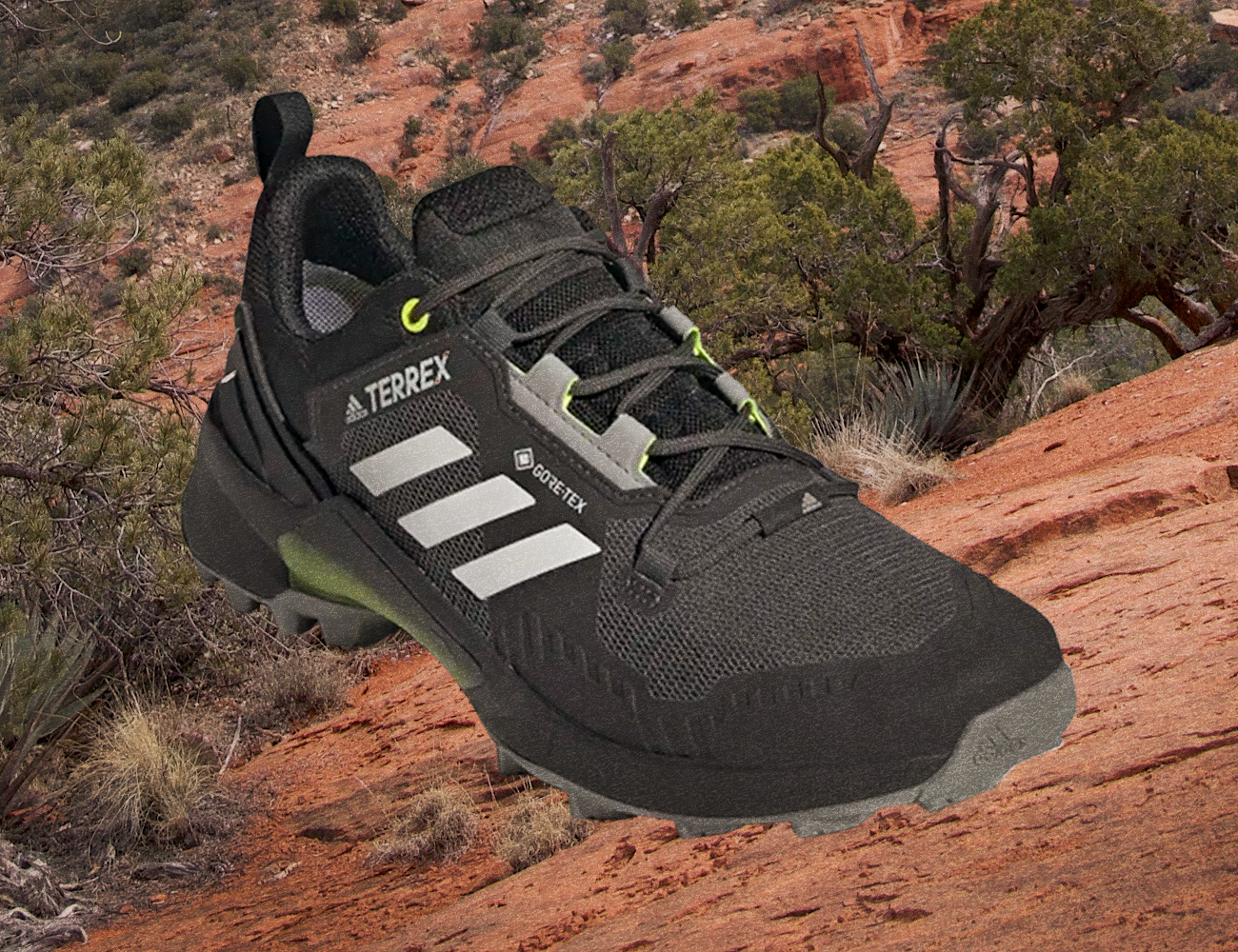
My experience and practical tips
I’ve used trail running shoes on mixed trails, fastpacks, and muddy summer hikes. My feet felt faster and less tired on light days. But once I carried a 35 lb pack, my feet ached by day two. I swapped to boots and saw a big difference.
What I learned
- Test shoes before a multi-day trip. Do a long practice hike with your pack.
- Use gaiters in brush and mud. They keep debris out of mesh shoes.
- Pack light but sensibly. Cutting weight helps trail shoes perform well.
- Consider hybrid shoes. Some models bridge trail runners and light hikers.
These tips come from miles on trail and a few choices I would make again. They help you decide if are trail running shoes good for hiking for your plans.
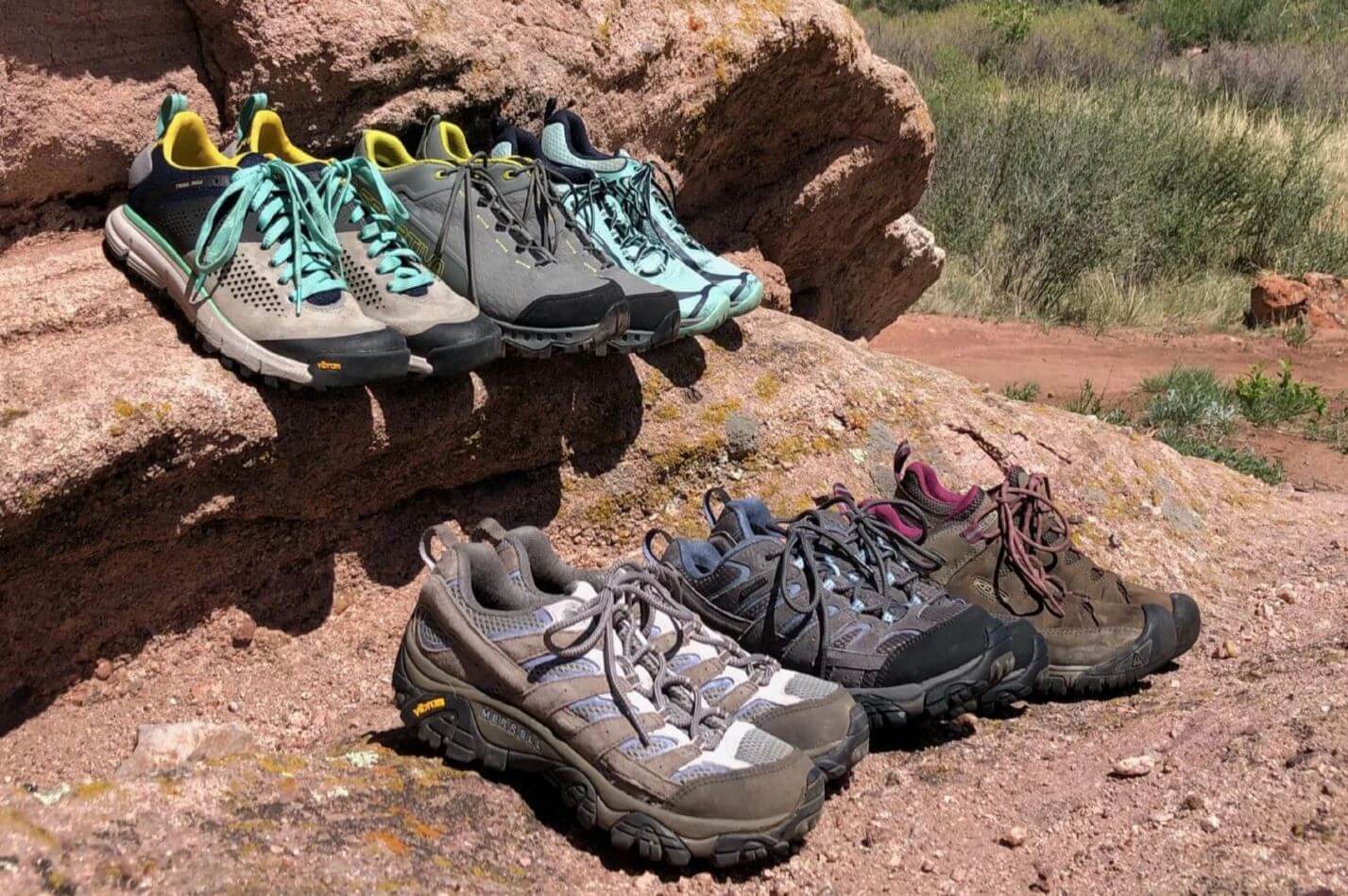
Care and maintenance for trail running shoes used in hiking
Good care extends shoe life and keeps performance high. Follow these steps.
- Clean after muddy hikes. Rinse lugs and dry at room temp.
- Air dry only. Avoid direct heat which breaks down glue and foam.
- Reapply waterproofing treatments when needed. Use sprays for fabric uppers.
- Rotate shoes. Don’t use the same pair every day on long trips.
- Replace when cushion and outsole wear. Worn shoes reduce protection and traction.
Caring for gear is part of deciding are trail running shoes good for hiking over time. Proper care keeps them safe and steady on many miles.
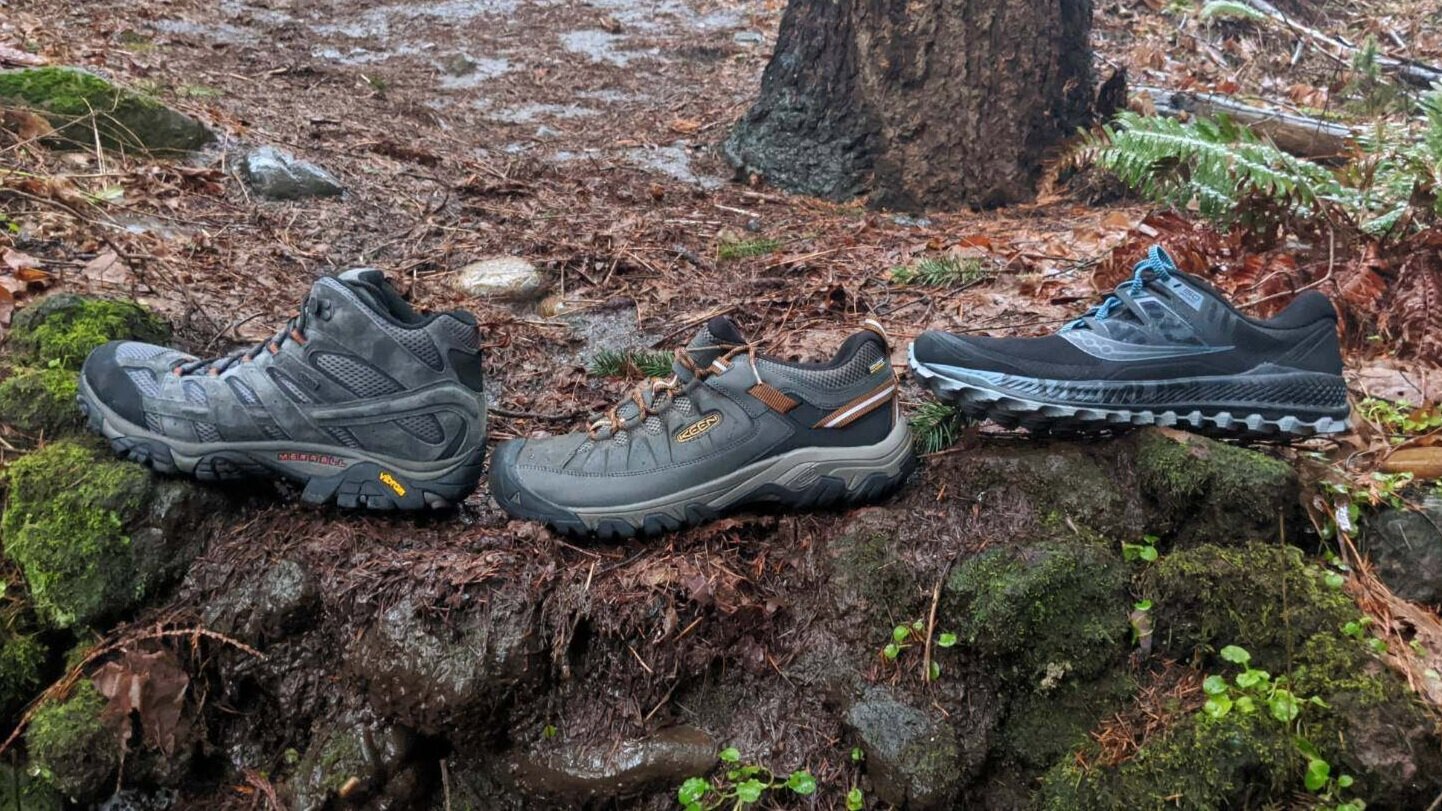
Common quick questions (PAA-style)
Are trail running shoes good for hiking long distances?
Yes, they work for long distances if you carry a light pack and the trail is not too rocky. Expect faster miles and more breathability.
Do trail running shoes protect your feet from rocks?
Some do. Look for models with a rock plate and firmer midsole to reduce rock sting. Thin trainers will transmit impacts.
Can you use trail running shoes in wet conditions?
They dry fast but can let water in. Waterproof versions exist, but they are less breathable.
Do trail running shoes help prevent blisters?
A snug, proper fit plus good socks reduces blisters. Lightweight shoes often reduce hot spots if fitted right.
Should beginners choose trail runners or hiking boots?
Beginners should match shoes to planned terrain. Try trail running shoes for easy trails and boots for rugged, long, or wet trips.
Frequently Asked Questions of are trail running shoes good for hiking
Are trail running shoes good for hiking in snow?
Trail running shoes are usually not ideal in snow. They lack insulation and deep protection; route and depth matter.
How much pack weight is too much for trail running shoes?
If your pack exceeds 25–30 pounds, consider sturdier boots. Heavy loads increase the need for support and stiffness.
Can I convert trail running shoes to be more hiking-friendly?
You can add insoles, gaiters, and protective socks. These tweaks help but cannot replace ankle support or stiff midsoles.
Are waterproof trail runners worth it for hiking?
They are worth it if you expect frequent water crossings and cool weather. Expect reduced breathability and faster foot sweat.
How long do trail running shoes last for hiking?
Lifespan varies by model and terrain but expect 300–500 miles for many trail shoes. Hard, rocky trails shorten life.
Conclusion
Trail running shoes can be a great choice for many hikes. They excel on fast, light trips, warm weather routes, and technical singletrack. They fall short when you need heavy load support, full protection, or insulation. Use the guidance here to match shoe features to your trail. Test your shoes on practice hikes. Make choices based on terrain, pack weight, and comfort. Try a pair on your next easy-to-moderate hike, then decide for longer trips. Leave a comment sharing your shoe experiences or subscribe for more gear tips.

Rubel Miah is the Senior Editor at MyStyleGrid.com, where he brings a sharp editorial eye and an unshakable love for fashion to everything he does. A true style addict, Rubel lives and breathes trends, from streetwear to high fashion, and has a knack for turning inspiration into impactful stories. With years of experience in fashion journalism and digital media, he curates content that empowers readers to express themselves through style. When he’s not editing features or forecasting the next big thing, you’ll find him hunting down vintage pieces or capturing street style moments around the city.