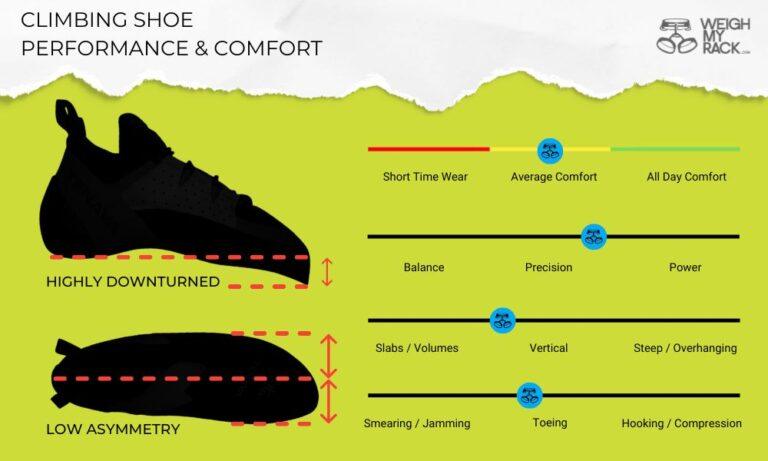
Climbing shoes should fit snugly with toes slightly curled, secure heel, and no painful hot spots.
I’ve been fitting climbing shoes for years and climbing hard routes myself. I know how shoe fit affects comfort, technique, and performance. This guide explains how should climbing shoes fit, step by step. You’ll learn clear rules, practical tests, and real tips from the wall so you buy shoes that feel right and help you climb better.

Why proper fit matters
A good fit changes how you stand on small holds. Shoes that fit right boost sensitivity and control. Shoes that are too tight cause pain and long-term foot problems. Knowing how should climbing shoes fit helps you choose gear that matches your goals and body.

Key fit principles for climbing shoes
Think of fit like a tuned tool. Each part of the shoe must do its job. Here are the core principles to use when you ask how should climbing shoes fit.
- Toe box
- Toes should touch the tip but not jam painfully.
- Slight curl is fine for performance shoes.
- Heel
- Heel should lock without gap or slipping.
- No heel lift on heel hooks or edging.
- Midfoot and arch
- Shoe should cup your arch with no dead space.
- Lacing or straps should close evenly across the foot.
- Width
- Sides should feel snug, not pinched into bone.
- If your foot bulges at seams, try a wider model.
- Pressure and pain
- Pressure is normal with aggressive fits.
- Sharp pain, numbness, or hot spots mean the fit is wrong.
- Flex and stiffness
- Stiffer shoes support edges.
- Softer shoes smear and feel sensitive.
Ask how should climbing shoes fit based on the type of climbing you do. Fit rules change by discipline and shoe shape.

Fit types by discipline: how should climbing shoes fit for sport, trad, and boulder
Different climbing needs mean different fits. Each style has a recommended feel.
- Sport climbing
- Aim for a snug shoe with a slight toe curl.
- You want power on small edges and good toe hooking.
- Bouldering and steep sport
- Choose aggressive downturns and tight fit for precision.
- Expect more pressure and faster break-in.
- Trad and multi-pitch
- Prefer comfort for long wear.
- Slightly roomier shoes or neutral profile help prevent pain.
- Crack climbing
- Use flatter, roomy shoes to jam toes and protect skin.
- A looser fit beats sharp pain inside cracks.
- Indoor gym and all-day
- Comfort and moderate snugness work best.
- You want control without numbing your feet.
When you consider how should climbing shoes fit, match the shoe to the movement you do most.

How to try and size climbing shoes
Testing shoes matters more than number size. Follow these steps when you try shoes in a shop or at home.
- Measure your feet
- Measure both feet standing. Use the larger size.
- Try shoes after warm-up
- Feet swell with activity. Try shoes later in the day.
- Put them on barefoot
- Socks add bulk. Most climbers test barefoot.
- Check the toes
- Toes should press the front lightly. Curl is okay.
- Test the heel
- Jump lightly and pull back to check heel lock. Heel should not lift more than a few millimeters.
- Flex and edge
- Stand on a small edge to feel support. Try smearing on a slab.
- Move and hold
- Climb a few problems or simulate moves if possible. Pain or numbness after a minute means no.
- Size across brands
- Sizing varies a lot by brand and last. Try multiple models.
Always ask how should climbing shoes fit for your foot shape. Bring your climbing socks or insoles if you use them.
Breaking in and maintaining fit
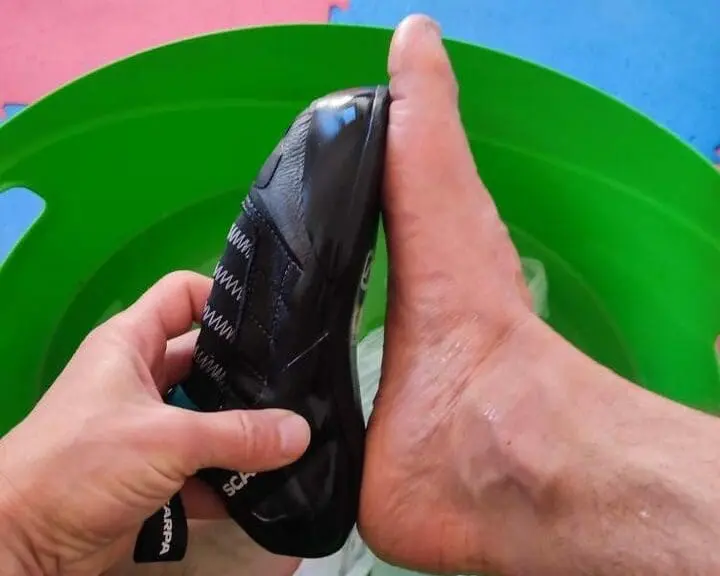
Fit changes after a few sessions. Plan for stretch and adjustments.
- Leather vs synthetic
- Leather stretches more. Expect up to a half size stretch.
- Synthetic holds shape better and stretches less.
- Heat molding and insoles
- Some shoes can be heat molded for a custom fit.
- Thin insoles can add volume and change toe pressure.
- Lacing and straps
- Tighten to remove gaps. Use straps for fine tuning.
- Resole and lifecycles
- Resoling preserves shape. Replace worn rubber before fit shifts badly.
- Monitoring
- Reassess fit after a few climbs. Pain that appears later may signal wrong fit.
When thinking how should climbing shoes fit, remember fit is dynamic and changes with use.

Common mistakes and how to avoid them
Avoid these classic errors when choosing a shoe.
- Buying by number only
- Shoe sizes vary. Try them on.
- Choosing painful fit for the belief it speeds progress
- Pain hinders training and causes injury. Comfort and control beat pain.
- Ignoring heel fit
- A loose heel ruins edging and heel hooks.
- Not accounting for stretch
- Leather will relax. Plan accordingly.
- Sticking with one brand
- Try different lasts to find your best match.
If you wonder how should climbing shoes fit, these fixes will save time and money.

Personal experience: lessons from the wall
I learned fit the hard way. I once climbed an overhanging route in new, tight shoes. The shoes felt powerful. Halfway up, hotspots forced me down. I switched to a slightly roomier pair for long sessions after that. Now I keep two pairs: an aggressive pair for short bouldering sessions and a comfy pair for longer routes. That balance taught me how should climbing shoes fit for different goals.

Frequently Asked Questions of how should climbing shoes fit
How tight should climbing shoes be?
They should be snug with toes lightly pressing the front. You should feel pressure but not sharp pain or numbness.
Can climbing shoes be too tight?
Yes. Too-tight shoes cause numbness, bruised nails, and long-term foot issues. Pain during or after climbing is a sign they are too tight.
How much should leather shoes stretch?
Leather can stretch about a half size or more over time, depending on the leather and use. Expect some give and size accordingly.
Should your toes be curled in climbing shoes?
A slight toe curl is normal in performance shoes. If toes are painfully curled or overlap, the shoes are too small.
How do I know if the heel fits right?
A proper heel locks without gaps or lift when you edge or jump. If the heel slips more than a few millimeters, try a different model.
Can insoles fix a bad fit?
Insoles can tune volume and arch support but won’t fix a shoe that is clearly the wrong shape or size. Use insoles as a fine adjustment, not a band-aid.
Is it okay to buy climbing shoes online?
You can, but measure carefully and check return policies. Buy from sellers with generous returns and compare brand sizing first.
Conclusion
Getting fit right matters. Know how should climbing shoes fit for your style. Test shoes carefully, watch for pain, and plan for stretch. Use different shoes for different tasks and fix small issues with insoles or lacing. Try shoes in person when possible and keep a second pair for longer sessions. Now go test shoes, trust your feel, and leave a comment with your fit questions or favorite models.

Rubel Miah is the Senior Editor at MyStyleGrid.com, where he brings a sharp editorial eye and an unshakable love for fashion to everything he does. A true style addict, Rubel lives and breathes trends, from streetwear to high fashion, and has a knack for turning inspiration into impactful stories. With years of experience in fashion journalism and digital media, he curates content that empowers readers to express themselves through style. When he’s not editing features or forecasting the next big thing, you’ll find him hunting down vintage pieces or capturing street style moments around the city.