Shoes should fit snugly—no sharp pain, toes slightly curled, and a locked heel.
I’ve fitted climbers, tested dozens of models, and taught shoe clinics. I will explain how tight should climbing shoes be for sport, bouldering, and long routes with clear steps and real tips you can use today. Read on to avoid mistakes and climb better.

Why shoe tightness matters for climbing
A good fit gives better edge feel and more control. A shoe that is too loose wastes power and slides on small holds. A shoe that is too tight causes pain and can hurt your feet long term. Knowing how tight should climbing shoes be helps you choose the right pair for your climbing style and foot shape.
Key impacts of fit
- Power transfer: A snug fit lets your foot move the shoe, not the other way around.
- Precision: Tighter shoes give sharper toe contact for small holds.
- Comfort and health: Overly tight shoes can cause blisters, numb toes, and bunions.
My take from years of fitting climbers: fit is the best upgrade after technique. Small changes in tightness change performance a lot.

How tight should climbing shoes be for different styles
Different climbing types need different tightness. Think of shoe fit on a scale from comfy to performance-tight.
Bouldering and short hard routes
- Aim for a very snug fit. Toes may curl slightly. Heel and midfoot should lock.
- Shoes can be aggressive. Expect some discomfort for short climbs.
How tight should climbing shoes be here? Tight enough to give max precision without sharp pain.
Sport climbing and long routes
- Aim for a snug but livable fit. Toes should not be crushed.
- You want control without numbing your feet on long pitches.
How tight should climbing shoes be here? Firm, but with room to avoid pain over hours.
Trad and multi-pitch
- Aim for comfort first. Slightly tighter than street shoes, but not performance tight.
- Give toes space to avoid circulation issues on long climbs.
How tight should climbing shoes be here? Close-fitting but gentle for long wear.
Indoor gym climbing
- Aim for a balance. Many climbers use shoes a bit tighter than street shoes.
- If you switch often between bouldering and routes, keep two pairs if possible.

Signs your climbing shoes are too tight or too loose
Listen to your feet. Simple signs tell you if your fit is wrong.
Too tight
- Sharp pain, numbness, or white toes after use.
- Big toes jammed against the front.
- Red marks or blisters in the same spot.
Too loose
- Heel slips on heel hooks.
- Toes slide forward on steep faces.
- You miss small edges and feel a lack of precision.
How tight should climbing shoes be? They should avoid the "too" flags above while giving secure contact and no internal movement.

How to size and try climbing shoes in store
Bring your climbing socks or go barefoot if that’s how you climb. Try shoes later in the day when feet are slightly swollen. Test them on a slab and an edge or use a small indoor wall.
Steps to try shoes
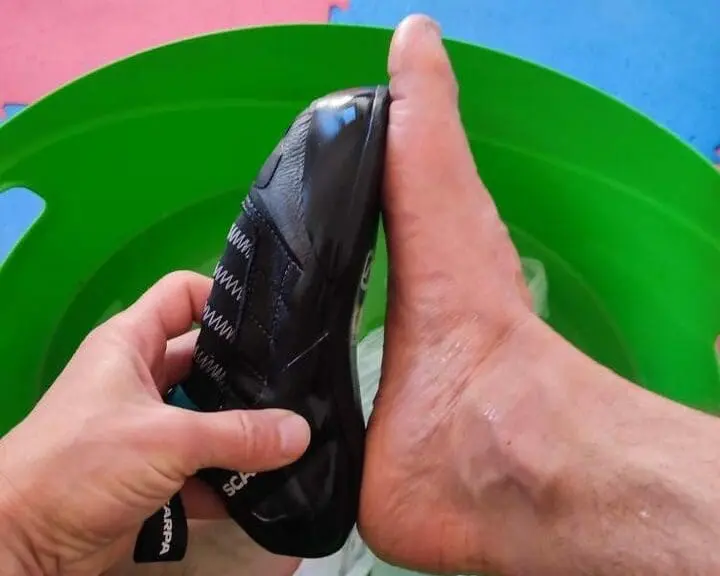
- Fit length: toes should touch the toe box with light pressure.
- Heel fit: lift and press heel—no slip.
- Width: the shoe should wrap the foot, no pinching on the sides.
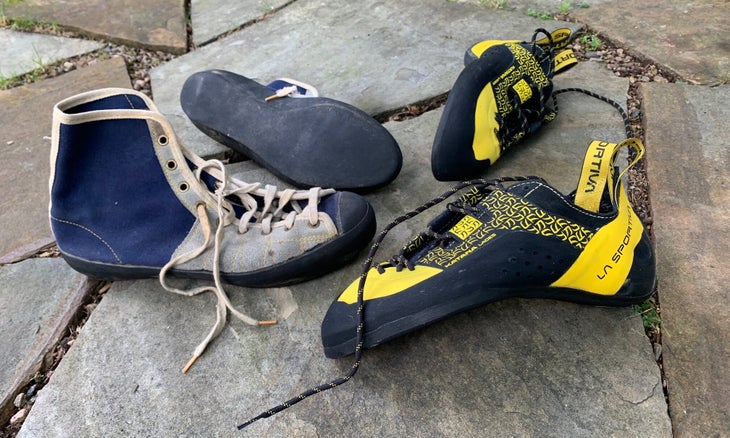
- Toe shape: match toe layout to your foot. Some shoes are pointy; some are round.
Try different brands. Sizes vary a lot. Ask to walk, stand on an edge, and toe hook.

Break-in, stretching, and managing pain
New shoes often feel stiffer. Soft leather will stretch. Synthetic shoes stretch less. Use break-in tricks with care.
Safe break-in tips
- Wear shoes for short sessions at first.
- Use them for easy climbs to form the sole to your foot.
- Avoid forcing stretch with heat or tools that may ruin the shoe.
Pain management
- If pain is sharp, stop. Pain is a warning.
- Use tape or thin socks for short climbs if needed.
- Don’t expect full comfort in performance shoes for bouldering.
How tight should climbing shoes be during break-in? They may loosen slightly. Start snug but avoid damaging pain.
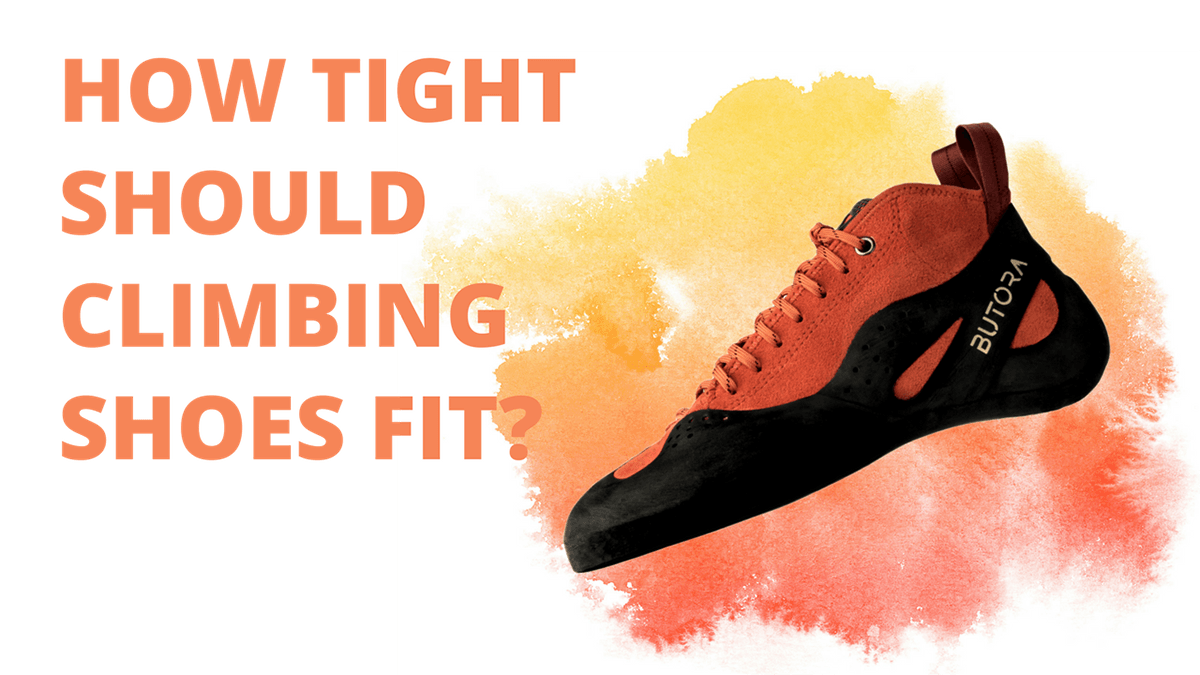
Materials, closure systems, and how they affect fit
Material and closures change how tight a shoe feels.
Leather
- Stretches over time. Buy slightly tighter if you want a snug long-term fit.
Synthetic
- Holds shape more. Buy true fit or a touch tighter for performance.
Laces
- Let you tune fit across the foot. Good for long climbs.
Velcro
- Fast to take on/off. Tuned for gym use and bouldering.
Slipper
- Great toe feedback, usually tight. Hard to fine-tune.
How tight should climbing shoes be with each system? Lace shoes allow comfort on long routes, while velcro and slippers favor tight performance fits.
Personal experience and common mistakes to avoid
I once recommended a friend a size down for bouldering. They could not climb more than one route without numb toes. We switched to a slightly larger size and performance improved. Lesson: do not let brand hype push you past pain.
Common mistakes
- Buying shoes based on number only.
- Keeping shoes too tight to "break them in".
- Using one pair for all climbing types.
Real tips from the wall
- Have one pair for long days and one for projects.
- Mark shoes you wear for warm-ups versus sends.
- Replace shoes when rubber and midsole no longer support your foot.
Fit checklist: quick steps before you buy
Use this checklist to avoid regret.
- Try shoes at the end of the day.
- Stand on a small edge to test toe contact.
- Check heel lock by pulling up the heel.
- Walk and crouch to find hot spots.
- Ask for a different model if any area pinches.
How tight should climbing shoes be? Use this list to find the balance for your foot and your goals.

Frequently Asked Questions of how tight should climbing shoes be
How tight should climbing shoes be for beginners?
Beginners should choose a snug but comfortable fit. Start with slightly roomier shoes to build foot strength and avoid pain.
Will climbing shoes stretch over time?
Leather shoes stretch more than synthetics. Expect one-half to one full size change in some leather models after break-in.
Can I size my climbing shoes based on street shoe size?
Not reliably. Sizes vary by brand and model. Always try them on before buying.
How do I know if the heel fit is good?
A good heel fit has no slip when you stand on tiptoe and no gaping at the heel cup.
Are tight climbing shoes bad for foot health?
Very tight shoes used often can cause pain and long-term issues. Use tight shoes for short efforts and more comfortable shoes for long sessions.
Conclusion
A well-chosen fit improves control, reduces wasted energy, and keeps your feet healthy. Aim for snugness that gives precise contact without sharp pain. Match the tightness to your climbing style: very snug for short, hard climbs; snug and tolerable for long routes; comfortable for trad and multi-pitch. Try many models, follow the fit checklist, and listen to your feet.
Take action: try shoes with the checklist above, test on different terrain, and consider owning two pairs for different goals. Share your fit story or ask a question below to get tailored advice.

Rubel Miah is the Senior Editor at MyStyleGrid.com, where he brings a sharp editorial eye and an unshakable love for fashion to everything he does. A true style addict, Rubel lives and breathes trends, from streetwear to high fashion, and has a knack for turning inspiration into impactful stories. With years of experience in fashion journalism and digital media, he curates content that empowers readers to express themselves through style. When he’s not editing features or forecasting the next big thing, you’ll find him hunting down vintage pieces or capturing street style moments around the city.