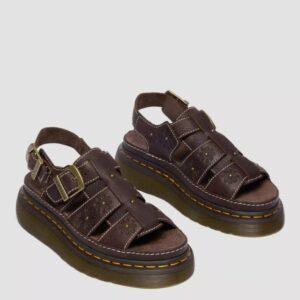
Most Dr. Martens are comfortable after proper sizing and a short break-in period.
I’ve worn many pairs of boots and tested Dr. Martens for years. I know how fit, materials, and sole design shape comfort. This article answers: are dr marten boots comfortable, why comfort varies, and how to make them feel great fast. Read on for clear, tested tips, model picks, and simple fixes that work.

How Dr. Martens are built and why it matters
Dr. Martens use a thick leather upper and an air-cushioned sole. The sole is Goodyear-welted in many models. This makes the boots sturdy and long lasting. Stiff leather and a firm sole mean initial feel is rigid. That rigidity is the main reason people ask, are dr marten boots comfortable.
Key comfort factors to know
Comfort depends on several parts of the boot. Short, clear points help you decide.
- Fit at the toe box. A cramped toe hurts over hours.
- Arch support and insole. Most stock insoles are flat.
- Break-in time. Leather needs time to soften.
- Weight. Heavier boots tire the legs more quickly.
- Outsole cushioning. The air-cushioned sole offers shock absorption, but it’s firm at first.
If you focus on these, you can make Dr. Martens feel very comfortable. The big question, are dr marten boots comfortable, usually comes down to these factors.

Breaking them in: practical steps that work
A good break-in cuts pain and speeds comfort.
- Wear them in short sessions. Start with 30 to 60 minutes indoors.
- Use thick socks to protect hot spots.
- Apply a leather conditioner after 2–3 wears. This softens the leather gently.
- Use a boot stretcher or take them to a cobbler for tight spots.
- Swap to a supportive insole if you have high arches.
These steps helped me break in a pair of classic 1460s in two weeks. Once broken in, they were far more comfortable.
Sizing and fit tips to avoid discomfort
Sizing is the top cause of discomfort. Follow these tips.
- Measure your feet late in the day. Feet swell by evening.
- Try half a size up if you plan to wear thick socks.
- Check heel slip. Too much slip leads to blisters.
- Pay attention to width. Some Dr. Martens run narrow.
- If unsure, try in-store or buy from a retailer with good returns.
Getting the right size answers most questions about are dr marten boots comfortable. A correct fit removes nearly all common complaints.
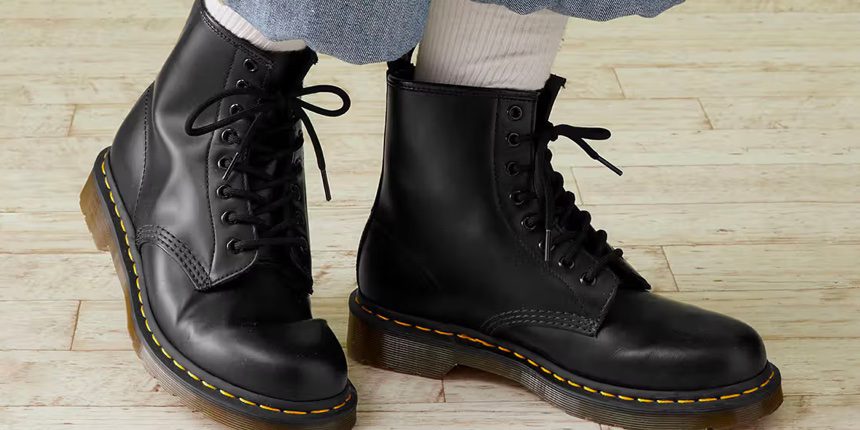
Best Dr. Martens models for comfort
Some models are easier to wear right away. Consider these.
- 2976 Chelsea boots. They need less break-in and fit snugly.
- 1461 shoes. Lower profile and lighter than full boots.
- Jadon platform. Offers extra cushioning but adds weight.
- Pascal line. Softer, pre-broken leather for faster comfort.
- Work-ready models with extra cushioning. Made for long hours on feet.
Try Pascal or Chelsea options if you want comfort fast. These choices help answer are dr marten boots comfortable for daily wear.
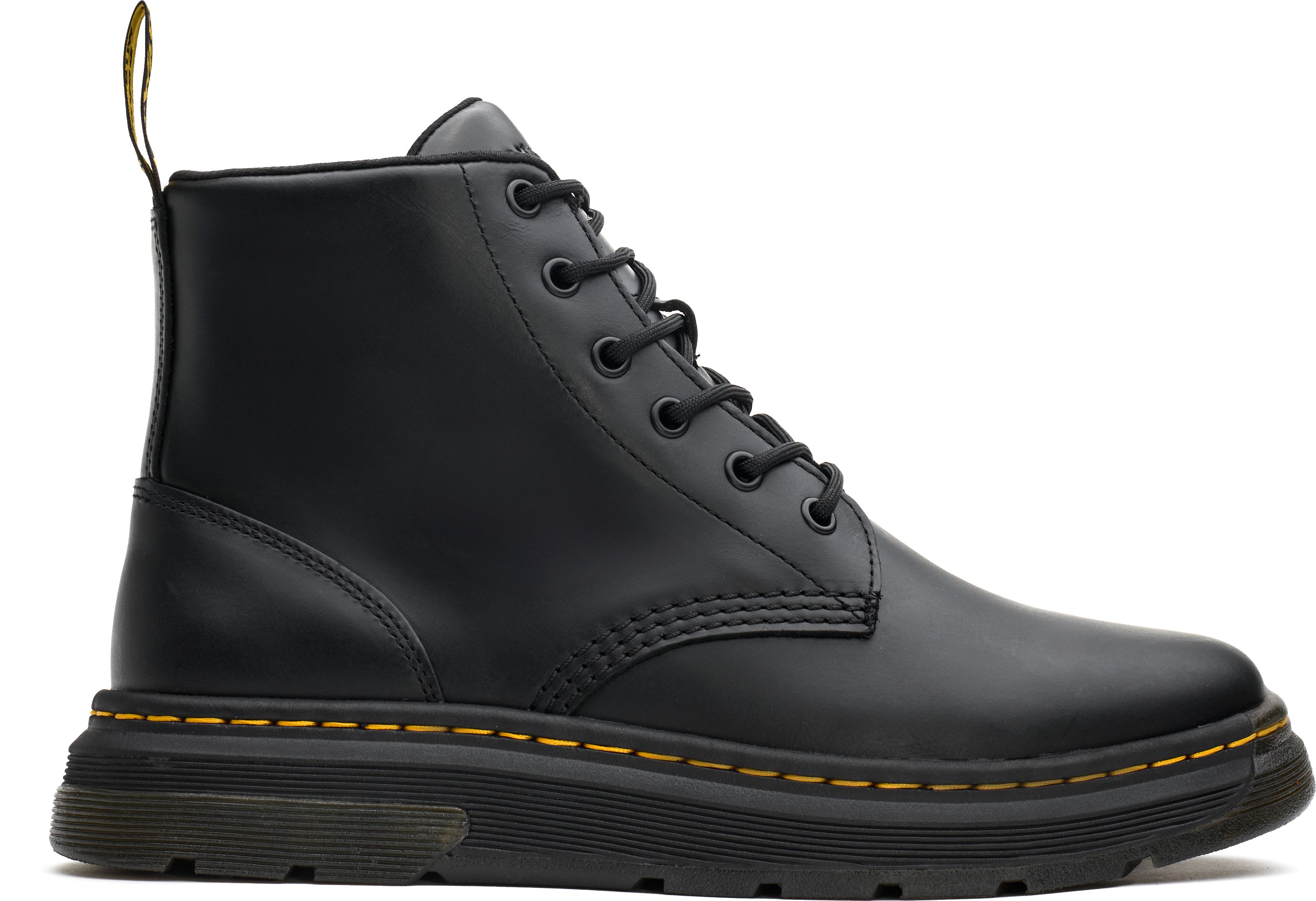
Pros and cons: honest view
Here’s a clear list to help you decide.
Pros
- Durable construction that lasts years.
- Iconic style that pairs with many outfits.
- Good shock absorption from the air-cushioned sole.
- Repairable and often resoleable.
Cons
- Stiff at first and needs break-in time.
- Some models lack arch support.
- Heavier than many modern boots.
- Sizing can be inconsistent across lines.
If you care about durability and style, Dr. Martens deliver. If you need instant plush comfort, expect to add insoles or pick softer models.

My experience: what I learned from wearing them
I own two pairs of Dr. Martens. One classic 1460 and one soft-leather Chelsea. The 1460 bit into my heel at first. I used moleskin and wore them inside for a week. After conditioning and time, they were comfortable for daily use. The Chelsea felt good on day one. Switching to a supportive insole fixed my arch fatigue fast.
Lessons learned
- Break them in slowly.
- Condition leather after a few wears.
- Replace the insole for arch support.
- Size up if you love thick socks.
These steps turned stiff boots into shoes I reach for often. That real-world testing informs my view on are dr marten boots comfortable.
Alternatives and when to choose them
If you want immediate comfort, consider alternatives.
- Brands with plush foam soles offer instant cushioning.
- Lightweight hiking shoes give shock absorption and flex.
- Work boots with built-in arch support help long shifts.
Choose Dr. Martens when you want durability and style. Choose alternatives when first-day comfort is the top priority. The question are dr marten boots comfortable often comes down to what you value most.
Frequently Asked Questions of are dr marten boots comfortable
Are Dr. Martens comfortable right out of the box?
Some models feel stiff on day one. Softer lines like Pascal or Chelsea are more comfortable immediately.
How long does it take to break in Dr. Martens?
Most people need one to three weeks of regular wear. Time varies with leather thickness and use.
Should I size up or down in Dr. Martens?
Many find a half size larger works well, especially with socks. Try them on and test heel fit before deciding.
Do Dr. Martens have arch support?
Standard insoles are fairly flat and provide minimal arch support. Swapping an insole adds needed support for many people.
Can I make Dr. Martens more comfortable quickly?
Yes. Wear thick socks, use leather conditioner, add an aftermarket insole, and use moleskin on hotspots.
Conclusion
Dr. Martens can be comfortable for most people. Correct sizing, patient break-in, and the right insole are the keys. If you pick a softer model or follow the simple tips here, you’ll likely love wearing them daily. Try a careful fit test, commit to short break-in sessions, and upgrade the insole if needed. Share your experience below, subscribe for more footwear guides, or ask a question if you want model-specific advice.

Rubel Miah is the Senior Editor at MyStyleGrid.com, where he brings a sharp editorial eye and an unshakable love for fashion to everything he does. A true style addict, Rubel lives and breathes trends, from streetwear to high fashion, and has a knack for turning inspiration into impactful stories. With years of experience in fashion journalism and digital media, he curates content that empowers readers to express themselves through style. When he’s not editing features or forecasting the next big thing, you’ll find him hunting down vintage pieces or capturing street style moments around the city.