Shoes are slip resistant if they have high-friction soles, clear ratings, and proven tread design.
I’ve tested dozens of work and everyday shoes over years in kitchens, hospitals, and construction sites. In this guide I’ll show you how to tell if shoes are slip resistant using simple checks, lab labels, and quick at-home tests. Read on to learn the exact signs, tests, and labels that prove a shoe will grip wet, oily, or slick floors.
Why slip resistance matters
Slip-resistant shoes cut the chance of falls. Falls cause injuries, lost work time, and costly claims. Choosing the right shoe keeps people safe and workplaces compliant.
I write from field experience testing shoes on tile, steel, and grease. I also follow industry testing methods and look for common wear patterns that kill traction. This helps you pick shoes that actually work, not just look right.

How to tell if shoes are slip resistant: key signs to check
Knowing how to tell if shoes are slip resistant means looking at both lab data and real-world cues. Use this checklist when shopping or testing shoes at home.
- Check the outsole material
- Rubber and sticky compounds usually grip best on wet floors.
- Hard plastics and smooth soles slip more easily.
- Look at the tread pattern
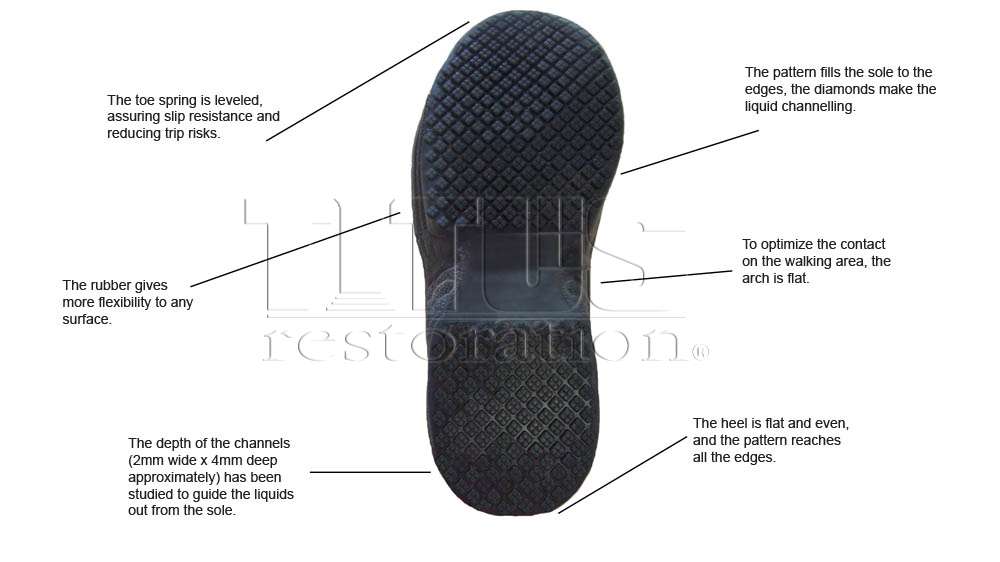
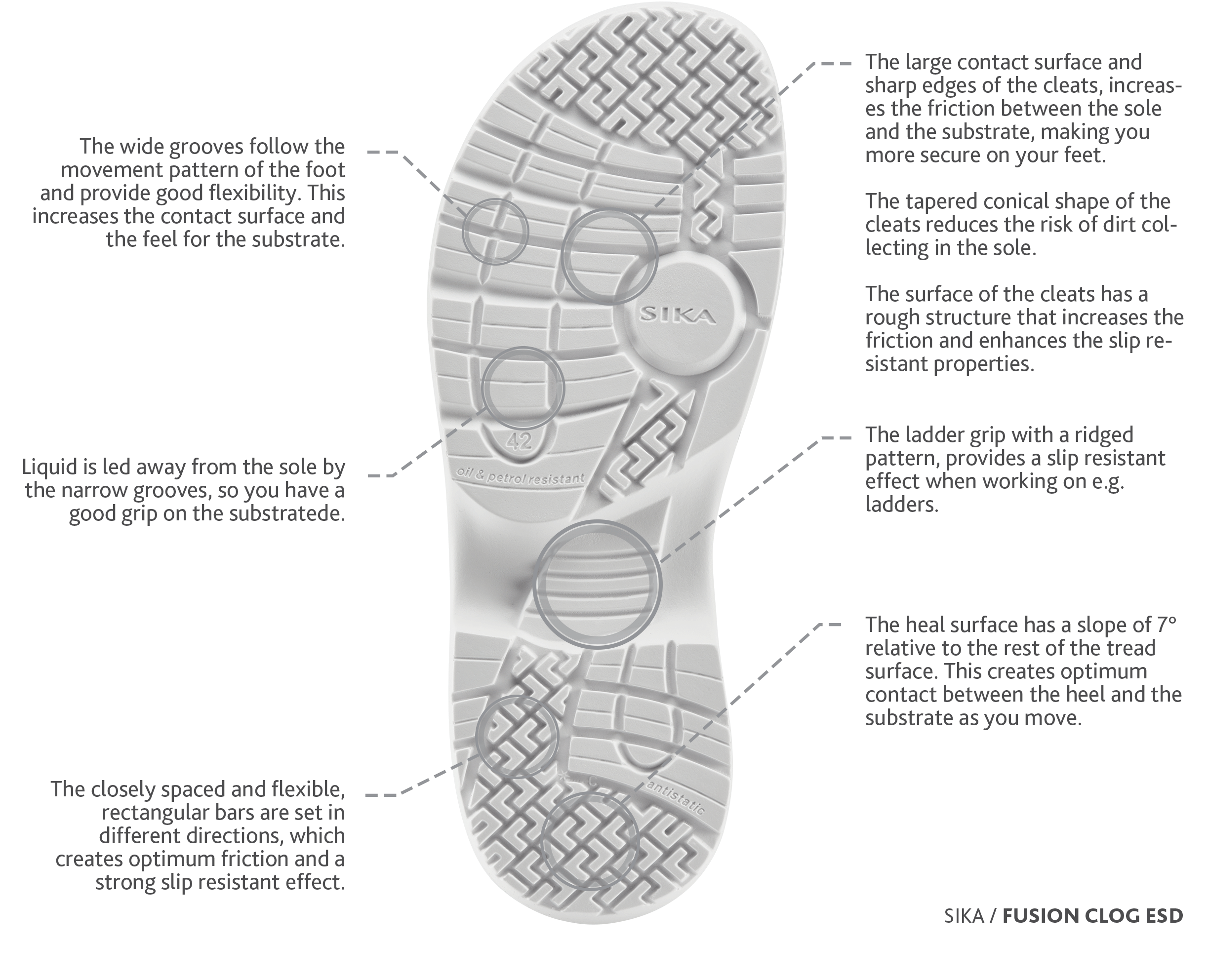
- Deep grooves and channels move water away from the contact patch.
- Multidirectional lugs help on uneven or oily surfaces.
- Find a slip-rating or label
- Certified labels or standards show lab testing against known surfaces.
- Test the sole flexibility
- A bit of flex helps the sole conform to the floor for more contact.
- Inspect heel shape and size
- Wider, lower heels are more stable than tall, narrow ones.
When you learn how to tell if shoes are slip resistant, mix these checks. A shoe with good tread but a hard compound may still slip on oil. Use all signs together.
Lab standards and labels to look for
Understanding standards helps you trust claims. Here are the common industry markers.
- European SRA / SRB / SRC
- SRA indicates testing on ceramic tile with soapy water.
- SRB covers steel floors with glycerol.
- SRC means the shoe passed both SRA and SRB conditions.
- ASTM and ISO test methods
- These tests measure the coefficient of friction (COF) under set conditions.
- Look for any mention of slip resistance testing or COF values.
- Manufacturer test claims
- Prefer brands that list test methods or COF numbers. Vague claims mean less trust.
If you want a quick way to tell if shoes are slip resistant, the SRC mark is a strong signal in many work shoes. Still, lab results don’t always match every real-world floor, so combine lab labels with practical checks.

At-home tests to check slip resistance safely
If you already own shoes or want a quick check, do low-risk tests at home. These are simple and give a good idea of performance.
- Tile and water test
- Put on shoes and stand on a clean tile. Add a small splash of water and shift your weight slowly.
- If you slide easily, the shoe likely lacks wet traction.
- Glycerin or oil test (use extreme caution)
- Use a tiny drop of cooking oil on a small area of tile and gently test. Avoid walking fast or on stairs.
- If the shoe slips on oil, it won’t perform on greasy floors.
- Paper slip test
- Place a sheet of paper on a flat floor and step on it. Move your heel back slightly.
- If the paper pulls out easily, traction may be weak.
- Visual wear check
- Look for bald spots and compressed tread. Worn soles lose channeling and grip.
These tests are not lab-accurate but they help you learn how to tell if shoes are slip resistant in everyday settings. Always test slowly and avoid risky moves.
Materials, tread patterns, and design details that matter
A shoe’s grip comes from design choices. Knowing these makes shopping easier.
- Outsole compounds
- Soft rubber grips wet surfaces better. PU and EVA vary by formula.
- Some soles use tacky rubber for kitchen floors.
- Tread geometry
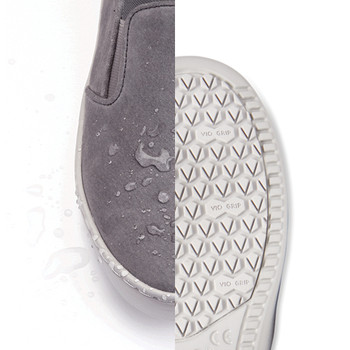
- Channels move liquids out. Small siping (tiny cuts) increases edges for grip.
- Deep lugs help outdoors but can trap grease.
- Surface area and sole shape
- More flat contact area often means better grip on smooth floors.
- Rounded heels can decrease stability.
- Midsole and insole support
- Good support stops slips caused by foot fatigue. A stable foot keeps a steady grip.
When you want to know how to tell if shoes are slip resistant, look past style. Focus on compound, tread depth, and sole shape. These details show how the shoe will behave on real floors.

Common misconceptions and limitations
There are many myths about slip resistance. Clearing them helps you make better choices.
- Myth: "Deep tread always means more grip."
- Truth: Deep tread helps outdoors. On wet tile or oil, compound and siping matter more.
- Myth: "Any rubber sole is slip resistant."
- Truth: Rubber comes in many formulas. Some are slick when oily or frozen.
- Lab tests guarantee real-world safety
- Lab tests use controlled surfaces. Real floors vary by contaminant, roughness, and wear.
- New shoes always grip best
- Some new tacky soles improve after wear. Others lose grip quickly when the tread compacts.
Be honest about limits. Knowing how to tell if shoes are slip resistant is about combining lab data, design, and on-floor checks.

Personal experience: hands-on tips I learned testing shoes
I’ve tried kitchen clogs, hospital shoes, and safety boots on real floors. Here are practical lessons from that work.
- Test shoes on the actual floor you’ll use.
- A pair that works in a break room may fail in a fryer area.
- Break-in matters
- Some soles soften slightly after a few wears and grip better.
- Watch for contaminants
- Salt, oil, and soap change how a sole behaves. Test with each if you can.
- Replace when tread flattens
- I found many shoes still looked good but had no channeling left. Replace before they get risky.
These tips come from real tests. They help you spot good buys fast.
People Also Ask (PAA)
How quickly do shoes lose slip resistance?
Soles can lose grip within months if used on harsh surfaces or in oily conditions. Regular checks and replacing worn soles keep traction reliable.
Can any shoe be made slip resistant with sole repairs?
Shoe resoling with a grippy compound can help, but success depends on the shoe’s design and the new material. A cobbler can often improve traction, but not always to lab-tested levels.
Is slip resistance the same for wet and oily floors?
No. Wet and oily surfaces behave differently. A shoe that grips wet tile may still slip on oil, so look for specific ratings or tests.
Frequently Asked Questions of how to tell if shoes are slip resistant
How can I tell if new shoes are slip resistant before buying?
Look for certifications, check the outsole compound and tread, and ask for COF values or test results. When possible, try a quick tile-and-water test in the store.
What labels mean a shoe passed slip tests?
Look for SRA, SRB, or SRC on safety shoes, or mentions of ASTM or ISO testing and coefficient of friction numbers. Clear, specific labels beat vague marketing.
Are running shoes slip resistant on wet floors?
Some running shoes grip wet pavement well but can slip on smooth tile. Their tread and compound are tuned for road and trail, not greasy indoor floors.
How often should I replace shoes for safety?
Replace when tread depth drops, channels close, or you feel more sliding. For heavy duty use, check every few months; for light use, check twice a year.
Can I trust customer reviews for slip resistance?
Reviews help but can be subjective. Use them as one data point alongside labels, material checks, and simple tests.
Do shoe covers or overshoes improve slip resistance?
Some overshoes add grip on slick floors, but poorly fitted covers can trip or bunch. Choose covers with tested non-slip soles.
Conclusion
Knowing how to tell if shoes are slip resistant saves injuries and frustration. Check the outsole material, tread design, and any lab ratings. Do simple at-home tests and replace worn soles before they fail.
Take one action today: inspect a pair you use often for worn tread and try a safe tile test. If you found this helpful, subscribe for more shoe-safety tips or leave a comment about your slip test results.

Rubel Miah is the Senior Editor at MyStyleGrid.com, where he brings a sharp editorial eye and an unshakable love for fashion to everything he does. A true style addict, Rubel lives and breathes trends, from streetwear to high fashion, and has a knack for turning inspiration into impactful stories. With years of experience in fashion journalism and digital media, he curates content that empowers readers to express themselves through style. When he’s not editing features or forecasting the next big thing, you’ll find him hunting down vintage pieces or capturing street style moments around the city.