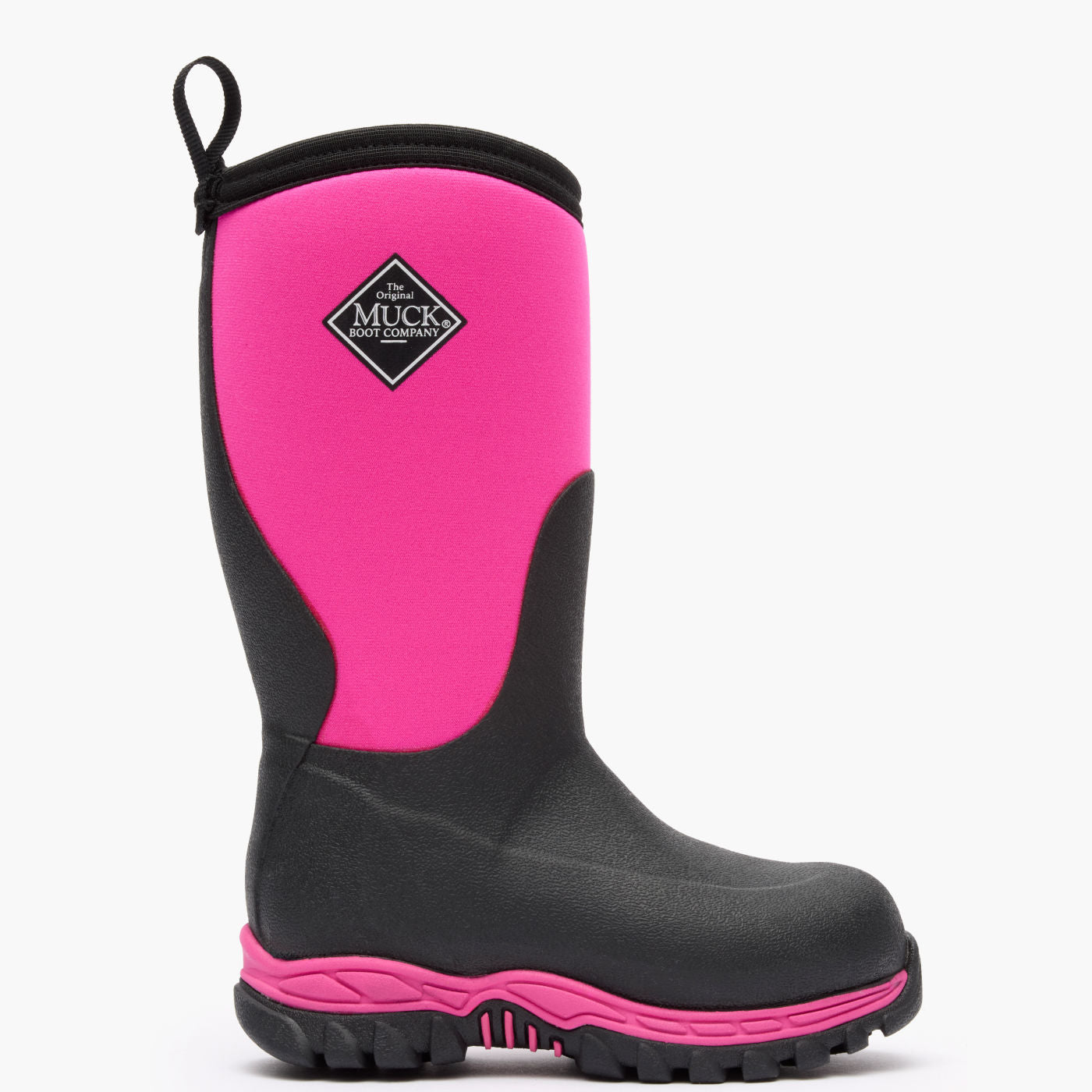
Most Muck Boots fit true to size, but some insulated or lined models run a touch snug.
I’ve tested muck boots across muddy fields, cold mornings, and daily chores. I’ll walk you through sizing basics, model differences, and real-world tips so you buy the right size the first time. Expect clear advice, practical steps, and honest experience about how muck boots fit and why.
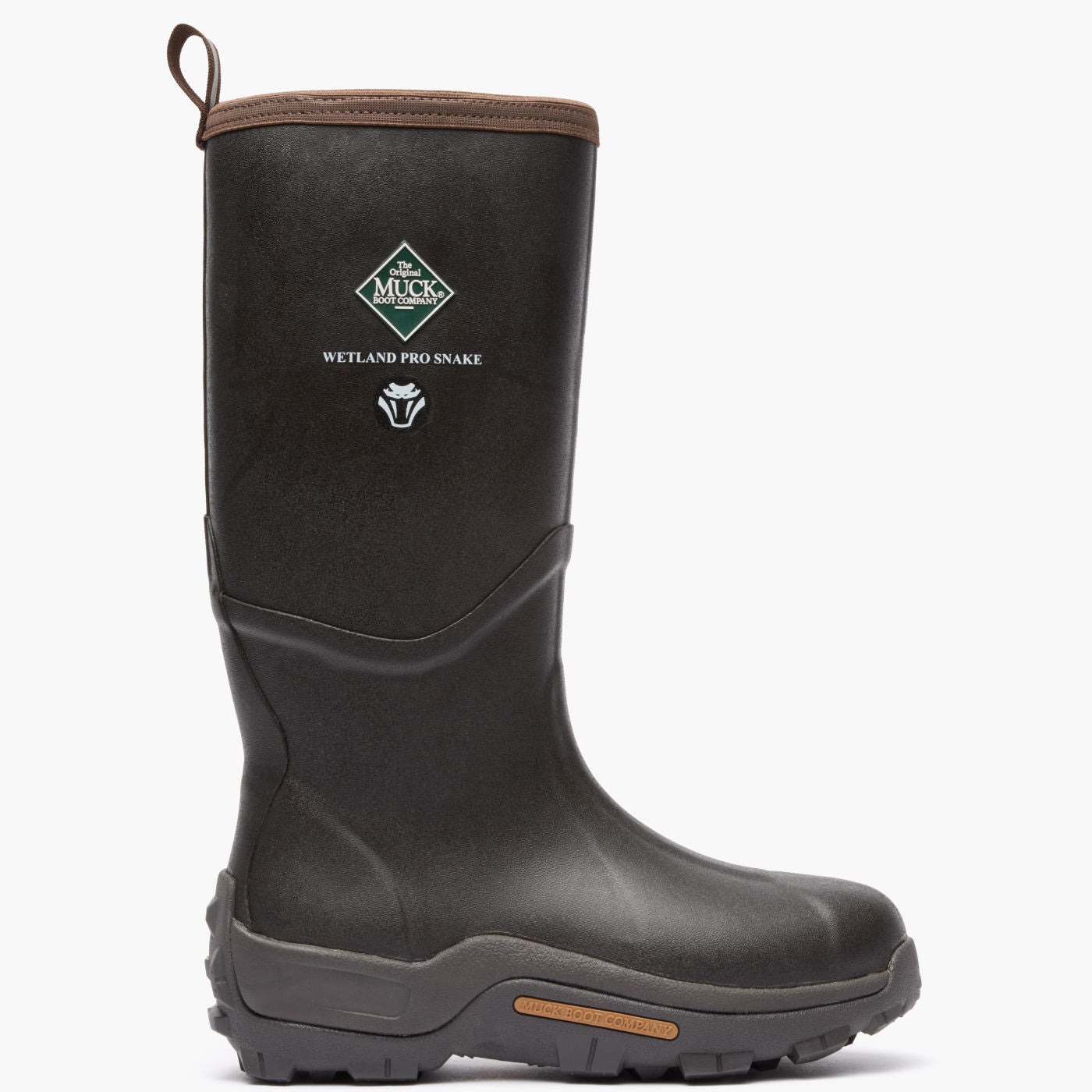
Are muck boots true to size?
Most muck boots are built to fit true to standard shoe sizing. The company aims for a snug, supportive fit because the boots use neoprene liners and rubber shells. That snug feel keeps feet secure in mud and water. However, some insulated or fleece-lined muck boots feel tighter than unlined pairs. If you plan heavy socks or orthotics, sizing advice changes.
Common patterns to expect with muck boots:
- Most casual and low-profile muck boots match true-to-size measurements.
- Tall insulated muck boots often run a bit snug due to thicker liners.
- Wide-foot options are limited, so wide feet may need a size up or a wider model.

What affects the fit of muck boots?
A few simple factors change how muck boots fit. Knowing these helps you pick the right size.
Materials and construction
- Neoprene liners add thickness and compress over time.
- Rubber shells do not stretch like leather.
- Insulation or fleece raises internal volume and can feel tight at first.
Foot shape and socks
- High arches and wide forefeet affect comfort.
- Thick socks require extra space; thin socks need less room.
- Orthotics need more depth and can force a larger size.
Design and model
- Tall boots can feel snug in the calf or ankle.
- Ankle-height muck boots may feel roomier in the toe box.
- Some models include removable footbeds which allow more flexibility.
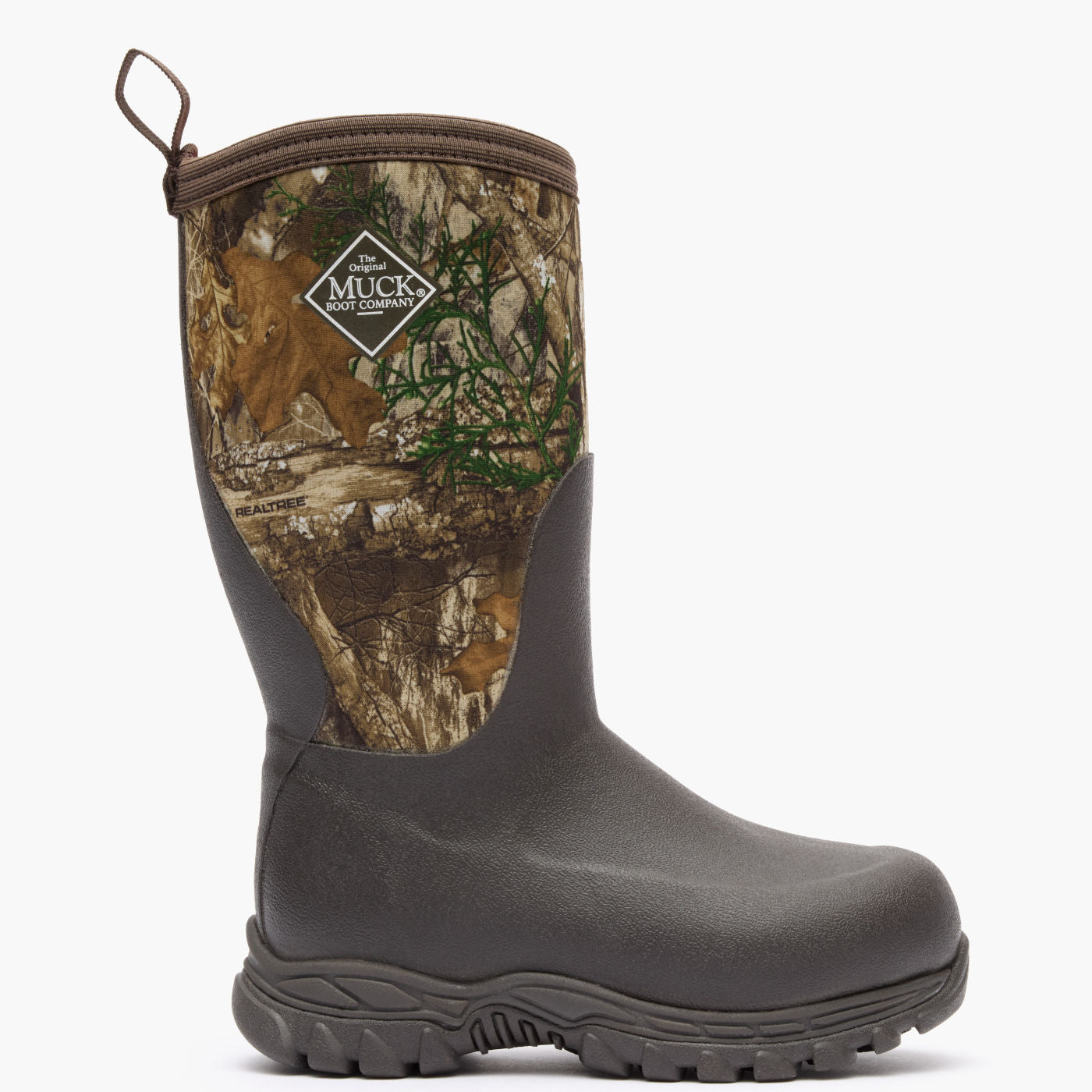
How to choose the right size: step-by-step
Follow these short steps to find the best fit. They help whether you buy online or in store.
Measure your foot
- Stand on paper and trace your foot.
- Measure from heel to longest toe in inches or cm.
Check the brand size chart
- Compare your measurement to the muck boots size chart.
- Use the chart over generic shoe sizes.
Account for socks and inserts
- Try the socks you will wear with the boots.
- Add the thickness of any orthotic or insole.
Decide if you need a half size
- If you are between sizes, choose the larger size for insulated models.
- For non-insulated models, a half size up reduces toe crowding.
Try a fit test
- Walk on hard ground for a few minutes.
- Ensure toes have wiggle room and heels don’t slip more than a quarter inch.
Break-in time
- Neoprene compresses slightly with wear.
- Allow a few wears before judging long-term fit.

Sizing by common muck boots styles
Not all muck boots fit the same. Here’s what to expect by style.
Low ankle muck boots
- Tend to run true to size.
- Offer more toe room and a faster break-in.
Mid-height muck boots
- Balance snugness and space.
- Good choice for general farm and garden work.
Tall insulated muck boots
- Often feel snug at first.
- Size up if you wear thick socks or need room for orthotics.
Pull-on vs zippered styles
- Pull-on boots use a snug cuff for water protection.
- Zippered styles may fit closer around the ankle.
If you own multiple muck boots models, expect small differences between them. Measure and compare before buying another pair.

Personal experience and testing notes
I’ve worn muck boots for years on a small farm. My feet are average width and I usually wear medium-thickness wool socks. For low muck boots I buy my normal size. For tall insulated muck boots I go up half a size to fit heavier socks. I also swap in a thin supportive insole for long days. This combo cut heel slip and kept toes from cramping.
Lessons learned
- Don’t judge fit after just five minutes.
- Test boots with the socks and insoles you use daily.
- Ordering two sizes and returning one is worth the effort if the store allows it.

Common fit problems and simple fixes
Here are quick solutions for common fit issues with muck boots.
Heel slip
- Add a thinner sock or a heel pad to reduce movement.
- Try a size down only if toes still have room.
Tight toes
- Size up half a size or choose a wider model.
- Use thin insoles to gain a bit more toe space.
Calf tightness in tall boots
- Choose a different shaft width if available.
- Look for models with adjustable gussets.
Cold feet with a loose fit
- Add an insulated insole or thicker socks.
- A snug fit helps retain heat, so avoid oversized boots.

When to size up or down
Use these simple rules to decide if you need a different size.
Size up if:
- You wear thick winter socks regularly.
- You use orthotics or heavy insoles.
- You have wide forefeet and toes feel crowded.
Size down if:
- Your heel slips more than a quarter inch with the right sock.
- You prefer a very snug, performance feel for quick hikes or work.
When unsure, choose the larger size for insulated or lined muck boots. You can always add a thinner insole to tighten the fit.