Basketball shoes should feel snug with room at the toes, secure around the heel, and comfortable through the midfoot.
I’ve spent years testing shoes on gym floors and reading biomechanics research, so I know exactly how should basketball shoes fit and why it matters. This guide shows you simple measurements, clear checks for each shoe zone, fixes for common problems, and real-world tips from my own experience. Read on to learn how should basketball shoes fit for comfort, performance, and injury prevention.

Why proper fit matters
A good fit boosts speed, control, and safety on the court. When you get how should basketball shoes fit right, you play better and feel fresher after games.
I’ve seen players lose traction or get blisters from poor fit. Proper fit reduces ankle sprains, toe stubbing, and foot pain. It also spreads pressure evenly, so shoes last longer and perform the way designers intended.
Key benefits of a correct fit
- Better court feel and agility.
- Lower risk of blisters and hot spots.
- Improved ankle support and fewer sprains.
- Longer shoe life and consistent traction.
How your foot shape and play style change what “right” means. Guards may want a different fit than centers. Still, the basic principles stay the same: snug, secure, and with toe room.
How to measure your foot and test shoes
Measure both feet while standing and weight-bearing. Feet change size with activity and time of day. Measure in the evening or after a run for the truest size.
Steps to measure
- Wear the socks you play in and stand on paper.
- Trace both feet, mark heel to longest toe, and measure length.
- Measure width across the widest part of the foot.
- Compare to the brand’s size chart and note if one foot is larger.
When you try shoes
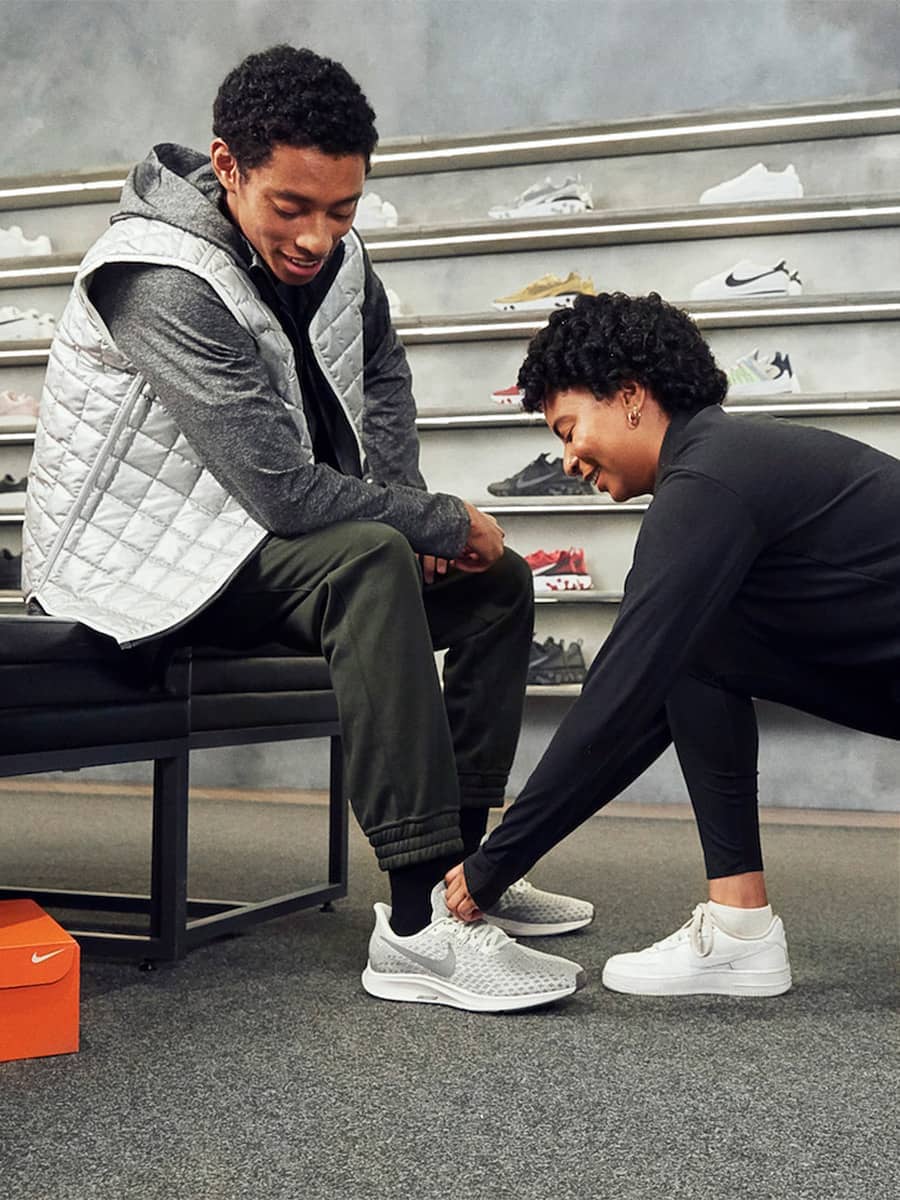
- Test both shoes. Feet are rarely identical.
- Walk, jog, and jump in the store or at home.
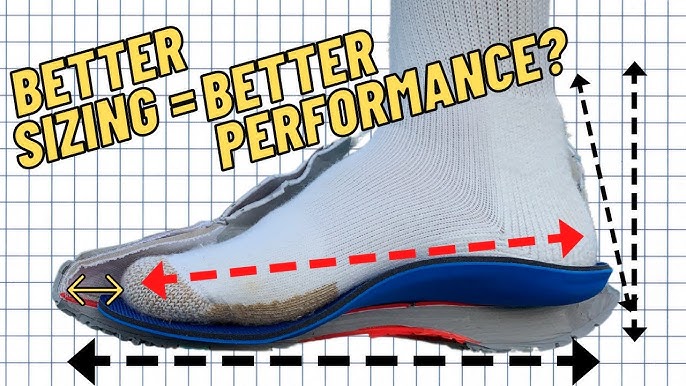
- Allow about a thumb’s width (roughly 0.5 inch) at the longest toe.
- Make sure the heel fits snugly with minimal slip.
If you’re ordering online, measure and record your foot length and width. Read brand-specific notes and user reviews to see if a model runs narrow or wide. Keep shoe boxes and return policies handy.
Fit zones explained: what to feel for
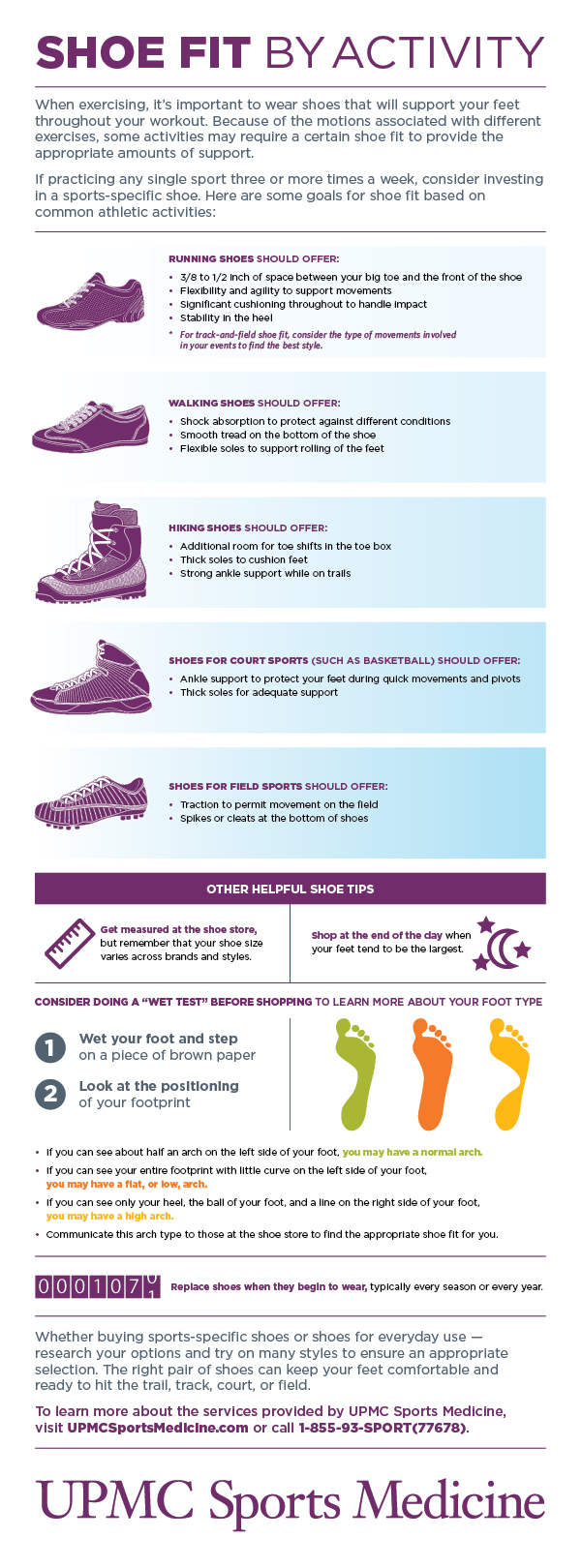
Understanding the fit by zones makes it simple to judge any model. Focus on toe box, midfoot, heel, arch, and ankle.
Toe box
- Room for toes to splay slightly on push-off.
- Aim for about a thumb’s width in front of your longest toe.
- Too tight causes numb toes and black toenails.
Midfoot and arch
- The shoe should hug without pinching.
- Lace to lock down the midfoot; avoid pressure points.
- Arch support should match your foot shape; use insoles if needed.
Heel
- Heel should be locked with minimal slip on hard stops.
- Heel slip leads to blisters and ankle instability.
- A heel counter that cups the back of the heel helps control motion.
Ankle and collar
- Collar height affects support versus mobility.
- High-tops give more ankle coverage; low-tops allow quicker pivots.
- Padding should be comfortable without choking the ankle.
When you judge fit, test natural basketball moves: sprinting, cutting, stopping, and jumping. Ask yourself: does the shoe feel secure and natural? If not, try a different model or size.

Fit checklist for different players and styles
How should basketball shoes fit depends on position, move set, and personal tolerance. Use this checklist to pick shoes for your game.
For quick guards
- Snug midfoot for fast direction changes.
- Slightly lower collar for ankle mobility.
- Responsive cushioning for quick sprints.
For slashers and wings
- Balanced toe room and lockdown for drives.
- Cushioned but low-profile midsole for feel and protection.
- Good heel lock for sudden stops.
For bigs and post players
- Roomier toe box for balance and foot stability.
- Strong midsole and ankle support for rebounds and landings.
- Durable outsole for weight and power.
For players with wide feet
- Seek wide or roomy models and try a half or full size up.
- Prioritize a wide toe box and forgiving materials.
Always aim for a fit that serves your moves, not just a number on the tag. I used to pick shoes by brand alone and learned the hard way that fit beats looks every time.
Common fit problems and quick fixes
Problems happen. Here are the usual issues and simple fixes that I’ve tried and tested.
Blisters at the heel
- Cause: heel slip or rough seams.
- Fix: Heel-lock lacing, heel pads, thin socks.
Numb toes or pressure on the forefoot
- Cause: tight toe box or wrong size.
- Fix: go up half size, look for a wider last, or try thinner socks.
Midfoot pain or hot spots
- Cause: poor arch support or tight laces.
- Fix: custom or OTC insoles, adjust lacing pattern to relieve pressure.
Ankle instability
- Cause: poor heel lock or low collar for your play style.
- Fix: use lace anchors, high-top models, or ankle braces.
Shoes feel stiff or break-in hurts
- Cause: firm materials or new midsole.
- Fix: short on-court sessions, use gradual wear-in, and avoid intense play until broken in.
If a fix doesn’t work, swap to a different model. Shoes that force you to change form will cost more in the long run.
Lacing techniques, break-in tips, and maintenance
The right lacing can change a mediocre fit into a great one. Break-in and care keep shoes performing.
Effective lacing patterns
- Standard criss-cross for general lockdown.
- Runner’s loop or heel lock to secure the heel.
- Skip a hole over pressure points to reduce pain.
Break-in tips
- Wear shoes for short practice sessions at first.
- Avoid prolonged full-court play for the first week.
- Use sock thickness you will play in to test fit.
Maintenance for fit and life
- Rotate shoes to let midsoles decompress.
- Keep shoes clean and dry to preserve materials.
- Replace insoles if they compress or smell.
I learned that a simple lace change fixed heel slip on one model. Small tweaks can save you money and improve play.

Buying online, sizing conversions, and returns
Buying online is convenient but risky if you don’t measure. Follow a system to reduce surprises.
Before you buy
- Measure feet and compare to size charts for that brand.
- Read reviews about fit, especially from players with feet like yours.
- Check the return policy and free returns if possible.
Converting sizes
- Different brands use different lasts; size charts help.
- Use length and width measurements rather than shoe numbers alone.
- If between sizes, consider foot width and desired toe room.
Try-at-home strategy
- Try shoes on a clean floor. Test moves and wear socks you use for games.
- Keep boxes and tags for at least a week to allow return.
- If shoes cause pain on first wear, return them. Don’t “break in” painful shoes.
This approach has saved me from multiple frustrating purchases.

People also ask (quick PAA-style answers)
How much space should be at the toe?
- About a thumb’s width or 0.3–0.5 inch. Enough room prevents black toenails and allows toe splay.
Should basketball shoes be tight or loose?
- They should be snug in the midfoot and heel and slightly roomy at the toes. Tight shoes cause pain; loose shoes cause instability.
Can you size down for better feel?
- No. Sizing down often causes toe pain and injury. If you want more court feel, try low-profile models rather than a smaller size.
Frequently Asked Questions of how should basketball shoes fit
How much space should I leave at the front of the shoe?
Leave about a thumb’s width (0.3–0.5 inch) between your longest toe and the shoe tip. This allows toes to move during jumps without hitting the front.
Should basketball shoes feel tight around the midfoot?
They should feel snug but not painful around the midfoot. A secure midfoot lets you cut and sprint without internal sliding.
Is heel slip bad and how do I stop it?
Yes, heel slip causes blisters and instability. Use heel-lock lacing, pads, or a different size or model to stop it.
How should basketball shoes fit if I have wide feet?
Look for wide models or a half to full size up and choose shoes with a roomy toe box. Soft upper materials help reduce pressure and hot spots.
Can I break in shoes by playing long games right away?
No. Break in shoes with short practice sessions to let materials soften and mold to your foot. Gradual wear reduces pain and injury risk.
Do high-top shoes always protect the ankle better?
High-tops add material around the ankle but don’t guarantee protection alone. Proper fit, heel lock, and strength training are equally important.
Conclusion
Getting how should basketball shoes fit right is simple when you focus on toe room, midfoot lockdown, and a secure heel. Measure both feet, test the shoes with game-like moves, and use lacing tricks or insoles to fine-tune the fit. My practical tip: when in doubt, prioritize comfort and movement over style.
Take action today: measure your feet, try the checklist on your next shoe test, and leave a comment with your shoe-fit questions. Want more guides like this? Subscribe or check other articles to sharpen your gear decisions.

Rubel Miah is the Senior Editor at MyStyleGrid.com, where he brings a sharp editorial eye and an unshakable love for fashion to everything he does. A true style addict, Rubel lives and breathes trends, from streetwear to high fashion, and has a knack for turning inspiration into impactful stories. With years of experience in fashion journalism and digital media, he curates content that empowers readers to express themselves through style. When he’s not editing features or forecasting the next big thing, you’ll find him hunting down vintage pieces or capturing street style moments around the city.