Yes, many Timberland boots can get wet; some models are waterproof, while others only resist moisture.
I write about boots and outdoor gear for a living and have tested Timberlands in rain, puddles, and snow. This article explains whether Timberland boots can get wet, which models shrug off water, how to care for soaked leather, and practical steps to protect your pair. Read on for clear, tested advice that helps you pick, treat, and dry Timberland boots the right way.

How Timberland boots are made and why water matters
Timberland builds boots from leather, nubuck, synthetic mesh, and rubber. These materials react differently to water. Full-grain leather soaks slowly. Nubuck can darken and stain. Rubber and sealed membranes block water.
Manufacturers add features like seam sealing, waterproof membranes, and treated leather. These features decide if Timberland boots can get wet safely. Knowing the materials helps you avoid damage.
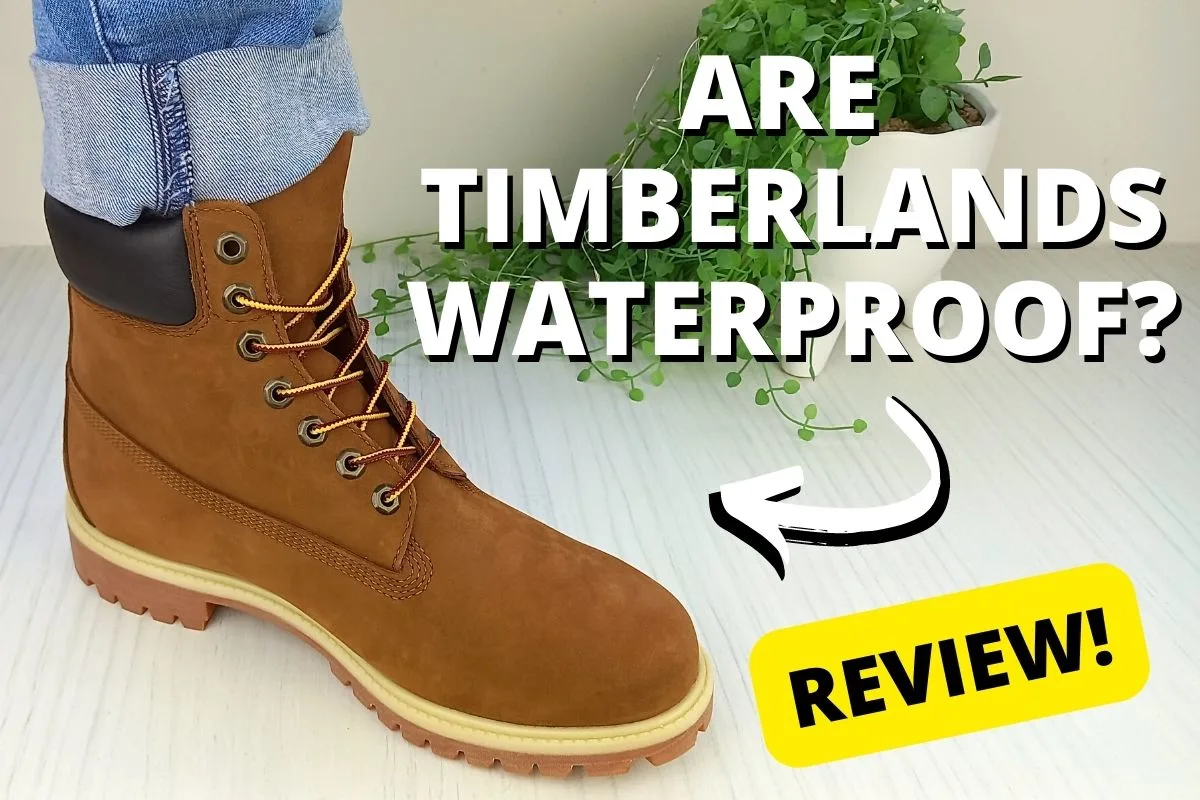
Can Timberland boots get wet? What “waterproof” and “water-resistant” mean
Many shoppers ask if can timberland boots get wet and what that really means. The short answer: yes, they can get wet, but how they handle moisture depends on the model and treatment.
Waterproof means boots block water from entering under normal wet conditions. Water-resistant means boots slow moisture but can let water through in heavy exposure. Some Timberland boots use seam-sealed construction and waterproof membranes. Others rely on treated leather only.
Are all Timberland boots waterproof?
No. Some Timberland lines are labeled waterproof. Others are not. Check the product label or specs before assuming they will keep your feet dry.
Will leather Timberland boots be ruined by water?
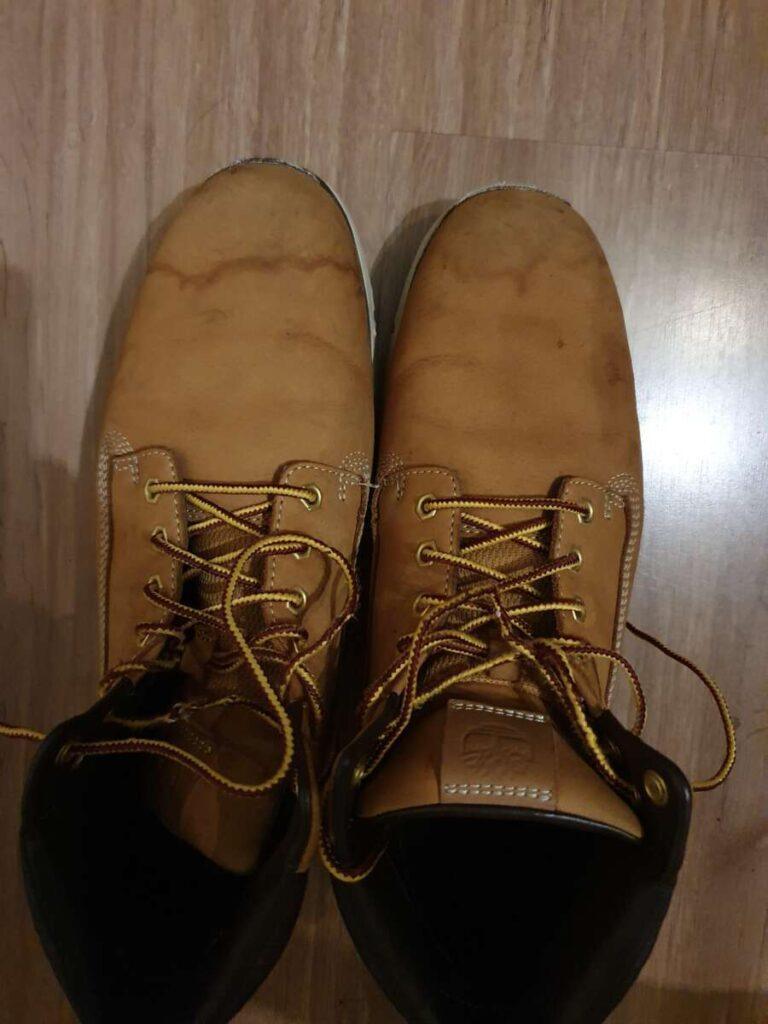
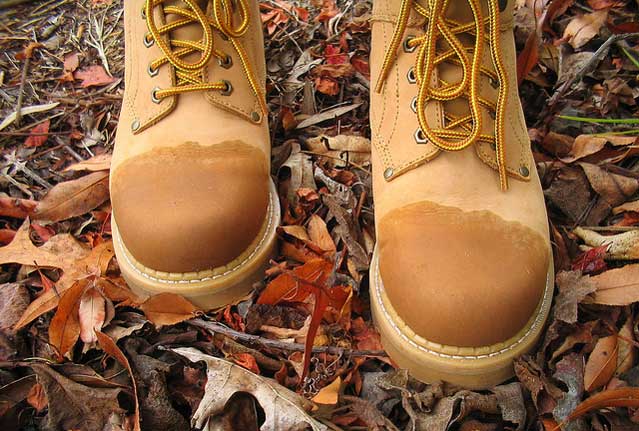
Not always. Clean water can darken leather and leave marks. Repeated soaking can dry and crack untreated leather. Prompt care prevents long-term damage.

How to dry wet Timberland boots safely
Drying wet Timberland boots the wrong way causes shrinkage, stiffness, and damage. Use these safe steps.
- Remove laces and footbeds to let air move.
- Pat excess water with a clean towel.
- Stuff boots with paper (not newspaper) to hold shape. Replace damp paper often.
- Air dry at room temperature away from direct heat or sun.
- Once nearly dry, apply conditioner suitable for the boot material.
Avoid heat sources like hair dryers, radiators, or ovens. Heat can warp soles and crack leather. If boots show salt stains after winter walks, wipe with a vinegar solution (one part white vinegar to two parts water) then condition.
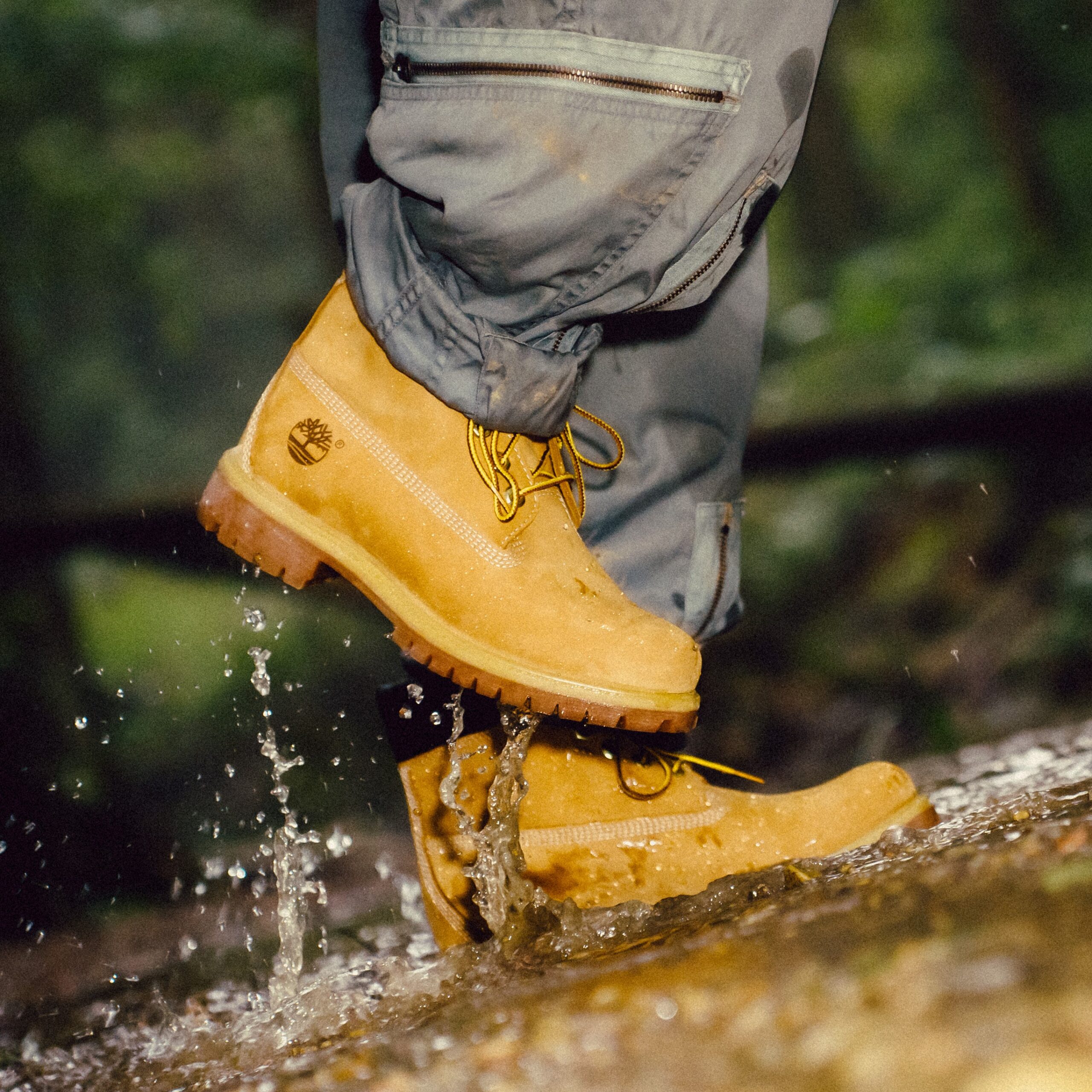
How to waterproof or re-waterproof your Timberland boots
If you wonder whether can timberland boots get wet after treatment, the right products help a lot. Use these methods.
- Spray-on waterproofing for suede and nubuck works well. Apply in a ventilated area and follow dry times.
- Cream or wax-based products suit smooth leather. Rub evenly and buff.
- Seam sealers restore stitch protection on older pairs. Use only if seams are leaking.
- For membranes, avoid clogging with heavy wax. Use membrane-friendly sprays.
Reapply waterproofing every few months if you use boots in rain or snow. Test any product on a hidden area first. Proper treatment keeps boots usable and extends life.
Real-world tests and my experience with wet Timberlands
I wore several Timberland boots through rain, mud, and shallow streams over multiple seasons. Here’s what I learned.
- Untreated nubuck darkens fast. A spray protector helps immediately.
- Premium waterproof models kept feet dry in steady rain for hours.
- I once dried a soaked pair too quickly on a radiator; the leather stiffened and needed a deep conditioner to recover.
- Salt stains from winter trips were harder to remove than mud. Regular cleaning prevented buildup.
Lessons learned: know your boot’s label, treat material early, and dry gently. These small steps saved my boots and money.
Choosing the right Timberland model for wet conditions
If you plan to be in rain or snow often, select features that matter.
- Seam-sealed construction for full protection.
- Waterproof membrane or labeled waterproof models.
- Rubber outsoles with good tread for wet traction.
- Treated full-grain leather for durability.
- Avoid untreated suede for heavy wet use.
Check product specs and reviews before you buy. A properly chosen pair reduces the need for heavy aftercare.
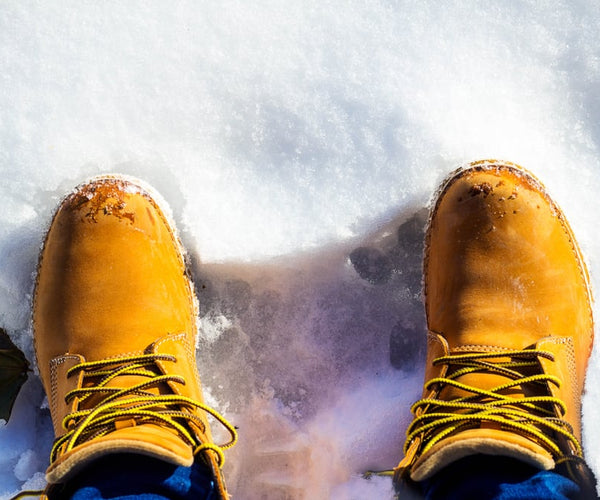
Frequently Asked Questions of can timberland boots get wet
Are Timberland work boots waterproof by default?
Some Timberland work boots are waterproof by design. Others are water-resistant. Always read the product description for confirmation.
Can I wear Timberland boots in heavy rain?
You can wear some Timberland boots in heavy rain if they are labeled waterproof and properly treated. Untreated leather or suede will not hold up well under prolonged exposure.
How long does waterproof treatment last on Timberlands?
Waterproof sprays and creams typically last weeks to months depending on wear and exposure. Reapply regularly for best results.
Can I machine wash my Timberland boots?
Machine washing is not recommended. Washing can damage leather, membranes, and glue. Hand clean and air dry instead.
Will wetting Timberland boots void the warranty?
Wet use alone usually does not void warranty. Damage from neglect or improper care may not be covered. Check the warranty terms for specifics.
How do I remove salt stains from Timberland boots?
Mix one part white vinegar with two parts water and gently wipe stains. Rinse with a damp cloth and condition the leather afterward.
Can I use any conditioner on my Timberland boots?
Use conditioners designed for the specific material: cream or balm for smooth leather, specialized products for suede or nubuck. Test on a small area first.
Conclusion
Timberland boots can get wet, but how they fare depends on the model, material, and care. Choose waterproof models when you need full protection. Treat and dry your boots gently after exposure. With the right choices and habits, your Timberlands will keep you dry and last longer. Try the waterproofing tips here, test products on a small patch, and share your experiences below or subscribe for more gear care guides.

Rubel Miah is the Senior Editor at MyStyleGrid.com, where he brings a sharp editorial eye and an unshakable love for fashion to everything he does. A true style addict, Rubel lives and breathes trends, from streetwear to high fashion, and has a knack for turning inspiration into impactful stories. With years of experience in fashion journalism and digital media, he curates content that empowers readers to express themselves through style. When he’s not editing features or forecasting the next big thing, you’ll find him hunting down vintage pieces or capturing street style moments around the city.